A bath, a buffet and a bed for the night
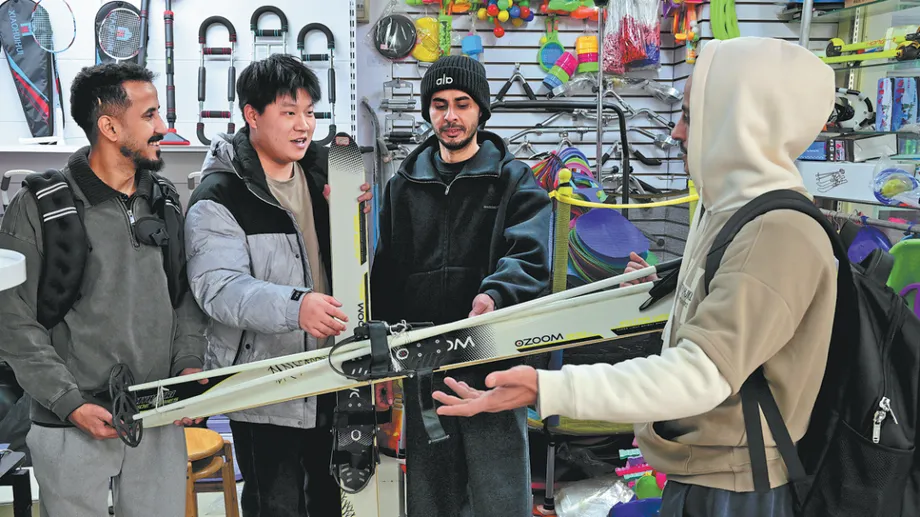
For 300 to 350 yuan, Jinzu Wang can leave his Beijing university dormitory behind, soak in a hot bath, play billiards, sing karaoke and eat unlimited fruit before settling in for the night. The 22-year-old and his friends regularly visit a nearby spa complex where a massage is an optional extra and going home before bedtime is unnecessary.
Contents
- A bath, a buffet and a bed for the night
- How the neighbourhood bathhouse became a leisure complex
- What the ticket actually buys
- Shenzhen makes the experience easy to share
- The boom reaches far beyond the border cities
- Why a short escape appeals to young customers
- Value depends on who is paying
- Travel videos bring visitors, while apps help them inside
- Shared spaces have limits, and the model is spreading
- At a Glance
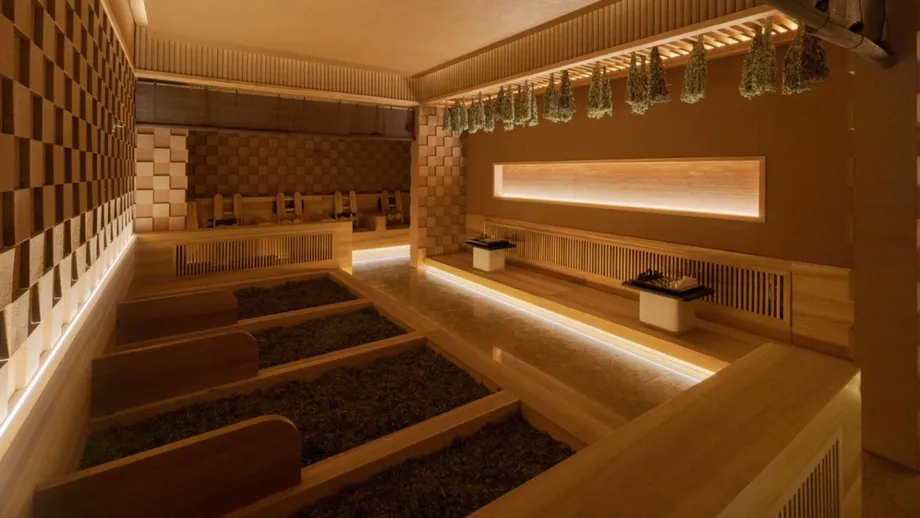
Across China, enormous bathing centres are turning a familiar neighbourhood service into an entire leisure destination. Shenzhen's TENZ spa covers about 430,000 square feet. Chengdu's Tang Yue sells a pass giving access to 11 floors for 20 hours for as little as 99 yuan online. In Shenyang, Qinghe Peninsula Hot Spring Resort Hotel has an outdoor infinity pool stretching 168 metres.
The attractions extend well beyond bathing. Visitors can find cinemas, video games, sleeping capsules, karaoke rooms and elaborate buffets. Some venues have water slides or a tank for scuba diving. Shenzhen's Shuiguo+ serves unlimited caviar and spiny lobster, while TENZ has become known for its unlimited Häagen-Dazs ice cream.
These businesses bring together several demands: students looking for somewhere to spend time with friends, families needing entertainment for different ages, workers seeking a short escape and tourists drawn by spectacular travel videos. Their appeal rests as much on the number of things included in a ticket as on the baths themselves.
Wang, a university student in Beijing, described the attraction in practical terms:
Many spas nowadays combine entertainment facilities together.
His overnight visits offer a break from dormitory life without arranging a conventional hotel stay or moving between several entertainment venues.
How the neighbourhood bathhouse became a leisure complex
China's bathing centres, known as xiyu zhongxin, grew from communal bathhouses where people washed when their homes lacked bathrooms or reliable hot water. They were also places to meet neighbours, rest and talk.
Northeastern China developed a particularly strong bathing culture. Freezing, dry winters made warm pools and body scrubs attractive, and traditional bathhouses remain popular with older customers. Some also provide social activities such as mahjong.
The newer complexes keep that combination of bathing and company but greatly expand what happens around it. Guests might move from a sauna to a gaming room, eat a buffet meal and then sleep in a shared resting area. Birthday celebrations, company gatherings and study sessions now sit alongside the traditional soak and scrub.
TENZ in Shenzhen was redesigned in 2023 as a new kind of leisure space. Its mix of pools, virtual reality games, salt rooms, personal televisions and ice cream stations illustrates how operators are competing for a much longer share of a visitor's day.
What the ticket actually buys
A typical visit begins with choosing a package, changing into clothing supplied by the spa and receiving a wristband. The band can open a locker and record extra purchases, allowing guests to move around without carrying a wallet.
Many packages include admission, fruit and drinks. Some include substantial meals or treatments, while massages commonly cost extra. The length of admission also varies: a business that stays open for 24 hours may sell tickets lasting six, 12 or 20 hours.
Prices show how wide the market has become. Many large spas start at around 300 yuan, while more expensive packages can reach about 1,000 yuan. Tang Yue's advertised online price of 99 yuan for 20 hours is a cheaper example. Wang's usual overnight spending of 300 to 350 yuan is roughly three to three and a half times that entry price, although the packages include different services.
TENZ day passes are often advertised below HK$500, with some treatment bookings allowing the admission charge to be waived. Its precise package terms matter more than the headline price: visitors need to know the duration, meals and treatments included before comparing it with another venue.
Shenzhen makes the experience easy to share
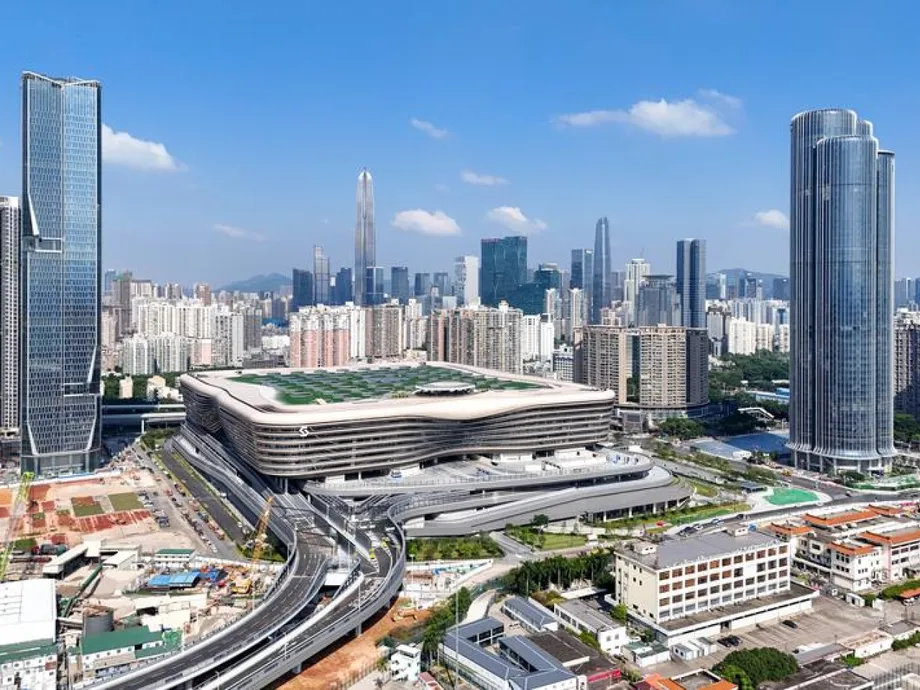
TENZ occupies five floors near Futian Port, a crossing between Hong Kong and Shenzhen, and has about 300 massage rooms. Its location makes it accessible to visitors crossing the border for a short break rather than a longer mainland holiday.
Inside, the facilities serve different interests within the same group. A cinema, virtual reality room, snooker, air hockey and PlayStation games give children and adults alternatives to bathing. Fruit, drinks and ice cream keep guests supplied between activities.
Shenzhen's proximity to Hong Kong also helps these venues reach international audiences. Visitors with access to overseas social media can share videos of the pools, buffets and resting areas, making a local leisure business visible to people planning trips from much farther away.
Sasha, a photographer from San Francisco who gave only her first name, visited Aqila Hot Spring in Shenzhen with her daughter, aged 10. Her daughter enjoyed the arcade games while she enjoyed the massages. She put the cost at about US$75, including a massage, fruit and drinks.
Sasha described the visit as a practical answer to bad weather:
It was a good way to spend a couple of hours as it was raining all day.
The boom reaches far beyond the border cities
Shenyang's bathing businesses generated more transactions than those in any other Chinese city during the 2025 Spring Festival holidays. Meituan, a major platform for booking local services, recorded a 166% surge in searches for "Shenyang bathhouse". That means the search volume was about 2.66 times its comparison level.
Qinghe Peninsula, also listed as Qinghe Bandao, combines its long outdoor infinity pool with wave pools, slides and themed bathing pools shaped like oversized food containers. Visitors can eat barbecue between soaks, making parts of the complex resemble a water park with dining attached.
Shanghai's venues show other ways to compete. Shangyin Life Water World has arcade entertainment and a cat cafe that charges separately. Shuiguo Hot Spring includes reading, working and resting areas, as well as individual sleeping cabins and camping tents.
Beijing's Qushui Lanting Resort concentrates on luxury services, including staff who peel seafood for diners and changing areas stocked with premium beauty products. In Harbin, a bath resembling a hotpot container, complete with floating chillies, turns the pool itself into a photo attraction.
Why a short escape appeals to young customers
Chinese consumers place a high value on feeling well. A McKinsey & Company survey published in 2025 found that 94% of Chinese respondents considered wellness a top or important priority. For spa operators, that interest meets a desire for leisure that requires little travel or planning.
Dr. Anna Iskra, who researches therapeutic cultures and mental health in China at Hong Kong Polytechnic University, said spa visits offer a socially accepted way to take care of oneself. Counselling is becoming more popular among the urban middle class, she said, while still carrying stigma.
Iskra explained why people visit:
People go to decompress.
Wang's experience gives that idea a concrete setting. Students spend years preparing for competitive university admission and then face a difficult job market. A night with friends offers time away from those pressures and from a shared dormitory.
Xinyi Zheng, who leads branding and marketing at Xiangshanghui Group, described rising demand for short holidays within cities. The group operates the Qushui Lanting, Shuiguo and Shuiguo+ brands.
"With an increasingly fast pace of life, people lack large blocks of time for long-distance travel but need a place to completely escape work and relax," said Zheng.
For a group of friends, combining food, games, bathing and rest also reduces the need to negotiate several destinations. Everyone can remain in one building while choosing different activities.
Value depends on who is paying
Wang considers his overnight spa visits good value compared with many Beijing hotels. International visitors may also compare a package with the cost of a massage or an evening out at home. Those comparisons help explain why videos of unlimited food and entertainment attract attention.
A visit to a Chongqing spa cost about NZ$75 and included fruit, drinks and access to a wide range of facilities. The complex had karaoke, gaming, bathing pools, beds and a cinema screen above the water, allowing a single visit to stretch from evening into early morning.
Chinese residents paying from local wages face a different calculation. An admission charge of 300 yuan is a meaningful expense for many households, particularly when treatments and other purchases are added. A package can be cheaper than buying several leisure activities separately while still being beyond someone's budget.
The range from Tang Yue's 99 yuan online pass to packages around 1,000 yuan also shows why describing every mega spa as cheap misses the variety. The relevant comparison is the actual duration and services a customer wants, including somewhere suitable to sleep.
Travel videos bring visitors, while apps help them inside
Chinese cities occupied four of the top five positions in SpaSeekers' analysis of trending spa cities for 2026. Searches for Shanghai spas rose 67% from the previous year, meaning 100 searches in the earlier period would correspond to 167 in the later one.
International travel videos have helped turn spa visits into a recognisable China itinerary item. Some also connect them with the online trend called "China-maxxing", in which users adopt habits they associate with Chinese life, such as drinking hot water or wearing slippers indoors.
Reported tourism figures put foreign arrivals at approximately 22.914 million in the first half of 2026, up 20.4% from the corresponding period of 2025. China has been encouraging international travel through wider visa exemptions following the restrictions of the pandemic years.
Language can still complicate a spa visit. English is not commonly spoken by staff at many venues, although some have English menus or use digital translation tools. Visitors can book entry and treatments through platforms such as Klook and use translation apps to ask about services.
Alipay and WeChat Pay are widely used for payments, while some venues also accept cards or cash. These systems help visitors handle the practical parts of a stay, from buying admission to settling charges recorded on a wristband.
Shared spaces have limits, and the model is spreading
Sleeping capsules and resting lounges do not always provide the quiet that visitors expect from a spa. Tourists have described other guests watching phone videos without headphones, loud conversations and snoring audible from sleeping areas. Some establishments have smoking rooms.
Families, groups of friends and people trying to sleep can all occupy the same complex at the same time. A cinema and games room are useful for one guest, while another may care most about a peaceful place to rest. The sleeping arrangements therefore deserve as much attention as the buffet when choosing an overnight package.
Singapore now has its own example. Bubble House Plus opened in May with soaking pools, steam rooms, a meditation room, capsule resting pods, a cinema and an esports room. Admission for 24 hours with lunch costs S$129, about US$100. The opening month was given without a year.
A short timeline captures the development of the trend:
- 2023: TENZ in Shenzhen was redesigned as a leisure space combining bathing with a broader range of activities.
- Spring Festival 2025: Shenyang led Chinese cities in mega bathhouse transactions, while Meituan searches for its bathhouses surged 166%.
- 2026: Chinese destinations took four of the five leading positions in an analysis of trending spa cities, with Shanghai spa searches rising 67%.
China's mega spas are selling time away from everyday routines, packaged with enough food, entertainment and resting space to keep customers inside for hours. For Wang, the central attraction remains simple: he and his friends can spend the night together without having to agree on just one activity.
At a Glance
- China's large bathing centres combine pools and treatments with buffets, games, cinemas and places to sleep.
- Many admission prices begin around 300 yuan, while Tang Yue in Chengdu has advertised a pass for 20 hours at 99 yuan online.
- TENZ in Shenzhen spans five floors and has about 300 massage rooms.
- Shenyang led mega bathhouse transactions during the 2025 Spring Festival holidays.
- Package duration, meal allowances and treatment charges vary, even at venues open 24 hours.
- Visitors report practical drawbacks including noise in shared resting areas and language barriers.
- Singapore's Bubble House Plus offers admission for 24 hours with lunch for S$129.