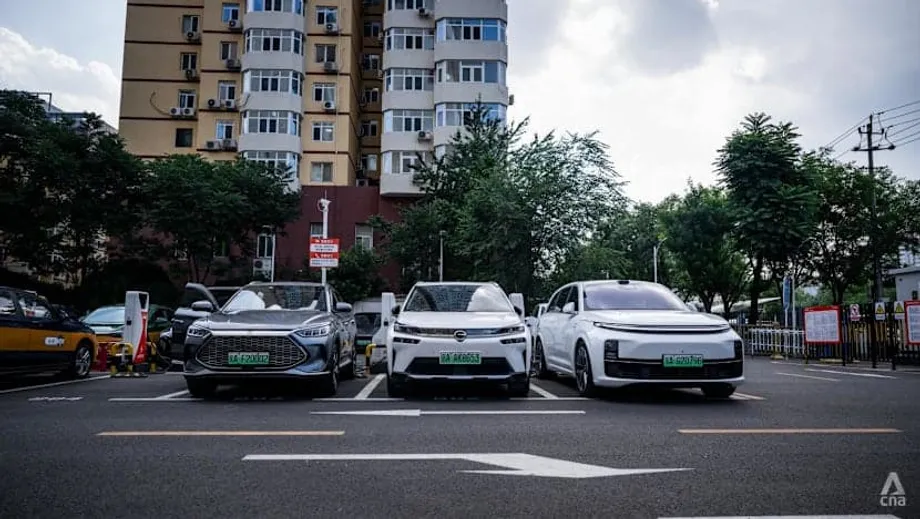
China's quieter streets show up in the numbers
China's monitored noise sources met the applicable limits 95.8 percent of the time during the day and 88.2 percent at night in 2024. Road traffic showed an even stronger improvement over the longer term: daytime compliance rose from 92.6 percent in 2016 to 99.4 percent in 2024, while nighttime compliance increased from 50.5 percent to 76.3 percent.
Contents
- China's quieter streets show up in the numbers
- Why electric cars sound different in city traffic
- Quiet vehicles still need to be heard
- Shenzhen's buses and taxis led a larger fleet shift
- Fewer building sites mean fewer sudden disturbances
- Road surfaces, barriers and enforcement work together
- Less noise can mean better sleep and health
- Music and neighbors now dominate complaints
- Keeping cities quiet requires more than electric cars
- Key Points
Those changes amount to gains of 6.8 percentage points during the day and 25.8 percentage points at night. They help explain a change residents describe in everyday terms: sleeping without the growl of engines or rumble of heavy trucks, hearing buses pull away with a soft whir, and finding early mornings on residential streets less intrusive.
China's quieter urban soundscape has developed over years through a combination of electric transport, slower construction and tighter noise controls. The country has the world's largest fleet of electric vehicles. Its building boom cooled after the property market shock in 2021. City governments also invested in quieter road surfaces, sound barriers, restrictions on honking and enforcement against disruptive activity.
Shenzhen and Shanghai, cities with high electric vehicle penetration, also record leading noise compliance rates. Their experience fits a broader pattern in which changes to vehicles, streets and building activity are reshaping what people hear outside their homes.
The improvement reaches beyond comfort. Traffic noise can interrupt sleep, increase stress and affect health. Yet quieter engines do not settle every problem. Tires remain noisy at higher speeds, construction can return, and music or shouting becomes more noticeable when the background hum of traffic fades.
Why electric cars sound different in city traffic
Electric vehicles deliver their clearest noise advantage on streets where drivers move slowly, stop frequently and accelerate away from junctions. A conventional car produces combustion pulses, engine vibration and exhaust noise. An electric motor has fewer moving parts and produces much less mechanical sound at low speed.
Studies find that introducing electric vehicles into dense traffic moving at modest city speeds can reduce average environmental noise by about 1 to 5 dBA. The unit dBA measures sound with an adjustment for how human hearing responds to different frequencies. The reduction is particularly relevant to the repeated starts and stops that shape daily travel through busy neighborhoods.
Drivers of electric cars also tend to accelerate and brake more smoothly. Regenerative braking, which recovers energy as a vehicle slows, and calmer cabin acoustics encourage gentler driving. Smoother movement reduces the sharp bursts of noise that interrupt conversations or disturb sleep.
Above roughly 50 kilometers per hour, the balance changes. Tires rolling over the road and air moving around the vehicle become the main sources of sound, reducing the advantage of an electric motor. Ring roads and expressways running through cities therefore need measures such as speed management, quieter pavement and barriers, even as more vehicles switch to electricity.
Vehicle and tire manufacturers are adjusting products to reduce rolling noise. The regional tire market is investing in tread patterns and compounds that reduce vibration and road roar while maintaining grip and efficiency. This matters especially for electric cars, which are often heavier and can transmit more tire noise to the road surface when their tires are not optimized.
Quiet vehicles still need to be heard
Pedestrians and cyclists face a safety concern when a vehicle approaches with little engine noise. Regulators in many markets require or guide the use of external warning sounds at very low speeds, allowing people nearby to hear an electric vehicle approaching.
China has issued standards covering the design and testing of these acoustic alerts. The sounds are typically modest and operate only at low speed or when the vehicle reverses. Their purpose is to make a quiet vehicle detectable during movements where other road users may be close.
Researchers are still assessing how these warning sounds combine across a city. The alerts use a narrow range of frequencies and run at low volumes, so their effect on noise levels across wider areas appears limited. Vehicle safety and quieter neighborhoods both depend on how those sounds are designed and used.
Shenzhen's buses and taxis led a larger fleet shift
Shenzhen converted its entire fleet of roughly 16,000 buses to electric power in 2017. The following year, it moved all 22,000 taxis to electricity. These changes removed engine noise from vehicles that spend much of their working day stopping, starting and passing through populated streets.
Local transport authorities reported annual environmental benefits from the conversions, including cuts of about 440,000 tons of carbon dioxide, savings of around 160 million liters of fuel and lower discharge of oil wastewater. Residents also experienced an immediate change in sound: conversations at bus stops faced less competition from engine growl, and taxis passing late at night caused less disturbance.
Heavy vehicles can dominate the sound of an entire block. A diesel bus accelerating from a stop or a loaded refuse truck creates much more noticeable noise than many smaller vehicles. Electrifying these fleets can therefore make a particularly large difference near homes, hospitals and schools.
China's shift now extends beyond passenger transport. In 2024, new energy models accounted for close to one in ten heavy duty truck sales, and the vast majority of those vehicles were powered by batteries. Battery swapping has spread in logistics hubs where operators need quick turnarounds.
City bus fleets in many large urban centers are nearly fully electric. Electric sanitation trucks, street sweepers and postal vans are also common on morning shifts. Each heavy vehicle that changes to electric power reduces acceleration noise, gear change clatter and the sound of an engine idling, making routine services less intrusive.
The major developments unfolded over several years:
- 2016: Road noise compliance stood at 92.6 percent during the day and 50.5 percent at night.
- 2017: Shenzhen completed the conversion of roughly 16,000 buses to electric power.
- 2018: Shenzhen moved all 22,000 taxis to electric power.
- 2021: The property market shock preceded a sharp slowdown in building activity.
- 2024: Road noise compliance reached 99.4 percent during the day and 76.3 percent at night, while new energy models approached one in ten heavy duty truck sales.
Fewer building sites mean fewer sudden disturbances
China's rapid urban expansion brought pile driving, concrete pumps, rebar cutting and large numbers of diesel engines into daily neighborhood life. After the property market crisis in 2021, construction slowed sharply. Fewer active sites reduced the repeated bursts of noise that had accompanied the building of new skylines.
Construction has a strong effect on nearby residents because its loudest sounds are often short and intense. A jackhammer or pile driver can interrupt a quiet period even when the average noise level for the day is relatively low. Across major cities, fewer operating sites have meant fewer nighttime complaints and fewer loud peaks during hours when residents expect quiet.
Cities already limit the loudest work to designated daytime windows. When the number of cranes, pile drivers and jackhammers falls, neighborhoods can experience quieter evenings and early mornings alongside the changes in traffic noise.
Longer project cycles also matter. Fewer demolitions and less road digging reduce unexpected disturbances. For major work that goes ahead, local rules require public notices, time windows for the noisiest tasks and plans to limit noise. Reduced building activity and tighter scheduling together help explain why nighttime compliance improved faster than daytime compliance.
Road surfaces, barriers and enforcement work together
China laid roughly 32 million square meters of noise reducing road surfaces and installed about 833,000 meters of sound barriers in 2024. These investments address the sounds that remain even when vehicles have quiet motors, especially the hiss and roar produced by tires.
Porous asphalt and rubber modified road mixes absorb some of the sound energy that would otherwise spread outward. Barriers beside ring roads and elevated corridors shield nearby neighborhoods from heavy traffic. When their location and height suit the surroundings, these measures can reduce sound at nearby homes and schools by several decibels.
City governments also manage how vehicles behave. Many have mapped quiet zones and introduced no honking rules around sensitive places such as schools and hospitals. Restrictions keep heavy trucks out of central districts, particularly during peak hours and at night, reducing the low frequency rumble that can travel over long distances.
Parks and public squares now use noise monitoring devices that flag disruptive activity to local officials. Tracking conditions in real time helps enforcement focus on places where residents face the greatest disturbance, rather than relying solely on general restrictions.
Nightlife venues face tighter action when they breach noise limits. Authorities have relocated or closed establishments that repeatedly project music into the street. In some provinces, karaoke venues can face fines when patrons' singing is audible outside. These measures address a growing share of complaints involving sounds other than traffic.
Less noise can mean better sleep and health
Traffic noise affects more than how pleasant a street feels. It disrupts sleep, raises stress hormones and has been linked with hypertension and heart disease. The World Health Organization advises keeping average nighttime noise in bedrooms below 40 dB to protect sleep.
Sudden peaks matter alongside average levels. A short blast of sound can trigger an awakening and fragment sleep, even if the disturbance quickly ends. Quieter buses pulling away, smoother acceleration by electric freight vehicles and fewer bursts from construction all reduce the repeated interruptions residents encounter.
Decibels use a logarithmic scale rather than a simple, evenly spaced one. A reduction of 3 dB halves the sound energy reaching the listener. This helps explain why a neighborhood reduction of 1 to 5 dB can be meaningful even though the numerical change looks small.
Across busy urban corridors, those reductions shift millions of daily exposures into safer ranges and reduce disruptive peaks. People living next to major roads have particular reason to benefit from quieter vehicles, better road surfaces and barriers.
Students in classrooms near calmer streets can concentrate more easily. Conversations on sidewalks and in shops become clearer, improving everyday social interaction. In Europe, environmental agencies attribute thousands of premature deaths each year to prolonged exposure to road traffic noise. Reducing urban noise therefore brings public health gains alongside cleaner air.
Music and neighbors now dominate complaints
China recorded close to six million noise complaints in 2024. About 71 percent involved social activity, including loud music, shouting and noisy neighbors. As engines become less prominent, these intermittent sounds stand out more sharply against a quieter background.
A lower traffic and construction baseline makes social noise more noticeable and more likely to prompt complaints. The growing prominence of complaints about nightlife and neighbors can reflect that changing balance, even without an increase in the loudness of nightlife itself.
Local governments are responding through enforcement and planning. Alongside closing or relocating bars and clubs that repeatedly exceed limits, officials have tightened licensing conditions and required sound insulation. In parks and squares, monitors allow staff to intervene earlier when activities become disruptive.
Planning can reduce friction between lively districts and nearby homes. Grouping venues that operate late away from dense housing and requiring double glazing at nearby residences can help protect sleep while preserving the public spaces and nightlife that make cities attractive.
Keeping cities quiet requires more than electric cars
Electric mobility continues to expand, and heavy fleets offer further opportunities to reduce noise. Buses, freight vehicles and sanitation equipment are especially useful targets because their diesel engines can create loud acceleration and idling sounds close to where people live and work.
Urban expressways need a different approach. At higher speeds, tire and wind noise dominate, so managing speeds, extending the use of quiet pavement and encouraging quieter tire designs remain central as traffic volumes grow.
Charging infrastructure can create its own local disturbances. Fast charging hubs use cooling fans and power equipment that may hum more loudly than a parked car. Locating facilities away from bedroom windows, enclosing noisy components and setting time windows for the loudest activities can prevent new noise hotspots.
Construction cycles will eventually pick up again. Rules governing the time of day, notices for communities and modern equipment with better mufflers and vibration control will help limit the return of building noise. Maintaining quiet depends on how work is organized as well as how many sites are operating.
Research in China also shows that electric vehicle noise changes with motion. Acceleration and deceleration affect sound differently from travel at a constant speed. Driver training and traffic signal timing that encourage smoother flows can use that finding to reduce disturbances.
National noise maps and prediction models need parameters specific to electric vehicles so cities can choose the right measures for particular corridors. China's quieter streets have emerged from technology, design, economic change and enforcement working together. Keeping those gains will require continued attention to all four.
Key Points
- In 2024, monitored noise sources met limits 95.8 percent of the time during the day and 88.2 percent at night.
- Road noise compliance rose from 92.6 percent to 99.4 percent during the day between 2016 and 2024, and from 50.5 percent to 76.3 percent at night.
- Electric vehicles offer their strongest noise reductions at low city speeds, with studies finding average reductions of about 1 to 5 dBA.
- Above roughly 50 kilometers per hour, tire and wind noise become dominant, making pavement, barriers and speed management essential.
- Shenzhen electrified roughly 16,000 buses in 2017 and all 22,000 taxis in 2018.
- Slower construction after the 2021 property market shock reduced intense noise bursts, while scheduling rules helped protect quiet hours.
- China installed roughly 32 million square meters of quieter road surfaces and 833,000 meters of sound barriers in 2024.
- About 71 percent of nearly six million noise complaints in 2024 involved social activity, including music, shouting and neighbors.
- Further progress depends on quieter heavy fleets, careful placement of charging hubs, construction controls and noise models suited to electric vehicles.