Bottles and cans face new warning standards
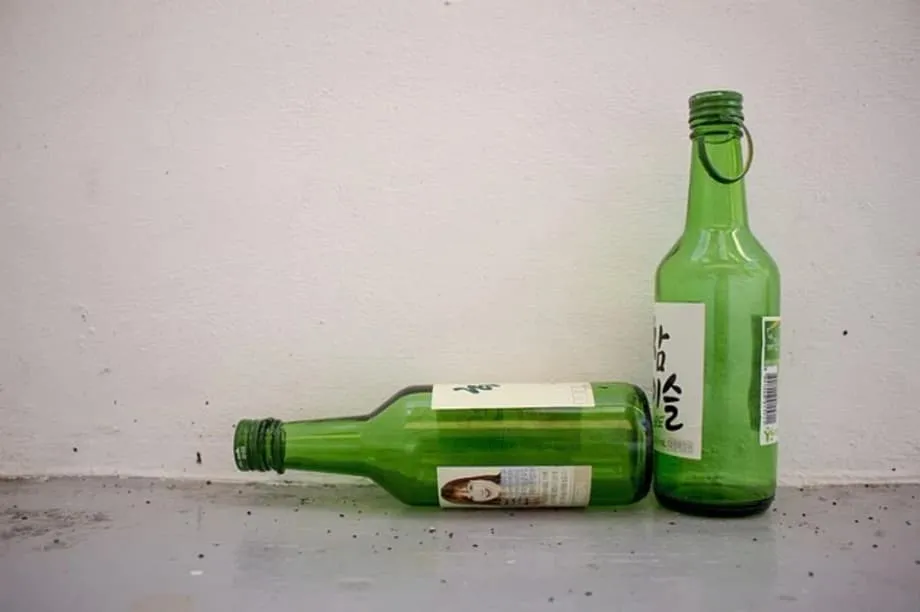
South Korea will require larger health warnings on alcoholic beverage packaging from September 2026, replacing minimum text sizes of 7 and 9 points with a scale ranging from 10 to 18 points. Cans and other containers with designs printed directly onto their surfaces will need warning text another two points larger than the standard for their size.
Contents
- Bottles and cans face new warning standards
- How large must the warnings be?
- Why printing and color matter
- The health risks behind the changes
- Cancer and drunk driving messages follow different rules
- What other countries are changing
- What research says about readable warnings
- Industry objections and the legal framework
- What importers must prepare
- The timetable for manufacturers and shoppers
- Key Points
The Ministry of Health and Welfare has also proposed requiring clear contrast between warnings and their backgrounds. Together, the changes are intended to make health messages easier to notice on shop shelves, at bars and when people drink. Public and expert feedback on the proposed revisions is open until January 13.
The package changes concern both how large warnings appear and how easily people can read them. A message printed in small letters or in a color close to its background can disappear among branding and graphics. The ministry wants consumers to be able to read the warning at a glance.
South Korea already allows manufacturers to choose among approved warning statements, including one linking alcohol to liver cancer. A separate revision to the National Health Promotion Act will add warnings about drunk driving after a grace period of one year following proclamation.
For consumers, the result will be more prominent cautions about alcohol and health. For producers and importers, it means reviewing packaging across different container sizes, printing methods and colors before the September 2026 deadline. The changes leave businesses room to design their own labels while setting a higher minimum standard for readability.
How large must the warnings be?
The revised requirements connect warning size to the amount of drink a container holds. Larger packages will need larger lettering, with four bands covering containers from the smallest bottles and cans to those holding more than a liter.
- Up to and including 300 milliliters: at least 10 point type, approximately 3.53 millimeters.
- 301 to 500 milliliters: at least 12 point type, approximately 4.23 millimeters.
- 501 milliliters to 1 liter: at least 16 point type, approximately 5.6 millimeters.
- More than 1 liter: at least 18 point type, approximately 6.35 millimeters.
Current rules permit 7 point warnings on containers holding less than 300 milliliters and 9 point warnings on those holding 300 milliliters or more. The new system therefore raises the minimum across the range and introduces more size categories.
A container holding exactly 300 milliliters will fall within the new 10 point category, compared with the current 9 point minimum. A bottle holding more than a liter will move from a minimum of 9 points to 18 points, twice the previous point size.
Containers without a separate label face an additional requirement. Their warnings must be two points larger than the normal minimum for their capacity. A beer can holding 300 milliliters, for example, will need warning text of at least 12 points rather than 10 points.
Why printing and color matter
Cans often have words and graphics printed directly onto the metal. Under the revisions, that printing method will require larger warnings so that health information remains visible within the package design. Current standards do not include this extra size requirement.
The color rule addresses another obstacle to reading. Warnings will have to stand out against their backgrounds, including on packages with textured designs or different finishes. Text in a similar shade to the surrounding artwork will need a color adjustment.
Design teams handling several package sizes will need to check each version. A warning that meets the minimum on one bottle may need to be larger on another, while the same capacity may require different lettering depending on whether the message appears on a separate label or directly on the container.
The standards specify minimum sizes rather than a single layout. Producers can retain their branding, provided the warning meets the size and contrast requirements. The preparation period gives manufacturers more than a year to revise artwork and check printing quality before the planned introduction.
The health risks behind the changes
Alcohol is a known carcinogen, meaning a substance that can cause cancer. The World Health Organization classified it as carcinogenic to humans in 1988. More recent health guidance has reinforced that no safe amount of alcohol consumption can be established for cancer risk.
Drinking is linked to cancers of the liver, breast, colon and rectum, esophagus, mouth, throat and larynx. Alcohol also contributes to injuries, liver disease and other chronic conditions that place demands on healthcare systems.
Cancer risk rises as alcohol consumption increases. Clear information about that relationship can help people decide when and how much to drink in line with their health goals and the risks they are willing to accept.
South Korea has a strong drinking culture, with alcohol woven into social occasions and corporate life. Authorities have used public awareness campaigns and enforcement against dangerous behavior to reduce harm. More readable packaging warnings form part of that wider effort, alongside education and healthcare support.
Public understanding remains a concern. Surveys in many countries show that many people do not connect alcohol with cancer and underestimate the harm associated with drinking they consider moderate. A warning on the container reaches people at the moment of purchase or consumption, when the information may prompt a decision or a conversation.
Cancer and drunk driving messages follow different rules
South Korea has included a warning linking alcohol to liver cancer among its approved statements since 2016, a rare feature internationally. Manufacturers can choose from several approved messages, so the cancer statement does not appear on every product.
Other warnings address drinking during pregnancy, risks to the fetus, underage drinking and broader health harms. The larger lettering and contrast standards will make the required messages more visible wherever manufacturers use them.
Lawmakers have separately approved changes to the National Health Promotion Act requiring warnings about drunk driving on alcohol packaging. Those requirements will begin after a grace period of one year following proclamation. Health officials have indicated that the messages could include graphics to communicate the danger more forcefully.
The Korea Road Traffic Authority recorded 1,167 deaths and 122,566 injuries in incidents linked to drunk driving between 2019 and 2023. Those figures show why road safety is being addressed alongside warnings about disease and pregnancy.
The new font standards will apply to required warnings, including drunk driving messages. Final wording and design details sit with the relevant regulations; no calendar date for the drunk driving requirement was given beyond the period following proclamation.
What other countries are changing
Few countries require alcohol packaging to carry cancer warnings. South Korea stands out because its official selection of messages includes liver cancer, although manufacturers have a choice about which approved statement to use.
Ireland is scheduled to introduce broader requirements in 2026. All alcohol sold there will have to carry warnings stating a direct link between drinking and fatal cancers, together with messages about liver disease and risks during pregnancy.
Elsewhere in Europe, governments are reviewing label formats. Norway has considered cancer messages within its highly regulated alcohol market. Thailand has discussed warnings combining images and text.
In the United States, a national advisory has called for updated alcohol labels addressing cancer. Alaska has enacted a requirement for bars and liquor stores to display signs warning about the connection between alcohol and specific cancers.
The United Kingdom is exploring mandatory health warnings and nutrition information for alcoholic drinks in response to the social and medical costs of alcohol. These approaches use different settings, from packaging to retail signs, to put health information where people buy or consume drinks.
The World Health Organization's European office has recommended mandatory labels that are easy to see. Its recent report highlighted low awareness of the alcohol and cancer connection and said QR codes alone cannot replace warnings printed on packaging. In a pilot test cited by the report, fewer than one in 300 shoppers scanned codes to obtain health information.
What research says about readable warnings
Research on alcohol warning labels shows gains in awareness and some evidence of changes in behavior. Labels can increase knowledge of cancer risk and encourage conversations among family members and social groups.
In trials conducted in retail settings, stores placing prominent warnings on products recorded lower alcohol sales than stores without them. Other evaluations have produced mixed results, often where warnings were small, difficult to read or lacked specific health information.
Design helps explain those differences. Larger labels, plain language, messages that change over time and strong icons tend to perform better. South Korea's proposed size and contrast requirements address whether consumers notice a warning and can read its message.
Public health researchers have also questioned vague phrases such as drink responsibly. Such wording gives little information about the harm a person may face. A warning naming cancer or liver disease tells the reader more directly why drinking carries a health risk.
People who learn that alcohol can cause breast or colon cancer often say the connection is new to them. Greater knowledge can affect decisions about drinking and increase support for measures such as marketing limits and policies intended to reduce harmful consumption.
The World Health Organization and national health bodies recommend conspicuous warnings written in plain language and backed by wider education. Packaging gives those messages a place on the product itself, while education provides more room to explain them.
Industry objections and the legal framework
Alcohol producers and trade groups have challenged stronger warnings on grounds including cost, limited design space, free expression and international trade rules. Some disputes have affected whether warnings reached consumers.
In one country, a strong set of alcohol warnings approved in law was later repealed following pressure from domestic and international interests. Elsewhere, a study backed by a government and testing cancer warnings in stores was paused after industry complaints, despite early findings showing greater awareness and signs of lower sales.
Legal analyses by public health scholars conclude that governments have clear authority to require alcohol warnings, as they do for tobacco and food. Courts have recognized the role of labels in informing consumers about health risks.
Rules built around clear public health goals, consistent formats and reasonable preparation periods tend to be durable. South Korea's approach sets a readability floor while allowing businesses to choose their packaging layout.
Producers already update labels for seasonal promotions and sports partnerships, showing that changes to package artwork are technically feasible. The new requirements will nevertheless require planning across product ranges, especially where a business sells the same drink in several sizes or printing formats.
What importers must prepare
Imported alcoholic beverages must carry a label in Korean, usually applied by the importer before customs clearance. The label must include the product name, country of origin, product type, importer name and license number, alcohol content and volume.
Other required information includes a lot number or bottling date, additives when present, storage instructions and a government warning against sale to minors. The package must also carry one of the approved Korean health warning statements. Some product categories may require a radio frequency identification tag.
Importers will need to check that health warnings meet the new size requirement for each container. Packages with printing directly on the surface will need the extra two points, while colors must provide enough contrast for the warning to stand out.
Customs and food safety procedures will continue. Importers must submit invoices, shipping documents, ingredient lists with percentages and other required paperwork to the Korea Customs Service and the Ministry of Food and Drug Safety. Products being imported for the first time may undergo chemical safety testing.
Businesses selling several formats will likely need templates that scale warning text correctly and preserve contrast. Retailers should expect redesigned packaging to enter the market during a transition as older stock phases out and producers meet the new standards.
The timetable for manufacturers and shoppers
The Ministry of Health and Welfare will collect public and expert comments until January 13, review the feedback and settle the final regulatory language. The larger warning standards are scheduled to take effect in September 2026.
Several dates and periods shape the changes:
- 1988: The World Health Organization classified alcohol as carcinogenic to humans.
- 2016: South Korea's approved warning statements began including a message linking alcohol to liver cancer.
- 2019 to 2023: Incidents linked to drunk driving killed 1,167 people and injured 122,566, according to the Korea Road Traffic Authority.
- January 13: The ministry's consultation on the proposed label revisions closes.
- September 2026: The larger warning standards are scheduled to begin.
- One year after proclamation: The separate requirement for drunk driving warnings will take effect.
Producers and importers need to plan artwork changes, check color contrast and test whether warnings print cleanly. Curved surfaces and different lighting conditions can affect readability, making quality checks part of preparing the new packaging.
Consumers may see revised bottles and cans before the deadline as larger producers use up older inventories and change production. Smaller businesses may switch closer to the effective date, depending on their schedules.
Shoppers and diners can expect larger warnings throughout the range of containers, with still larger text on cans and other packages without separate labels. Messages will continue to cover pregnancy, underage drinking and health harms, with cancer warnings appearing where manufacturers choose that approved statement and drunk driving messages following their separate legal timetable.
Key Points
- South Korea plans larger alcohol health warnings from September 2026, with minimum sizes of 10, 12, 16 and 18 points depending on container capacity.
- Containers without separate labels must use warning text two points larger than the standard for their size.
- Warnings must contrast clearly with their backgrounds, replacing current minimum sizes of 7 and 9 points.
- Public and expert comments on the proposed revisions are being accepted until January 13.
- An approved liver cancer warning has been available since 2016, but manufacturers can choose among several statements.
- Separate legislation requires drunk driving warnings after a grace period of one year following proclamation.
- Importers must retain required Korean labeling and customs procedures while preparing for the new readability standards.
- Research links prominent, specific warnings with greater health awareness and, in some retail trials, lower alcohol sales.