Affordable layers draw crowds as mornings cool to 22°C
Morning temperatures around 22°C have sent shoppers across Buriram searching for secondhand winter clothing, with basic jackets selling from 35 baht and light shirts, scarves and base layers available for as little as 20 baht. As of November 20, 2025, the season's first real chill has brought crowds to markets in the city and surrounding districts, giving clothing vendors a welcome rise in business.
Contents
- Affordable layers draw crowds as mornings cool to 22°C
- A vendor's daily sales rise to 2,000 to 3,000 baht
- Cleaning and condition matter alongside price
- Why a morning near 22°C can feel chilly
- Continental air brings the Northeast's cooler mornings
- Secondhand stalls respond quickly to changing needs
- What shoppers check before buying
- Schools, commuters and households adjust their routines
- Key Points
Students preparing for assemblies before class, factory employees heading to early shifts and office workers travelling by motorbike are looking for clothes that keep out the morning breeze. New winter garments cost more than many households can spare, making used sweaters, hoodies and jackets a practical choice for families watching their spending.
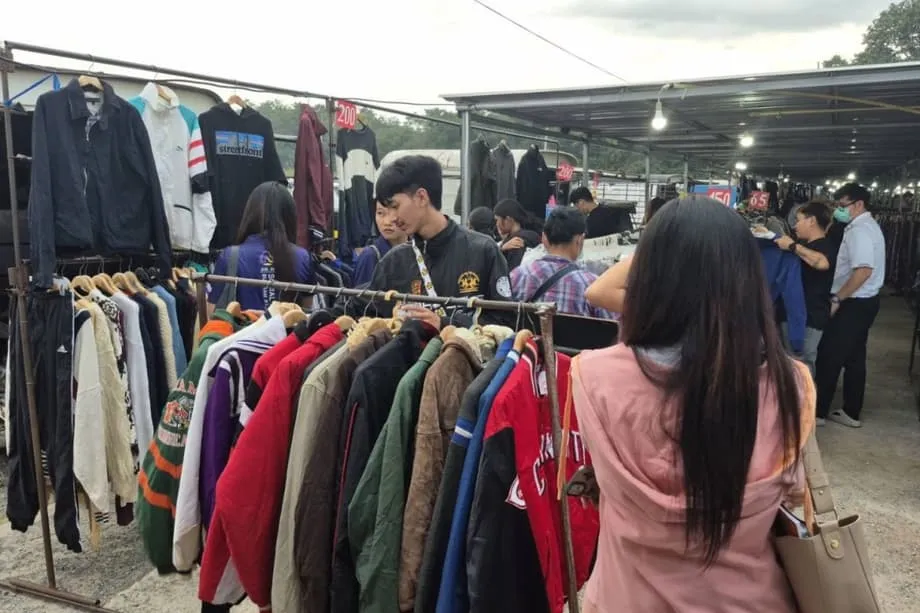
Inside Buriram Municipality, shoppers have been moving through long market aisles and night bazaars, comparing fabrics and sizes under bright fluorescent lights. Some search through piles of clothing, checking linings and testing zippers. Vendors help them sort through pieces according to fit and warmth, keeping the atmosphere busy but friendly.
Thicker coats and clothing from recognizable labels in good condition generally cost between 100 and 250 baht. Those prices appeal to parents buying for children, young people earning modest salaries and retirees living on fixed incomes. Buyers are looking for enough warmth to manage chilly dawns and breezy journeys home at night without putting too much pressure on their budgets.
Several sellers have extended their opening hours and brought stored clothing forward to meet demand. Winter garments now occupy the front rows, while lighter clothing has moved farther back. As boxes empty, vendors replenish racks, keeping a changing selection ready for people arriving after work or before another cool morning.
A vendor's daily sales rise to 2,000 to 3,000 baht
Yodthong, a vendor aged 51 who runs a secondhand clothing stall, adjusts his inventory with the weather. He said sales over the past few days had exceeded those of recent months as customers sought quick, inexpensive protection from the chill.
Yodthong described the increase in his daily takings compared with quieter days during the rainy season:
My daily sales have jumped to 2,000 or 3,000 baht. During the rainy season we were barely hitting 1,000 baht on quiet days.
Using 1,000 baht as the comparison, his current daily sales are about two to three times that amount. The change shows how quickly a spell of cooler weather can turn demand for warm clothing into stronger business for a stall that keeps suitable stock ready.
Yodthong said sales could climb further if cold conditions continued. During severe cool seasons in past years, his daily takings reached several thousand baht more than usual. For now, forecasts calling for continued cool mornings have encouraged sellers to keep winter clothing within easy reach.
Stock management has become a daily job. Vendors bring in fresh bundles, steam or press promising pieces and group heavier coats for customers who ride motorbikes or work outdoors. Utility tables carry gloves, beanies and scarves alongside jackets that reach the waist and longer coats, allowing customers to look for several kinds of protection in one place.
Cleaning and condition matter alongside price
Vendors say they launder and sanitize winter clothing before putting it on display. Many sort garments by size and material, separating wool blends from synthetic fabrics and discarding items with defects that cannot be repaired. Their aim is to offer clothes that customers can wear the same day.
Buyers still often prefer to wash purchases again at home for peace of mind. Low prices attract attention, but the condition of a garment helps determine whether it will be useful through the cool spell and afterward.
Shoppers looking through the stacks examine the lining, try fasteners and compare sizes. A jacket that fits comfortably and has a working zipper can be more useful for a morning journey than a heavier item with a damaged closure. Vendors help customers navigate those choices by grouping clothing according to warmth and fit.
Why a morning near 22°C can feel chilly
Buriram residents are accustomed to months of heat and humidity, so a drop to around 22°C can feel pronounced even though visitors from colder climates may regard it as mild. The body adapts to the temperatures it regularly experiences. When the air becomes several degrees cooler and breezes strengthen, people can feel chilled more quickly.
Many homes in Buriram are designed to allow air to circulate. Thin walls, tiled floors and wide vents help release heat in April, but those same features allow cool air to settle in bedrooms before dawn. Residents can therefore feel the change indoors as well as on the street.
Motorbike journeys add to the discomfort because moving air carries warmth away from hands and ears. Office workers, factory employees and others leaving home early may need an extra layer for the ride even if they expect a warmer afternoon.
Buriram's position on the lower Khorat Plateau also shapes the daily routine. Rice fields, villages and small towns surround the city, and field work often begins before sunrise. Workers, students and market vendors are outside during the coolest hours, making a sweater or fleece jacket useful for the first part of the day.
Light layers suit that pattern. People can put them on before leaving home and remove them by midmorning as sunshine returns. The need is often for a few hours of comfort rather than a heavy coat worn throughout the day.
Continental air brings the Northeast's cooler mornings
Cool, dry air from high pressure systems over continental Asia reaches upper Thailand at intervals in late November and December. A high pressure system is an area of air pressure that can send cooler air outward into surrounding regions. These surges bring crisp mornings to the Northeast and can briefly lower daytime temperatures.
A fresh push of continental air can take morning readings in parts of Buriram into the low twenties or the high teens, particularly outside urban areas. That helps explain why sellers and shoppers respond quickly when the first cool spell arrives, ahead of another possible drop in morning temperatures.
Buriram's clothing demand follows this daily rhythm. Students need warmth for assemblies before class, outdoor workers need it before sunrise, and commuters need it while travelling. As the sun warms the day, many can shed the extra layer rather than continue wearing a thick coat.
Forecasters expect the cool pattern to continue in the short term, with chilly mornings followed by warmer afternoons. No specific end date for the spell was given. Another arrival of continental air could lower early readings again, while easing winds and hazier skies could allow mornings to become milder.
Secondhand stalls respond quickly to changing needs
Secondhand sellers can rearrange their displays in a single afternoon when cooler weather arrives. They move winter garments to the front and adjust prices to match demand, giving shoppers access to clothing suited to conditions they are already experiencing.
A family can buy sweaters and a jacket each for two children for less than the cost of a single new coat at a mall store. For households counting every baht, that makes the market a useful place to meet several needs at once.
Selection changes from day to day as stock arrives and customers take pieces home. That encourages repeat visits from shoppers hoping to find a suitable size, a warmer fabric or a garment in better condition. The changing racks also let vendors respond to demand without keeping the same display throughout the season.
Parents, retirees and young workers share a practical priority: clothing that provides enough warmth at an affordable price. The range from light items at 20 baht to thicker coats at 100 to 250 baht gives them different options according to their needs and available money.
What shoppers check before buying
Buriram shoppers have shared several habits for finding durable clothing and making a small budget go further. Their checks focus on the parts most likely to affect everyday use, including seams, closures, lining and fit.
- Inspect seams, cuffs and hemlines for fraying or loose threads.
- Test zippers and snaps several times, looking for missing teeth or broken sliders.
- Check that linings and pockets are intact and clean.
- Hold garments up to the light to spot stains or thinning fabric.
- Ask how clothing was cleaned and consider washing it or drying it in the sun again at home.
- Check the fit, since sizes on labels vary by brand and country of origin.
These checks help customers select clothing that can last beyond a few chilly mornings. They also support the same practical approach visible across the markets: comparing condition and usefulness alongside the price tag.
Schools, commuters and households adjust their routines
Public schools have reported children arriving with sweaters over their uniforms. Schools have also shortened outdoor assemblies and reminded pupils to bring light outerwear that they can remove as temperatures rise later in the day.
Office staff and shop employees favour thin cardigans or fleece tops during the first hours of work. Motorbike commuters, delivery riders and market workers have added inexpensive knit caps, scarves and simple gloves to their clothing, protecting areas that feel the breeze during early journeys or outdoor shifts.
Doctors generally advise wearing layers, staying dry and limiting long exposure to wind when temperatures fall. For older adults and young children, socks, an extra blanket and a warm drink before bed can help provide comfort during cooler nights.
Residents also need care around indoor heat sources. Charcoal braziers and gas stoves can produce dangerous fumes, making good ventilation vital. Riders can use a light mask or scarf to warm and filter the air they breathe, helping reduce throat irritation on cold mornings.
Vendors are preparing for both a further temperature drop and a return to milder weather. Winter clothing is already on display, with blankets and thicker coats within reach if mornings become colder. Lighter garments remain boxed nearby so stalls can change their stock quickly once warmer conditions return.
The immediate demand is for affordable clothing that fits the day: warm enough for the first hours, practical for work or school, and easy to remove when the sun returns. Buriram's secondhand markets are meeting that demand with low prices and displays that can change as quickly as the weather.
Key Points
- Morning temperatures around 22°C have increased demand for secondhand winter clothing across Buriram.
- Light shirts, scarves and base layers can cost 20 baht, basic jackets start at 35 baht, and thicker coats or recognizable labels in good condition generally cost 100 to 250 baht.
- Vendor Yodthong, 51, reported daily sales of 2,000 to 3,000 baht, compared with barely 1,000 baht on quiet rainy season days.
- Sellers have extended hours, replenished racks and moved winter clothing to the front of their stalls.
- Vendors say garments are laundered and sanitized before display; buyers often wash them again at home.
- Cool continental air can bring morning temperatures into the low twenties or high teens, especially outside urban areas.
- Schools, commuters and outdoor workers are using extra layers, while sellers keep thicker clothing and lighter stock ready for changing conditions.