Four online articles lead to a prosecution in Bangkok
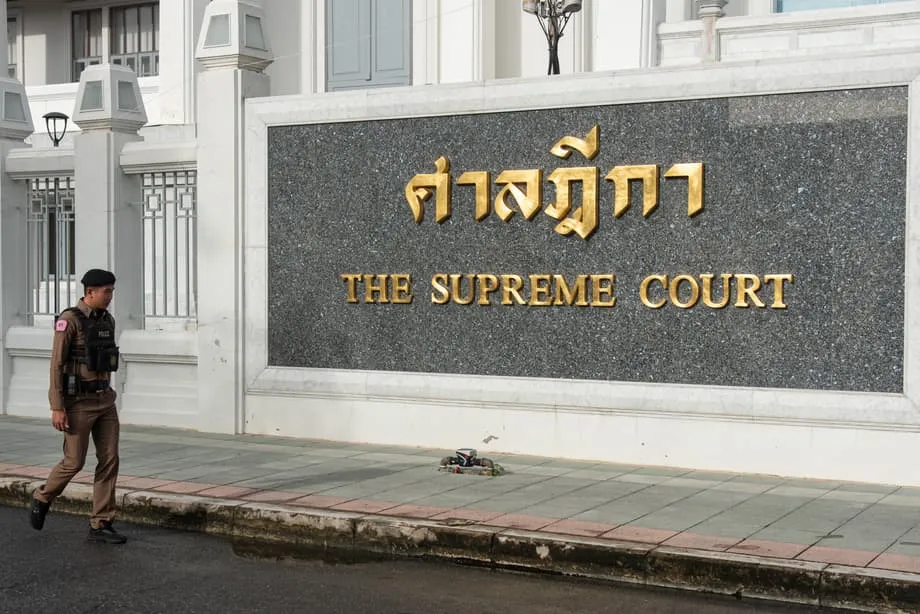
Australian journalist and former academic Murray Hunter faces a criminal defamation trial in Bangkok over four articles published in April 2024 about the Malaysian Communications and Multimedia Commission (MCMC). Thai authorities indicted him in mid November 2025, following a complaint filed in Thailand by a representative of the Malaysian regulator. His trial is scheduled for late December.
Contents
- Four online articles lead to a prosecution in Bangkok
- An airport arrest and restrictions on travel
- What Hunter alleged about the MCMC
- How the Malaysian regulator responds
- Why the complaint is being pursued in Thailand
- What the Thai proceedings mean for Hunter
- From publication to the December trial
- Key Points
Hunter faces a maximum of two years in prison or a fine of up to 200,000 baht, about 9,500 Australian dollars, if convicted. The prosecution concerns allegations in his self published Substack articles that the regulator abused its power, censored critics and operated under a conflict of interest. The MCMC rejects those allegations.
The case has drawn strong reactions from press freedom groups and legal advocates because it crosses national borders: an Australian writer living in Thailand is being prosecuted there over criticism of a Malaysian public institution. Thai authorities proceeded on the basis that people in Thailand could access the articles and that the writing could influence their views of the regulator.
As of November 20, Hunter remains under travel restrictions in Bangkok after his passport was seized. He says the proceedings have upended his life, but maintains that his articles were grounded in reporting on matters of public interest and that he intends to continue defending his work.
An airport arrest and restrictions on travel
Thai authorities detained Hunter on September 29 at Bangkok's Suvarnabhumi Airport as he attempted to fly to Hong Kong. He spent the night in custody before being released on bail of 20,000 baht, about 600 US dollars.
Hunter's passport was seized, leaving him unable to travel while preparing for the December trial. A longtime resident of southern Thailand, he lives in Hat Yai, but remains under travel restrictions in Bangkok.
The arrest brought a complaint about online writing into Hunter's daily life. Alongside the possibility of imprisonment or a fine, he now faces the immediate limits imposed by the seizure of his passport and the need to prepare his defence in Thailand.
What Hunter alleged about the MCMC
Hunter is a writer, blogger and former academic who has contributed to international outlets and built a following through his Substack newsletter. In April 2024, he published four articles examining the conduct of Malaysia's internet and communications regulator.
The articles alleged that the MCMC was blocking websites and platforms critical of the Malaysian government. Hunter accused the commission of overreach and politicization, arguing that its actions could discourage debate on matters of public interest.
Hunter also alleged that the regulator's leadership had conflicts of interest that undermined public trust, including a conflict involving its chair. A conflict of interest means that someone's other interests or responsibilities could interfere with the duties they are expected to carry out.
Hunter stands by his reporting. He argues that the public has a right to scrutinize powerful institutions and examine the effect of restrictions on online information inside Malaysia. His defence of the articles centres on their value as reporting about the exercise of public power.
How the Malaysian regulator responds
The MCMC has repeatedly said that it acts within the law and rejects allegations that it censors information for political reasons. It also rejects Hunter's descriptions of its conduct and the alleged conflicts of interest.
The regulator says it supports expression, while expecting criticism to be grounded in facts and remain within legal boundaries. Malaysian authorities have previously said that individuals are free to express opinions, but that this freedom must be exercised responsibly and within the law.
Hunter and the regulator therefore disagree both about the commission's conduct and about the basis for his criticism. Hunter presents the articles as scrutiny of an institution whose decisions affect public debate. The MCMC maintains that its work is lawful and that criticism must meet factual and legal standards.
Why the complaint is being pursued in Thailand
A representative of the MCMC filed the defamation complaint in Thailand after Hunter's posts circulated online. Thai police and prosecutors proceeded on the premise that the articles were accessible inside Thailand and could influence readers there.
Thai Lawyers for Human Rights, which is assisting Hunter, says authorities argued that the posts could lead the public in Thailand to believe the Malaysian regulator operated unlawfully, lacked credibility, abused its power and was hostile to democratic governance.
Thailand treats defamation as a criminal offence that can be pursued through a complaint. In simple terms, the allegation is that a publication harmed someone's reputation, with criminal penalties available if the court finds the offence proved. Prosecutors can proceed if they consider a case to be in the public interest or if the alleged harm occurs inside Thailand, including through online publication.
The location of the readers is central to the prosecution's explanation for bringing the case in Thailand. Although Hunter wrote about a Malaysian institution, authorities say the articles could affect how that institution was viewed by people accessing them in Thailand.
What the Thai proceedings mean for Hunter
Thai criminal defamation charges are governed by the Criminal Code. They have long been used against journalists, activists, businesspeople and ordinary citizens, making the law relevant to a wide range of people who publish or express criticism.
Trials can last years, acquittals are not guaranteed even when evidence is contested, and judges rarely dismiss complaints at an early stage. For Hunter, the indictment means preparing to contest the allegations while living with restrictions on his movement.
The court's acceptance of this complaint marks an unusual application of Thai law to online writing posted from Thailand about a foreign public body. The case brings together the location of the writer, the accessibility of his articles and the reputation of an institution in another country.
Hunter says he is determined to continue defending his work against what he views as an attempt to silence criticism. His stated position remains that the articles addressed matters the public was entitled to examine.
From publication to the December trial
The proceedings follow a sequence stretching from the publication of Hunter's articles in April 2024 to his indictment in November 2025. The next scheduled step is a trial in late December; no exact trial date was given.
- April 2024: Hunter publishes four Substack articles alleging abuse of power, censorship and conflicts of interest at the MCMC.
- September 29, 2025: Authorities detain him at Suvarnabhumi Airport while he is attempting to fly to Hong Kong. He spends the night in custody and is released on 20,000 baht bail.
- Mid November 2025: Thai authorities indict Hunter on a criminal defamation charge.
- November 20, 2025: Hunter remains under travel restrictions in Bangkok with his passport seized.
- Late December 2025: His trial is scheduled to begin.
The December proceedings will address a Thai criminal charge arising from criticism of Malaysia's regulator. Hunter continues to stand by the reporting, while the MCMC continues to reject his allegations and defend the lawfulness of its actions.
Key Points
- Australian journalist and former academic Murray Hunter faces a criminal defamation trial in Bangkok following a complaint by a representative of Malaysia's MCMC.
- The charge concerns four Substack articles published in April 2024 alleging censorship, abuse of power and conflicts of interest. The regulator rejects the allegations.
- Hunter was arrested on September 29, spent a night in custody and was released on 20,000 baht bail. His passport was seized.
- Thai authorities base the prosecution on the articles being accessible in Thailand and their potential effect on readers there.
- The trial is scheduled for late December. Hunter faces up to two years in prison or a fine of up to 200,000 baht if convicted.