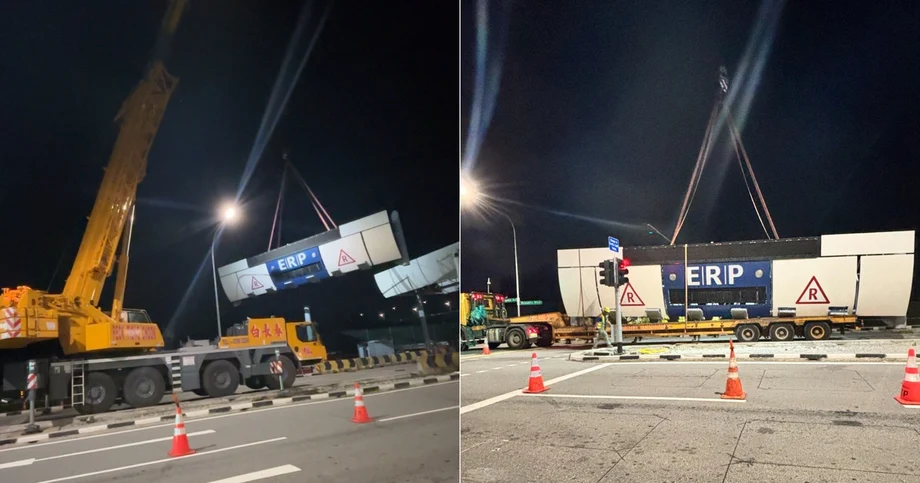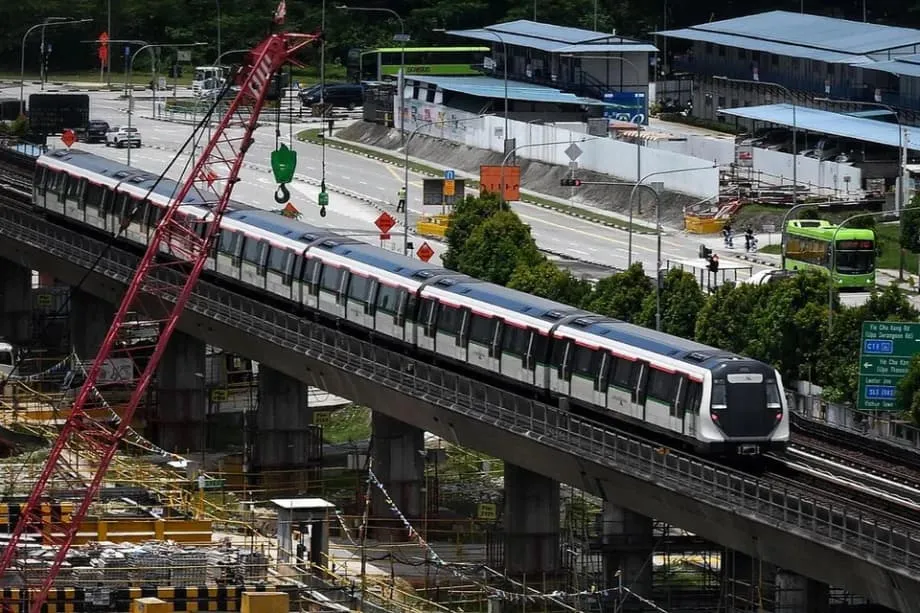
More time for repairs, longer journeys for commuters
Singapore plans to schedule more closures of MRT lines over longer periods so engineers can complete major maintenance and upgrades faster and with greater safety margins. An early example will be a 10 day stoppage on two sections of the East West Line, from November 29 to December 8, 2025: Bedok to Tampines, and Tanah Merah to Expo.
Contents
- More time for repairs, longer journeys for commuters
- Why two hours of engineering time is too little
- Where the East West Line will close
- How the maintenance approach has developed
- What the international panel recommends
- Why older equipment complicates monitoring
- Detecting overheating before it causes trouble
- Robots and automation support technicians
- Who will maintain the growing railway?
- How commuters can prepare for closures
- Why a continuous shutdown can finish work faster
- At a Glance
Acting Transport Minister Jeffrey Siow outlined the approach at the International Metro Operators Summit in Singapore, addressing more than 700 rail specialists. His message was that an ageing, increasingly busy network needs more time for repairs than the short break between the last train at night and the first train the next morning can provide.
Operators have roughly 3.5 hours overnight to bring equipment onto the tracks, perform maintenance and clear everything before passenger services resume. Moving heavy equipment into place and taking it away reduces the actual engineering time to an average of about two hours. That leaves little room for complicated upgrades alongside routine inspections and housekeeping.
The coming East West Line closure will support major track and systems work, including connections to the new East Coast Integrated Depot, which will consolidate maintenance for multiple lines. Alternative transport arrangements will help passengers get around, although journeys through the affected areas will take longer.
Mr Siow asked for public understanding of the disruption. The aim is to give maintenance teams continuous access to tracks and equipment, allowing them to finish critical tasks in one sustained period instead of repeatedly stopping and restarting. Once the work is complete, the intended benefit is a more reliable ride.
Why two hours of engineering time is too little
Singapore's overnight maintenance window must accommodate much more than the repair itself. Crews need to move machinery into position, isolate the power supply, establish safety protection and conduct briefings before work can begin. Before morning services, they must reverse the process and return the railway to a condition suitable for carrying passengers.
Daily readiness work, such as inspections and housekeeping, already takes up much of the roughly two hours available for engineering. Replacing long stretches of rail, installing new cables or connecting complex systems requires more time, especially when engineers must test the completed work from end to end.
Mr Siow told the summit that parts of the ageing network must be renewed while maintaining safety and service quality. Small extensions to engineering hours are no longer enough for jobs requiring continuous access. He described the reason for the change:
Longer scheduled closures are needed to enable faster and safer repair works.
Early closures and late openings have helped previous renewal programmes, but they add only limited amounts of working time. A longer shutdown allows heavy machinery, engineering teams and test trains to remain on the affected section without the same nightly deadline.
A modern MRT combines the demands of a house, a car and a computer. Tracks, tunnels and the power supply are like the house; trains and their mechanical parts are like the car; signalling, communications and fleet monitoring are like the computer. Each part must work properly and work with the others. Extended closures give engineers time to assemble upgrades and test them across the line before passengers return.
Where the East West Line will close
The November 29 to December 8 stoppage will affect two segments at the eastern end of the East West Line. There will be no train service between Bedok and Tampines, or between Tanah Merah and Expo. These corridors are among the busiest during peak travel hours.
The work includes preparing connections to the East Coast Integrated Depot and renewing assets approaching the middle of their service life. With continuous access, crews can install equipment, verify its operation and correct problems without having to stop each morning for passenger trains.
Connecting a depot involves several linked jobs: joining its tracks to the railway, changing power systems, and checking signalling and communications. Engineers need to test these parts together with the rest of the line. That is easier when the affected tracks are not carrying passengers.
The Land Transport Authority (LTA) and rail operators will provide replacement travel options. Arrangements during such closures typically include buses linking affected stations and modified train shuttles where the track layout allows. Exact routes and service intervals for this stoppage were not specified in the announcement described here.
Passengers should expect longer journeys in the east, particularly during weekday peaks. Station notices and operator apps will provide routing information and updates. Previous adjustments on the North South and East West lines used shuttle buses and short train shuttles to maintain important connections while crews renewed power and track equipment.
How the maintenance approach has developed
Singapore has already used shorter changes to operating hours to create more space for engineering. The new approach builds on that experience by allowing longer, uninterrupted periods for demanding work.
The main events described in the maintenance and reliability programme span several years:
- In 2018, selected East West and North South Line stations closed earlier on weekends for power cable replacement, renewal of bearings on viaducts and tunnel work.
- In 2019, early closures and late openings on parts of the North South Line supported installation of new 22 kV power cables and bearing replacement.
- In mid 2024, a series of delays across the network prompted the convening of an international advisory panel to support the rail reliability task force.
- In September 2024, a major East West Line disruption exposed a gap in identifying a train after a sensor detected a high temperature.
- From November 29 to December 8, 2025, the two eastern East West Line segments will close for track and systems work.
What the international panel recommends
An independent international advisory panel has backed longer planned shutdowns as part of its work supporting Singapore's rail reliability task force. The panel is reviewing asset renewal, technology adoption and communication during incidents.
Tony Lee, a veteran rail executive speaking for the panel of five members, set out its recommendation for giving maintenance teams longer access to sections of the network:
Carry out longer planned shutdowns of segments of the rail network so that critical maintenance and renewal works can be done safely and efficiently.
The panel's advice also reflects the need to plan carefully across systems that depend on one another. A track change, for example, must be checked alongside the equipment that supplies power, directs trains and supports communication. Completing the physical work is one part of the task; testing the connected railway is another.
The panel also urged greater use of predictive maintenance through comprehensive condition monitoring. This means watching how equipment behaves and looking for patterns of wear so that engineers can replace parts before they fail, rather than waiting for a breakdown.
The task force is exploring digital twins, artificial intelligence and automation to help identify problems earlier. A digital twin is a computer representation of a physical system that can help teams examine its condition and behaviour. These tools support the same goal as longer engineering windows: finding faults sooner and giving technicians time to deal with them.
Incident communication is another focus. The panel recommended tailoring messages for three groups: passengers already aboard trains, people waiting in stations, and people outside the network deciding whether to travel. Each group needs information suited to its immediate situation.
Why older equipment complicates monitoring
Older trains and substations were designed before inexpensive sensors and immediate access to operating data became common. Adding modern monitoring equipment to those systems can be difficult and costly. The challenge is to bring new tools into a railway that must continue serving passengers.
Operators are introducing robotic platforms for inspections beside the tracks and more automation inside depots. These can make inspections quicker and reduce workers' exposure to risk. Some maintenance still requires skilled technicians to work in confined spaces, often at night.
Predictive maintenance depends on useful information reaching the people responsible for repairs. Sensors need to identify an emerging problem in a way that allows controllers and technicians to act. The September 2024 East West Line disruption showed why detecting heat and locating the affected train must work together.
Detecting overheating before it causes trouble
Following the September 2024 disruption, LTA began procuring a unified system to detect overheating in axle boxes across all MRT lines, including the upcoming Jurong Region Line. An axle box contains the bearings that allow train wheels to rotate smoothly.
Bearing grease helps the moving parts operate properly. If that grease deteriorates, or vibrations are not absorbed effectively, heat can rise to unsafe levels. Thermal cameras or infrared sensors placed along the tracks can measure that heat and alert controllers when temperatures exceed safe limits.
Investigators found that a sensor detected a high temperature during the 2024 incident, but the system did not identify the particular train. That delayed the response. Procedures and systems have since been updated.
A common detection platform across lines will simplify maintenance and standardise training, helping controllers make faster decisions. It will work alongside existing measures, including temperature indicators and current monitoring.
The procurement is part of the wider effort to give operators a better picture of equipment condition. Longer closures provide time to repair and renew the railway, while monitoring tools help teams identify where attention is needed.
Robots and automation support technicians
SBS Transit is using a robotic inspection platform to scan trains and tunnels for abnormalities that human eyes might miss. SMRT has expanded automation at Bishan depot to improve workflows and reduce the amount of manual handling required during maintenance.
These tools reduce repetitive work and make inspections more consistent. Technicians remain responsible for complex diagnosis and repair, while automated systems can help gather information and handle routine tasks.
Singapore's rail maintenance strategy therefore involves both equipment and people. Robots can assist with inspections, and sensors can warn of changes in temperature or operating condition, but skilled workers are still needed to understand problems and complete repairs safely.
Continuous access during a closure also gives those workers more time to use machinery and inspection tools without repeatedly clearing the tracks. This is particularly useful when installation, checking and correction must take place in sequence.
Who will maintain the growing railway?
Singapore's rail workforce numbers about 8,000 people, with a median age above 40. The sector competes with aerospace, electronics and other industries for engineers and technicians with similar skills.
Rail maintenance is sometimes seen as dirty, dangerous and difficult. That perception can make it harder to recruit younger workers who bring digital skills and fresh energy. Retirements in the coming years will add to the pressure to develop new talent.
Mr Siow addressed that concern in his summit remarks, warning that recruitment needs to keep pace with the departure of experienced staff:
If the sector cannot attract enough younger engineers and technicians, manpower shortages will worsen as senior technicians retire.
The government and operators are expanding scholarships, apprenticeships and training on the job. The National Transport Academy brings together expertise from existing rail, bus and other training programmes, with the aim of speeding up skills development and strengthening career pathways.
Part of a rail maintenance fund covering multiple years is reserved for workforce development. Training includes data systems, asset management and safety practices. Asset management means keeping track of equipment, its condition and when it needs maintenance or replacement.
Those skills support the move toward predictive maintenance and more advanced diagnosis. Engineers need to understand the physical railway as well as the information produced by newer monitoring systems. Training and recruitment are therefore part of the reliability programme alongside track renewal, depot upgrades and technology purchases.
How commuters can prepare for closures
Rail operators have an established process for maintaining connections when sections close. Shuttle buses link affected stations, and service intervals are adjusted to expected passenger demand. Staff direct commuters to temporary stops, while short train shuttles operate where the track layout permits.
Announcements appear on trains, in stations, on social media and through operator apps. Changes to last train times are publicised in advance. During longer shutdowns, engineering teams also establish logistics hubs at the work locations so materials and equipment are close at hand, reducing time between tasks.
Passengers travelling through affected areas can reduce disruption by making a few practical adjustments:
- Allow extra travel time, especially during weekday peaks, with a buffer of at least 15 to 30 minutes.
- Check station notices and operator apps for alternative routes, shuttle bus stops, service intervals and live updates.
- Check last train times for the dates of travel and plan connections between services.
- Consider regular bus routes that run alongside the affected rail sections.
- Start earlier, or use remote work and flexible hours where an employer allows them.
Why a continuous shutdown can finish work faster
Short nightly windows impose a repeated cost in time. Machinery must be brought in, power isolated and safety arrangements established, then everything must be cleared again before passenger trains return. A continuous closure reduces that repeated setup and withdrawal.
Crews can then lay longer stretches of cable, weld rail over longer sections and conduct comprehensive tests without interruption. The benefit is more productive engineering time and safer working conditions, particularly for jobs involving heavy equipment or several connected systems.
Depot connections illustrate the need for this approach. Track connections, power changes, signalling and communications all have to be checked together. Having uninterrupted access allows teams to complete installation, test the result and fix problems before reopening the affected railway.
Countries with mature metro systems frequently use closures over weekends or several days for similar work. Singapore's planned shift makes the same practical trade: passengers face a scheduled period of inconvenience so engineers can renew equipment with the aim of reducing faults and improving service afterward.
The November 29 to December 8 East West Line stoppage is an early example of that strategy. Longer engineering access, better monitoring, automation and workforce training are intended to work together, giving the railway both the time and the capability needed to remain reliable as it ages and becomes busier.
At a Glance
- Singapore plans more MRT closures over longer periods to complete major maintenance and upgrades faster and more safely.
- The East West Line will have no service between Bedok and Tampines, or between Tanah Merah and Expo, from November 29 to December 8, 2025.
- The work includes connections to the East Coast Integrated Depot and renewal of assets approaching the middle of their service life.
- A nightly window of roughly 3.5 hours leaves an average of about two hours for actual engineering.
- An international advisory panel supports longer shutdowns, predictive maintenance and communication tailored to different groups of passengers.
- LTA is procuring a unified system to detect overheating axle boxes across all MRT lines, including the upcoming Jurong Region Line.
- SBS Transit is using robotic inspections, while SMRT has expanded automation at Bishan depot.
- The rail workforce has about 8,000 people and a median age above 40; training and recruitment measures include the National Transport Academy.
- Passengers should check travel advisories and allow extra time, with a suggested buffer of at least 15 to 30 minutes.