A parcel brings Mong Rong's stones home
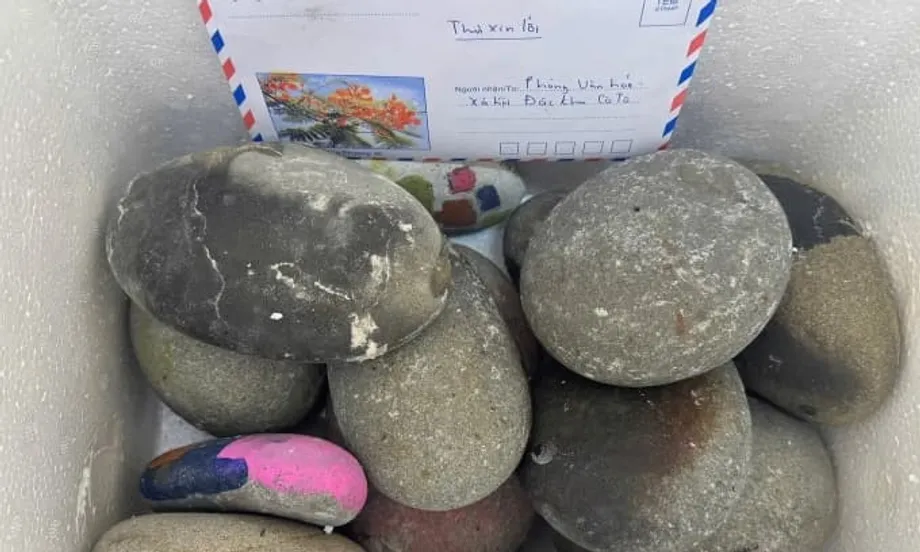
A tourist from Ha Long has returned 14 kilograms of pebbles taken from Mong Rong Beach on Co To Island in northern Vietnam, sending a handwritten apology and VND100,000 to cover delivery. The Co To Department of Culture and Information confirmed receiving the parcel on November 17 and said the stones would be put back on the shoreline where they were collected.
Contents
- A parcel brings Mong Rong's stones home
- What officials will do with the pebbles
- Why Mong Rong's geology matters
- How stones help protect a shoreline
- Coral is another part of the coast's protection
- The rules on taking natural souvenirs
- European islands confront disappearing sand and stones
- Why some visitors mail their souvenirs back
- Co To's coral restoration offers a local example
- Helping visitors protect the places they enjoy
- Keeping memories without taking the beach
- Key Points
The sender, identified as Vu Nguyen, gathered the pebbles between 2015 and 2018 because of their shapes and colors. About a decade after the earliest collecting, the traveler decided to return them after learning about marine conservation. The package contained stones of different sizes, the apology letter and the money for shipping.
Co To officials described the gesture as the first voluntary return of its kind in many years. They see it as a sign of improving awareness about responsible tourism, and an opportunity to explain why stones, sand, shells and corals should stay in their natural surroundings.
The traveler, writing in the accompanying letter, acknowledged harming a place valued by both residents and visitors and asked officials to restore the stones to their original location.
I have damaged the pristine beauty of the island. I apologize and hope that these rocks will be returned to their original location.
The return has prompted a wider conversation about how apparently small souvenirs can become a substantial loss when many visitors collect them over many seasons. On Co To, the issue connects the island's distinctive rock formations with efforts to protect its beaches and restore coral habitats offshore.
What officials will do with the pebbles
Nguyen Hai Linh, head of the Co To Department of Culture and Information, said the pebbles would be returned to Mong Rong Beach. He welcomed the decision and used the case to remind visitors that removing rocks or corals damages the island's coast.
Linh described the voluntary return as evidence that travelers are becoming more aware of their responsibilities toward the places they visit.
This action is very valuable, showing that awareness of responsible tourism is improving.
The department plans to put the stones back at the spot where they were collected. No date for that work was given. Officials are also reinforcing guidance that visitors should not remove rocks, corals, sand, shells or marine life.
The sequence stretches across several years:
- Between 2015 and 2018, Vu Nguyen collected pebbles from Mong Rong Beach, attracted by their shapes and colors.
- After learning about marine conservation, the traveler decided to return the stones with a handwritten apology and money for delivery.
- On November 17, 2025, the Co To Department of Culture and Information confirmed receiving the 14 kilograms of pebbles.
- By November 19, officials had said the stones would be returned to their original shoreline location.
Why Mong Rong's geology matters
Mong Rong Rock Beach, in the south of Co To Island, is known for layered sedimentary formations created over thousands of years. Bands of color and texture sweep across the shoreline, giving the beach the appearance of a natural gallery of patterns and angles.
Sedimentary rocks develop as material accumulates in layers and is gradually compressed. At Mong Rong, waves, currents and weather later shaped those layers into the formations visitors see today. Their appearance records slow natural processes, rather than something that can be quickly replaced after removal.
The beach's pebbles belong to that coastal system. Taking them away disrupts the geological record and the protective functions of the rock beds. Missing stones can leave gaps in a natural barrier that took centuries to form.
Visitors may notice individual stones for their beauty, just as Vu Nguyen did. Their value to the shore, however, comes from their place among the surrounding rocks, sediment and living things. Keeping that arrangement intact protects both the landscape people come to see and the conditions that support life along its edge.
How stones help protect a shoreline
Pebbles and cobbles act like armor on rocky or shingle beaches. When waves strike, the loose stones absorb and deflect some of the water's energy. They shift and settle with the tide, slowing the water and protecting sand and soil behind them.
The moving layer also reduces the force reaching cliffs and dunes. If enough stones are removed, more wave energy reaches the shore, erosion accelerates and the coastline retreats. Erosion is the wearing away and movement of material by forces such as waves and currents.
Small spaces between pebbles provide another kind of protection. These gaps hold moisture and shelter tiny creatures, creating microhabitats, or small places with conditions that allow particular organisms to live.
Algae attach to stones, grazing animals feed on the algae, and fish feed on those grazers. Tiny crabs, snails and insects find cover in crevices. A stretch of pebbles that looks lifeless from a distance can contain many connected homes and feeding places.
Popular beaches face the combined effect of repeated collecting. A few stones taken by one traveler may seem modest, yet millions of visitors over many seasons can strip a shoreline of the features that make it distinctive. Once erosion begins, stopping it is difficult, and the beach experience suffers along with the environment.
Coral is another part of the coast's protection
Coral reefs provide a similar protective function offshore while supporting some of the richest biodiversity in the sea. Coral heads break waves before they reach beaches, and the spaces among their branches shelter young fish.
Removing coral takes away habitat and part of the coast's natural shield. It is illegal and harms marine life. Disturbing coral can also degrade water quality, adding to the damage caused by the loss of the reef itself.
Co To's beach stones and offshore reefs therefore protect different parts of the same coastal environment. Pebbles help manage wave energy at the shoreline, while coral reduces wave force before it arrives. Both also provide places where smaller organisms live and feed.
The more intact the reef and the more complete the beach's pebble cover, the stronger the coast's natural defense during heavy weather. Protecting those existing features and restoring damaged habitat are connected parts of the island's conservation work.
The rules on taking natural souvenirs
Vietnam's Cultural Heritage Law and local conservation regulations prohibit removing or displacing natural geological formations on protected shores such as Mong Rong. Authorities can confiscate collected items and penalize offenses.
Co To officials' guidance extends to rocks, corals, sand, shells and marine life. The purpose is to keep the island's geological formations and coastal ecosystems intact. Removing natural objects can expose the beach, harm wildlife and erase part of the landscape's history.
Travelers who want a souvenir can keep photographs or choose locally made crafts instead. Reading the rules before visiting a protected site, and asking a ranger or guide when uncertain, helps avoid taking something that belongs to the shore.
Other island destinations have faced the same problem, using airport checks, fines, warning campaigns and opportunities to return collected objects. Their experiences show how individual decisions about souvenirs can become a practical conservation concern.
European islands confront disappearing sand and stones
Sardinia, in Italy, has seen authorities seize sand and pebbles from tourists at airports for years. In a well known case in 2019, a couple was caught with 40 kilograms of white sand in their car.
Penalties on Sardinia range from hundreds to thousands of euros. Police have warned that larger cases can lead to criminal charges. The aim is to protect beaches whose sand and stones cannot be replaced at the pace at which tourism removes them.
Skiathos, in Greece, has confronted losses at Lalaria Beach, a bay that became famous after appearing in a popular film. Local efforts included boxes at the airport labeled for pebble returns and a campaign encouraging visitors to take a picture instead of a pebble.
Fines backed the Skiathos campaign. Coastguard officers inspect boats arriving at the cove, while boat captains warn passengers before they step ashore. The approach brings together a reminder before collecting, checks at the destination and a way to hand stones back.
Timanfaya National Park, on Spain's Canary Islands, has also urged visitors to leave volcanic rocks where they are and warned of fines for theft from protected areas. Park staff say stones and sand are often found in luggage at the airport.
Volcanic rocks shelter fungi, insects and small plants, and help soil resist erosion. Removing them can set off a chain of effects from insects to lizards to birds. The objects travelers see as keepsakes are part of the conditions that support those species.
Why some visitors mail their souvenirs back
Parks and island communities across Asia and the Pacific receive a steady trickle of packages containing stones that travelers took as souvenirs and later regretted removing. The reasons for returning them range from conservation awareness to respect for local culture and fear of bad luck.
On Thailand's small island of Koh Hingham, a famous story warns that anyone who takes a black pebble will be cursed. The national park office responsible for the island receives stones through the mail each year from people who regret collecting them. The rocks are then returned to the shore.
In Hawaii, parks have documented visitors mailing back rocks after hearing stories about misfortune following people who remove them. Rangers remind travelers that collecting the rocks is illegal and that they are part of living landscapes, including places that are culturally sacred.
Co To's return followed the traveler's learning about marine conservation. Elsewhere, local stories can prompt a similar decision to give stones back. Education explains the environmental reasons, cultural values give places meaning, and enforcement makes the rules visible.
Clear guidance, patrols and airport checks can work alongside those stories. Together, they set expectations, help visitors understand why restrictions exist and encourage behavior that allows damaged places to recover.
Co To's coral restoration offers a local example
Co To has seen growing conservation activity led by residents, including projects to restore coral reefs. Diver and entrepreneur Pham Van Duc has led an effort focused on returning staghorn coral to the waters around Chim Islet.
The project attaches coral fragments to steel frames and transplants them at a depth of about 10 meters. The frames anchor the fragments as they grow, while the chosen depth protects them from storm surge.
The team reports identifying dozens of coral species in local waters. It also says staghorn coral, once nearly gone from the area, is recovering across an estimated 500 square meters of seabed.
Coral restoration takes funding, careful selection of sites and continuing care. During the early stages, growing fragments need protection from algae, predators and storms. Successful work brings back habitat for fish and invertebrates, animals without backbones, while improving the experience for snorkelers and strengthening the reef's role as a barrier against waves.
Officials say growing public awareness, including stories about local conservation work, is helping visitors reconsider old habits. Vu Nguyen's decision to return the pebbles fits that wider shift toward protecting the island's geology and marine life.
Linh urged residents and visitors to preserve Co To's natural surroundings with a simple rule about what to remove and what to leave behind.
Take nothing from nature and leave nothing that does not belong to the island.
Helping visitors protect the places they enjoy
Clear signs at piers and beaches can explain that rocks and sand are part of an island's heritage and must remain in place. Tour guides can describe how the geology formed, while rangers can give short talks at busy arrival points.
The tone of those reminders matters. Inviting people to act as guardians can make conservation feel like a shared responsibility rather than an accusation. Explaining what stones do for the coast gives visitors a reason to care about the rule.
Skiathos's airport boxes offer an example of a return program. Islands can also run amnesty campaigns allowing people to send natural items back without a penalty. Public posts showing returned stones being placed on the shore can encourage others to act.
Digital campaigns can reach travelers before they arrive. A message to take a picture rather than a pebble can be paired with photo contests rewarding nature photography. Visitor center exhibits could use a scale to show how many stones disappear each year and explain what that loss means for erosion.
Apps and QR codes can point visitors toward viewpoints where geology can be seen without being touched. Beach monitoring walks and reef planting tours can turn interest into participation, while schools and youth groups can work with tour companies on short conservation sessions. Travelers who join those activities can carry the message home.
Keeping memories without taking the beach
Travelers can enjoy Co To and other coastal destinations while leaving their natural features intact. Photographs and locally made crafts preserve memories without removing the materials that protect a beach or provide shelter for wildlife.
A small trash bag makes it easier to leave the shore cleaner than it was on arrival. Reusable bottles and bags reduce waste, while guided conservation activities offer ways to contribute to the places being visited.
- Leave stones, shells, corals and sand where they are.
- Check local rules before collecting anything from nature, and ask a ranger or guide when unsure.
- Report shops selling protected items taken from beaches or reefs.
- Join guided activities such as reef monitoring or a beach care walk.
- Carry a reusable bottle and bag to reduce waste on the coast.
- Return natural items taken in the past to the local authority or park office.
Vu Nguyen's parcel brought back 14 kilograms of stones and an acknowledgment of why they belonged on Mong Rong Beach. Co To officials now intend to restore them to the shoreline, while using the gesture to encourage visitors to leave the island's natural objects in place.
Key Points
- A tourist from Ha Long returned 14 kilograms of pebbles collected at Mong Rong Beach between 2015 and 2018.
- Co To's culture department received the parcel on November 17, with a handwritten apology and VND100,000 for delivery.
- Officials plan to return the stones to their original location and described the gesture as the first voluntary case of its kind in many years.
- Mong Rong's sedimentary formations developed over thousands of years, and its stones help protect the shoreline and shelter small organisms.
- Vietnam's Cultural Heritage Law and local conservation rules prohibit removing natural geological formations from protected shores.
- Sardinia, Skiathos and Timanfaya use measures including fines, checks and visitor campaigns to protect sand and rocks.
- Parks in Thailand and Hawaii receive stones returned by visitors who regret taking them.
- A project led by Pham Van Duc reports staghorn coral recovering across an estimated 500 square meters near Chim Islet.
- Visitors can protect coastal places by keeping natural objects in place, reducing waste and choosing photographs or local crafts as souvenirs.