A resume joins the trade fair shopping list
An Ran earned a bachelor's degree in English in 2024, then lost her job at a small foreign trade company. Now she visits trade expos to discover businesses she might apply to, using the exhibition floor to find leads before sending applications through company websites.
Contents
- A resume joins the trade fair shopping list
- Why the graduate job search is so difficult
- What happens on the exhibition floor
- Can a temporary shift become a permanent job?
- Where employers need skills that graduates may lack
- How government measures seek to support hiring
- Trade tensions reshape the search for customers and workers
- Gig work provides income, with uncertain career prospects
- How candidates can make an expo visit count
- What to Know
Her approach reflects a wider response to China's difficult graduate job market as of November 15, 2025. With entry level openings scarce and online applications often drawing little response, young jobseekers are bringing resumes to events designed to sell products and arrange business deals.
The Canton Fair in Guangzhou, the China International Import Expo in Shanghai and regional exhibitions in manufacturing centres such as Yiwu bring together thousands of manufacturers, importers, logistics providers, retailers and technology companies. For someone seeking work, that concentration offers a chance to meet people who make staffing decisions and learn which skills their businesses need.
Exhibitors also need workers during the events themselves. Interpreters help buyers and sellers communicate, booth assistants greet visitors, demonstrators explain products, and livestream hosts introduce goods to online audiences. Some candidates secure short contracts at the fair, hoping the work will eventually lead to a permanent position.
Students and recent graduates move through the halls with business cards, resumes and phones ready to scan QR codes. Those codes can lead to corporate WeChat groups or small applications within the platform where candidates submit their details. Others use conversations at booths to identify a company worth approaching later.
The calculation is straightforward: when formal recruitment channels are crowded, go where employers already gather. A trade expo remains a place for business deals, but it can also become an informal recruitment venue. Companies focused on finding customers may be receptive to a candidate who understands their products and can help them reach buyers.
Why the graduate job search is so difficult
China's official unemployment rate for urban residents aged 16 to 24 reached 21.3 percent in mid 2023. Authorities then paused publication and later changed the calculation to exclude students studying full time. Since publication resumed, the revised rate has remained elevated, often between 17 and 19 percent in recent months.
The change in method matters when following the figures over time: the earlier measure included students, while the resumed series leaves them out. The current figures describe unemployment among young people outside full time education.
Each summer brings another surge of applicants, with roughly 12 million people entering the market in the graduation wave. Large numbers of new candidates compete for a limited supply of openings, adding seasonal pressure to an already difficult search.
The main developments have unfolded in this sequence:
- In mid 2023, urban unemployment among people aged 16 to 24 peaked at 21.3 percent under the earlier calculation.
- Authorities paused publication and later resumed it using a method that excludes students studying full time.
- In 2024, An Ran completed her English degree before subsequently losing her job at a small foreign trade firm.
- By November 15, 2025, young applicants were using trade fairs to seek contacts, temporary assignments and possible permanent jobs.
The property downturn has reduced hiring connected to construction. Private businesses remain cautious about expansion, while some sectors that previously absorbed many graduates have restructured. Employers frequently want practical experience, leaving a gap between what graduates studied and what companies need immediately.
Fu Linghui, chief economist at the National Bureau of Statistics, described weak domestic demand and pressure on businesses at a recent briefing. He acknowledged that:
some enterprises are facing operational difficulties.
People aged 25 to 29 have also experienced increases in unemployment at times, pointing to difficulties extending beyond the newest graduates. Stalled early careers and delayed promotions add to the pressure as successive graduating classes seek work.
What happens on the exhibition floor
Jobseekers approaching an expo as a recruitment opportunity often arrive early, wear comfortable shoes and plan a route through the halls. The scale of these events makes preparation useful: a candidate can spend the day walking without reaching the businesses most suited to their skills.
Some exhibitors display specific needs at their booths. These can include English, Vietnamese or Arabic interpretation, social media operations, 3D modelling and support for customers after a sale. Such details give applicants a more concrete picture of demand than a broad search for graduate jobs.
Candidates collect the names of hiring managers, exchange business cards and scan QR codes for company groups or application channels. A profile on one page, listing languages, software skills and short projects, can be easier to hand over during a busy exhibition than a lengthy resume.
An Ran, the English graduate laid off by a small foreign trade company, uses fairs to explore possible employers before applying online. She described both that process and her frustration with the employment market:
I go to these expos to explore and broaden my view of what is out there, then I go through these companies' websites to send out job applications," said An Ran. "The employment environment is horrible. Many of the smaller companies are just screening young people, not really training them.
Her experience captures two purposes of an expo visit. A conversation can produce a job lead, while observing companies and their products helps a candidate decide where to apply. For someone recovering from a layoff, the event can also provide a fresh view of the businesses operating beyond their previous workplace.
Can a temporary shift become a permanent job?
Exhibitions create demand for workers who can register visitors, manage foot traffic, interpret buyer meetings, demonstrate products and present gadgets through livestreams. Pay by the day varies between cities and industries, and the work can be demanding.
Short assignments offer contacts, references and a record of completed tasks. A graduate who repeatedly interprets for the same exporter can become familiar with its customers, product range and working routines. Sales managers may prefer someone who already understands those details when a permanent opening appears.
A temporary contract comes with no guarantee of a permanent offer. Some businesses collect resumes or recruit people for poorly paid shifts without planning further hiring. Clear questions about duties, training and the next recruitment step help candidates assess how serious an opportunity is.
Candidates who treat each shift as an extended interview can make their work easier for an employer to remember. Taking notes after buyer meetings, carrying out tasks carefully and following up professionally give a company concrete reasons to consider them again.
Where employers need skills that graduates may lack
Hiring remains uneven across industries. Hospitality and catering tend to recruit younger workers when tourism improves. Information technology, logistics and education can also take on graduates during periods of growth. Property related businesses remain under strain, while private companies serving consumers are careful about adding staff.
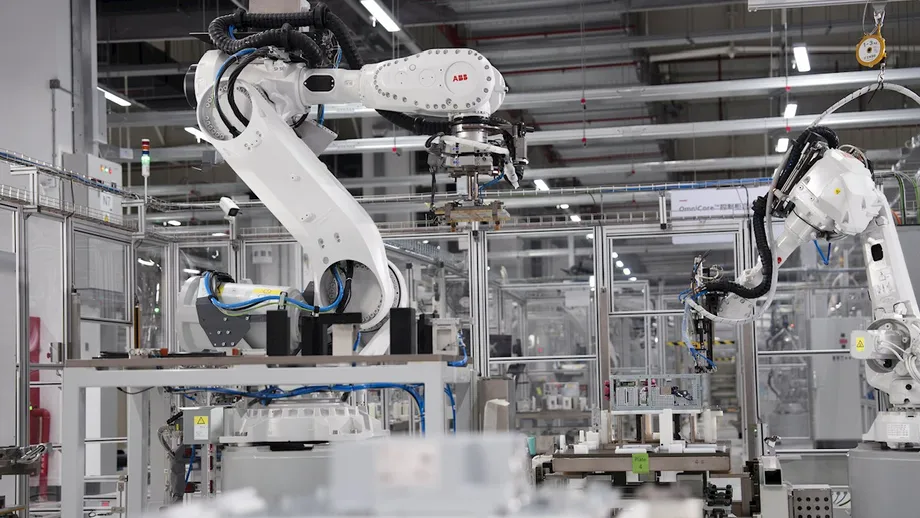
Manufacturers in coastal provinces still need technicians, quality inspectors and sales coordinators who can communicate with overseas customers. These roles combine different types of knowledge: understanding a product, checking its quality or organising a sale can matter as much as holding a degree.
Business and liberal arts qualifications can be useful in sales and marketing. Employers may nevertheless expect applicants to know inventory systems, 3D design tools or software used to manage supply chains, the connected steps through which goods are made, stored and delivered.
Training budgets are tighter than they were a decade ago. Companies therefore favour applicants who can contribute immediately, making it harder for graduates to obtain the experience employers request. An expo can reveal the skills businesses want, but learning those skills remains a separate task.
Premier Li Qiang has urged officials to pay attention to problems facing companies. At a meeting, he called for "struggling companies to be heard and their difficulties truly addressed." His instruction was also expressed as:
struggling companies [are] to be heard and their difficulties truly addressed.
Weak confidence among private businesses can slow recruitment even when their order books stabilise. Employers need confidence in future demand before committing to the continuing cost of another worker.
Graduates and employers also have different expectations. Applicants seeking office roles may overlook positions in factories that offer reasonable pay and routes to promotion. Companies worry that young recruits will leave if they regard factory work as a temporary stop. Those competing expectations can leave positions vacant while graduates continue searching.
How government measures seek to support hiring
A recent State Council notice expanded subsidies for social insurance, increased unemployment insurance refunds for smaller businesses and allowed companies under strain to defer certain social insurance contributions. These measures aim to reduce pressure on employers and help them retain staff.
The package also includes a payment made once to employers that sign contracts with unemployed people aged 16 to 24 and pay their full insurance contributions for at least three months. The incentive connects public support to a formal employment arrangement rather than simply a brief assignment.
Officials want businesses to keep existing workers, recruit people seeking their first jobs and turn more internships into entry level positions. The State Council instructed local governments and departments to track implementation and introduce further measures as conditions change.
The State Council's notice framed employment as a political responsibility, telling local authorities and departments to:
take political responsibility for stabilising employment
Authorities are also widening access to vocational education. Relaxed age limits allow unemployed young people and migrant workers to enrol in technical schools. Cities are holding job fairs aimed at recent graduates and establishing service desks to match young candidates with small companies.
These policies address different parts of the employment problem. Insurance support lowers costs for businesses, technical education helps applicants develop practical skills, and matching services bring employers and candidates together. The pace of hiring still depends on demand for the goods and services companies sell.
Trade tensions reshape the search for customers and workers
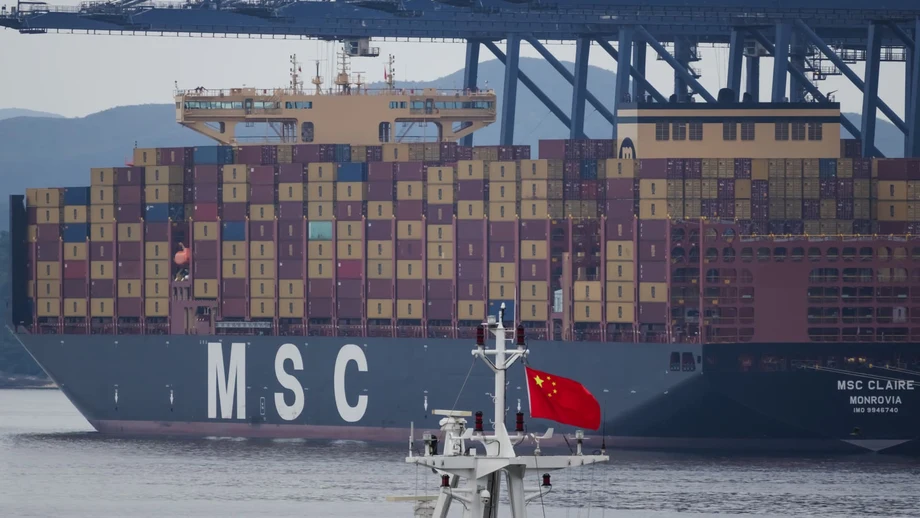
Tariffs and export controls have pushed Chinese exporters to seek customers in more markets and reorganise supply chains. Tariffs add charges to traded goods, while export controls restrict the sale of certain products or technologies across borders. Both can change where companies sell and how they operate.
Yiwu shows how trade hubs are responding. New digital trade centres and services for logistics across borders help sellers reach Southeast Asia, the Middle East and Africa. As exporters approach new buyers, fairs provide a place to display products and find workers who speak the languages of those markets.
Beijing's message combines persistence, technological upgrading and a broader spread of export destinations. President Xi Jinping expressed that stance in a speech this year, linking it to China's development over more than seven decades:
For more than 70 years, China has always relied on self-reliance and hard work for development… it has never relied on anyone's gifts and is unafraid of any unreasonable suppression.
Trade decoupling, the separation of commercial relationships and supply chains between economies, carries risks for employment. If export orders decline, temporary workers can be among the first to lose their assignments.
A weaker currency can support exports, while also reflecting strain in the domestic economy. Selling to more destinations gives exporters a buffer against trouble in any single market, although spreading protectionist measures can reduce those gains.
Trade fairs sit at the meeting point of these pressures. Companies use them to secure deals and seek multilingual workers, livestream sales hosts and sales coordinators able to adapt quickly. The opportunities for applicants remain tied to how much business exhibitors can generate.
Gig work provides income, with uncertain career prospects
Young people facing a difficult job search have also turned to delivery driving, livestreaming for online commerce, tutoring and retail shifts. These jobs can provide quick entry and immediate income while a search for steadier employment continues.
The work can build skills in customer service and in using analytics dashboards for platforms carrying short videos. Those dashboards help workers follow audience activity and sales performance. Experience can sometimes lead to a permanent position with a small brand as its business grows.
Gig roles usually lack social insurance contributions and provide little training. Promotion routes can be unclear, while earnings fluctuate when demand falls or a platform changes the algorithms that determine which content users see.
Some graduates leave corporate career tracks hoping for a simpler life, only to find that running a small business, a livestream channel or a coffee shop brings comparable stress. Earning independently also means managing the uncertainty of customer demand.
Short assignments are more useful to a continuing job search when workers record what they achieved. A portfolio of tasks and results, together with new contacts, can support later applications. Keeping formal recruitment channels open preserves another route to more stable work.
How candidates can make an expo visit count
Preparation helps candidates turn a brief meeting at a busy booth into a clear next step. The most useful conversations connect an applicant's skills to a company's products, customers and immediate staffing needs.
A focused approach combines research before the event, careful questions on the floor and organised follow up afterwards:
- Map the halls in advance and identify target exhibitors. Prioritise companies whose needs match your language and software skills.
- Prepare a profile on one page with languages, tools and two or three concrete projects. Bring paper and digital versions.
- Ask who manages recruitment or team staffing. A conversation lasting five minutes with a team leader can be more useful than submitting details through a generic QR code.
- Ask about temporary interpreting, livestreaming and sales support contracts, including whether further work may follow.
- Record every contact. Afterwards, send a short message recalling the specific conversation and linking to a portfolio.
- Read product catalogues and watch demonstrations. Prepare two practical suggestions suited to the exhibitor's business.
- Confirm pay, working hours and social insurance arrangements in writing. Avoid unpaid trials without a clear purpose.
- Keep evidence of completed work, such as analytics screenshots, buyer lists you built or process checklists you created.
Questions about workflow, training and recruitment plans help distinguish an immediate staffing need from a possible career opening. A disciplined follow up gives the employer a reminder of the candidate and the contribution they could make.
What to Know
- Young Chinese jobseekers are using trade expos to meet employers, explore industries and find temporary or permanent work.
- Urban unemployment among people aged 16 to 24 peaked at 21.3 percent in mid 2023 under the earlier method. Recent revised figures, excluding students studying full time, have often ranged from 17 to 19 percent.
- Roughly 12 million people enter the market during the summer graduation wave, increasing competition for limited openings.
- Weak domestic demand, the property downturn, cautious hiring and gaps in practical skills contribute to the difficult search.
- Expo assignments include interpreting, booth assistance, product demonstrations and livestream sales. Permanent employment is not guaranteed.
- Government measures include insurance subsidies, refunds, deferred contributions, incentives to recruit unemployed youths and wider access to technical education.
- Exporters seeking customers in Southeast Asia, the Middle East and Africa need language and sales skills, while trade tensions put orders and temporary work at risk.
- Gig work can provide income and experience, but often offers limited benefits, training and promotion prospects.
- Targeted outreach, written employment terms, evidence of completed work and organised follow up can make expo contacts more useful.