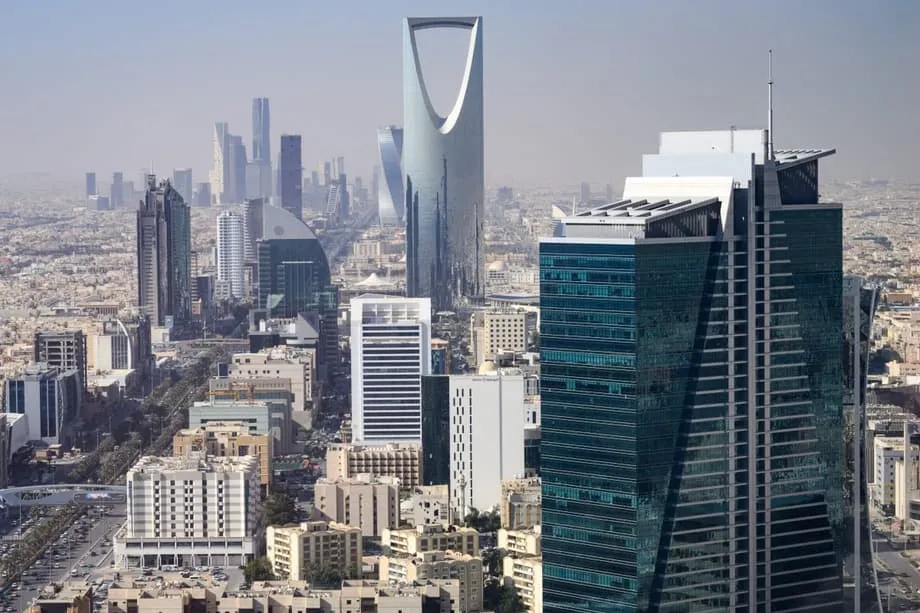
A bigger pay packet and a new career in Riyadh
Chloe Wong, a Hong Kong native in her early thirties, moved to Riyadh to join Riyadh Air's sales and distribution team after receiving an offer that more than doubled her compensation compared with her previous role. She had already worked in Abu Dhabi, but Saudi Arabia's pay and speed of development stood out.
Contents
- A bigger pay packet and a new career in Riyadh
- Where Saudi Arabia needs experienced workers
- What makes the employment package attractive?
- Social changes come with firm cultural boundaries
- Housing, schools and leisure shape daily life
- Visitor entry is easier, but employment needs separate permission
- Saudi hiring quotas and job mobility rules
- How the changes developed
- Foreign residents describe a sense of welcome
- What candidates and families need to weigh
- The Essentials
Wong described why she wanted to join a market where new businesses and projects were creating opportunities for experienced professionals.
This is a fast growing market that brings new opportunities every year, and I want to get ahead of them.
Her move reflects Saudi Arabia's growing appeal to Hong Kong professionals working in aviation, construction, hospitality, finance and technology. For some, relocating to the kingdom had never been part of their plans until recruiters approached them with much larger salaries and the opportunity to help build new businesses in Riyadh or Jeddah.
Riyadh Air, a new national carrier backed by the Public Investment Fund, is recruiting sales executives, operations specialists and digital teams. Its expansion forms part of Saudi Vision 2030, the national programme to reduce the economy's reliance on oil and develop tourism, transport, entertainment and technology.
The financial attraction extends beyond salary. Employers recruiting experienced staff may include housing, transport and annual flights, while the absence of personal income tax on salaries increases the amount employees keep. Moving still requires a careful assessment of housing, schools, employment rules and daily life in a conservative country shaped by Islamic law and local custom.
As of November 15, 2025, the opportunity for Hong Kong candidates combines strong demand for particular skills with a substantial personal adjustment. Wong's experience illustrates both the appeal of higher compensation and the chance to take responsibility in a business being built from the beginning.
Where Saudi Arabia needs experienced workers
Vision 2030 is generating demand across several connected industries. Airlines and airports need route planners, sales leaders and revenue managers, who help decide how to price seats and earn income from flights. Hotels and tour operators are recruiting managers and staff responsible for guest experience as they prepare for larger visitor flows.
Sports, events and live entertainment businesses are expanding teams to deliver concert and festival seasons. Technology employers need expertise in digital payments, cloud services and cybersecurity as government ministries and public services move more activities online.
NEOM, the Red Sea destination and Qiddiya park are creating work across construction, procurement, hospitality, finance and marketing. Large urban and coastal developments need project managers, quantity surveyors, safety officers and purchasing specialists. Chinese customs data show that steel shipments to Saudi Arabia rose by about 41 percent in the first nine months of 2025, an indication of the building materials being absorbed by the kingdom.
Finance and advisory firms are recruiting analysts and staff who work directly with clients for project finance, partnerships between government and private businesses, and initiatives backed by sovereign funds. Banks, asset managers and advisers are expanding in Riyadh to serve both government projects and private capital.
Saudi investment minister Khalid Al Falih has said that about 85 percent of Vision 2030 initiatives were completed or on track by the end of 2024. New airlines, railways and ports are part of the effort to turn the kingdom into a centre for logistics and visitors, supporting recruitment in project delivery, operations and customer experience.
What makes the employment package attractive?
Wong's salary increase reflects a shortage of experienced recruits in a rapidly expanding market. For professionals considering similar offers, the value depends on the full package, rather than the headline salary alone.
Offers for staff in the middle and senior stages of their careers often include a housing allowance, a transport payment or company car, private medical insurance and annual flights. Some cover flights for dependents as well as the employee. Relocation support and temporary accommodation on arrival may also be available.
End of service benefits build up with time in the job and form another part of the package. These are payments connected to an employee's length of service, with the contract and applicable rules determining what the employee receives.
Saudi Arabia does not levy personal income tax on employment income. Combined with allowances, that can leave workers with much more take home pay than comparable employment in Hong Kong or the United Kingdom. Housing costs, school fees and expenses for dependents still need to be checked against the offer.
Hong Kong candidates may also bring useful language skills. Saudi organisations are developing relationships with Asian investors, contractors and brands, creating demand for professionals who can connect local teams with Chinese state enterprises, private developers and suppliers.
English alongside Cantonese or Mandarin can be useful in client service, relationship management and due diligence, the checks businesses conduct before entering a transaction. Experience working with mainland China and Southeast Asia can also help professionals supporting investment and business relationships across the regions.
Social changes come with firm cultural boundaries
Saudi Arabia has undergone rapid changes since 2016, with women starting to drive and cinemas reopening among the changes described by newcomers. Women now work and lead teams in aviation, banking, retail and technology. Daily expectations can still differ substantially from those in Hong Kong.
Alcohol is prohibited, modest dress is expected in offices and shopping malls, and public displays of affection are frowned upon. Public spaces accommodate mixed groups and families, while Islamic law and local customs continue to shape behaviour.
Prayer times affect work and daily routines. The weekend falls on Friday and Saturday, meaning many offices operate from Sunday to Thursday. That difference matters for professionals coordinating with colleagues and clients in Hong Kong.
Ramadan brings another change in rhythm. Working hours often shorten, restaurants adjust around meals after sunset, and many social gatherings move into the night. Meetings and business travel continue, although schedules can become more flexible. Non Muslim residents respect the fast by avoiding eating or drinking in public during daylight hours.
Workplace relationships often begin with coffee and conversation before business decisions move forward. Hiring managers value personal trust as well as a candidate's experience. Senior approvals can take time, making patience and persistence useful. Arabic is the national language, English is common in multinational teams, and learning a few Arabic greetings is a way to show respect.
Housing, schools and leisure shape daily life
Riyadh Season brings months of concerts, sporting events and temporary parks, while Jeddah offers a seaside promenade and a growing restaurant scene. The expansion of leisure activities gives newcomers more ways to spend time outside work.
Expatriate families can choose international schools, although the most popular campuses have waiting lists. Many foreign residents live in gated compounds for their amenities and community atmosphere. Others choose modern apartments closer to their workplaces.
Riyadh rents have risen as demand exceeds new supply in central districts. Some employers adjust housing allowances in response, so candidates need current prices for neighbourhoods near their offices before judging whether an offer covers their needs.
Extreme summer heat and frequent journeys by car influence everyday routines. Domestic flights connect the main cities, and some residents take weekend trips to Bahrain or the United Arab Emirates when work schedules allow. School places, healthcare networks and available housing vary widely between districts.
Practical preparations can make the first months easier:
- Keep a digital copy of the iqama, the residence card, once issued, and store the original safely.
- Use widely accepted local payment apps for everyday purchases.
- Save maps for use offline when travelling in new districts where coverage may be patchy.
- Dress modestly in public and observe local customs.
- Drive defensively and allow extra time for journeys during busy periods.
Visitor entry is easier, but employment needs separate permission
Hong Kong passport holders can obtain a Saudi visa on arrival at designated entry points for visits of up to 90 days. Hong Kong's Immigration Department lists the airports in Riyadh, Jeddah, Dammam and Medina, along with the King Fahd Bridge and Al Batha land ports.
The arrangement makes exploratory trips, interviews and short business visits more convenient. Hong Kong Chief Executive John Lee Ka chiu has also said that Saudi nationals visiting Hong Kong can stay without a visa for up to 90 days.
Visitor access and permission to work are separate arrangements. People accepting employment need a work permit and an iqama, issued after medical checks and immigration processing in Saudi Arabia. Dependents receive their own residency linked to the principal employee.
Hong Kong residents can also visit all six Gulf Cooperation Council states with either visas on arrival or access without a visa. Easier travel reflects closer relations with the Gulf and efforts to encourage business and tourism.
Saudi hiring quotas and job mobility rules
Saudi Arabia is increasing the share of citizens in its workforce through Nitaqat rules, which set minimum proportions of Saudi employees in many sectors. Employers must plan recruitment around those requirements, and some occupations and roles serving customers are reserved for citizens.
Foreign professionals continue to be recruited where particular skills are scarce. Candidates should ask how their proposed position is classified and whether the employer is meeting its local hiring quotas, since those details affect the company's recruitment plans.
Reforms introduced in 2021 eased parts of the sponsorship system for many workers in private businesses. Eligible employees can change jobs after their contracts expire without the employer's consent and obtain exit and reentry permits through a government portal. They can also receive end of service benefits under the law.
Domestic workers are outside some of those changes. Authorities recently granted a period of six months for many domestic workers who had left their employers to correct their legal status. The rules vary by occupation, even as employment procedures become more regulated.
Contracts should spell out probation, leave, allowances and end of service benefits. Candidates also need to confirm who pays for dependent visas and school fees, how annual flights are arranged and what happens when employment changes. Final exit still involves paperwork, even though many workers can manage exit and reentry procedures online.
How the changes developed
Saudi Arabia's appeal to overseas professionals has developed through changes in daily life, labour rules and investment. The dates behind the current recruitment drive show that these developments have taken place over several years.
- 2015: Chartered accountant Navin Goel arrived in Riyadh, beginning a decade in the city.
- Since 2016: Saudi Arabia has experienced rapid social changes, including women starting to drive and cinemas reopening.
- 2021: Labour reforms eased job changes and travel procedures for many eligible employees in private businesses.
- End of 2024: About 85 percent of Vision 2030 initiatives were completed or on track, according to investment minister Khalid Al Falih.
- First nine months of 2025: Chinese steel shipments to Saudi Arabia rose by about 41 percent, according to Chinese customs data.
For Hong Kong recruits, the connection between these changes is practical. Investment creates projects and jobs, labour rules govern the terms of employment, and changes in leisure and everyday life influence whether workers and their families want to stay.
Foreign residents describe a sense of welcome
Wong's decision was about more than compensation. Joining Riyadh Air offered the excitement of building teams and routes at a new airline backed by the state. That chance to shape a business while advancing her career outweighed the discomfort of moving to a culture she had previously known through work trips.
Indian professionals, part of one of Saudi Arabia's largest expatriate communities, describe their own experiences of settling in. Chartered accountant Navin Goel, who has lived in Riyadh for a decade, told visiting journalists that the city had felt welcoming from the beginning.
Work wise, Riyadh has always been welcoming. I came in 2015, at a time when the changes were happening. There is nothing here that makes us feel that we belong to another country.
Goel and Avinash Gupta, a partner who expanded a financial services firm based in India into Riyadh, also discussed the welcome they encountered in shops and offices. Their account described everyday interactions that helped them feel included.
We feel part of the country. We go to any store, any office, anywhere, we are always welcome. The locals here try to speak to us in Hindi.
Their experiences differ from those of Hong Kong recruits, but both accounts describe the value of engaging with local culture and building relationships. A supportive peer group can also help families adjust to unfamiliar routines.
What candidates and families need to weigh
Saudi Arabia's legal and social rules require preparation. Public criticism of religion or the royal family is illegal, online speech is monitored, and drug offences carry severe penalties. Rules also govern public decency and photography. Non Muslims face restrictions on access to the holy cities of Mecca and Medina.
Families may find the adjustment harder than the employee initially expects. Alcohol restrictions, conservative customs, housing choices and schooling all affect life outside the office. A spouse who wants to work needs a separate permit.
Employers with dependable human resources support can help newcomers navigate residency, healthcare and contracts. Before relocating, candidates should check the medical insurance network, school availability, housing near work and the costs that remain their responsibility.
Higher pay can make Saudi Arabia attractive, while new airlines, financial businesses and major developments offer opportunities to take on substantial work. The decision rests on the whole arrangement: the job itself, the employer, the contract and whether daily life suits the worker and family.
The Essentials
- Hong Kong professional Chloe Wong more than doubled her compensation when she joined Riyadh Air's sales and distribution team.
- Vision 2030 projects are supporting recruitment in aviation, hospitality, construction, technology, entertainment and finance.
- Employment packages often include housing, transport, medical insurance, annual flights and end of service benefits.
- Saudi Arabia does not levy personal income tax on employment income.
- Hong Kong passport holders can obtain visas on arrival at designated entry points for visits of up to 90 days; employment requires separate permission and residency.
- Saudi hiring quotas shape recruitment, while reforms introduced in 2021 eased some procedures for eligible foreign workers.
- Rising Riyadh rents, school waiting lists, family costs and conservative social rules are central considerations before moving.