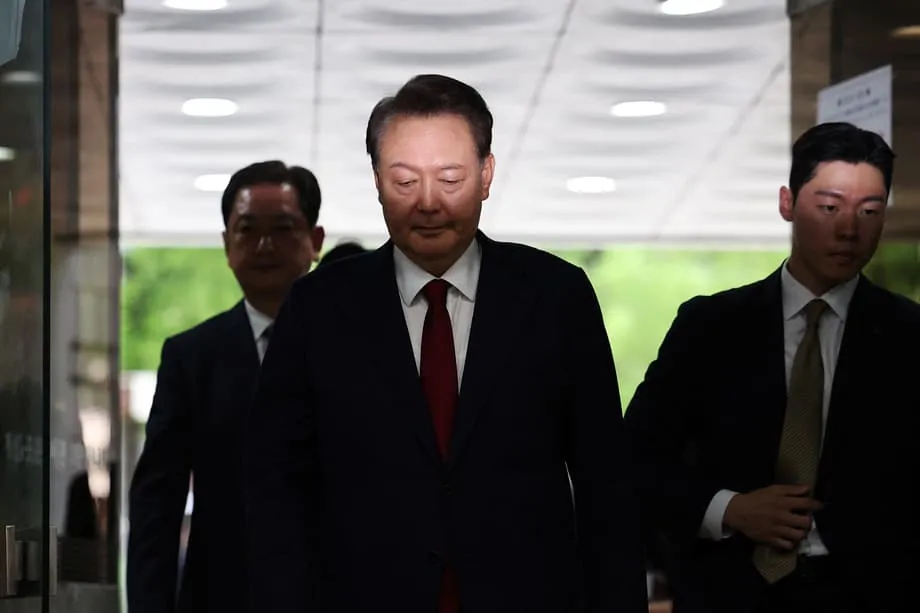
Prosecutors allege a plan to provoke North Korea
South Korea's ousted president, Yoon Suk Yeol, has been indicted on charges of aiding an enemy state and abuse of power over an alleged attempt to provoke North Korea with military drones before declaring martial law on December 3, 2024. The special counsel says the flights were intended to create a national security crisis that would make emergency rule appear necessary.
Contents
- Prosecutors allege a plan to provoke North Korea
- Phone notes describe creating instability
- What is known about the alleged flights?
- From military preparations to removal from office
- How lawmakers stopped martial law
- Why a drone flight could trigger a confrontation
- North Korea's reaction and the danger of escalation
- Who faces the new charges?
- What the courts must decide
- Why the case matters beyond South Korea
- At a Glance
Former defense minister Kim Yong hyun and former military counterintelligence chief Yeo In hyung were indicted alongside Yoon. The new charges also accuse the three men of harming South Korea's military interests. All three already face a separate insurrection trial connected to the martial law attempt, with the possibility of life imprisonment or the death penalty if convicted on the most serious counts.
Yoon denies ordering drone incursions or attempting insurrection. His legal team says he was not informed of any drone flights and has described the new indictment as one sided. Yoon maintains that his declaration was intended to protect the country from anti state forces and expose wrongdoing by political rivals.
The December decree lasted only hours. Troops moved around the National Assembly, lawmakers voted to reject martial law, and the government rescinded the order by morning. Impeachment, arrest and removal from office followed. In April 2025, the Constitutional Court upheld Yoon's impeachment.
The special counsel, appointed after his removal, now alleges that preparations for emergency rule included efforts to manufacture a confrontation with Pyongyang. Investigators cite planning notes recovered from Yeo's mobile phone and information from whistleblowers inside the military drone unit. Some operational details remain classified because the records contain military secrets.
Phone notes describe creating instability
Yeo led the Defense Counterintelligence Command when the alleged scheme was being developed. Prosecutors say notes found on his phone describe provocations intended to force North Korea into responding, creating an opportunity for South Korean officials to pursue emergency rule.
An October memo refers to creating instability and identifies sensitive targets, including central Pyongyang and the port city of Wonsan, where a North Korean reaction would be all but inevitable. Another entry lists types of provocations, with the words drones and surgical strike highlighted among the options.
Investigators say the notes set out a concept of causing a loss of face for the North Korean leadership and taking advantage of any opportunity created by rising tensions. In describing the recovered text, investigators quoted instructions to:
create an unstable situation' and to pick 'targets like Pyongyang... so that a response is inevitable.
Prosecutors allege that Yoon and senior aides sought a cycle of confrontation at a low level of intensity. Their stated theory is that repeated provocations would create the appearance of an emergency without requiring an immediate, full military conflict.
The special counsel also traces preparations for a nationwide emergency back to a military reshuffle in October 2023. Investigators say those records, the phone notes and flight information supplied by whistleblowers at the Drone Operations Command connect the alleged incursions in October and November 2024 to planning for martial law.
What is known about the alleged flights?
North Korea accused South Korea of dropping leaflets by drone three times in October 2024. It also published images of a crashed unmanned aircraft that it said belonged to the South. Investigators say the documents recovered during their inquiry align with those accusations and indicate an intention to bait a response from North Korean leader Kim Jong Un.
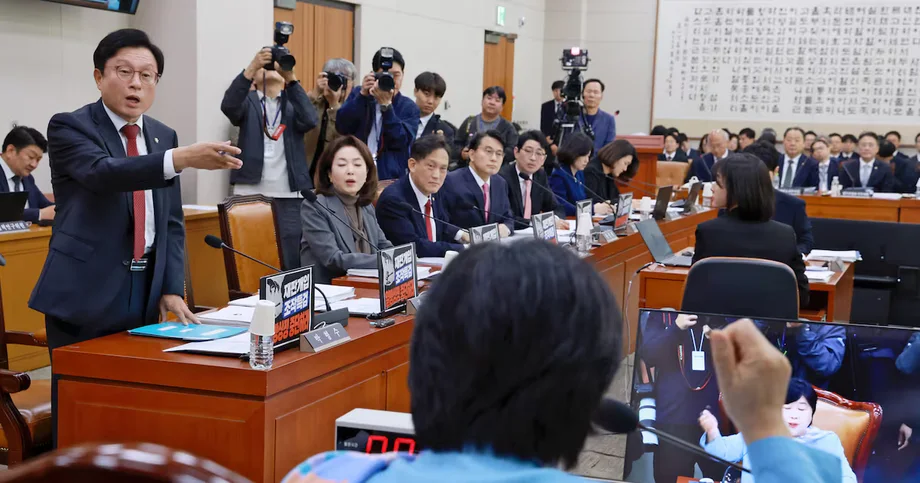
Kim Byung joo, a retired general and National Assembly lawmaker, told colleagues that he had been briefed on flights into North Korea on October 3, again on October 8 to 9, and on November 13. He said whistleblowers described the purpose as eliciting retaliation that could justify emergency rule.
South Korea's defense leadership initially denied the North's allegation. It later said the military could not confirm whether the flights had occurred, a position commonly used when sensitive reconnaissance operations are involved.
Investigators have relied on forensic examination of electronic devices and accounts from military whistleblowers to reconstruct the alleged operations. Public acknowledgment of such flights is rare, making the internal records and testimony central to the prosecution's account.
North Korea's accusations concerned three leaflet drops in October. Kim Byung joo's account also included a flight in November. The prosecution links alleged operations across both months to the preparations for Yoon's December declaration.
From military preparations to removal from office
The allegations cover a period extending from a military reshuffle in 2023 to the collapse of martial law in December 2024 and Yoon's subsequent removal. The key dates described in the case are:
- October 2023: A military reshuffle took place that investigators identify as part of preparations for a nationwide emergency.
- October 2024: Phone notes allegedly discussed creating instability, while North Korea accused the South of three drone leaflet drops.
- October 3, October 8 to 9, and November 13, 2024: Dates on which Kim Byung joo said he was briefed that drones crossed into North Korea.
- December 3, 2024: Yoon declared emergency martial law and troops moved around the National Assembly.
- By the following morning: The government rescinded martial law after lawmakers voted to reject it.
- January 2025: Yoon was indicted on a charge of directing a rebellion.
- April 2025: The Constitutional Court upheld his impeachment and removed him from office.
Prosecutors moved to charge senior aides within weeks of the failed declaration. The new indictment adds allegations concerning the creation of a security crisis to the separate criminal proceedings over the use of emergency powers.
How lawmakers stopped martial law
Yoon announced emergency martial law on the night of December 3, saying anti state forces had infiltrated the government. He ordered troops into the area around the National Assembly, while armored vehicles and soldiers moved to secure key sites.
Senior officials attempted to halt parliamentary activity. Lawmakers nevertheless convened through the night and voted to reject the decree. Civil society groups gathered outside the legislature during the standoff.
Military units positioned around the assembly complex did not proceed to make arrests inside. By morning, the government had withdrawn the order, ending the immediate attempt to impose emergency rule.
South Korean law permits martial law during war or sudden turmoil. The constitution also requires the National Assembly to be notified and gives lawmakers the power to cancel the order. Legislators exercised that power on the night of December 3.
Yoon has insisted that he never intended to impose military rule. He argues that he acted to protect democracy and expose what he describes as anti state elements within the opposition. Prosecutors allege that the deployment of troops formed part of an attempted seizure of power.
Why a drone flight could trigger a confrontation
Drones can be difficult to detect and their ownership can be disputed. Small aircraft flying at low altitude can slip past radar. They can gather information, conduct electronic warfare or carry small payloads, including leaflets.
A flight into central Pyongyang would carry particular weight because North Korea would view an intrusion over its capital as a serious violation of sovereignty. The alleged choice of targets matters to the prosecution's argument that the operations were designed to provoke a reaction.
The armistice that ended active fighting in 1953 established a demilitarized zone and rules that both sides regularly test. No peace treaty followed. Military aircraft face strict limits near the border under the armistice.
Authorized South Korean drone flights over Pyongyang would breach the spirit of that agreement and could be treated by North Korea as an act of war. A small unmanned aircraft can therefore become the starting point for a much larger confrontation.
Drone tensions had already risen in December 2022, when North Korean units sent several drones into South Korean airspace. One small aircraft reached the outskirts of Seoul. South Korea responded with warning shots, fighter scrambles and reconnaissance flights of its own north of the border.
Those earlier events help explain the sensitivity of the alleged 2024 operations. A drone can serve a military purpose while also sending a political message, and the government receiving that message may respond with force.
North Korea's reaction and the danger of escalation
North Korea cut road and rail links and blew up two roads after the alleged October flights. Those actions were interpreted as a demonstration of anger that stopped short of inviting a direct military clash.
North Korea's deployment of troops to Russia and other operational priorities were also suggested as possible reasons for its restrained military response. The central danger described in the case is a rapid cycle in which one side's provocation produces retaliation, followed by another response.
Kim Byung joo, the retired general serving in the National Assembly, warned that the alleged flights could have produced a far more dangerous outcome:
"It was fortunate North Korea did not respond militarily. It could have escalated into conflict," he said.
Prosecutors say increasing the possibility of such a confrontation harmed South Korea's interests. Their allegation is that military operations were used to produce conditions useful for a domestic political decision, exposing the country to the danger of armed conflict in the process.
Drone flights by either side can set off retaliation that leaders struggle to control. On a peninsula without a peace treaty, decisions about a small aircraft can quickly become decisions about mobilizing forces or striking a target.
Who faces the new charges?
Yoon, Kim Yong hyun and Yeo In hyung face the same new counts of aiding an enemy state, abuse of power and harming South Korea's military interests. Kim, the former defense minister, and Yeo, the former counterintelligence chief, were already detained over the martial law case.
Kim Yong dae, who led the Drone Operations Command, was charged with related offenses, including obstruction of official duties and forgery. He was not arrested.
Investigators say they limited conspiracy charges to officials for whom they found clear intent. They found no evidence that lower ranking officers understood any connection between the drone flights and a plan to declare martial law.
That division places the focus of the alleged conspiracy on senior decision makers. The investigation's account treats the officers carrying out operations separately from officials accused of knowing the political purpose behind them.
Park Ji young, spokesperson for the special counsel, described the alleged objective and its consequences:
Park said the defendants "conspired to create conditions for declaring martial law, increasing the risk of armed conflict and undermining national military interests."
Park also said that some information remained classified because the memos and operational files contain military secrets. Yeo has said he regrets not challenging the order. Yoon's legal team continues to reject the allegation that the former president knew about the flights.
What the courts must decide
The charge of aiding an enemy state requires prosecutors to show that particular actions benefited North Korea or were intended to do so. That places the purpose and consequences of the alleged flights at the center of the new case.
The defense is expected to argue that the alleged provocations were intended to strengthen South Korean security, rather than advantage Pyongyang. Yoon also denies giving any order for a drone incursion.
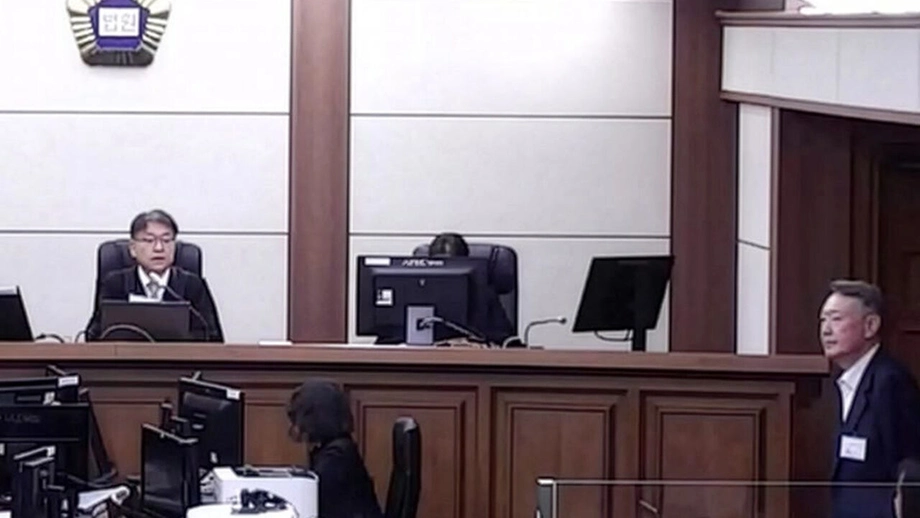
The separate insurrection case focuses on intent and command during the December 3 attempt to exercise emergency powers. Judges will examine whether Yoon and his aides coordinated troop movements against constitutional institutions and whether the order amounted to an attack on the democratic system.
The phone notes, military testimony and operational records are relevant to the prosecution's claim that the declaration followed an extended period of planning. The court must assess that evidence alongside the defendants' denials and their accounts of why they acted.
Yoon could face life imprisonment or the death penalty if convicted on the most serious counts. South Korea retains capital punishment in law, although it has carried out no executions since 1997. Sentencing would depend on findings about intent, command responsibility and the extent of planning shown in the seized notes.
Why the case matters beyond South Korea
South Korea's alliance with the United States depends on close military coordination and civilian control of the armed forces. A proven effort to manufacture a security crisis for domestic political gain would concern Washington and Tokyo because of the danger of escalation and the mixing of defense planning with politics.
The case also comes amid rapid changes in military technology across the region. Drones, inexpensive sensors and precision weapons can reduce the time leaders have to make decisions during a crisis.
A mistaken assumption about an unmanned aircraft can produce mobilizations and counter moves. On the Korean Peninsula, the two governments remain enemies on paper, and people live with periodic standoffs. The alleged scheme would have used that existing tension to pursue emergency powers at home.
As of November 14, 2025, the new indictment adds to the criminal cases following Yoon's failed declaration. The courts must now determine the defendants' responsibility for the alleged drone operations and for the attempt to impose martial law.
At a Glance
- Yoon Suk Yeol has been indicted over alleged drone provocations intended to create grounds for martial law.
- The new charges include aiding an enemy state, abuse of power and harming South Korea's military interests.
- Former defense minister Kim Yong hyun and former counterintelligence chief Yeo In hyung face the same new counts.
- Prosecutors cite phone notes and military whistleblower accounts linking alleged flights in October and November 2024 to emergency rule planning.
- North Korea accused the South of three drone leaflet drops in October and later cut road and rail links.
- Lawmakers rejected Yoon's December 3, 2024, martial law decree, and the government withdrew it by morning.
- The Constitutional Court removed Yoon from office in April 2025. He denies ordering drone incursions or attempting insurrection.
- Drone Operations Command chief Kim Yong dae was charged with related offenses but was not arrested.
- Investigators found no evidence that lower ranking officers knew of a connection between the flights and martial law planning.
- The separate insurrection proceedings carry the possibility of life imprisonment or the death penalty.