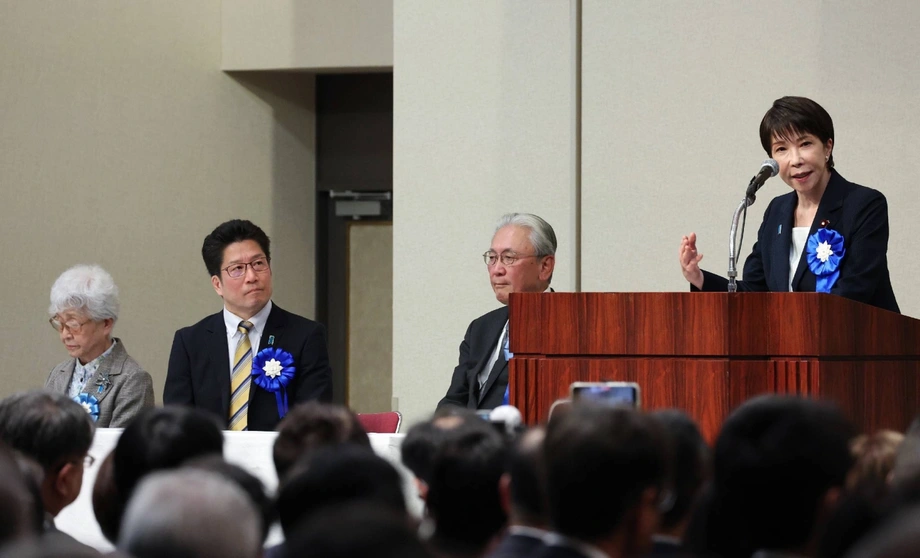
Tokyo rally puts a human deadline on diplomacy
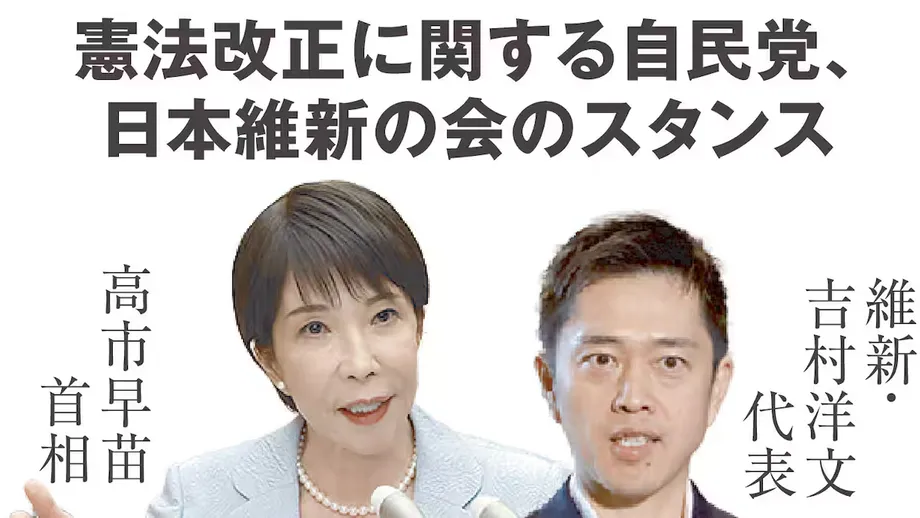
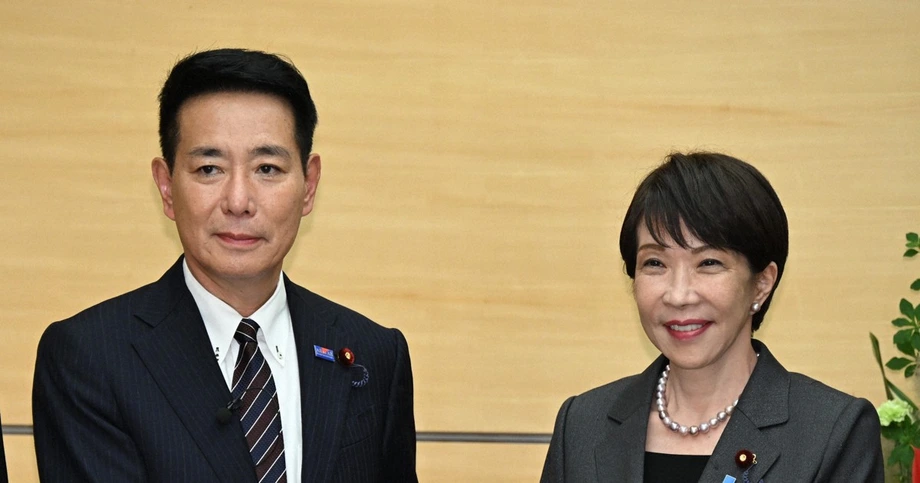
Japanese Prime Minister Sanae Takaichi renewed her pledge to resolve North Korea's abduction of Japanese citizens during her term at a Tokyo rally on November 8, 2026, where about 800 people demanded the immediate return of all victims. Among them was Sakie Yokota, 90, the only remaining parent among families of government recognized abductees still awaiting their loved ones.
Contents
- Tokyo rally puts a human deadline on diplomacy
- What Takaichi wants from a meeting with Kim
- Washington is being asked to open a door
- The 12 people Japan still seeks
- A mother waiting since 1977
- Children have spent their lives waiting, too
- How the effort reached this point
- The government promises a final push
- Key Points
Japan recognizes 17 citizens as having been abducted by North Korea in the 1970s and 1980s. Five returned in 2002. Tokyo continues to seek the return of the other 12, while Pyongyang says eight have died and four never entered North Korea.
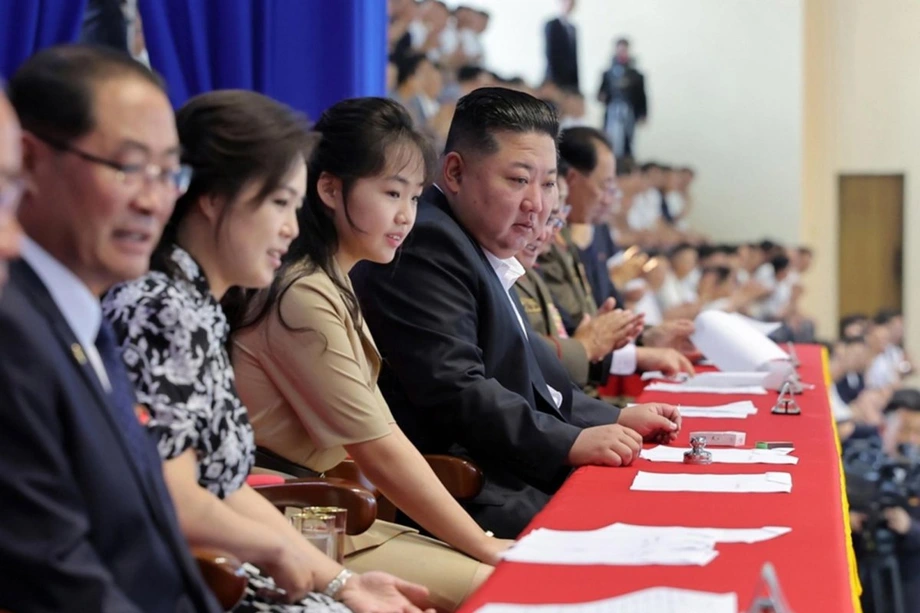
Takaichi said she wanted to meet North Korean leader Kim Jong Un directly and speak frankly. She also expressed readiness to take concrete action to bring about a summit, calling for constructive efforts by both countries.
The families gathered in Tokyo sought something more immediate than a promise of talks: government action that would bring their relatives home while the parents waiting for them are still alive. The rally adopted a resolution calling on North Korea to return all abductees within that shrinking window.
Takaichi, who took office in October 2025, acknowledged the pain of reaching a year in office without securing their return. Addressing the gathering, the prime minister connected her diplomatic pledge to the families' hopes:
I feel very sorry that the abductees have not yet been able to return home. I am determined to make a breakthrough during my tenure, and my mission will not end until the day their families can embrace their loved ones again.
What Takaichi wants from a meeting with Kim
Takaichi has repeatedly expressed willingness to hold a summit with Kim since becoming prime minister. A summit is a direct meeting between national leaders, giving them an opportunity to make decisions that officials negotiating below them may lack authority to approve.
Her proposal places personal responsibility for a breakthrough at the top of both governments. She said her determination to resolve the issue during her term remained unchanged and that she would continue working toward concrete results.
Japan has sought contact with North Korea through several channels. Takaichi's latest remarks paired that outreach with an appeal for both sides to work constructively for their future, while keeping the return of abducted citizens at the center of her message.
No summit date or detailed plan for opening talks was announced. Takaichi also said there had been no meaningful progress in dialogue since her September meeting with U.S. President Donald Trump.
Washington is being asked to open a door
Japan is seeking U.S. help to establish dialogue with Pyongyang. Takaichi said she had again received Trump's full support for an immediate resolution of the abduction issue.
During a September summit in the United States, Takaichi reportedly asked Trump to help arrange a meeting between her and Kim if a U.S. summit with North Korea takes place. Her approach would use a possible opening between Washington and Pyongyang to create an opportunity for Japan to pursue its own unresolved cases.
The request makes American diplomacy part of Tokyo's effort to reach the North Korean leadership. Japan wants Washington to help secure access, while Takaichi is offering to conduct the central discussion with Kim herself.
The abduction issue also featured in October's three country talks involving the United States, South Korea and Japan. At that meeting, Tokyo welcomed continued American and South Korean support for resolving the abductions, alongside commitments on North Korea's nuclear weapons and sanctions enforcement.
Those discussions show the setting in which Takaichi is pursuing her initiative. Japan's demand for the return of its citizens sits alongside wider negotiations over security on the Korean Peninsula. For the families, however, the practical measure of success is whether their relatives come home.
The 12 people Japan still seeks
North Korea first acknowledged abducting Japanese citizens when then Japanese Prime Minister Junichiro Koizumi visited Pyongyang in September 2002. Kim Jong Il, North Korea's leader at the time and Kim Jong Un's father, admitted the abductions and apologized.
Five victims returned to Japan the following month. They represent five of the 17 people recognized by the Japanese government, or about 29 percent. The remaining 12 account for about 71 percent, meaning more than two thirds of the recognized cases remain without the return Japan is seeking.
Pyongyang maintains that eight of those 12 people died and that the other four never entered North Korea. It regards the matter as closed. Tokyo continues to demand their return, leaving the two governments far apart on the central question of what happened to them.
Japan and North Korea agreed in 2014 to reinvestigate the issue. North Korea halted that investigation two years later. Takaichi is therefore seeking a new opening after a previous agreement to examine the cases ended without the returns the families wanted.
A mother waiting since 1977
Megumi Yokota was 13 when she was abducted in 1977. Her mother, Sakie, has spent almost five decades waiting for her return. At 90, she embodies the urgency behind the rally's demand that the abductees come home while members of the parents' generation are still alive.
Sakie Yokota described the pain of losing a child she had raised and the long struggle to bring her home:
I feel indescribable heartache and sorrow because a family member I raised with great care was taken away.
Her appeal also urged continued unity after decades without the reunion her family has sought:
For almost 50 years, we have been unable to save her. We must continue to show, with one united heart, that we will never allow the abduction issue to be left unaddressed.
Megumi's younger brother, Takuya Yokota, 58, heads the Association of Families of Victims Kidnapped by North Korea and was one of the rally's organizers. He described the pressure on the aging parents and asked supporters to maintain their determination:
The parents of abductees are living each day on the edge,
I want everyone to continue fighting with us with a strong determination never to give up until all abductees return home.
Children have spent their lives waiting, too
Koichiro Iizuka, 49, attended as the eldest son of Yaeko Taguchi, who was abducted in 1978 at the age of 22. His family's experience shows how the kidnappings have shaped the lives of children as well as parents and siblings.
Iizuka told the gathering that he could not accept the wait stretching to 50 years. His mother was taken when she was a young adult; her son is now approaching the age that marks half a century of his own life.
The families and their supporters called for concrete government measures to secure every victim's return as soon as possible. Their demand for an immediate and collective return means bringing all the abductees home together, rather than accepting a process that leaves some families waiting indefinitely.
The rally's resolution gave that demand a direct human deadline: the remaining parents should be able to see their children again. For Sakie Yokota and the other relatives, each additional year carries a personal cost that a diplomatic timetable cannot reverse.
How the effort reached this point
The present push follows decades of abductions, admissions, limited returns and interrupted negotiations. The key dates explain why the families are pressing for action rather than another open ended process.
- 1970s and 1980s: The period in which Japan says its 17 recognized victims were abducted by North Korea.
- 1977: Megumi Yokota was abducted at the age of 13.
- 1978: Yaeko Taguchi was abducted at the age of 22.
- September 2002: Kim Jong Il acknowledged the abductions and apologized during Junichiro Koizumi's visit to Pyongyang.
- October 2002: Five abductees returned to Japan.
- 2014: Japan and North Korea agreed to reinvestigate the issue.
- 2016: North Korea halted the investigation.
- October 2025: Takaichi became prime minister.
- September 2026: Takaichi sought Trump's help in opening dialogue with North Korea.
- November 8, 2026: About 800 people gathered in Tokyo to demand the immediate return of all abductees.
The five returns in 2002 remain the concrete result against which the current effort is measured. Twenty four years later, Takaichi is again seeking direct contact with North Korea's leader, while families insist that any new diplomatic opening produce reunions.
The government promises a final push
Chief Cabinet Secretary Minoru Kihara, who also oversees the abduction issue, told the rally there was no time to lose. He said the administration was working every day with the resolve to be the final government required to handle the issue and pledged the government's full effort.
Takaichi and Kihara's commitments put the burden of results on the current administration. Their stated goal is to end the families' wait during their time in government, rather than pass the unresolved cases to another administration.
The immediate diplomatic task is to turn the request for U.S. help and the offer of direct talks into engagement with Pyongyang. The families' demand is more concrete still: the return of every abductee, soon enough for those who have waited longest to welcome them home.
Key Points
- Takaichi renewed her pledge to resolve the abduction issue during her term and sought direct talks with Kim Jong Un.
- About 800 people attended the November 8 rally in Tokyo, calling for all abductees to return immediately.
- Japan recognizes 17 abducted citizens. Five returned in 2002, and Tokyo seeks the return of the remaining 12.
- North Korea says eight of those 12 died and four never entered the country.
- Takaichi is seeking U.S. help to arrange dialogue and says Trump has given her full support.
- Sakie Yokota, 90, is the only remaining parent among families of recognized abductees still awaiting their return.
- The rally urged North Korea to return all abductees while members of the parents' generation are alive.