A land expansion tied to food, fuel and rural incomes
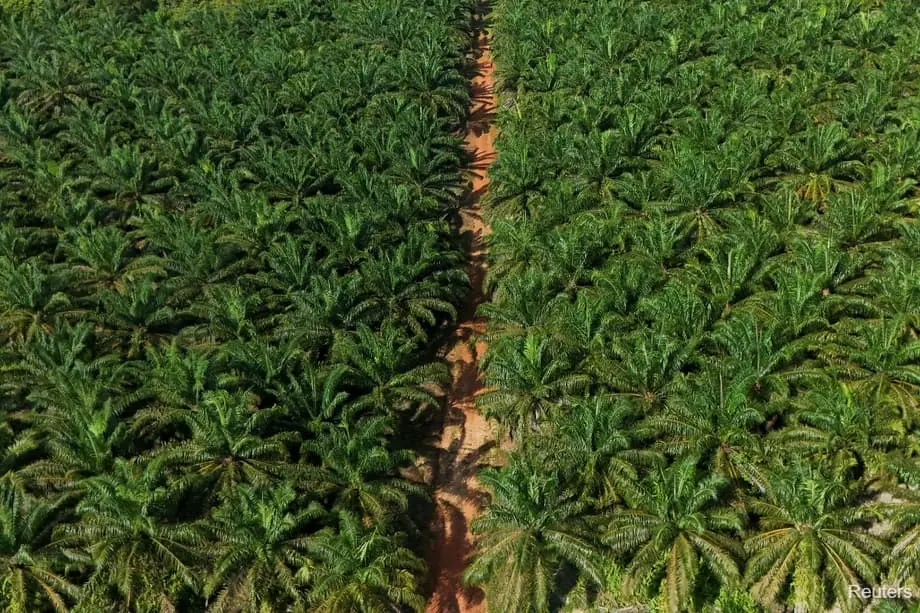
Indonesia plans to open 600,000 hectares of new palm oil plantations over four years, with 400,000 hectares allocated to smallholder partnerships and an initial 200,000 hectares offered to state firm PalmCo. The Agriculture Ministry expects the additional land to produce roughly two million tons of palm oil when fully planted.
Contents
- A land expansion tied to food, fuel and rural incomes
- Who would receive the new land?
- Why forests and plantations are different
- How biodiesel is changing demand
- The production outlook and policy timeline
- Why replanting existing farms is slow
- The jobs, exports and governance stakes
- What the deforestation debate turns on
- Could higher yields reduce the need for land?
- Which decisions matter next?
- What to Know
As of November 14, 2025, the plan marks a policy turn after a freeze on new plantation permits lapsed in 2021. Officials want to lift stagnant production while securing enough palm oil for food and transport fuels. Indonesia already has about 16 million hectares planted with oil palm, but average yields have fallen to around 3.8 tons per hectare from more than four tons in 2020.
The proposed expansion comes as Indonesia considers raising its biodiesel requirement from B40, a blend containing 40 percent palm based biodiesel, to B50 in 2026. More palm oil going into fuel could leave less available for exports, making the pace of production growth important for farmers, food markets and energy planners.
The government says forests and peatlands will not be cleared. It has not specified the type or location of the land to be used. Greenpeace, other environmental groups and academics warn that suitable land outside forests and free of competing claims is scarce, creating risks of environmental damage and disputes with communities.
The choices are closely connected: expanding plantations could increase supply, while improving existing farms could produce more oil without requiring additional land. Both approaches take investment and time, particularly when farmers must wait several years for newly planted trees to bear fruit.
Who would receive the new land?
Smallholders would receive two thirds of the proposed area through partnership schemes known in Indonesia as plasma. Under these arrangements, farmers cultivate oil palm with a company providing seedlings, advice on growing the crop and access to mills that process the harvested fruit.
The partnerships are intended to spread income to rural communities while improving oversight and traceability, meaning the ability to follow palm oil back to the farms where it originated. Allocating 400,000 hectares to plasma schemes ties the expansion to rural livelihoods as well as national energy supplies.
PalmCo would initially receive 200,000 hectares, while private companies would also be invited to participate. Officials have pledged to avoid forests and peatlands, leaving land selection and screening central to whether the program can raise production without creating fresh environmental damage or conflicts.
The practical challenge is to identify land that is suitable for oil palm, available for development and not already subject to community claims. Environmental groups argue that moving quickly without precise maps could bring new plantations into sensitive ecosystems or disputed areas.
Why forests and plantations are different
President Prabowo Subianto added to the debate at a public event in early January 2025, when he compared oil palms with forest trees while seeking to ease concerns about plantation expansion.
Oil palms are trees, they have leaves.
Professor Budi Setiadi Daryono, Dean of the Faculty of Biology at Gadjah Mada University, responded that plantations lack the complex habitats found in forests and support far less wildlife.
Palm oil plantations cannot serve as wildlife habitats and have almost no biodiversity.
A plantation monoculture is an area dominated by a single crop. Natural forests contain a much wider variety of plants and habitats. Scientists warn that replacing that variety with oil palm removes the conditions many species need to survive, even though the resulting plantation still contains trees.
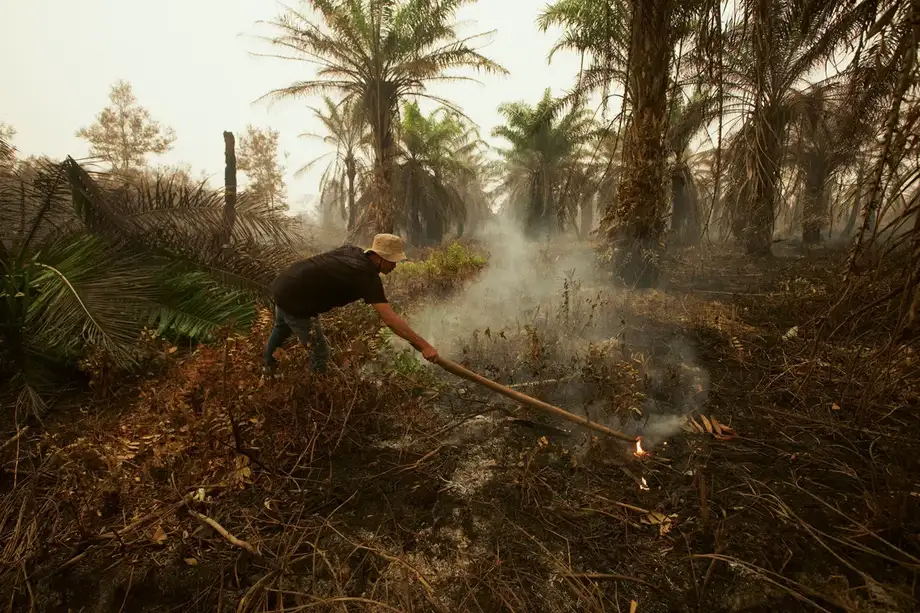
Peatlands present another concern. Their soils store large quantities of carbon, and draining them for plantations can release emissions and increase the risk of fires and prolonged haze. Clearing forests with large carbon stores would also work against Indonesia's climate commitments.
Avoiding peatlands and primary forests, protecting vegetation beside rivers and keeping cultivation away from steep slopes are central safeguards. They also matter commercially because corporate commitments against deforestation help determine access to premium markets.
How biodiesel is changing demand
Indonesia introduced its nationwide B40 mandate in early 2025, requiring diesel sold at the pump to contain 40 percent palm based biodiesel. Policymakers aim to move to B50 as soon as 2026, increasing the required share to 50 percent.
Estimates put biodiesel consumption at about 14 million to 15 million tons under B40, potentially rising toward 18 million tons under B50. The United States Department of Agriculture's foreign service projects total Indonesian domestic palm oil use, including food and industry, at around 22.6 million tons in the 2025 to 2026 season.
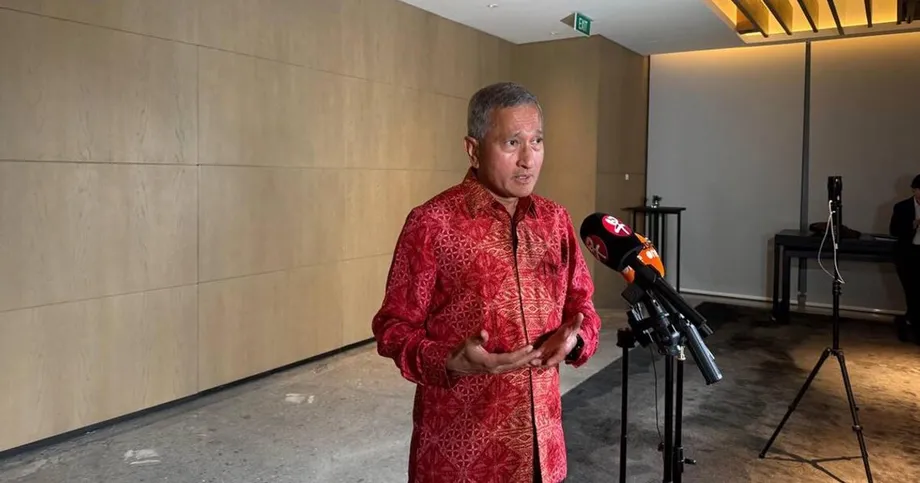
Eniya Listiani Dewi, Director General of New, Renewable Energy and Energy Conservation at the Energy and Mineral Resources Ministry, said the next step was still being assessed.
The government has not yet made a final decision on implementing the B50 policy in 2026, and we are still calculating the volume of FAME required.
FAME is the biodiesel component mixed with conventional diesel. Calculating how much is needed helps determine the palm oil supply and processing capacity required for a higher blend.
Officials say biodiesel can reduce petroleum imports and transport emissions. Economists point to the need for sustained subsidies, more biodiesel production capacity and dependable palm oil supplies. Weather, fertilizer costs and global prices can all affect whether the program has enough affordable raw material.
Export levies and rules governing domestic sales can help cushion those pressures. They also redistribute costs, sometimes placing more of the burden on consumers or the state budget. A higher blend therefore involves decisions about public spending and food supplies as well as fuel.
The production outlook and policy timeline
The USDA foreign service forecasts Indonesian palm oil production of about 47 million tons in the 2025 to 2026 season, supported by better weather and greater fertilizer use. It also expects some immediate improvement as fertilizer costs ease and weather conditions normalize.
The forecast sits alongside a longer period of largely flat production as trees age and productivity declines. Higher domestic demand could absorb more crude palm oil even when output improves, leaving fewer volumes available for overseas buyers.
Several dates explain how Indonesia reached the current decision:
- 2020: Average palm oil yields were above four tons per hectare, compared with roughly 3.8 tons in the current account.
- 2021: The freeze on new plantation permits lapsed.
- Early January 2025: President Prabowo publicly compared oil palms with forest trees.
- Early 2025: Indonesia introduced the nationwide B40 biodiesel mandate.
- November 14, 2025: The government plans 600,000 hectares of expansion over four years, while B50 remains under review.
- 2026: Policymakers aim to introduce B50 as soon as this year, subject to a final decision.
The proposed plantations and the biodiesel timetable require different kinds of preparation. Fuel policy depends on available oil and processing capacity, while new planting requires land screening, development and time for trees to become productive.
Why replanting existing farms is slow
Indonesia's smallholders generally produce much less oil per hectare than corporate estates. Many smallholder plots contain trees older than 25 years, reducing output and increasing exposure to pests and disease.
The government has promoted subsidized replanting so farmers can replace aging trees with more productive varieties. Official figures put the area approved for replanting at about 400,000 hectares against a target of 2.5 million hectares. That is approximately 16 percent of the target, calculated from those figures.
Farmers face problems with land titles, paperwork and the loss of income while replacement trees grow. The wait before new trees bear fruit is three to four years, a difficult period for households that depend on their plots for daily expenses.
Finance to cover living costs during that period could help farmers replant. Larger grants for certified seedlings, simpler checks on land documents and stronger agricultural advisory services could also address barriers that have slowed participation.
Better fertilizer access and advice on crop management can improve yields on existing plantations. Some studies suggest national yields could move toward six tons per hectare with better seeds and management, compared with the current average of roughly 3.8 tons.
Lasting gains would depend on how quickly replanting reaches millions of hectares of smallholder farms. Coordination and finance that can support farmers through several years without harvest income are central to that effort.
The jobs, exports and governance stakes
Palm oil is a major source of employment and export earnings. The Agriculture Ministry's plantation directorate says the sector accounted for more than half of Indonesia's agricultural export value in 2024 and generated about 4.2 million direct jobs, with another 12 million jobs in related activities.
Abdul Roni Angkat, Director General of Plantation, described the sector's contribution to foreign exchange and rural livelihoods while speaking at the Indonesian Palm Oil Conference.
More than half of Indonesia's agricultural export value is dominated by palm oil.
The employment figures help explain why the government wants smallholders to receive a large share of the new area. Production policy affects families working on farms, as well as people employed in processing, transport and other related activities.
Authorities have also identified irregularities across parts of the industry, including millions of hectares of plantations without proper permits. Auditors say these problems have cost the state substantial revenue.
Clear mapping, enforcement and transparent collection of taxes and royalties are needed to bring those areas into compliance. The same governance issues affect confidence in Indonesian supplies at home and in export markets, where buyers increasingly want to know how and where palm oil was produced.
What the deforestation debate turns on
Industry aligned analyses argue that palm oil accounts for a minority of Indonesia's total forest loss over the longer historical period. They say many plantations were established on degraded land after earlier waves of logging, and point to improvements in monitoring and corporate policies since deforestation rates peaked years ago.
Conservation researchers stress that oil palm has been a major driver of old growth forest loss over the past two decades, particularly in Sumatra and Kalimantan. They warn that converting natural forests breaks up wildlife habitats and places endangered species under greater pressure.
Peat conversion adds emissions and fire risks to the loss of habitat. Plantations on degraded mineral soils carry much lower climate costs than plantations replacing primary forests or peatlands.
Location therefore sits at the center of the expansion debate. The government's promise to avoid forests depends on accurate land identification, protection of sensitive areas and checks on community claims before development begins.
Could higher yields reduce the need for land?
Indonesian civil society groups have modeled a scenario in which continuing current practices while pursuing higher biodiesel blends would require millions of additional hectares of palm plantations. Their analysis warns of billions in ecological and social costs.
An alternative scenario prioritizes replanting older farms, better seeds and investment in community scale biofuels made from used cooking oil and crops other than oil palm. It argues that Indonesia could meet fuel mandates without deforestation if yields rise and systems for collecting alternative raw materials expand.
The proposed approach also aims to spread income locally. It would require investment both on farms and in the collection and processing networks needed to turn other raw materials into usable fuel.
The same analysis says Indonesia is already close to the environmental carrying capacity for oil palm area, meaning the amount of cultivation the environment can sustain. It calls for keeping expansion near current levels and concentrating on greater production from existing land, rehabilitation and better governance.
The two strategies involve different demands on public policy. Expansion requires credible land screening and safeguards, while productivity improvements require farmers to gain access to seedlings, fertilizer, technical support and money to survive the replanting period.
Which decisions matter next?
Authorities face pressure to publish a credible inventory of land outside forests and peatlands where community claims have been checked. Transparent geographic data would allow communities and watchdogs to examine whether proposed sites meet those conditions.
Smallholder replanting would need stronger finance, crop insurance and income support during the years without production. Enforcement against illegal clearing would also need routes into compliance for growers who meet environmental criteria.
Energy planners face a related decision over how quickly to raise the biodiesel blend. A flexible mandate that takes account of available raw materials, government finances and food price stability could help manage the competing demands on palm oil.
Export markets create another reason to improve traceability. Europe's deforestation regulation and stricter requirements in destination markets increase the value of certification and proof that supplies are free of deforestation, especially where peatlands and primary forests are concerned.
Industry trackers say a growing share of global palm oil supply meets standards against deforestation, supported by satellite monitoring, blockchain traceability and stronger corporate policies. Programs that help Indonesian producers, including smallholders, enter verified supply chains could improve their access to those markets.
The immediate policy challenge is to align the proposed 600,000 hectares with smallholder livelihoods, food and fuel demand, climate commitments and export requirements. Land transparency, faster replanting and the pending B50 decision will shape how those goals are pursued.
What to Know
- Indonesia plans 600,000 hectares of new oil palm plantations over four years, including 400,000 hectares for smallholder plasma schemes and an initial 200,000 hectares for PalmCo.
- The Agriculture Ministry expects roughly two million tons of additional output when the new area is fully planted.
- Officials promise to avoid forests and peatlands, but have not identified the land to be used.
- B40 began in early 2025. B50 is being considered for 2026, with no final decision as of November 14, 2025.
- The USDA foreign service forecasts about 47 million tons of production and 22.6 million tons of domestic use in the 2025 to 2026 season.
- About 400,000 hectares have been approved for replanting against a target of 2.5 million hectares, while farmers face paperwork and several years without harvest income.
- Scientists warn that plantations support far less biodiversity than forests and that peat conversion increases emissions and fire risks.
- Higher yields, alternative biofuel raw materials, stronger governance and traceable supplies are central to proposals for meeting demand with less pressure on land.