A year of relief, with restrictions still in place
China has suspended a group of critical mineral export controls for one year following the October 30 meeting in Busan between President Donald Trump and President Xi Jinping. The pause gives American manufacturers a window to obtain materials used in semiconductors, defense systems, batteries and advanced manufacturing, while leaving parts of China's export licensing system intact.
Contents
- A year of relief, with restrictions still in place
- What Beijing changed
- How the dispute reached this pause
- What Washington and Beijing exchanged
- Why factories depend on these materials
- Chips, batteries and defense face different pressures
- The April controls and the licensing gap
- When American buyers might see deliveries
- The automotive chip commitment reaches beyond minerals
- What could unsettle the agreement
- Companies are keeping alternative suppliers in view
- Key Points
As of November 10, 2025, the package combines relief from Chinese mineral restrictions with American tariff concessions. China's Ministry of Commerce announced the suspension of rules introduced on October 9 covering certain rare earth elements, lithium battery materials, magnets, processing equipment and other inputs used across technology supply chains. Those measures were due to tighten through December.
Beijing also reversed earlier retaliatory limits on exports to the United States of gallium, germanium, antimony and industrial super hard materials, including synthetic diamonds and boron nitrides. It suspended stricter checks on the customers and intended uses of shipments of graphite classified as suitable for both civilian and military purposes.
Washington agreed to lower tariffs on Chinese goods by ten percentage points, pause a planned escalation of reciprocal tariffs until November 10, 2026, and postpone a September 29 rule that would have extended a trade blacklist to subsidiaries majority owned by listed Chinese companies.
The agreement eases a dispute that has unsettled suppliers, automakers and defense contractors around the world. Its practical effect now rests partly on export permits and customs processing: factories need the materials to arrive, alongside the announcements that they can be shipped. Separate Chinese restrictions introduced on April 4 remain active, including licensing for seven rare earth elements and powerful magnets made from them, and a ban on exports for military applications.
What Beijing changed
China's Ministry of Commerce described a suspension lasting one year for the October 9 controls. The affected products include rare earth materials and equipment used to manufacture or process them, lithium battery inputs, and technologies used in semiconductor and solar production. The announcement pauses this newer package rather than permanently removing it.
The earlier restrictions being reversed were imposed in December last year. They targeted gallium, germanium, antimony and several super hard materials used for cutting, polishing and managing heat in chipmaking and aerospace. Graphite exports to American customers also gain relief from an additional layer of verification.
Chinese authorities classify many of these materials as dual use. In plain terms, the same material can serve a civilian factory or a military program. Export reviews therefore examine both the buyer, known as the end user, and the purpose for which the material will be used, known as the end use.
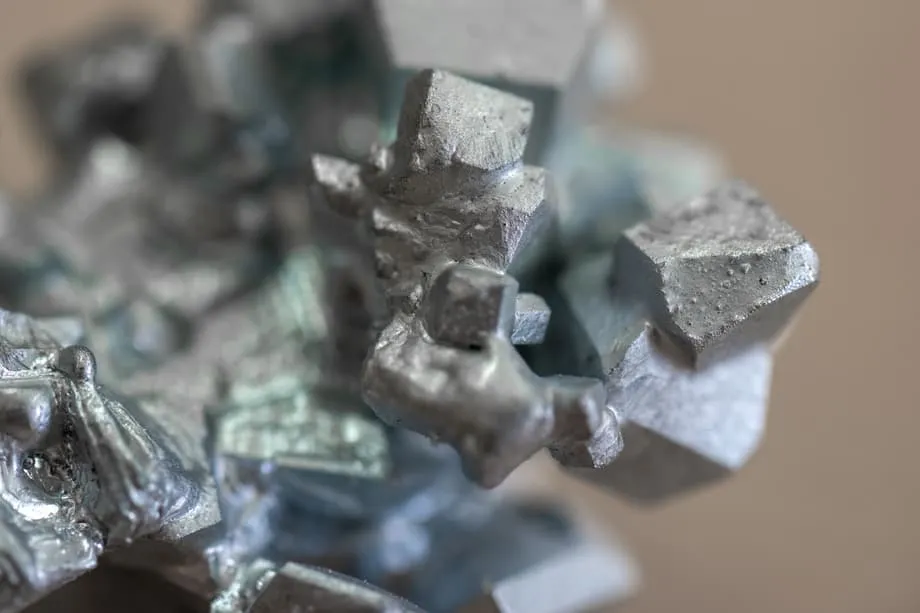
Gallium supports gallium nitride and gallium arsenide chips used in radio frequency components and power electronics. Germanium is used in fiber optics, infrared optics and some solar applications. Antimony strengthens alloys and is used in munitions, some rechargeable batteries and flame retardants.
Synthetic diamonds and boron nitrides supply cutting tools and heat spreaders, which move heat away from sensitive components. Their role extends to machining advanced alloys and protecting electronics from heat. These uses explain why restrictions on small quantities of specialized materials can affect much larger manufacturing operations.
How the dispute reached this pause
The Busan agreement followed several rounds of restrictions and retaliation. The dates show how the new suspension sits alongside older controls that continue to govern trade.
- December last year: China imposed retaliatory limits on exports to the United States of gallium, germanium, antimony and several super hard materials.
- April 4: China introduced controls on seven rare earth elements and some magnets, including licensing requirements and restrictions on military uses.
- September 29: Washington announced a rule extending its trade blacklist to subsidiaries majority owned by listed Chinese companies.
- October 9: Beijing introduced a wider package covering rare earth products, manufacturing equipment, battery inputs and related technologies.
- October 30: Trump and Xi met in Busan, leading to the mineral reprieve and broader trade package.
- November 10, 2026: The agreed American pause on a planned escalation of reciprocal tariffs is due to run until this date.
The October package was set to tighten through December, making its suspension relevant to purchasing decisions already under way. The April rules remain a separate part of the system, so buyers still have licensing obligations even as the newer restrictions are paused.
What Washington and Beijing exchanged
Washington's tariff reduction lowers duties on Chinese goods by ten percentage points. Tariffs are taxes charged on imports, so the concession changes the cost of bringing affected goods into the United States. The accompanying pause on a planned reciprocal tariff increase runs until November 10, 2026.
The United States also agreed to delay the September 29 blacklist rule. That measure would have extended restrictions to subsidiaries majority owned by Chinese companies already on the entity list, a trade blacklist. Postponing it forms another part of the exchange for China's mineral concessions.
Beijing's commitments extend beyond minerals. China agreed to curb shipments of certain chemicals used to make fentanyl to North America and to ease bottlenecks affecting older automotive chips associated with a Chinese owned supplier. Chinese customs also reinstated permissions for several American agricultural exporters, including soybean shippers, and for log exports.
The White House described China's mineral commitments in broader terms, saying Beijing would lift rare earth export restrictions and issue general licenses covering gallium, germanium, antimony and graphite for American end users and their suppliers. General licenses could cover routine shipments more broadly than permits considered individually.
The White House, speaking for the Trump administration in a public fact sheet, presented the package as a major economic and security achievement:
The agreement is a massive victory that safeguards U.S. economic strength and national security.
The package brings together mineral access, tariffs, company restrictions, chemicals, agriculture and automotive components. Its reach reflects how months of measures and countermeasures had spread across several industries rather than remaining confined to a single trade dispute.
Why factories depend on these materials
China processes most of the world's rare earths and supplies a large share of the magnets used in electric motors. The United States still imports the bulk of its rare earth feedstocks from China. That concentration makes Chinese licensing decisions consequential for manufacturers far beyond the mining industry.
A single fighter jet contains hundreds of kilograms of rare earth compounds. Electric vehicles use rare earth magnets in their motors and graphite rich material in battery anodes. An anode is one of the battery's two main electrodes, and graphite is the dominant material used for it in lithium ion batteries.
Smartphones, data centers and 5G base stations use gallium, germanium and high performance ceramics to process signals and control heat. A restriction affecting any one of these inputs can require manufacturers to change suppliers, alter designs or slow production.
Factories need materials with the right properties, not simply a substitute bearing a similar name. Defense programs face particularly long qualification cycles when introducing new materials. Changing a supplier can therefore take time even when another source is available.
Chips, batteries and defense face different pressures
Gallium is used in efficient power electronics and radio frequency chips supporting fast charging, radio units and radar. Germanium appears in fiber optic systems and certain advanced photonics, technologies that work with light. More dependable shipments could ease pressure on semiconductor factories and makers of telecommunications equipment.
Chinese licensing and customs reviews will still influence that benefit. Chip and telecommunications companies will watch whether officials issue broad licenses for regular shipments or continue to assess approvals individually.
Battery makers face a related concern over graphite. China dominates the processing of both natural and synthetic graphite, and additional reviews of end users had slowed transfers. Suspending those checks for American customers may speed the movement of battery materials across the Pacific.
Electric vehicle production and projects that store electricity for power grids would feel any substantial interruption in graphite supply. Rare earth magnets also sit inside wind turbines and electric drivetrains, linking mineral access to the timing of clean energy projects as well as vehicle output.
Defense and aerospace companies rely on rare earth elements in small amounts across many systems, including precision guided munitions and avionics, the electronic systems used in aircraft. Super hard materials are needed for machining advanced alloys and controlling heat, while antimony has applications in ammunition and flame retardants.
The military draws on commercial supply chains for many of these materials. A new licensing requirement or export restriction can therefore affect defense programs through the same suppliers that serve civilian industry. The long process of approving replacement materials makes interruptions especially difficult to resolve quickly.
The April controls and the licensing gap
China's April 4 controls continue to cover seven rare earth elements and some magnets. They require foreign buyers to disclose extensive technical information, limit licenses to short periods, often six months, and prohibit exports for military end use.
Manufacturers in the United States and Europe continue to report tight supplies of high performance magnets used in motors and robotics despite the suspension of the October package. Their immediate concern is how the remaining rules will operate alongside the promised relief.
American officials describe China's commitment as providing general licenses that would remove most routine friction from shipments of rare earths, gallium, germanium, antimony and graphite. Chinese officials have said licenses will be issued, but have not specified their scope, duration or the technical details companies must submit.
Past export permits could take around forty five days and required substantial disclosures. Industry executives expect faster approvals under the truce, while waiting for permits to arrive and cargo to clear customs.
U.S. Treasury Secretary Scott Bessent, who had warned that the October 9 controls posed a severe threat to supply chains, welcomed their suspension for one year. He described the reach of the original package beyond American factories:
The October rules were a bazooka at the supply chains and the industrial base of the entire free world.
Bessent's concern centered on the international reach of the restrictions. Companies outside the United States also depend on Chinese materials and equipment, and European manufacturers continue to face difficulty obtaining some magnets.
When American buyers might see deliveries
Chinese exporters must apply for permits, with officials reviewing the customer and intended use. During the trade confrontation, approvals for American buyers were slow, and some applications had little chance of succeeding. The truce changes the conditions under which those requests are considered.
Chinese officials are expected to prioritize routine applications and shorten review times. Companies that prepared their documents in advance may receive decisions within weeks rather than months. Industry expectations still depend on the actual handling of applications and shipments.
Gallium and germanium typically move in small shipments with high value, while graphite and magnet inputs move in bulk. Deliveries must pass through logistics networks that remain under strain. Freight and insurance costs are manageable compared with the risk of another policy reversal.
Procurement teams are expected to build buffer inventories and approve at least one additional supplier outside China, even when that supplier charges more. Extra stock provides time to respond to a delay, while another qualified source gives a factory a purchasing option when its regular supplier cannot deliver.
A lasting reduction in supply risk will depend on a clear written licensing framework and consistent processing by provincial commerce offices and customs authorities. Those administrative steps determine whether the announced pause translates into predictable deliveries.
The automotive chip commitment reaches beyond minerals
Beijing agreed to take steps allowing a semiconductor subsidiary under Dutch ownership, with operations in China, to resume exports of older microcontrollers and power devices used in vehicles. The agreement addresses bottlenecks affecting chips tied to a Chinese owned supplier.
Automakers that struggled to obtain those components during periodic shortages could benefit from uninterrupted exports from factories in China. That relief would complement improved gallium and germanium availability for telecommunications and chips that manage power.
Wind turbine manufacturers and producers of electric drivetrains will also reassess ordering schedules. Better access to rare earth magnets may encourage them to accelerate orders if they gain confidence that shipments will avoid sudden blocks.
Battery producers will monitor graphite classifications closely. A return to stricter reviews could squeeze supplies for anodes and disrupt production plans. European companies face similar purchasing challenges, with some still reporting difficulty obtaining magnets despite the latest pause.
What could unsettle the agreement
The truce remains vulnerable to renewed disputes over technology restrictions or sanctions. Previous episodes have shown that new controls can arrive with little warning and that approvals can slow even when no new rule has been announced. Either route can interrupt supplies.
Chinese authorities recently issued Announcement No. 62, expanding rare earth oversight to products containing even small amounts of the elements by value. Its reach illustrates how controls can extend through international supply chains into products made with restricted inputs.
Policy discussion inside China has also pointed toward possible tightening involving tungsten, silver and antimony in coming years. Such discussion adds to purchasing uncertainty while manufacturers assess the duration of the present relief.
If the pause expires without an extension, or restrictions shift to related materials, American and allied manufacturers would again face decisions about prices, product designs and inventories. The agreement gives them a year of relief from the newer package while keeping those planning pressures alive.
Companies are keeping alternative suppliers in view
Some automakers and electronics manufacturers are arranging supply agreements lasting several years with miners outside China, including in Australia, North America and Africa. Other companies are redesigning motors to use fewer rare earths or approving ferrite magnets where their performance is sufficient.
Battery producers are testing anodes containing more silicon to reduce their dependence on graphite. Recycling programs for magnets and electronics are expanding, although their volumes remain small compared with demand. Each approach gives manufacturers another way to manage a possible supply interruption.
The United States is funding magnet, graphite and battery projects under recent industrial policy laws. Allies in Europe and Asia are mapping critical supply chains and setting procurement standards for vendors considered to carry high risks.
These efforts will take time to reduce dependence on China. For now, the Busan agreement offers purchasing relief alongside continuing licensing requirements. Manufacturers are using that window to seek dependable shipments and more options if controls return or approvals slow.
Key Points
- China suspended the October 9 critical mineral and related technology controls for one year following the October 30 Trump and Xi meeting in Busan.
- Beijing reversed earlier U.S. export limits on gallium, germanium, antimony and super hard materials, and suspended extra graphite verification checks.
- Washington agreed to reduce tariffs by ten percentage points, pause a planned tariff escalation until November 10, 2026, and delay an expansion of its trade blacklist.
- The April 4 controls on seven rare earth elements and some magnets remain active, including licensing requirements and restrictions on military use.
- The White House described general licenses for key materials; China has yet to specify their scope, duration and application requirements.
- The package also covers fentanyl precursor chemicals, automotive chip exports and restored permissions for American agricultural trade.
- Manufacturers expect quicker approvals while developing alternative suppliers, redesigning products and expanding recycling.