A new aviation hub takes shape beside Kinmen
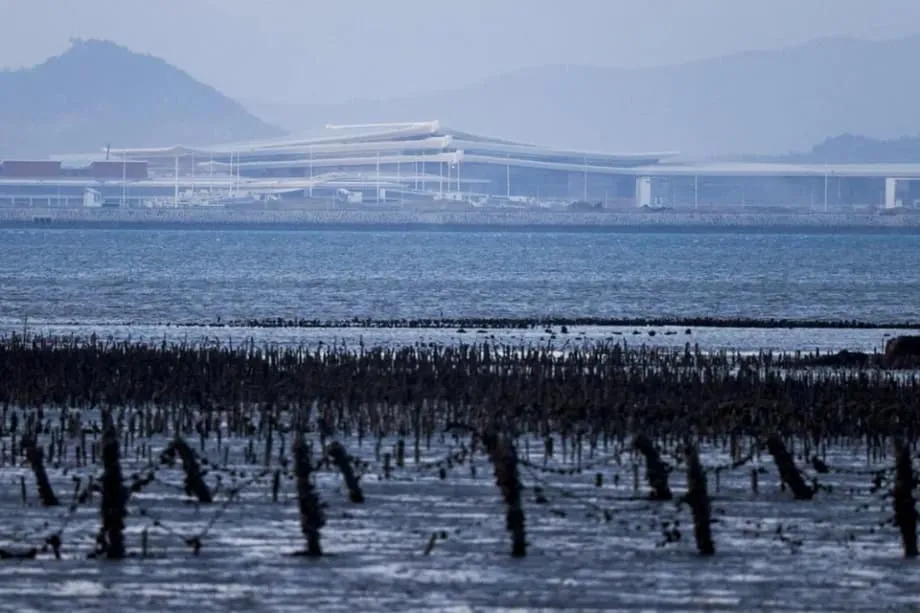
Taiwan's Civil Aviation Administration says China has not shared essential operational plans for Xiamen Xiang'an International Airport, a major new hub nearing completion about 3 km from the closest point of the Taiwan controlled Kinmen islands. The distance between the new airport and Kinmen airport is less than 10 km, making coordination over takeoffs, landings and airspace an immediate concern.
Contents
- A new aviation hub takes shape beside Kinmen
- Why the distance between the airports matters
- What Taiwan needs to assess the risks
- How a shared operating plan could work
- Where aircraft could encounter conflicts
- A political freeze complicates technical contact
- Earlier air route disputes shape the context
- Travel, trade and dependence on Xiamen
- What must happen before flights begin
- Key Points
As of November 6, 2025, construction is advancing toward a planned opening as early as 2026. Taiwan's regulator says it still lacks the minimum information needed to assess risks, design procedures that keep aircraft apart and update the instructions pilots use.
Dadeng Island, where the airport is being built on reclaimed land, faces Kinmen and Quanzhou Bay. Construction is visible and audible from Kinmen. Cranes, floodlights and dredging have transformed the shoreline opposite the islets as work accelerates.
Xiang'an is intended to replace Xiamen Gaoqi as the main airport serving Xiamen. Planning documents describe multiple long runways suitable for widebody aircraft and a large terminal capable of handling tens of millions of passengers a year by 2030. That would place a busy aviation hub beside a sensitive frontier.
Kinmen airport is much smaller. It mainly handles domestic services to Taipei, Taichung and Kaohsiung, alongside occasional international charters. Traffic peaks on weekends and holidays, when visitors arriving by ferry from Xiamen transfer to flights within Taiwan.
Taipei says it has used existing civil aviation liaison channels to seek operational plans and working level safety talks. According to Taiwan's aviation regulator, Chinese authorities, including the Civil Aviation Administration of China and the Taiwan Affairs Office, have not responded. Even with Kinmen's current traffic volumes, unexpected changes in nearby airspace or schedules would quickly affect its tower and radar controllers.
Why the distance between the airports matters
The gap of less than 10 km between the airports leaves little space for separate arrival and departure patterns. Based on public descriptions of Xiang'an and Kinmen's known procedures, aviation specialists estimate that a large part of the controlled airspace around the two airports overlaps.
Unofficial assessments put that overlap at roughly 70 percent when both airports use their standard arrival and departure paths. The runway systems are also reported to have similar orientations, increasing the need to coordinate aircraft climbing or descending along comparable tracks.
Airports this close often share a terminal control area, the airspace where controllers organize aircraft approaching an airport or leaving it. Coordinated instrument procedures keep those aircraft separated by distance and altitude, including when pilots must rely on instruments instead of seeing the runway.
If both airports send departures into the same climbing corridor, or arrivals turn across each other's final approach, controllers must carefully sequence flights. The margin becomes tighter during poor weather, when an aircraft abandons a landing and climbs again, or when a pilot changes course for safety.
A detailed letter of agreement between the air traffic control units would normally set out how they work together. Aligned charts, published procedures and communication in real time would support that agreement. Taiwan says it has been unable to develop those arrangements without basic planning information from the mainland side.
What Taiwan needs to assess the risks
Taiwan's Civil Aviation Administration is seeking a technical exchange covering how Xiang'an will operate and how those operations will affect Kinmen. Its concerns include runway use, arrival and departure routes, holding patterns, missed approach paths, minimum permitted altitudes and temporary flight restrictions during preparations and initial operations.
Kinmen could use that information to adjust its charts, staffing and equipment. A standard coordination package for neighboring airports would cover the following elements:
- Runway headings, the number of runways active at opening, and expected use by direction and time of day.
- Instrument approach procedures, including Instrument Landing System (ILS) or Required Navigation Performance (RNP) details, step down altitudes and missed approach instructions.
- Standard instrument departures and terminal arrivals, including initial climb requirements, waypoint sequences, and speed or altitude limits.
- Holding fixes and protected airspace for delays and diversions.
- Terminal control area design, sector boundaries and points where responsibility passes between control units.
- Expected traffic by hour, seasonal peaks and rules for managing allocated flight times.
- Procedures for fog and low visibility, runway visual range thresholds and lighting categories.
- Noise reduction procedures that could change climbing or descending flight paths.
- Emergency plans for runway closures, bird strikes, ground incidents, and coordination of search and rescue.
- Primary and backup communication lines, including a direct hotline and a draft letter of agreement.
An ILS helps guide an aircraft toward a runway using radio signals. RNP procedures use navigation performance requirements to keep aircraft on a defined route. Both require precise instructions so that a pilot knows where to fly and how high to remain.
Kinmen controllers and airline dispatchers would use the planning material to check separation standards and run simulations. They could then publish or amend Aeronautical Information Publication entries and Notices to Airmen, which provide operational information and alerts to flight crews.
Airlines would also need time to train crews and update onboard navigation databases before Xiang'an begins operations. Taiwan says it has received none of the planning material requested through the established channels.
How a shared operating plan could work
Technical teams could begin by building a shared picture of traffic around both airports. They would test proposed procedures in simulations that run faster than real time, conduct dry runs and start operations with conservative safety buffers before increasing capacity.
During the first months, joint management of traffic flows and a coordination team operating 24 hours a day could help resolve unexpected conflicts quickly. A direct connection between supervisors would allow decisions about departing, arriving or holding aircraft to be agreed promptly.
Altitude separation is one possible measure. Kinmen arrivals and departures could use one band of airspace while Xiamen traffic uses another until aircraft are well clear. Scheduling could also place Kinmen's busiest groups of flights in periods when Xiang'an launches fewer departures toward the islands.
Dedicated corridors could send initial turns toward different bearings or recognizable reference points over water. A joint traffic management unit could combine a direct supervisory line with shared procedures for reporting incidents.
Shared surveillance tools would help controllers see the same traffic picture. These could include Automatic Dependent Surveillance Broadcast (ADS-B) tracks and multilateration feeds. ADS-B broadcasts aircraft position information; multilateration uses signals received at different locations to work out an aircraft's position.
These are proposed ways to reduce risk during the transition to Xiang'an operations. Taiwan's request for information is the starting point for deciding which arrangements would fit the actual runway layout, routes and traffic demand.
Where aircraft could encounter conflicts
The final approach, an abandoned landing and the first minutes after takeoff are the most sensitive stages when airports sit so close together. A missed approach, often called a go around, sends an aircraft climbing away from the runway to try again or follow another instruction.
If an aircraft at one airport moves sideways or goes around while the other airport launches a departure turning in the same direction, their paths can converge. Procedure designers need to separate those movements in space or time before they become an urgent problem for controllers.
Heavy aircraft departing Xiamen could also leave wake turbulence along shared corridors. This is disturbed air trailing an aircraft. The lighter turboprops and regional jets serving Kinmen are more affected by it, making different altitudes and turn points part of the planning process.
Fog and low cloud affect the region and can trigger operations under low visibility rules. Pilots then depend on instrument landing systems or procedures based on satellite navigation. Small differences in lateral position and hundreds of feet of vertical clearance matter, while controllers need agreed instructions for handling more go arounds or aircraft waiting in holding patterns.
Communication presents another practical risk. Flight crews change radio frequencies when passing between control areas. Without a direct hotline and standardized coordination phrases between towers and approach units, controllers can lose seconds resolving conflicts that should have been addressed earlier.
Longer term options include redesigning the terminal control area and publishing performance based navigation procedures that organize flows on both sides. Investment in surface movement radar, approach radar and recording systems with synchronized time stamps could support those arrangements. Joint simulations and periodic drills would help staff maintain their skills as traffic grows.
A political freeze complicates technical contact
Beijing has not publicly addressed Taipei's requests for information, and the aviation channel remains quiet. Official contact between Chinese agencies and President Lai Ching te's administration is frozen. Similar political barriers have previously reached technical fields, including matters involving safety.
Kinmen has been under Taipei's control since 1949, yet its economy is closely connected to the mainland. Xiamen is a short boat journey away, and transport links place the islands at the center of debates about closer cooperation and dependence.
Chinese officials present proposals such as a bridge from Xiamen to Kinmen and expanded utility links as development projects. Taiwanese officials assess those proposals through a security lens because dependence on mainland infrastructure could leave the islands exposed to pressure.
Taipei analysts warn that a large new airport across the water could shift visitor flows and trade further toward Xiamen. Taiwan's Mainland Affairs Council has opposed projects it sees as tools for influence, while Kinmen's local leaders regularly stress the potential for jobs and tourism.
Xiang'an brings those concerns into an immediate operational setting. The airport's size and location connect a debate about economic integration with the practical need for controllers on both sides to coordinate flights safely.
Earlier air route disputes shape the context
China's changes to routes across the Taiwan Strait have prompted objections from Taipei for years. The earlier disputes concerned flight paths farther from airport runways, while Xiang'an presents the more local problem of takeoffs and landings in almost the same neighborhood.
In 2015, China announced M503, a route running north to south on the mainland side of the strait's median line. Taipei objected that it was too close to the boundary of the Taipei Flight Information Region, the area in which aviation information and related services are provided.
China later added routes running east to west, known as W122 and W123. Taiwan said those connectors increased risk without consultation. In early 2024, Chinese regulators canceled an offset that had kept M503 farther from the median line.
Taiwan protested that the 2024 change reduced safety buffers and was carried out unilaterally. Airlines operating in the area had to adjust routes and prepare for tighter transfers of responsibility between air traffic control units.
The sequence places the airport dispute within a longer history of contested aviation changes:
- 1949: Kinmen came under the control of Taipei, which has retained control since then.
- 2015: China announced M503, prompting Taiwan's objection over its proximity to the Taipei Flight Information Region boundary.
- After the M503 announcement: China added the W122 and W123 connectors, which Taiwan opposed over risk and a lack of consultation.
- Early 2024: Chinese regulators canceled the M503 offset, drawing another protest from Taiwan.
- November 6, 2025: Taiwan says it still lacks the operational information needed to coordinate with Xiang'an.
- As early as 2026: Xiang'an is planned to open.
- By 2030: Planning documents envisage a terminal handling tens of millions of passengers a year.
Those route changes show how quickly aviation procedures can become political arguments. Advance coordination gives pilots, dispatchers and controllers time to prepare for new routes and operating conditions.
Travel, trade and dependence on Xiamen
Xiamen already supplies a major share of visitors passing through Kinmen, many arriving by ferry. A large airport with extensive domestic and international connections could encourage more travelers to fly into Xiamen, cross to Kinmen and continue to cities in Taiwan.
Kinmen has long served as a testing ground for limited links across the strait. Water is already piped from the mainland. Proposals for electricity and gas connections, alongside a bridge, are often presented as part of a single living circle linking Xiamen and Kinmen.
Policy analysts in Taipei see those steps as part of a wider campaign to shape local preferences through infrastructure and convenience. Xiang'an could add to that connection if airlines concentrate services at the new hub and promote easy transfers through Kinmen.
Supporters of closer integration argue that it would benefit business and tourism. Skeptics worry that Beijing could use visitor flows, permits and schedules to pressure local authorities. The airport could therefore create opportunities for Kinmen while increasing its reliance on travel originating in the mainland.
Many residents support better transport but want clear answers about control, safety guarantees and contingency arrangements if connections are restricted. Rules for operations across the strait, equal treatment for airlines and open information could reduce friction.
What must happen before flights begin
New airports typically complete calibration flights to check navigation aids, publish final procedures through aeronautical information updates and conduct emergency response drills before opening. Airlines test load sheets and obtain approvals for instrument procedures. Nearby airports revise their manuals and training.
Each step would benefit from coordination between Xiang'an and Kinmen. Planning data would allow Taiwan to prepare its airport and airlines for the new traffic patterns before passengers begin using the larger hub.
China has not given a confirmed opening date in the information described here; the stated target is as early as 2026. The immediate issue is obtaining the operational details needed to turn that target into a coordinated plan for neighboring airports.
Taiwan could adjust Kinmen's operations if communication remains limited. Options include temporary altitude bands, hours when certain procedures are suspended and pilot warnings identifying areas requiring particular vigilance. Those measures could reduce risk, although a joint plan would be more effective.
Airlines and travelers will watch for schedule filings and operational guidance in the months ahead. Residents on both sides will also judge the airport through daily effects, including noise, lighting and changing traffic patterns on the water.
Xiang'an's planned growth makes the first operating arrangements especially important. Procedures developed for opening would need to accommodate rising demand while preserving safe separation for Kinmen's smaller airport.
Key Points
- Taiwan's Civil Aviation Administration says China has not supplied planning information or responded to requests for technical safety talks.
- Xiang'an is about 3 km from the nearest point of the Kinmen islands and less than 10 km from Kinmen airport.
- Unofficial assessments estimate roughly 70 percent overlap in controlled airspace under standard flight paths; runway orientations are reported to be similar.
- Taiwan seeks runway plans, flight procedures, traffic forecasts, emergency arrangements and direct communication channels.
- Potential conflicts involve arrivals, departures, go arounds, wake turbulence, fog and transfers between control units.
- Political contact is frozen, and earlier disputes over M503, W122 and W123 form part of the context.
- The airport could expand travel through Xiamen and Kinmen while increasing Kinmen's dependence on mainland connections.
- Xiang'an is planned to open as early as 2026, with capacity for tens of millions of passengers annually envisaged by 2030.