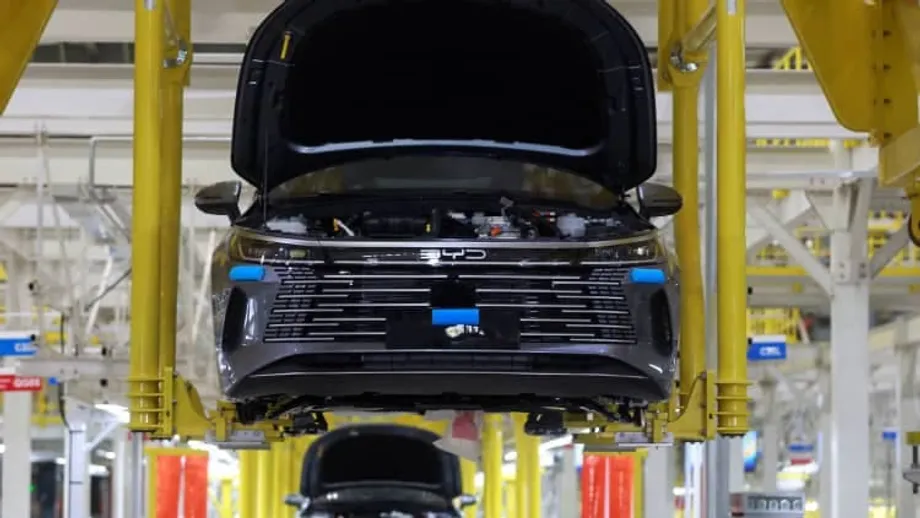
138,000 Imports Signal a Shift in Brazil's Car Market
Brazil imported about 138,000 electric and hybrid vehicles from China in 2024, almost 100,000 more than the year before, according to Brazilian customs data. By early 2025, Chinese brands accounted for more than 80 percent of the country's electric car sales, making Brazil a major destination for an industry seeking buyers beyond China.
Contents
- 138,000 Imports Signal a Shift in Brazil's Car Market
- Why the Dolphin Mini's Price Matters
- China's Export Push Finds a Large Opening
- Tariffs Push Manufacturers Toward Brazilian Factories
- Jobs and Working Conditions Face Scrutiny
- Charging Networks Try to Match Demand
- Clean Electricity Meets Brazil's Ethanol Tradition
- Buyers Weigh Driving Costs and Service
- The Next Contest Is Over Production and Choice
- Highlights
BYD, Great Wall Motor, Chery and other Chinese brands have become familiar sights at traffic lights and shopping mall garages in Rio de Janeiro. Their expansion is bringing electric vehicles into the mainstream in the world's sixth largest car market, helped by lower prices, frequent model launches and imports that quickly filled dealership lots.
The Brazilian Electric Vehicle Association reported nearly 55,000 passenger EV sales in the first half of 2024, representing around 5.3 percent of new car registrations during that period. That exceeded the total for all of 2023. The sales figure measures purchases in Brazil, while the customs figure counts vehicles entering the country, including both electric and hybrid models.
Brazil's attraction reaches beyond its size. Chinese manufacturers face limited access to the United States and a tougher trading environment in Europe. Latin America's biggest car market offers room to grow through competitive prices, a wider choice of vehicles and quick delivery, while government policy increasingly encourages manufacturers to build locally.
Sergio Ramalho, a Rio resident and EV owner, described how visible the change has become in daily traffic:
There are a lot of Chinese cars on the streets.
As of November 5, 2025, the central contest is moving beyond imports. Rising tariffs, new factories, pressure to protect Brazilian jobs and growing demand for charging are shaping how Chinese brands establish a lasting presence.
Why the Dolphin Mini's Price Matters
BYD's Dolphin Mini, one of Brazil's bestselling electric cars, starts at about 119,900 reais, roughly 22,000 dollars. That price undercuts some entry level rivals by thousands of dollars and has become a reference point for buyers comparing electric cars with conventional vehicles.
Brazilian shoppers are responding to packages that combine driving range, safety equipment and infotainment at prices they can afford. Comparable gasoline models can cost more once similar equipment is included, while some electric cars from established manufacturers remain much more expensive.
BYD and other Chinese manufacturers gain part of their advantage from controlling several stages of production. BYD designs batteries, assembles battery packs and integrates power electronics within the company. Producing these important components together helps manage costs across the drivetrain, the system that delivers power to the wheels.
Lithium iron phosphate batteries are another part of the calculation. Their cells use abundant materials and tend to cost less than many battery chemistries that use larger amounts of nickel. China's manufacturing scale and extensive supplier network give carmakers room to lower sticker prices or include more equipment without making vehicles unaffordable for middle class households.
China's battery industry stretches from processing raw materials to assembling cells. That manufacturing base helps automakers manage efficiency as well as cost. Software has also improved quickly: remote software updates, driving assistance and integrated apps are now common in many models.
Those features appeal to people buying their first EV, particularly where conventional cars offer fewer digital options at similar prices. Buyers also cite range, technology inside the car and value for money. For commuting, ride hailing and urban errands, the purchase price is increasingly attractive even before the fuel and maintenance savings that can build over time are counted.
China's Export Push Finds a Large Opening
Global electric car sales exceeded 17 million in 2024, according to international energy data. More than one in five new cars sold worldwide was electric, and China accounted for the majority of those sales.
China's position reflects years of investment in batteries and a dense network of suppliers. Its domestic market is large but intensely competitive, encouraging manufacturers to seek customers abroad as they try to sustain growth.
Ilaria Mazzocco, a researcher who tracks Chinese industry, described the scale of that international expansion:
They have been going abroad in a very big way.
Higher tariffs and political friction have restricted opportunities in the United States and parts of Europe. Latin America, Southeast Asia and parts of the Middle East have instead become important destinations. Brazil combines a large potential customer base with policies supporting cleaner transport, making it a logical target.
Chinese companies have also commissioned their own ships to carry cars, giving them more control over the movement of vehicles abroad. The arrival of giant carriers at Brazilian ports has made headlines and shown the scale and speed of the export effort.
Tariffs Push Manufacturers Toward Brazilian Factories
Brazil removed a 35 percent import tariff on electric vehicles in 2015 to encourage adoption. That opening helped imports grow, but the government began restoring duties in 2024. Tariffs on battery electric cars and hybrids that can be charged from an external power source are scheduled to reach 35 percent by 2026.
Quotas allowing a limited number of vehicles to enter with reduced duties have also affected shipment schedules. Manufacturers have rushed to bring cars into Brazil before tariff increases take effect, helping explain why imports and port inventories have become a focus of the industrial debate.
Brasilia is combining those duties with the Green Mobility and Innovation Program, known as Mover. The program offers incentives for cleaner vehicles and investment in Brazilian engineering, manufacturing and supply chains. Its aim is to encourage local assembly and parts sourcing while supporting technologies that produce fewer emissions, including hybrids and fully electric cars.
BYD has developed a large complex in Camacari, Bahia, on the grounds of a former Ford site. Its plans call for an initial production ramp toward capacity that could reach 300,000 vehicles a year. Great Wall Motor acquired a former Mercedes facility near Sao Paulo to assemble vehicles for the Brazilian market.
Other Chinese automakers have announced vehicle plans, dealerships and partnerships with suppliers, pointing toward more production within Brazil. Local assembly could offset part of the rising cost of importing finished vehicles, especially if suppliers establish operations nearby and qualify for Mover incentives.
The main policy milestones show how Brazil is changing the conditions for the industry:
- 2015: Brazil removed the 35 percent import tariff on electric vehicles to encourage early adoption.
- 2024: Import duties began returning as shipments of electric and hybrid vehicles from China reached about 138,000.
- Early 2025: Chinese brands accounted for more than 80 percent of Brazil's electric car sales.
- 2026: Tariffs on battery electric cars and hybrids that use external charging are scheduled to reach 35 percent.
- 2026 to 2027: Competition is expected to intensify as more factories begin operating and manufacturers broaden their model ranges.
Jobs and Working Conditions Face Scrutiny
Brazilian labor leaders and industry groups worry that imports could grow faster than local production. Their concern is that vehicles assembled in China could take sales from cars built in Brazil before new factories and supplier networks create enough domestic work.
Wellington Damasceno, executive director of the ABC Metalworkers Union, described the risk facing Brazil's historic automotive manufacturing belt:
It could lead to a huge number of vehicles arriving from China, threatening our jobs and production in Brazil.
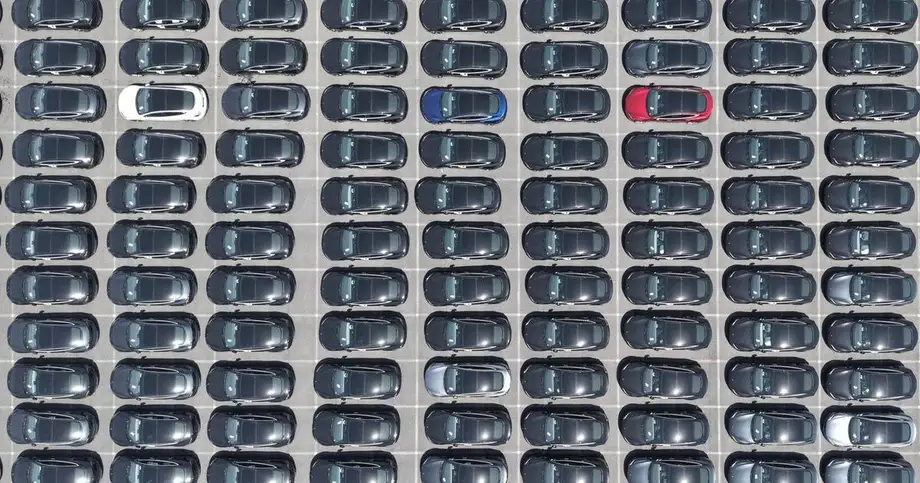
Tens of thousands of imported EVs were reported sitting at Brazilian ports in 2024 as dealerships and logistics networks struggled to absorb supplies during the return of tariffs. Industry associations urged the government to restore the 35 percent duty more quickly, arguing that a prolonged period of inexpensive imports would discourage investment in Brazilian factories and parts production.
Working conditions have brought a different kind of scrutiny. Allegations of poor conditions surfaced at a contractor involved in building BYD's Bahia complex. BYD said it maintains zero tolerance for violations of human rights and labor laws and ended its relationship with the contractor involved.
The episode placed workplace standards alongside investment and employment in the debate about Chinese manufacturers' growing presence. Building a permanent operation in Brazil brings obligations toward workers as well as expectations about production, suppliers and the jobs that new factories can support.
Charging Networks Try to Match Demand
Brazil's charging network is expanding as more electric vehicles arrive. Residential charging is spreading in apartment garages and houses, while public equipment is appearing at shopping centers, office parks and along highways.
Gustavo Tannure, chief executive of charging company EZVolt, described the pressure created by the growing number of vehicles:
Demand for charging is very high.
Most urban charging uses alternating current equipment, which is suited to adding energy over several hours while a car is parked. That fits routines such as charging at home overnight or leaving a vehicle connected during the working day.
Long journeys depend more heavily on powerful direct current stations. These can add substantial driving range in less than an hour, although the time depends on both the vehicle and the charger. A charger and a car must be able to work together at the required power for drivers to receive the expected charging speed.
Operators are working to extend coverage, make payment options more consistent and improve reliability. Cities and utilities are also planning upgrades where concentrations of electric vehicles place greater pressure on local electricity networks.
Charging access therefore matters alongside the purchase price. A buyer who can regularly charge where the car is parked has a different daily routine from someone who depends on public stations. Wider highway coverage also matters for motorists considering whether an electric car can serve trips beyond the city.
Clean Electricity Meets Brazil's Ethanol Tradition
Brazil has one of the cleanest electricity mixes among major economies, with a large contribution from hydropower and growing shares from wind and solar. That gives electric driving a substantial advantage when considering the emissions associated with the electricity used to charge a vehicle.
Switching from gasoline to a fully electric car removes exhaust emissions from driving. Brazil's cleaner power supply also reduces emissions across the vehicle's lifecycle more than a similar switch would in countries that rely heavily on coal for electricity. Lifecycle emissions include pollution associated with producing and using the vehicle, rather than just what comes from its exhaust.
Brazil's long experience with ethanol made from sugarcane adds another option. Flexible fuel engines are common, ethanol is blended into gasoline, and it is also sold as a fuel on its own in many regions.
Several manufacturers are promoting hybrids that combine electric drive with engines able to use ethanol. Hybrids use both an electric motor and a combustion engine, giving buyers some benefits of electric driving while retaining a fuel option for longer journeys.
Manufacturers present the combination as a way to reduce running costs and emissions while easing anxiety about driving range. Chinese brands are adapting to this established Brazilian fuel system by selling hybrids alongside fully electric vehicles as they expand their market share.
Buyers Weigh Driving Costs and Service
Shoppers in Sao Paulo, Rio and Belo Horizonte now encounter a wider selection of electric and hybrid cars. Test drives often center on quiet operation, the immediate pulling power of an electric motor in traffic and the adjustments involved in charging at home.
Households compare electricity and ethanol costs with gasoline prices and consider how often a vehicle will need servicing. Electric cars have fewer moving parts to maintain, which can allow longer service intervals. Those potential savings form part of the calculation alongside the price paid at the dealership.
Chinese brands are building dealer networks, training technicians and stocking spare parts in Brazilian warehouses to strengthen confidence in ownership. Service after purchase has become a priority following early complaints in some overseas markets about delays.
Wang Chuanfu, BYD's founder, presented the Bahia investment as a broader commitment to Brazilian transport during the opening of the company's complex:
We are here not just to build cars but to build a future, one that belongs to every Brazilian who chooses cleaner transport.
For buyers, the practical test of that commitment includes access to repairs, parts and dependable charging. As more brands compete on price and equipment, the quality of service and the convenience of daily ownership are becoming larger points of difference.
The Next Contest Is Over Production and Choice
Brazil's move toward a 35 percent import tariff will change the economics of bringing finished electric cars into the country. BYD, Great Wall Motor and other manufacturers are pursuing Brazilian production as a way to manage those costs and build a more durable place in the market.
Traditional automakers with established operations in Brazil are also preparing electric vehicles and hybrids compatible with ethanol to defend their share. Competition is expected to become stronger during 2026 and 2027 as more factories begin operating and model ranges expand.
Brazil could become a manufacturing and export hub for Latin America if requirements for locally sourced components and supplier networks develop. That would support employment, help keep prices competitive and connect the country more closely to global EV supply chains.
The timing of individual factory ramps and the extent of future local sourcing were not specified. For consumers, the near term prospect is a wider choice of vehicles and stronger price competition, with charging access and service quality helping determine which brands earn lasting trust.
Highlights
- Brazil imported about 138,000 electric and hybrid vehicles from China in 2024, almost 100,000 more than in the previous year.
- Chinese brands held more than 80 percent of Brazil's electric car sales in early 2025.
- Passenger EV sales reached nearly 55,000 in the first half of 2024, around 5.3 percent of new registrations.
- BYD's Dolphin Mini starts at about 119,900 reais, roughly 22,000 dollars.
- Import tariffs on battery electric cars and hybrids that use external charging are scheduled to reach 35 percent by 2026.
- BYD's Bahia plans include capacity that could reach 300,000 vehicles annually; Great Wall Motor acquired a former Mercedes facility near Sao Paulo.
- Labor groups want local manufacturing to keep pace with imports, while workplace conditions have also drawn scrutiny.
- Charging networks are expanding, and Brazil's clean electricity supply increases the climate benefit of electric driving.
- Ethanol compatible hybrids offer another route toward lower emissions alongside fully electric cars.
- More factories and broader vehicle ranges are expected to sharpen competition in 2026 and 2027.