Seafood footage puts deliveries and food safety under scrutiny
Sushiro Hong Kong has rejected suggestions that it used smuggled seafood after a television investigation showed people carrying raw fish and other chilled goods across the border in foam boxes bearing the sushi chain's branding. The company said its ingredients move through designated professional logistics providers and that it would take legal action to protect its reputation.
Contents
- Seafood footage puts deliveries and food safety under scrutiny
- How the alleged delivery network operated
- Why the taxi journeys attracted attention
- Sushiro says its ingredients use professional logistics
- Why discarded boxes became central to the dispute
- What Hong Kong's food rules require
- Keeping raw seafood cold from supplier to diner
- Online reaction mixed concern with support
- What could follow the broadcast
- Practical precautions for diners
- Main Points
The dispute followed a Monday night broadcast of Scoop on TVB. The programme did not name Sushiro, but images of polystyrene boxes associated with the Japanese chain prompted online debate about where restaurant ingredients come from, how they reach kitchens and whether they stay cold along the way.
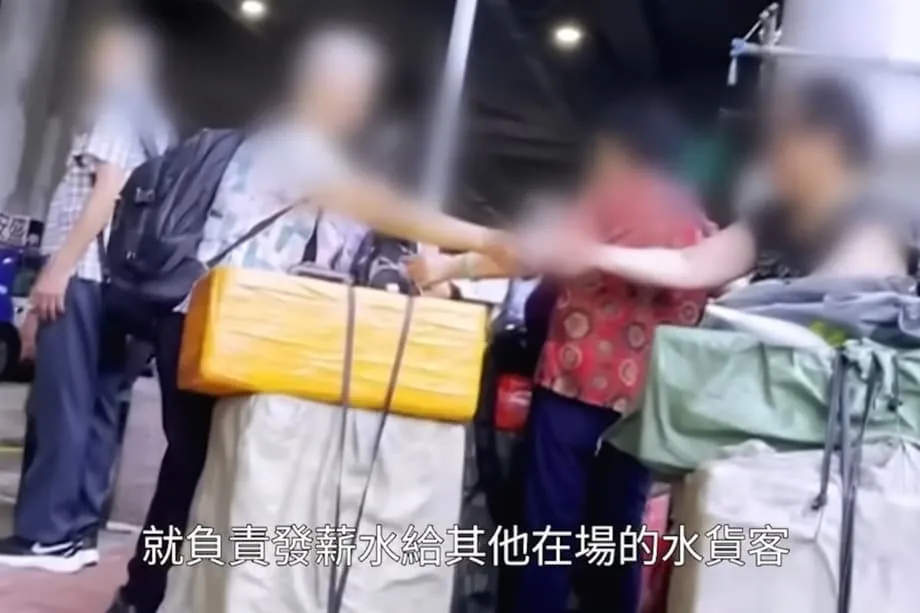
The footage showed elderly couriers carrying boxes labelled with seafood types, including salmon. Some packages carried addresses in Jordan, Sheung Wan and Kwai Fong. The investigation described an informal delivery network involving border handovers, taxis and outdoor sorting at a car park near the Fung Ying Seen Koon temple in Fanling.
Food and Life Companies Hong Kong Limited, which operates Sushiro Hong Kong, issued its rebuttal hours after the broadcast. It described the reporting as incomplete and one sided, said the suggested connection to smuggled ingredients lacked a factual basis, and said the people shown were neither its employees nor workers for its logistics partner.
Sushiro's explanation centred on discarded packaging. The company said people may have collected its used boxes without permission and put them to unrelated uses. Alongside that dispute over the boxes, the scenes described in the investigation raised questions about temperature control and the records needed to trace seafood from supplier to restaurant.
How the alleged delivery network operated
The production team said it received an anonymous tip in May and spent months filming on both sides of the boundary. Its investigation focused on goods divided into small batches and carried by many individuals, a method associated with parallel trading that, according to the programme, reduced scrutiny of the consignments.
Couriers were filmed early in the morning at the Hong Kong arrivals hall at Lok Ma Chau, handling boxes labelled spotted salmon. The programme alleged that some consignments changed hands at the boundary before being loaded into taxis used to carry deliveries.
Fanling emerged as a distribution point. At the car park near Fung Ying Seen Koon, handlers were filmed unloading, sorting, repacking and redirecting seafood. Boxes were stacked on the ground and exposed outdoors. The programme described the conditions as poor and said storage fell short of hygiene standards.
The investigation suggested that similar handover points operated across Hong Kong Island, Kowloon and the New Territories. It alleged that at least some raw fish and other chilled seafood entered local markets and restaurants through these informal networks, and said a follow up segment would trace the products' destinations.
The sequence described in the investigation and the company's response was:
- May: An anonymous tip prompted the production team's investigation.
- The following months: Staff filmed couriers and handovers on both sides of the boundary.
- Monday night: Scoop broadcast footage of seafood transport, including boxes associated with Sushiro.
- Hours after the broadcast: Sushiro Hong Kong rejected the suggested connection and announced its intention to take legal action.
Why the taxi journeys attracted attention
Taxi drivers interviewed for the programme complained that they were being treated as goods carriers. They described repeated trips taking foam boxes from the boundary to different districts, making taxis a link between the couriers and later delivery points.
Raw seafood needs a continuous cold chain, meaning it must remain at a safe temperature through transport, handovers and storage. Ordinary passenger vehicles are not designed to keep perishable goods cold for extended periods. For anyone checking food safety, the conditions inside the boxes and the time spent in transit matter at every stage.
The programme presented the taxi journeys as part of a wider distribution system operating without adequate oversight. Its concerns also covered the roadside transfers: chilled fish exposed to warmer temperatures can allow bacteria to multiply more quickly, increasing the risk of spoilage and illness.
Sushiro says its ingredients use professional logistics
Food and Life Companies Hong Kong Limited said all ingredients supplied to Sushiro branches were transported by designated professional logistics companies and complied with the rules of Hong Kong's Centre for Food Safety. The company maintained that its food safety standards remained intact.
Sushiro Hong Kong, setting out its response to the broadcast and its intention to defend the business, said:
Sushiro Hong Kong strongly protests against the false reporting by the media and will take legal action.
The company also described the delivery arrangements it said applied across its branches:
All ingredients are transported to each branch through designated professional logistics companies and comply with Centre for Food Safety rules.
Company representatives said the individuals shown handling boxes were not employees of Sushiro or its logistics partner. They said the images likely showed discarded boxes collected without permission for other purposes.
The operator also said that products shown in widely shared photographs had completed the required customs clearance and inspections before entering Hong Kong. It described references to its brand in the investigative footage as misleading and pledged to maintain strict quality control and hygiene standards.
Sushiro said it had reminded staff last month to handle waste materials, including polystyrene boxes, with extra care to prevent confusion. Its response tied the handling of discarded packaging to the need to protect both customer confidence and the brand's reputation in Hong Kong.
Why discarded boxes became central to the dispute
Polystyrene boxes are widely used in seafood transport because they provide insulation and can be stacked. Restaurants may discard or return them after deliveries, while third parties sometimes collect used boxes for resale or reuse.
A branded container can therefore pass through several hands after its original delivery. Sushiro's position was that this had happened to its packaging: boxes associated with its business had been taken for unrelated use, creating a misleading impression about the contents and their destination.
Tracing a delivery requires following the goods, the people handling them and the accompanying records. A logo identifies the branding on the packaging; supplier details, delivery notes and receiving records connect a consignment to a business.
Sushiro said its staff had been reminded to secure or deface discarded foam boxes to avoid misunderstandings. Proper waste handling reduces the chance that branded packaging will be used for unrelated deliveries and then mistaken for part of the company's own supply chain.
What Hong Kong's food rules require
Hong Kong receives large volumes of seafood imports each day, ranging from live fish to chilled salmon. Its regulatory system covers who imports and distributes food, the records businesses keep and the safety of products during transport and storage.
The Food Safety Ordinance requires food importers and distributors to register with the authorities and retain transaction records. These requirements provide traceability, the ability to follow food back through the businesses that supplied and handled it.
Invoices, delivery notes and supplier details allow investigators to identify where a product came from. When a safety problem occurs, those records help authorities locate affected batches, isolate them and alert consumers. Informal channels that bypass registration can make that work harder.
The Food and Environmental Hygiene Department and the Centre for Food Safety conduct checks at import points and in the market. Fish and shellfish are subject to safety standards covering temperature control, contamination risks and labelling. The Centre for Food Safety publishes reference materials on current rules on its food safety website.
For restaurants, the practical requirements extend beyond accepting a delivery. Businesses need supplier documentation and handling arrangements that let them account for the ingredients entering their kitchens, including how those ingredients were transported and stored.
Keeping raw seafood cold from supplier to diner
Chilled fish is typically kept at 0 to 4 degrees Celsius. Seafood needs to remain cold from the supplier through to the restaurant and, ultimately, the diner. If it spends too long at warmer temperatures, bacteria can multiply quickly.
Raw fish requires particular care because it is eaten without cooking. Poor temperature control can lead to spoilage or illness, making transport and temporary storage as relevant to safety as the refrigerator inside a restaurant.
Verified cold transport, clean transfer points, regular temperature checks and prompt receipt into refrigerated storage are the main safeguards described for restaurant deliveries. Each handover needs to preserve those conditions rather than leave seafood waiting in an unsuitable environment.
The Fanling scenes drew attention because they involved outdoor sorting, boxes on the ground and repacking before further journeys. The programme argued that those practices fell short of basic food safety norms. Its concerns covered both cleanliness at the transfer point and the ability to maintain safe temperatures.
Sushiro's response addressed a different part of the same supply chain question: who handled its own ingredients and under what arrangements. The company said professional logistics providers carried out its deliveries in accordance with Centre for Food Safety rules.
Online reaction mixed concern with support
Social media discussion ranged from alarm about seafood handling to scepticism about the suggested connection to Sushiro. Users asked about ingredient sourcing, cold transport and the ability to trace deliveries to restaurants.
Monitoring of online discussion counted hundreds of mentions. One dataset recorded 676 mentions, with about 18.7 percent classified as positive and 22.9 percent as negative. The remainder were neutral. The discussion included calls for tighter boundary checks and stronger traceability in food distribution.
A person claiming to be a former employee wrote that sashimi orders had been centralised during their time at the company and flown in from Japan before distribution to branches. The person added that sourcing could change over time. The claim was unverified.
The exchange also touched on the pressures facing sushi businesses serving a broad market: maintaining quality while controlling costs. Many commenters said Sushiro's prompt and clear explanation helped reassure them, while still calling for independent checks on cold chain compliance across the city.
For the company, the reputational issue extended beyond whether the programme named it. Viewers recognised packaging associated with the chain, and those images circulated alongside questions about food safety. Its response sought to explain both its delivery arrangements and how discarded boxes could appear elsewhere.
What could follow the broadcast
Sushiro has signalled legal action over what it described as defamatory insinuations, while the programme indicated that further reporting would examine where the seafood went. No date was given for a legal filing or the follow up broadcast, and no specific enforcement action was announced in the account as of November 4, 2025.
Food safety authorities typically monitor cases of this kind and can carry out spot checks of suppliers and retail outlets. Such checks can examine the seafood itself, the conditions in which it is stored and the records connecting it to its suppliers.
Restaurants may respond by reviewing supplier documents, checking temperature logs and confirming that logistics partners meet their obligations. Those checks are relevant even to businesses that were not named, because the concerns involve the wider handling and distribution of raw seafood.
Taxi industry representatives may also take an interest if drivers believe they are being drawn into cargo work involving perishable products. The drivers' complaints in the programme put their role in the delivery network alongside the food safety questions.
Businesses seeking to reassure diners can publish supply chain details and temperature control procedures or invite independent audits. These were possible responses to the controversy, while Sushiro's stated commitments were to defend its reputation and maintain its quality and hygiene standards.
Practical precautions for diners
Diners cannot follow every delivery box from the border to a restaurant. They can, however, pay attention to how seafood is displayed and handled, ask about sourcing and take care when carrying raw fish home.
Clean sourcing and steady refrigeration remain central to seafood safety. The practical precautions set out in the account include:
- Look for a visible hygiene licence and recent inspection grade at the entrance.
- Check that chilled seafood is kept on ice or in refrigerated displays rather than at room temperature.
- Choose venues that prepare raw fish to order and have a high turnover of ingredients.
- Take sashimi straight home after collection and refrigerate it promptly.
- Ask staff about sourcing and daily delivery times when concerned.
- Avoid raw seafood during pregnancy, when immunocompromised or when feeling unwell.
Sushiro's denial and the investigation's handling concerns leave diners focused on two concrete parts of restaurant safety: a traceable supply of ingredients and reliable refrigeration throughout delivery. The company's position is that its professional logistics arrangements meet Hong Kong's requirements.
Main Points
- A Monday night investigation showed couriers moving raw seafood in foam boxes, including packaging associated with Sushiro, through border handovers, taxis and a Fanling sorting point.
- The programme did not name Sushiro. The company rejected the suggested connection to smuggled ingredients and said it would take legal action.
- Sushiro said its ingredients travel through designated professional logistics providers under Centre for Food Safety rules.
- The company said the people pictured were not its staff or its logistics partner's workers, and that discarded boxes may have been collected without permission.
- Hong Kong's Food Safety Ordinance requires importer and distributor registration and transaction records to support traceability.
- Chilled fish is typically kept at 0 to 4 degrees Celsius, with temperature control needed during transport, transfers and storage.
- One online dataset counted 676 mentions, with about 18.7 percent positive, 22.9 percent negative and the rest neutral.
- Further reporting was indicated, while supplier checks, temperature records and packaging disposal remained central issues for businesses and diners.