A summit appeal with time running short
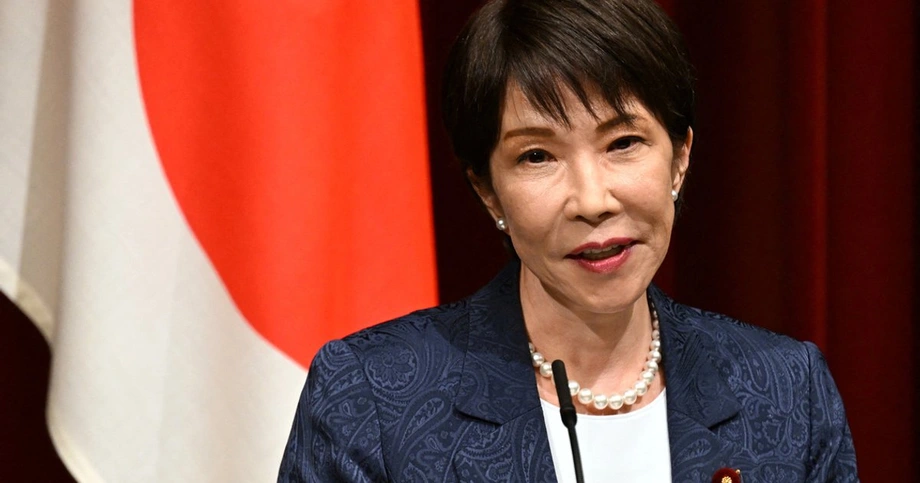
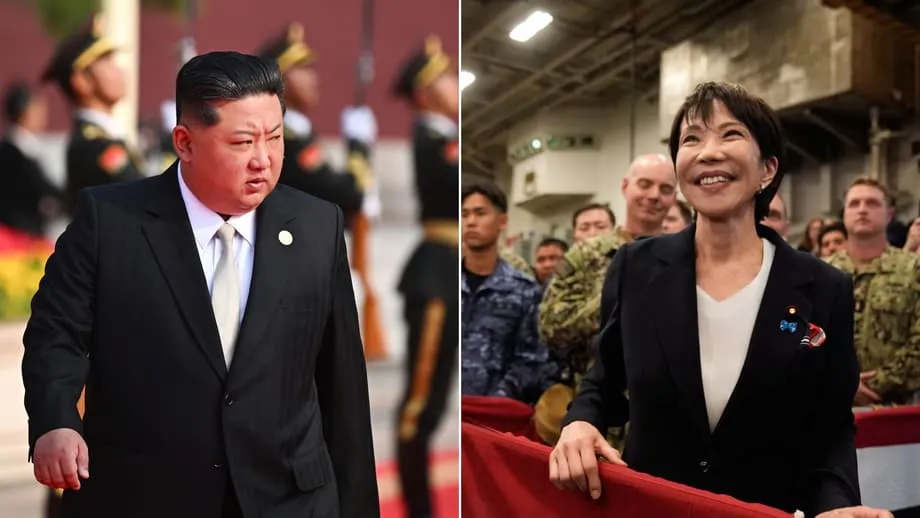
Japan's Prime Minister Sanae Takaichi says her government has asked North Korea for a direct meeting with leader Kim Jong Un to resolve the abductions of Japanese citizens. A summit would be the first meeting between the countries' leaders since 2004, reopening a diplomatic route that previously brought five abductees home but left other cases unresolved.
Contents
- A summit appeal with time running short
- What Takaichi has promised the families
- Seventeen recognized victims, twelve unresolved cases
- What the previous negotiations achieved
- North Korea's position leaves a central divide
- Why arranging a meeting is only the beginning
- The families are waiting against a human clock
- What Japan could offer within the rules
- Which developments would show movement
- Key Points
As of November 4, 2025, Tokyo's central demand remains the return of Japanese nationals taken during the late 1970s and 1980s, together with a full accounting of those still missing. Japan officially recognizes 17 abductees. Five returned in October 2002. North Korea maintains that the issue is closed, a position Japan rejects.
Takaichi announced the approach at a national rally in Tokyo organized by relatives of abductees and their supporters. Her appeal combines a longstanding government responsibility with an increasingly urgent family concern: many relatives are elderly, and some have died without seeing their children again.
Japan and North Korea have no diplomatic relations or embassies in each other's countries. Messages therefore depend on intermediaries, quiet channels and occasional public statements. Former prime ministers Shinzo Abe and Fumio Kishida expressed willingness to meet Kim Jong Un, but neither reached a summit.
A meeting under Takaichi would test whether the two governments can make progress on a deeply personal dispute while managing a relationship shaped by conflict, colonization and North Korea's nuclear program. The request is an opening move. Bringing people home and establishing what happened to those still missing would require commitments that both governments could carry out.
What Takaichi has promised the families
Takaichi has made resolving the abductions a top priority and says she will do everything during her term to achieve a breakthrough. Speaking to families and supporters at the Tokyo rally, the prime minister described the urgency of the proposed meeting:
We have already conveyed to North Korea our desire to hold a summit meeting. There is no time to lose. Resolving this issue while the families are still in good health is essential for both Japan and North Korea to envision a future where both nations enjoy peace and prosperity.
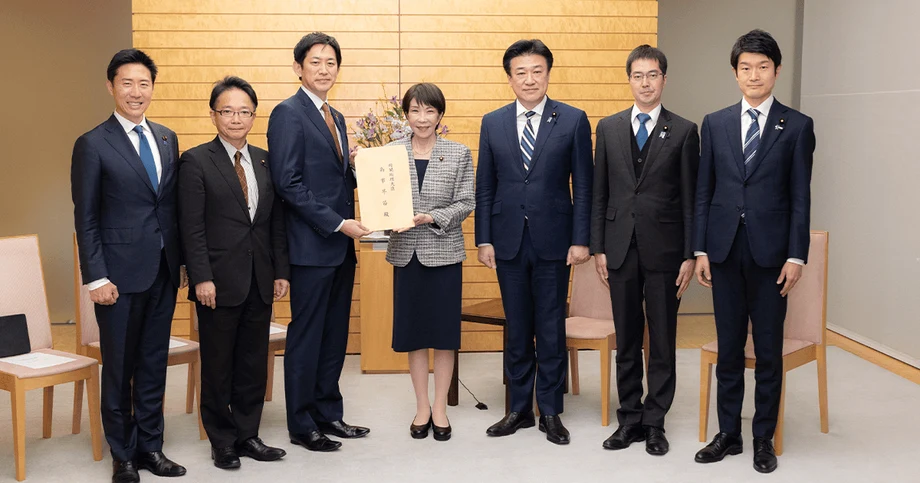
Takaichi has met the families twice since taking office. Those contacts included a meeting with United States President Donald Trump during his visit to Japan, bringing relatives face to face with Washington's support for their cause.
Chief Cabinet Secretary Minoru Kihara, the government's point person on the abduction issue, has pledged sustained engagement with the families and foreign partners. That work matters because Japan must keep relatives informed while also communicating with a country with which it has no regular diplomatic relationship.
Takaichi described the abductions as a matter involving human lives and Japanese sovereignty. Sovereignty means a country's authority over its territory and people; taking its citizens without permission violates that authority as well as harming the individuals and their families.
The prime minister said Tokyo was prepared to consider all possible measures within the law and would share any progress quickly with relatives. For families who have campaigned for decades, the immediate concern is whether those promises lead to returns or reliable answers about individual cases.
Seventeen recognized victims, twelve unresolved cases
Japan's official list contains 17 citizens abducted by North Korean agents during the late 1970s and 1980s. Testimony from defectors and North Korean admissions point to a covert program in which abductees helped train operatives in Japanese language and customs. Japanese identities were also sometimes stolen.
North Korea acknowledged abductions during then prime minister Junichiro Koizumi's September 2002 visit to Pyongyang. Its leader at the time, Kim Jong Il, apologized. Five abductees returned to Japan the following month, ending years in which Pyongyang had denied the abductions.
The five homecomings left 12 of Japan's recognized cases unresolved. North Korea says eight of those people died and four were never abducted. Its explanations included deaths in accidents or by suicide, along with claims that some people on Japan's list never entered the country.
Japanese investigators found inconsistencies or insufficient evidence in those explanations. Problems included documentation and disputes over remains supplied by North Korea. Past exchanges of remains failed DNA tests in Japan, deepening mistrust. DNA testing compares biological material with genetic information to help identify a person, making it especially important when a family is being told that a missing relative has died.
Tokyo seeks the return of every abducted citizen who is alive, a full accounting of those who died supported by verifiable evidence, measures to prevent further abductions, and action against those responsible. Those demands explain why the return of five people, though a major breakthrough, did not settle the issue for Japan.
What the previous negotiations achieved
Koizumi's 2002 visit produced the Pyongyang Declaration, which set out a path toward normal relations, acknowledged past harms and addressed the prevention of future problems. North Korea's admission and apology were followed within weeks by the return of the five abductees.
Koizumi returned to North Korea in 2004. That second visit led to the return of more family members related to the five people already home, allowing parents and children separated for decades to reunite in Japan. It remains the last meeting between the countries' leaders.
Later negotiations failed to sustain that momentum. Talks between officials sputtered, and investigations promised by Pyongyang did not produce evidence Japan found convincing. A further attempt in 2014 linked a comprehensive reinvestigation of the abductee cases with Japan's decision to lift some sanctions it had imposed independently.
In 2016, after Japan introduced new measures, North Korea dissolved the committee established to conduct that inquiry. The central disputes have remained frozen since then. The main milestones show both what direct engagement achieved and how later efforts stalled:
- Late 1970s and 1980s: North Korean agents abducted Japanese citizens.
- September 2002: Koizumi visited Pyongyang, Kim Jong Il acknowledged abductions and apologized, and the two countries issued the Pyongyang Declaration.
- October 2002: Five abductees returned to Japan.
- 2004: Koizumi's second visit led to the return of more family members.
- 2014: North Korea agreed to a comprehensive reinvestigation, and Japan lifted some unilateral sanctions.
- 2016: North Korea dissolved its investigation committee after Japan imposed new measures.
- November 2025: Takaichi said Japan had conveyed its wish for a summit with Kim Jong Un.
North Korea's position leaves a central divide
North Korea has maintained for years that the five returns in 2002, its account of eight deaths and its rejection of four abduction cases closed the matter. Japan's demand for further returns and verifiable answers puts the two governments at odds over the purpose of any new negotiation.
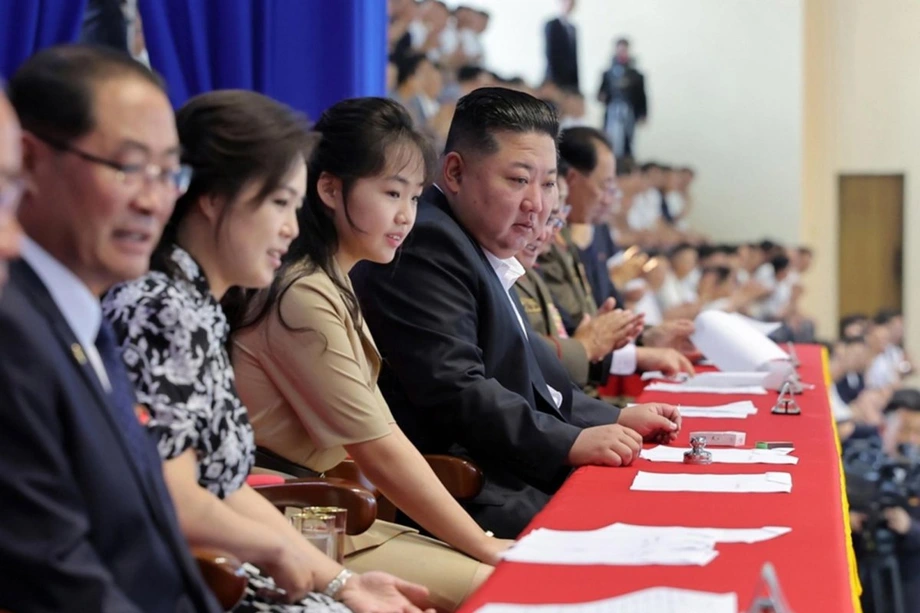
Kim Yo Jong, Kim Jong Un's sister and a senior political figure in Pyongyang, addressed relations with Japan in a statement carried by state media in February 2024. She signaled a conditional opening while describing the abduction issue as "settled" and saying North Korea's nuclear and missile programs had "nothing to do" with repairing ties with Japan.
Her position presents a basic difficulty for Takaichi's initiative. Tokyo wants a summit principally to resolve the abductions, while Pyongyang publicly dismisses that demand. North Korea also objects to linking humanitarian negotiations with its nuclear and missile programs.
North Korea would be likely to seek measures that ease pressure and provide economic benefits if talks proceed. Possible steps range from humanitarian aid to the restoration of limited transport links, including a ferry service between the countries. Larger concessions, such as sanctions relief or extensive economic cooperation, would require agreement from the United States and probably the United Nations.
Sanctions are restrictions intended to put pressure on a government, including limits on trade, travel or financial activity. Japan's ability to adjust measures it imposed independently differs from its ability to change restrictions involving other governments or international bodies. That makes the size and design of any proposed concession central to negotiations.
Why arranging a meeting is only the beginning
Takaichi would face difficult choices even if Kim Jong Un agreed to meet. The abduction issue carries deep emotional and political weight in Japan. Moving forward without clear progress on returns or credible information about missing people would expose the government to criticism from families and across party lines.
Pyongyang would face a different challenge. Admitting anything beyond its existing account would mean revisiting a position it has defended for years. North Korea's leadership tightly controls its public narrative and rarely reverses stated positions.
Japan also works closely with Washington and Seoul to deter North Korean missile and nuclear threats. Deterrence means trying to prevent an attack by making clear that it would bring a serious response. Humanitarian negotiations would take place alongside that security cooperation, rather than replacing it.
United States policy continues to call for the complete denuclearization of the Korean Peninsula, meaning the removal of nuclear weapons. North Korea rejects that goal and has advanced its arsenal. The opposing positions create another difficult setting for talks, even if abductees are the main subject.
A pause in provocative tests and a steady channel for talks between officials could create space for meaningful dialogue. Regular contact would let the two sides work through practical questions about individual cases while keeping security concerns on the agenda. A leaders' meeting could give such work political direction, but the details would still require sustained negotiation.
The families are waiting against a human clock
Relatives of abductees gather in Tokyo every year to press for action. They lobby at the Diet, Japan's parliament, attend government briefings and speak at schools and town halls. Their efforts have kept the cases on the national agenda through changes of government and competing international crises.
Megumi Yokota, abducted at age 13 in 1977, is the most widely known victim. Her relatives have become the face of the campaign. Her case captures the long separation at the heart of the dispute: a child was taken, and her family has spent decades seeking answers.
Many parents and spouses are now elderly. Some relatives have died without a reunion. Takaichi's insistence that there is no time to lose reflects that reality, because negotiations that stretch on for years reduce the chance that surviving family members will live to see an outcome.
Takaichi faces the same political calculation as her predecessors. Success would strengthen her standing at home and abroad. A summit that produced no returns could bring sharp criticism. Families are likely to judge progress through concrete results, including verified information, transparent benchmarks and clear timelines, rather than the holding of a meeting alone.
What Japan could offer within the rules
Tokyo has possible ways to support dialogue while avoiding a conflict with international sanctions. Humanitarian assistance, including medical supplies and disaster relief, could be designed with strict monitoring. Monitoring would help establish where supplies go and whether commitments are being carried out.
Visas for family reunions and cooperation in locating graves or burial sites could provide other forms of goodwill without financial transfers. Those measures would connect diplomatic discussions to the immediate needs of families seeking contact or information.
Restoring a passenger ferry service would be more sensitive because it intersects with sanctions. Clear safeguards would be necessary, although a limited transport link remains a possible way to build confidence between the countries.
Other possibilities include liaison offices in a third country, larger search teams reviewing missing persons cases, and predictable schedules for meetings between officials. Liaison offices would provide a place for regular communication without requiring the immediate establishment of embassies.
Each step would depend on North Korean cooperation and verification that promises were being fulfilled. Japan would likely coordinate any move with Washington and Seoul so that efforts on abductees did not undercut the allies' wider approach to North Korea. Larger economic arrangements would face more demanding political and sanctions requirements than narrowly designed humanitarian steps.
Which developments would show movement
Tokyo could signal momentum through the appointment of a special envoy, new funding for investigative work or quiet travel by senior officials to neutral capitals. Public updates from the Cabinet Secretariat or the task group dealing with abductions would also help families assess whether discussions were moving beyond the initial request.
Pyongyang's strongest signals would include a pause in missile activity and an official announcement through state media that a summit was under discussion. Permission for humanitarian shipments or invitations for Japanese officials to visit would offer other indications of willingness to engage.
Fresh evidence about a specific abductee would carry particular weight. Confirmed information about even one individual could help break the stalemate because the dispute is built around unresolved lives and contested accounts, not simply the absence of diplomatic meetings.
Takaichi's proposal puts direct engagement back on the agenda more than two decades after the last summit. The earlier meetings brought five abductees and later family members home. The remaining task is to turn another diplomatic opening into returns, reliable answers and commitments that survive beyond a single encounter between leaders.
Key Points
- Takaichi says Japan has asked North Korea for a summit focused on resolving the abductions of Japanese citizens.
- A meeting with Kim Jong Un would be the first summit between the countries' leaders since 2004.
- Japan recognizes 17 abductees. Five returned in 2002, leaving 12 recognized cases unresolved.
- North Korea says eight of the remaining people died and four were never abducted. Japan rejects its claim that the issue is settled.
- Tokyo seeks the return of living abductees, verifiable answers about deaths, prevention of further abductions and action against those responsible.
- A reinvestigation agreed in 2014 stalled when North Korea dissolved its inquiry committee in 2016.
- Aging relatives make the search for returns and reliable information increasingly urgent.
- Humanitarian measures could support dialogue, while larger concessions would involve sanctions and coordination with foreign partners.
- Nuclear and missile tensions remain part of the diplomatic setting, alongside United States support and Japan's cooperation with South Korea.