Record arrivals bring growing pressure on famous places
A daily limit of 4,000 climbers on Mount Fuji's busiest route, a JPY 150,000 luxury hotel bill facing higher accommodation taxes in Kyoto, and a six month shutdown of Boracay illustrate the choices facing Asia's tourism industry. Across the region, governments are trying to protect places whose popularity increasingly strains the people, infrastructure and ecosystems that sustain them.
Contents
- Record arrivals bring growing pressure on famous places
- Why demand keeps gathering in the same places
- Japan puts limits on access and behavior
- Thailand combines repairs with recovery periods
- Bali seeks money for upkeep and limits on growth
- Vietnam, Boracay and Bhutan show different responses
- How the measures developed
- Residents bear costs that arrival totals miss
- Fees and reservations address different pressures
- Infrastructure and incentives reshape visits
- Spreading visitors requires careful planning
- Making sustainability claims easier to judge
- Travel choices that reduce local pressure
- Key Points
Mount Fuji's Yoshida route charges climbers JPY 2,000, while Bali introduced a levy of IDR 150,000 per foreign visitor in February 2024. These measures address different pressures, from mountain safety and litter to the cost of maintaining infrastructure and preserving culture. They reflect a shared problem: millions of visitors gathering in a few places at the same time.
Japan welcomed more than 33 million visitors in 2024 and set new monthly records in 2025. Thailand received more than 35 million visitors in 2024. International arrivals rose sharply in Northeast Asia in early 2025, while Vietnam also experienced strong growth.
Venice, Barcelona and Amsterdam long defined the public image of overtourism through crowds, queues and noise complaints. Similar pressures are now visible in Kyoto's narrow streets, Bali's beaches and Phuket's congested roads. Asia has plenty of space, but demand concentrates around a limited number of celebrated sights.
Residents want the jobs, spending, local services and international recognition that tourism can bring. Their concern is whether that success can continue without damaging daily life or the natural and cultural assets visitors come to experience. As of November 1, 2025, that balance is driving experiments with fees, access restrictions, seasonal closures and stronger rules.
Why demand keeps gathering in the same places
Border reopenings released demand from people who had postponed travel. Savings accumulated during the pandemic, greater flexibility at work and a desire to recover lost travel time supported longer journeys and regional holidays. Cheap airfares and discount carriers widened access to popular routes.
Growing middle classes in India and China added people making their first international trips. Domestic tourism also expanded as residents returned to familiar national attractions. Currency movements strengthened some destinations' appeal: a weak yen made Japan more affordable for foreign visitors.
Social media concentrated attention further. Images of Mount Fuji and Kyoto's geisha district turned particular viewpoints and streets into essential stops for many travelers. Tourism boards, seeking to rebuild employment, also marketed aggressively. Travel accounts for large shares of economic activity and jobs in many countries, giving governments strong incentives to pursue growth.
Marketing can move faster than destination management. Golden Week in Japan, Lunar New Year across the region and cherry blossom season bring concentrated surges. Even outside those periods, visitors often arrive at the same attractions during the same hours.
Capacity means more than the number of people a road, beach or park can physically hold. Researchers have shown that crowding changes how visitors feel: some enjoy the energy, while others experience stress, resentment or a loss of uniqueness. Cruise passengers may tolerate crowds more readily than independent travelers, making port schedules and city traffic management relevant to the experience. Residents also have limits, especially when visitors disrupt routines or disregard local customs.
Japan puts limits on access and behavior
Tokyo, Kyoto and Osaka face crowded trains and stations, with visitors carrying luggage during rush hour. In Kyoto, intrusive photography and congestion in the historic Gion district have brought restrictions on some private lanes, warning signs and a JPY 10,000 fine for unauthorized entry to certain alleys.
Geisha and maiko have faced harassment from intrusive photographers. Restricting access is therefore about protecting people and their workplaces as well as keeping streets passable. Narrow historic neighborhoods cannot readily expand to accommodate growing crowds.
Mount Fuji faces litter, congestion and safety concerns. The Yoshida route has a daily cap of 4,000 climbers, a JPY 2,000 toll and restrictions on climbing times. In a lakeside town near the mountain, authorities installed a large screen to block a popular viewpoint after traffic and rubbish accumulated at a corner made famous online.
Japan is also exploring different admission prices for different groups. Himeji Castle plans higher fees for people who are not residents beginning in 2026, with revenue intended to support upkeep and demand management. Some attractions are considering separate rates for residents and international visitors.
Authorities have promoted luggage forwarding, cashless payments and the use of trains instead of tour buses in Kyoto. Sending bags separately can free space on crowded buses, while rail can move visitors away from congested roads. Infrastructure improvements take time, and gaps in visitors' understanding of local etiquette continue to cause friction.
Thailand combines repairs with recovery periods
Phuket's popularity has brought traffic congestion, water shortages and increasing volumes of waste. Its main landfill is under strain, and a new incinerator is being built. The island's experience shows how visitor spending can grow alongside demands on basic services.
Thailand's park managers have banned plastics designed for a single use in protected areas and use rotating seasonal closures to give nature time to recover. Maya Bay, made famous by the film The Beach, became a particularly visible example after thousands of daily visitors overwhelmed a small cove.
Authorities closed Maya Bay for almost four years beginning in 2018. Its reopening came with different rules: boats cannot anchor in the bay, swimming is prohibited, and a daily limit close to 3,000 visitors applies. Periodic closures continue to provide recovery time.
Coral and marine life have begun to rebound. Enforcing restrictions remains difficult in open coastal settings, where access is harder to control than at a single entrance gate. Thailand's response combines investment in waste handling with limits on when and how people can enter fragile places.
Bali seeks money for upkeep and limits on growth
Bali introduced its IDR 150,000 levy on foreign visitors in February 2024, earmarking the proceeds for infrastructure and cultural preservation. The island faces water shortages, plastic pollution and flooding aggravated by overdevelopment.
Local leaders have debated restrictions on new hotels to prevent development from exceeding what the island can support. Authorities have also tightened enforcement of temple etiquette and rules concerning scooters and noise. Social media stunts in temples have offended local customs, adding cultural tensions to pressure on roads, water and waste services.
Tourism revenue does not all remain where visitors spend it. Economic leakage describes money that flows out to foreign owners or chains instead of circulating among local workers and suppliers. Studies in Bali suggest that more than half of tourist spending can leave the island economy.
Businesses that employ local workers, buy local food and support cultural preservation can keep more value in the community. That matters for public support: residents may work in tourism while still bearing costs that visitor spending does not adequately cover.
Vietnam, Boracay and Bhutan show different responses
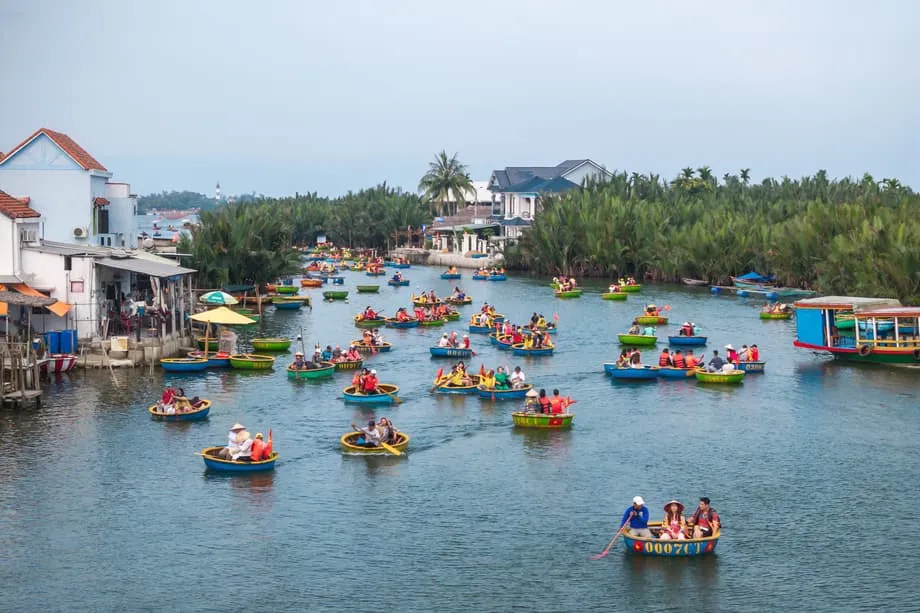
Vietnam's Ha Long Bay and Hoi An have experienced rapid growth in visitor numbers. Limestone formations and streets lit by lanterns attract travelers, but busy quays, congested lanes and fragile shorelines require careful management. Authorities have signaled plans to improve crowd control and direct more tourism toward provinces that attract fewer visitors.
Boracay took a more disruptive step. The Philippine island closed to visitors for six months in 2018 after years of pollution and unmanaged growth. A major cleanup and new zoning rules accompanied the reset.
Visitor caps, stricter inspections and restrictions on plastics intended for a single use came with reopening. Conditions improved, showing how a shutdown can support recovery when it is followed by sustained enforcement.
Bhutan has pursued a different model from the outset. Its approach, centered on higher value tourism with a limited impact, includes a Sustainable Development Fee of USD 100 per person per day for most foreign visitors. The fee supports conservation and community services while helping keep daily numbers manageable.
These destinations illustrate different ways to connect access with local capacity. Vietnam seeks to distribute demand, Boracay has used closure and cleanup, and Bhutan uses pricing to help preserve culture and nature.
How the measures developed
Several of today's policies followed earlier damage or a prolonged interruption to tourism. The main dates show how responses have moved from emergency closures toward continuing management:
- 2018: Boracay closed for six months for cleanup after pollution and unmanaged development.
- 2018: Maya Bay began a closure lasting almost four years, later reopening with restrictions on boats, swimming and visitor numbers.
- February 2024: Bali introduced its IDR 150,000 levy for foreign visitors.
- 2024: Japan welcomed more than 33 million visitors, while Thailand received more than 35 million.
- Early 2025: Northeast Asia recorded a sharp rise in arrivals, and Japan continued setting monthly records during the year.
- 2026: Himeji Castle plans to begin charging higher admission fees to people who are not residents.
The policies operate on different schedules. A seasonal closure gives a habitat time without visitors, while a daily cap controls pressure throughout an operating season. A levy collects money for continuing needs. Together, they address both immediate congestion and the recurring expense of caring for a destination.
Residents bear costs that arrival totals miss
Coral can break under swimmers' flippers, and turtles may avoid busy beaches. Visitor demand increases water consumption where drought and aging pipes already strain supplies. Islands and small towns can accumulate rubbish faster than they can process it.
Residents also face longer queues for buses and trains, noise at night and streets increasingly arranged around tourists rather than daily life. Rentals for short stays can reduce the housing available to residents and push up prices in historic neighborhoods. Businesses benefit from visitors, but those benefits and costs are distributed unevenly.
Kyoto's intrusive photographers and Bali's temple incidents show why behavior matters alongside numbers. Disrespect can weaken support for tourism even among people whose employment depends on it.
Natalie Kidd, managing director for Asia at Intrepid Travel, frames the issue around local benefit, fair wages and respect for heritage. She argues that the quality of tourism matters as much as its volume:
The real question isn't whether we should travel, but how we can travel better, better for the people who live in the places we visit, better for the environment, and better for the travelers themselves. I am over tourism that ignores how many visitors a destination can comfortably welcome.
Her argument connects environmental protection with everyday economic choices. Where businesses hire locally and buy from nearby suppliers, visitor spending can support the people asked to accommodate tourism's demands.
Fees and reservations address different pressures
Visitor caps and timed entry reduce the number of people reaching a site at once. Reservations can spread arrivals across the day, while seasonal closures provide uninterrupted recovery periods. Targeted bans and physical barriers, including restrictions in Gion, can give residents space in particularly narrow or sensitive locations.
Taxes and admission fees aim to pay for services and preservation. Bali's levy is one example. Kyoto has raised its hotel tax, with higher rates for luxury stays. Different prices for residents and tourists are also expanding at Japanese attractions, following an approach familiar at places such as the Taj Mahal and Wat Phra Kaew.
Charging different groups different prices remains controversial. Revenue can pay for toilets, waste treatment and staff while allowing attractions to remain open. The practical question for communities is whether the money reaches those services.
Other tools address pressures beyond attraction entrances: restrictions on rentals for short stays can protect housing, cruise port scheduling can reduce sudden surges, and marketing can encourage visits outside the busiest seasons. Codes of conduct, warnings and fines address safety and cultural respect.
Each tool serves a specific purpose. An admission charge can fund maintenance, but a reservation system determines when people arrive. A destination facing crowded streets, housing pressure and damaged habitats may therefore use several measures together.
Infrastructure and incentives reshape visits
Phuket's new incinerator represents one response to growing waste volumes. Elsewhere, cities are investing in rail, cashless payments and systems that help people move around more smoothly. Airports are expanding smart lanes, while digital mobility platforms support travel planning and movement.
These upgrades require money and construction time. Authorities and businesses are also using information and small incentives to change behavior sooner. In Japan, playful bins that sing when used have helped reduce litter at busy sites.
Hotel groups promote programs connecting guests with community projects. Palau has tested a points system that rewards responsible behavior with access to special experiences. Such measures seek to make care for a destination part of the visitor experience.
Tourism marketing is also shifting from simply attracting arrivals toward stewardship, meaning active care for places and communities. The aim is to encourage visitors to stay longer, spend locally and explore beyond the most crowded neighborhoods.
Spreading visitors requires careful planning
A growing share of travelers say they avoid places they consider overrun. Destinations can respond by promoting nearby alternatives, sharing crowd information in real time and explaining local expectations. Airlines, rail operators and booking platforms can offer promotions for quieter months and towns that receive fewer visitors.
Moving a crowd from one alley to another leaves the same pressures nearby. Water demand, waste and housing problems can also move into new communities. Planning and local participation are necessary when promoting alternatives.
Destination managers face a funding problem of their own. Many receive money through hotel taxes, creating an incentive to pursue occupied rooms rather than concentrate on managing tourism's effects. Transparent spending and audits can help direct fees toward conservation and local services instead of advertising alone.
Distributing visitors across time and space is therefore more than a marketing exercise. Transport capacity, essential services and residents' views need to shape which places are promoted and how many visitors they welcome.
Making sustainability claims easier to judge
Nearly 200 tourism sustainability labels compete for travelers' attention. That variety can confuse customers and create opportunities for greenwashing, where environmental claims sound stronger than the action behind them.
The Global Sustainable Tourism Council has pushed for clearer minimum standards and continuing improvement. European rules will require companies to support environmental claims with evidence, with effects extending to global hotel brands and their practices concerning plastics, water and biodiversity.
Larger hotel chains have reduced plastics intended for a single use and set climate targets. Small and medium operators often need funding and practical help to make changes guests can see. Standards that track water, energy, waste and community benefits can make comparisons more useful.
Some luxury retreats on private Indonesian islands have adopted bamboo construction, solar power and local farms. They report recycling or reusing all waste and funding nearby conservation projects and schools. Their approach brings together conservation, community, culture and commerce.
Credible certification can help travelers identify businesses whose practices match their preferences. Measurable results and understandable standards give operators a reason to compete on care for their surroundings, rather than on environmental language alone.
Travel choices that reduce local pressure
Visitors can reduce congestion by traveling during quieter seasons or midweek and avoiding major holiday peaks where possible. Timed tickets and visits early or late in the day can improve access to popular attractions. Nearby towns and less visited districts offer alternatives to repeatedly photographed landmarks.
Longer stays in one place mean fewer arrivals, departures and transfers, reducing pressure and emissions. Licensed accommodation and locally owned businesses can help visitor spending reach host communities. Tours that employ local people and contribute to preservation serve a similar purpose.
Respect for local customs includes observing dress codes and quiet hours, asking before photographing people and staying out of private lanes and sensitive habitats. Online popularity does not change who owns a lane or the access rules for a protected place.
Reusable bottles and bags reduce disposable waste, while proper rubbish disposal protects streets and habitats. Public transport and walking, where safe, can reduce road pressure. In crowded Japanese cities, luggage forwarding can also free room on buses.
These choices complement public investment and enforcement. Governments control access, infrastructure and development rules, while businesses decide how they operate and where they spend. Visitors influence when demand peaks and how respectfully it meets local life.
Key Points
- Japan received more than 33 million visitors in 2024, and Thailand welcomed more than 35 million, adding pressure at popular destinations.
- Mount Fuji's Yoshida route has a daily limit of 4,000 climbers, a JPY 2,000 toll and climbing time restrictions.
- Kyoto has restricted some private Gion lanes, with a JPY 10,000 fine for unauthorized access to certain alleys.
- Maya Bay uses visitor limits, swimming and boat restrictions, and periodic closures after an extended shutdown beginning in 2018.
- Bali introduced a levy of IDR 150,000 per foreign visitor in February 2024 for infrastructure and cultural preservation.
- Boracay's six month closure in 2018 brought cleanup, zoning changes and stricter reopening rules.
- Bhutan charges most foreign visitors a Sustainable Development Fee of USD 100 per person per day.
- Himeji Castle plans higher admission fees for people who are not residents from 2026.
- Waste and water investment, transparent spending, credible standards and greater local economic benefit are central to managing tourism's costs.