A 2026 goal meets unresolved disputes at sea
The Philippines is preparing to use its 2026 chairmanship of the Association of Southeast Asian Nations (ASEAN) to push for a binding South China Sea Code of Conduct. Negotiators have completed a third reading of the draft, yet the questions that matter most remain unsettled: where the rules would apply, whether they would carry legal force, how violations would be addressed, and what place outside militaries would have.
Contents
- A 2026 goal meets unresolved disputes at sea
- Why the legal divide matters
- What happened at the main flashpoints?
- Patrols, construction and military partnerships
- What a code could actually do
- The four questions holding negotiations back
- Why earlier promises have not built enough trust
- Can ASEAN turn diplomatic progress into agreement?
- The safety rules already available to crews
- Practical agreements that could reduce danger now
- Key Points
As of November 1, 2025, those talks sit alongside confrontations at Scarborough Shoal, Second Thomas Shoal and Sabina Shoal. Philippine crews have faced blocking maneuvers, ramming and water cannon blasts. Manila reported that Chinese personnel used bladed tools and forcibly seized equipment during a confrontation in June 2024.
China presents foreign military flights and patrols inside its nine dash line as violations of sovereignty. The Philippines, Vietnam, Malaysia and Brunei, alongside partners including the United States, Australia, Canada and Japan, invoke navigation and overflight rights under the United Nations Convention on the Law of the Sea (UNCLOS).
The proposed code is intended to make encounters safer while those competing positions persist. It would manage conflict, without deciding ownership of islands or drawing maritime boundaries. Its central challenge is that the parties disagree about more than ship movements: they disagree about the legal rules governing the waters where those movements occur.
Philippine President Ferdinand Marcos Jr. has linked his country's coming ASEAN chairmanship to continued pursuit of a binding agreement. Describing his determination to keep the process moving despite its slow progress, he said:
Giving up is not an option.
Why the legal divide matters
UNCLOS sets out different maritime zones and the rights attached to them. A territorial sea can extend 12 nautical miles from a coast. An exclusive economic zone (EEZ) can extend 200 nautical miles, giving a coastal state rights over resources. The convention also addresses continental shelf rights.
Islands, rocks and low tide elevations receive different treatment under those rules. A feature's legal classification helps determine whether it can generate maritime zones and how far those zones can extend. That makes the status of a small reef important to a much larger area of surrounding sea.
A tribunal convened under UNCLOS in a case brought by the Philippines ruled in 2016 that there was no legal basis for China's nine dash line and that several features could not generate EEZs. China rejected the award. The decision has nevertheless shaped how many governments assess conduct and plan operations in disputed areas.
Beijing treats several reefs, shoals and surrounding waters as sovereign territory. The Philippines and other states rely on UNCLOS and the award to argue that much of the area falls within their EEZs or international waters. China has also announced baselines and domestic rules that other states say conflict with UNCLOS.
Ships and aircraft put those legal arguments into practice. Claimants enforce their own interpretations, and close encounters involve coast guards, navies and maritime militia. The risk is immediate: a collision, an injury or a mistaken reading of another vessel's intentions can turn a continuing dispute into a crisis.
What happened at the main flashpoints?
Second Thomas Shoal hosts the BRP Sierra Madre, a grounded, rusting Philippine ship used as a small military outpost. Resupply missions to the vessel have encountered ramming, blocking and water cannon use. Manila's account of the June 2024 confrontation included the use of bladed tools and the forcible seizure of equipment by Chinese personnel.
Scarborough Shoal, off the Philippines' main island, came under Chinese control after a standoff in 2012. Philippine patrols there have faced powerful water jets and close shadowing. Sabina Shoal has become a gathering area for Philippine resupply convoys and Chinese interceptions.
Chinese vessel numbers around Sabina increased, and 2024 brought episodes of ramming and repeated water cannon use across the flashpoints. Philippine crews reported injuries and equipment damage. China also announced maritime rules allowing its coast guard to detain foreign crews for lengthy periods.
The dispute and the attempts to manage it have developed over decades:
- Since the 1990s: Negotiations have sought rules for conduct in the South China Sea.
- 2002: The Declaration on the Conduct of Parties was adopted as a step toward a fuller agreement.
- 2012: China took control of Scarborough Shoal after a standoff.
- 2014: Pacific maritime forces adopted the voluntary Code for Unplanned Encounters at Sea.
- 2016: The tribunal in the Philippines' case issued its award, which China rejected.
- 2019: ASEAN navies adopted Guidelines for Maritime Interaction.
- June 2024: Manila reported bladed tools and equipment seizures during a confrontation at Second Thomas Shoal.
- 2026: The Philippines will chair ASEAN and pursue a binding Code of Conduct.
Patrols, construction and military partnerships
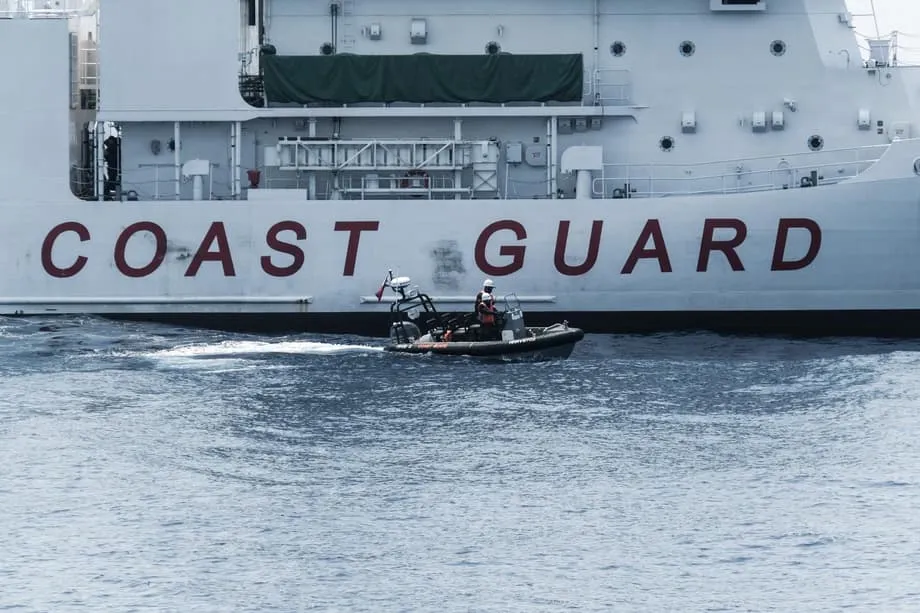
Manila has responded by increasing patrols and deploying larger coast guard ships. Its Comprehensive Archipelagic Defense Concept prioritizes a stronger presence, base upgrades, new sensors and cooperation with partners. The approach combines activity at sea with improvements to the facilities and equipment supporting it.
The United States expanded exercises with the Philippines and deployed the Typhon ground launched missile system to Philippine territory for training. Australia and Japan conducted joint sails and exercises with Philippine forces. Those activities brought outside defense partners more directly into the regional security picture.
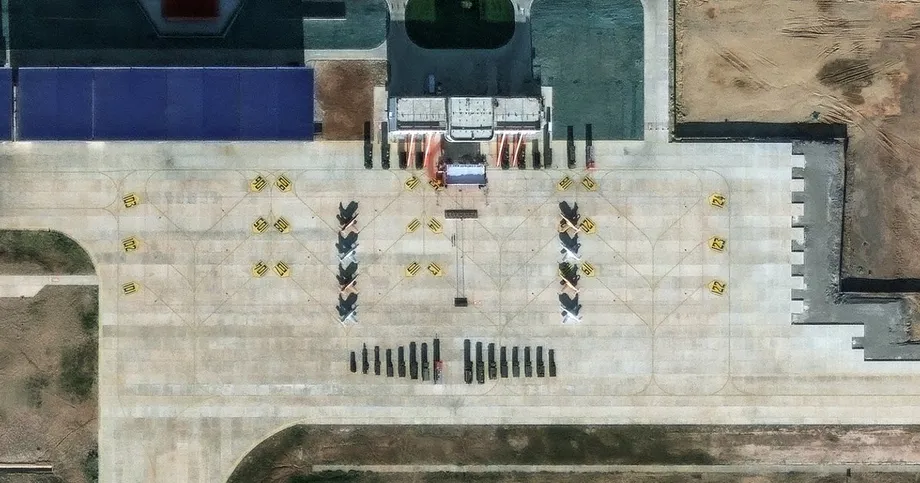
Vietnam also accelerated construction on features it occupies, including a new airstrip. Its building work consolidates its position while other claimants strengthen their own presence. Each government reads the actions of others through its own concerns about security and control.
Defense partnerships and activities within national jurisdictions are legal, but Beijing views the growing presence of rival militaries as an effort to restrict its operations near claimed features. Philippine patrols, Chinese interceptions, construction and military exercises feed a cycle in which each move prompts a response, then becomes evidence of hostile intent to the other side.
What a code could actually do
A Code of Conduct would leave sovereignty claims and UNCLOS in place. Its practical purpose would be to reduce dangerous incidents and keep governments communicating during crises. A successful agreement would give crews and officials predictable procedures even while their governments continue to disagree.
Possible commitments include maintaining navigation and overflight freedoms consistent with international law, exercising restraint, and refraining from occupying or building on uninhabited features. Communication and safety protocols could cover both naval vessels and ships carrying out law enforcement duties. Fishers could receive training in safety standards.
Hotlines, joint incident investigations and shared search and rescue procedures could provide ways to respond when something goes wrong. Joint law enforcement training could help crews apply agreed rules under pressure. A mediation process could address disagreements about how the code should be interpreted or implemented.
Marine scientific research and environmental protection could also become areas of cooperation, provided participants agree on permission and data sharing. These activities require practical arrangements because the parties may disagree about who has authority to approve work in a particular area.
The code would need to preserve existing legal positions and leave final settlements open. It could also allow more detailed discussions on fisheries, oil and gas, and conservation among only the states with overlapping claims. That flexibility would make room for specific arrangements without requiring every participant to join every negotiation.
The four questions holding negotiations back
Geographic coverage is one of the central obstacles. China prefers a narrower scope that would effectively leave certain sensitive areas outside the code. The Philippines and Vietnam want disputed features included so that the rules reach the locations where confrontations are most likely.
Legal status is another divide. Several ASEAN states want a binding instrument with clear consequences for violations. China prefers a flexible document carrying political weight rather than a treaty that could be used against it. The difference concerns what governments would be obliged to do when following the rules becomes difficult.
Enforcement and dispute settlement present a related problem. A process strong enough to address violations would probably meet resistance from at least one party. Agreement on broad principles is easier than agreement on who would examine an incident, reach a conclusion or require a response.
Outside militaries form the fourth major issue. China argues that external navies should remain outside the code's ambit. Some Southeast Asian states regard foreign patrols, port calls and exercises as essential to balancing a more powerful neighbor.
The parties have not resolved these questions. No completion date beyond the political focus on 2026 has been established. A calendar can encourage negotiations, but agreement still requires decisions about coverage, obligations and accountability.
Why earlier promises have not built enough trust
The 2002 Declaration on the Conduct of Parties was intended to lead toward a more complete agreement. Since then, land reclamation, fortified outposts, hazardous interceptions and blockades have continued. Claimants have expanded their presence while rivalry among major powers has moved closer to contested waters.
Governments now judge proposed language against that experience. A commitment to restraint has limited value to a crew facing a close interception unless it changes the decisions made by the other vessel. Years of negotiations without a corresponding change in conduct make confidence harder to build.
Leaders of the Group of Seven accused China of endangering maritime security through land reclamation, construction of outposts and their use for military purposes. They also criticized coercive and dangerous tactics against other claimants and foreign vessels. Their condemnation was expressed as follows:
The G7 condemned illicit, provocative, coercive and dangerous actions that endanger maritime security, including land reclamation and the building of outposts for military use.
China rejects those descriptions. Following a round of talks, Chinese Foreign Minister Wang Yi argued that the South China Sea was an Asian matter and should not become a platform for interference or rivalry among major powers. He said:
Asia is not an arena for big power rivalry.
Can ASEAN turn diplomatic progress into agreement?
ASEAN operates through consensus, while its members have different interests in the South China Sea and different relationships with China. Reaching a common position is therefore difficult when incidents occur. Some capitals seek accommodation; others place more weight on resistance and security partnerships.
ASEAN did not collectively endorse the 2016 arbitral award. Its statements often return to shared principles: international law, navigation and overflight freedoms, and restraint. Those positions preserve dialogue while allowing individual governments room to choose their own responses.
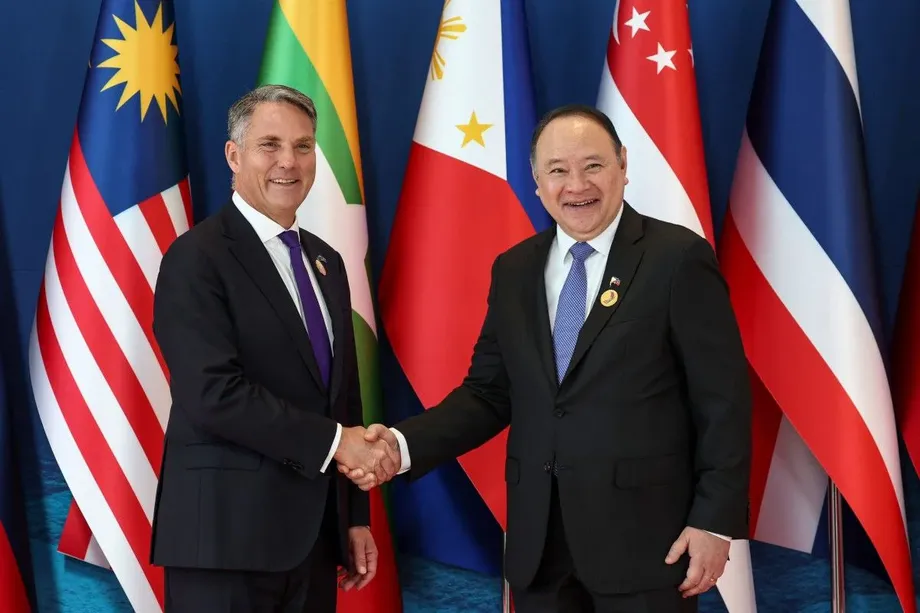
Negotiators' completion of a third reading of the draft provides a sign of movement. Malaysia, holding the ASEAN chairmanship in 2025, is seeking to steady the process before handing the role to the Philippines in 2026. Chinese officials say they support completing the code and present that support as a commitment to regional stability rather than a concession on claims.
After consultations with Beijing, Malaysia's defense leadership relayed China's position on concluding the process:
China supports the formulation of the Code of Conduct and looks forward to its materialisation.
Marcos has promised continued pursuit of a binding result. The diplomatic task is to turn support for an agreement into compromises on the provisions that determine how it would work at sea.
The safety rules already available to crews
The absence of a binding code leaves maritime forces with some existing guidance. The Code for Unplanned Encounters at Sea (CUES), adopted in 2014, provides voluntary safety and communication practices used by maritime forces in the Pacific.
The ASEAN Navy Chiefs' Guidelines for Maritime Interaction (GMI), adopted in 2019, also seek to reduce miscalculation and make routine encounters more predictable. Familiar procedures can help officers understand another ship's intentions when vessels meet unexpectedly.
Both instruments are nonbinding. Their coverage also leaves gaps around law enforcement confrontations, civilian resupply missions and maritime militia behavior. Those gaps matter because many of the recurring South China Sea incidents involve coast guards and supply vessels rather than encounters between navies alone.
Hotlines between capitals and commands can help if officials use them quickly and have authority to act. Shared rescue drills build familiarity before an emergency. Standard radio phrases, speed rules and separation distances can give officers practical guidance during an interception.
Neutral fact finding and discussions after an incident could help governments understand what occurred, limit rumors and improve the next encounter. A code could turn such practices into standing procedures, with regular reviews to keep them useful.
Practical agreements that could reduce danger now
Claimants could pursue narrower arrangements while negotiations continue. One option is a dedicated annex for encounters involving coast guards and fishery enforcement vessels. It could specify interception speeds, minimum separation distances and radio phrases in English and Chinese, supported by regular joint training.
Search and rescue cooperation offers another practical task. A shared map of rescue assets and a common incident reporting format could shorten response times. Annual drills could rotate among claimants and include procedures for injured personnel and damaged vessels regardless of their flag.
A small group of liaison officers from claimant states could record incidents as they happen, coordinate hotline use and recommend changes. Its findings could remain nonbinding while making repeated patterns easier to identify and address.
Environmental and fisheries arrangements could include seasonal fishing pauses, joint patrols against destructive methods and shared monitoring of coral health. Scientific cruises with mixed crews could collect data in areas with less friction. Agreements would need language preserving each participant's position on sovereignty.
Military activities could become more predictable through advance notice of large exercises, agreed distances from occupied features, and procedures for aircraft lighting and radio calls. These measures would make intentions easier to understand while preserving lawful activity at sea and in the air.
Such arrangements would leave ownership disputes unresolved while giving crews safer ways to work around them. Their value would lie in practical results: faster communication, clearer instructions, better rescue coordination and fewer opportunities for an encounter to escalate. Progress on those tasks could also build confidence in a future code.
Key Points
- The Philippines plans to pursue a binding South China Sea Code of Conduct during its ASEAN chairmanship in 2026.
- Negotiators have completed a third reading, but geographic scope, legal force, enforcement and outside militaries remain contentious.
- The code would manage conduct while leaving sovereignty claims, maritime boundaries and UNCLOS in place.
- The 2016 tribunal rejected the legal basis for China's nine dash line. China rejected the award.
- Scarborough, Second Thomas and Sabina shoals have seen dangerous encounters, including ramming, water cannon use and reported injuries.
- The Philippines has expanded patrols and defense cooperation, while Vietnam has accelerated construction on occupied features.
- Existing voluntary naval guidance leaves gaps involving coast guards, civilian resupply missions and maritime militia.
- Hotlines, rescue cooperation, incident reviews and practical safety rules could reduce risks while negotiations continue.