Peso Breaks the 59 Barrier as Investors Pull Back
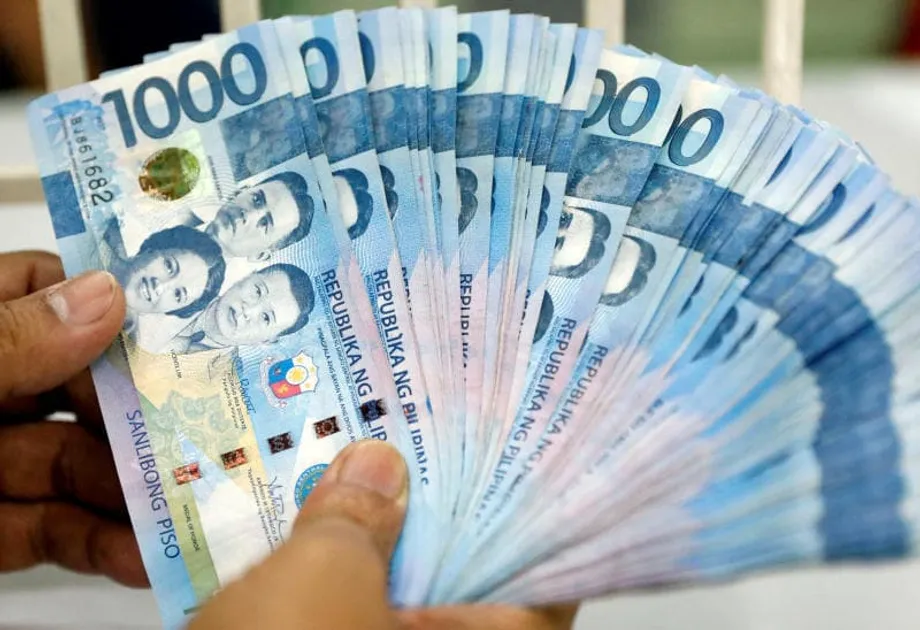
The Philippine peso has broken through the long defended level of 59 per United States dollar, reaching a record intraday low of 59.20 and closing at 59.13. As of October 30, 2025, the move marks a change in how the Bangko Sentral ng Pilipinas, or BSP, is handling pressure on the currency: it is allowing market forces to determine the exchange rate while reserving intervention for excessive swings.
Contents
- Peso Breaks the 59 Barrier as Investors Pull Back
- Why Lower Interest Rates Are Weighing on the Peso
- Flood Control Investigations Add to Market Unease
- What the BSP Means by Letting the Market Decide
- Reserves and Seasonal Inflows Offer Support
- How the Pressure Built and What Comes Next
- Why Households Could Face Higher Costs
- Who Receives More Pesos When the Currency Falls
- Markets Watch 59.20, the Dollar and Inflation
- At a Glance
The Bankers Association of the Philippines recorded a weighted average exchange rate of 59.098 per dollar on the day of the breach. That average reflects trading across the session, while the closing rate shows where the peso finished. Trading turnover rose to about $1.75 billion as the currency entered territory beyond its previous limit.
Foreign investors have sold a net $79 million of Philippine equities in October, putting the month on course for the largest outflow since May. The main stock index hovered near its weakest level since April despite brief rebounds during the session. The peso is also the weakest performing currency in Southeast Asia this month.
The pressure combines expectations of further Philippine interest rate cuts, global dollar strength and concern over alleged misuse of funds for flood control projects. Investors have been reducing exposure to local assets while weighing whether investigations into public works spending will slow economic activity.
The BSP previously drew on foreign currency reserves to defend the 59 level in 2022 and late 2024. Its latest message places less weight on holding a particular exchange rate and more on preventing sharp, disorderly movements that could threaten price stability.
Why Lower Interest Rates Are Weighing on the Peso
The BSP unexpectedly reduced its benchmark interest rate in early October. Monetary Board member Benjamin Diokno has since indicated that another reduction of 25 basis points is likely in December, with further easing possible in 2026 if inflation remains contained and growth slows. A cut of 25 basis points means a reduction of one quarter of a percentage point.
Lower Philippine interest rates can reduce the returns investors earn from assets denominated in pesos. When United States rates remain high, dollar investments can become more attractive by comparison. Investors moving money toward those assets increase demand for dollars and can add pressure on the peso.
The October equity outflows show one part of that retreat from Philippine assets. Global funds have also been trimming exposure to local shares and bonds as they reduce holdings considered more volatile. The currency decline has unfolded alongside those investment decisions.
Rate cuts are intended to cushion the economy by making borrowing less costly. The BSP therefore faces competing pressures: support growth through lower rates while managing the currency weakness that can accompany them. A wider gap between Philippine and United States yields can make that balancing task harder.
Flood Control Investigations Add to Market Unease
President Ferdinand Marcos Jr. disclosed disturbing findings about flood control spending in August and ordered a crackdown. Allegations involving the misuse of billions of pesos are now being investigated by both chambers of Congress and an independent commission.
Investors are concerned that the controversy could delay infrastructure spending, divert attention from economic reforms and weaken growth. Construction and related sectors depend on projects moving ahead, so interruptions to public works can spread beyond the agencies directly involved.
International assessments have long identified corruption as a barrier to investment in the Philippines. The latest allegations have brought public works spending under closer scrutiny at a time when the currency and local markets are already under pressure.
Michael Ricafort, chief economist at Rizal Commercial Banking Corp., linked the breach of 59 to global and domestic pressures. He described political and policy uncertainty as a drag on sentiment, while pointing to holiday remittances as a possible source of support:
The exchange rate breached above 59.00 after local market sentiment was partly weighed down by political noises in recent weeks as a potential distraction on the economy and reforms.
What the BSP Means by Letting the Market Decide
The BSP says the exchange rate will be determined by market forces. In practical terms, the price of a dollar in pesos can move as businesses, households and investors buy and sell currencies. The central bank can still enter the market to reduce excessive swings.
The central bank has sought to reassure investors that it retains the resources to manage sharp movements. In its latest statement, the BSP described its financial buffers in these words:
We continue to maintain robust reserves.
Officials say their participation in the market is aimed at damping exchange rate swings that could feed inflation over time, rather than preventing ordinary daily volatility. That approach differs from earlier episodes when the BSP used reserves heavily to keep the peso from breaking 59, a threshold that had held since 2022.
Traders said crossing that psychological level encouraged tests of fresh territory. A widely watched threshold can influence trading decisions because participants anticipate how others will react when it breaks. Liquidity increased and hedging picked up as businesses and investors sought protection against further exchange rate movements.
The BSP's stance leaves more room for the peso to adjust while keeping attention on whether trading becomes disorderly. Its stated focus is containing excessive moves and protecting the inflation outlook, rather than keeping the currency at a fixed number.
Reserves and Seasonal Inflows Offer Support
Official figures put Philippine gross international reserves at $108.8 billion at the end of September, their highest level since October 2024. These reserves are foreign currency resources that give authorities capacity to respond to external financial pressure.
Remittances from overseas Filipinos, revenues from business process outsourcing and tourism receipts also bring foreign currency into the country. Those inflows help offset the trade gap, the difference between what the Philippines spends on imports and earns from exports. The BSP has repeatedly cited them as support against external shocks.
Eddie Cheung, a senior emerging markets strategist at Credit Agricole CIB, said expected remittance inflows help explain why the BSP feels able to tolerate some weakness. He described the central bank's position this way:
They do not feel a pressing need to defend here as they ultimately expect remittances to become more supportive. The key is to ensure things do not go out of control.
Seasonal remittances around Undas and Christmas may help steady the peso. Transfers often provide support in November and December, even when broader market conditions are weak, because families receive foreign currency that is exchanged for pesos.
The Philippine approach contrasts with signals elsewhere in Asia. Officials in India have been ready to lean against pressure on the rupee this month, while policymakers in South Korea have pledged action to stabilize markets. Manila is signaling selective intervention while relying on reserves and continuing foreign currency inflows to help steady the peso.
How the Pressure Built and What Comes Next
The peso's latest record follows several stages of policy change and domestic uncertainty. Earlier defenses of 59 help explain why its breach attracted attention, while the spending investigations and October rate cut form the immediate backdrop.
- In 2022, the BSP drew on reserves to keep the peso from breaking 59 per dollar.
- In late 2024, the central bank again used reserves to defend that level.
- In August 2025, President Marcos disclosed findings concerning flood control spending and ordered a crackdown.
- At the end of September, gross international reserves stood at $108.8 billion, the highest since October 2024.
- In early October, the BSP unexpectedly cut its benchmark interest rate.
- By October 30, the peso had reached an intraday record low of 59.20 and closed at 59.13 on the day it breached 59.
- The next monetary policy decision is scheduled for December 11, with Diokno expecting a reduction of 25 basis points.
The December decision will bring the growth and currency tradeoff back into focus. Diokno has also signaled that more cuts could follow in 2026, depending on inflation staying contained and economic growth slowing.
The effect of the flood control investigations on spending and growth is not yet known. Investors will watch fiscal updates and details from the probes for signs that projects are being delayed or confidence is weakening.
Why Households Could Face Higher Costs
Philippine households can feel a weaker peso through the prices of imported goods. The country imports fuel, much of its food inputs and a range of manufactured products. When a dollar costs more pesos, businesses need more local currency to pay for those purchases.
That can lift pump prices, put pressure on electricity costs and make imported rice and wheat more expensive. The effect reaches beyond purchases made directly from abroad because fuel and imported materials also enter the costs of goods and services sold locally.
The amount passed on to consumers depends on how long the currency decline lasts and whether companies can absorb some of the additional expense. Firms may accept lower margins for a time, while a sustained rise in costs can put more pressure on selling prices.
Inflation has eased from the peaks seen in past years, but fresh peso weakness can slow that improvement. Upcoming consumer price data will therefore matter to both households and the BSP as officials assess whether currency movements are beginning to affect the prices people pay.
Who Receives More Pesos When the Currency Falls
Exporters, outsourcing firms and tourism businesses can benefit when income earned in dollars converts into more pesos. Families receiving money from relatives abroad experience the same effect: an unchanged dollar transfer produces a larger amount of local currency.
Jessie Acain, an engineer based in Singapore, described why the weaker peso encourages overseas Filipino workers to send more money home:
It is an advantage for us. We send the same amount in dollars, but more money will be received.
Those additional pesos can support household spending during the holidays at the end of the year and periods of school spending in the first quarter. The transfers also supply foreign currency to the Philippine market, which is why remittances matter both to individual families and to the exchange rate.
The effects of depreciation are therefore uneven. A family receiving dollars may gain purchasing power from the conversion, while a household dependent on peso income can face higher import costs. Businesses earning foreign currency may receive more pesos, while importers must find more pesos to pay their dollar bills.
Markets Watch 59.20, the Dollar and Inflation
Traders are watching whether the exchange rate can remain below 59.20 pesos per dollar without quickly returning to that record weak point. A higher number of pesos per dollar means a weaker peso, so a move toward 60 would represent further depreciation.
Some traders warn that renewed dollar strength could invite a test of 60 if local outflows continue. Others see seasonal inflows and a softer United States inflation path as possible support for the peso toward the end of the year.
United States bond yields and Federal Reserve guidance remain powerful drivers of Asian currencies. Changes in the returns available on dollar assets can affect where investors place their money, even when domestic conditions have not changed.
The roughly $1.75 billion in turnover on the day of the breach points to increased activity in the currency market. Greater liquidity can make trading easier and help prices reflect buying and selling interest, while also allowing moves to develop quickly.
Investors will also examine the BSP's communication about interest rates and intervention, upcoming inflation figures, fiscal developments and the spending investigations. Together, those developments will influence whether the peso's latest record is followed by further sustained weakness or a period of more stable trading.
At a Glance
- The peso reached a record intraday low of 59.20 per dollar and closed at 59.13; the weighted average was 59.098.
- The BSP says market forces will determine the exchange rate, with intervention aimed at excessive swings.
- Foreign investors sold a net $79 million of equities in October, pointing to the largest monthly outflow since May.
- The peso is Southeast Asia's weakest performing currency this month, and Philippine shares hovered near their weakest since April.
- Following an unexpected October rate cut, Benjamin Diokno expects another reduction of 25 basis points at the December 11 meeting.
- Alleged misuse of billions of pesos in flood control spending is under investigation by Congress and an independent commission.
- Gross international reserves stood at $108.8 billion at the end of September.
- Remittances, outsourcing revenues and tourism receipts provide foreign currency, with seasonal transfers potentially supporting the peso around Undas and Christmas.
- A weaker peso raises import costs while increasing the peso value of dollar earnings and transfers.
- Markets are watching 59.20 and 60 per dollar, United States rates, Philippine inflation and developments in the spending probes.