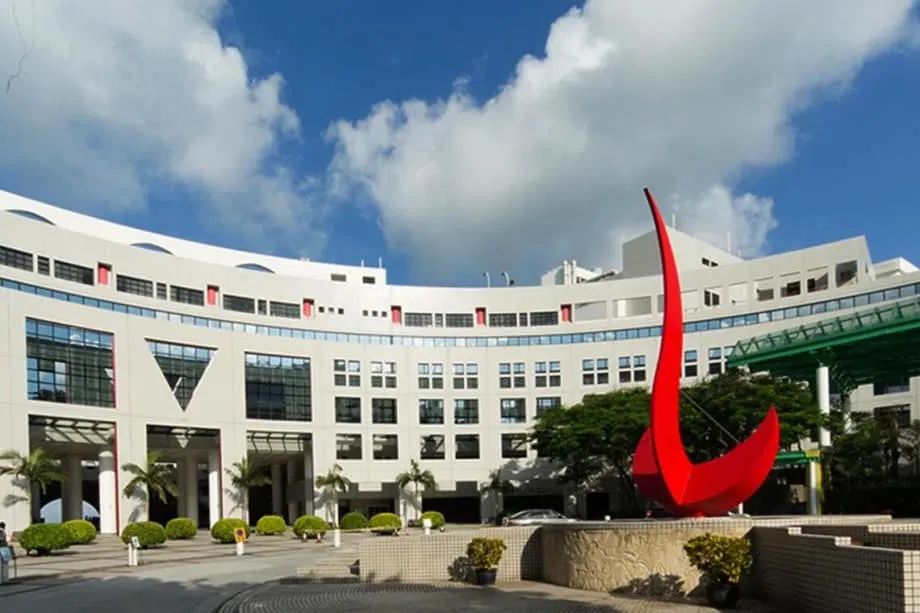
A growing student population is reshaping Hong Kong
Hong Kong's universities have seen the number of students from outside the city almost double since 2021, with the strongest demand coming from mainland China and much of the growth concentrated in postgraduate study. As of October 31, 2025, the increase is changing campus life, strengthening demand for housing and drawing universities into a wider contest for students, researchers and future employees.
Contents
- A growing student population is reshaping Hong Kong
- Why students value flexibility and English teaching
- Internships connect campuses with employers
- How Hong Kong and Tsinghua compare in rankings
- HKUST and Tsinghua deepen their partnership
- Cooperation also reaches economics and social science
- Student dialogue adds a personal dimension
- Tuition, housing and permission to stay affect the choice
- Student housing becomes a pressure point
- A timeline of growth and closer ties
- What the student increase means for the city
- Key Points
Data science, finance, engineering and artificial intelligence are among the postgraduate fields attracting the most interest. Applicants see a combination of English language teaching, international exposure and proximity to the mainland. Hong Kong offers a route into a global business environment without taking students far from mainland employers, research partners or family connections.
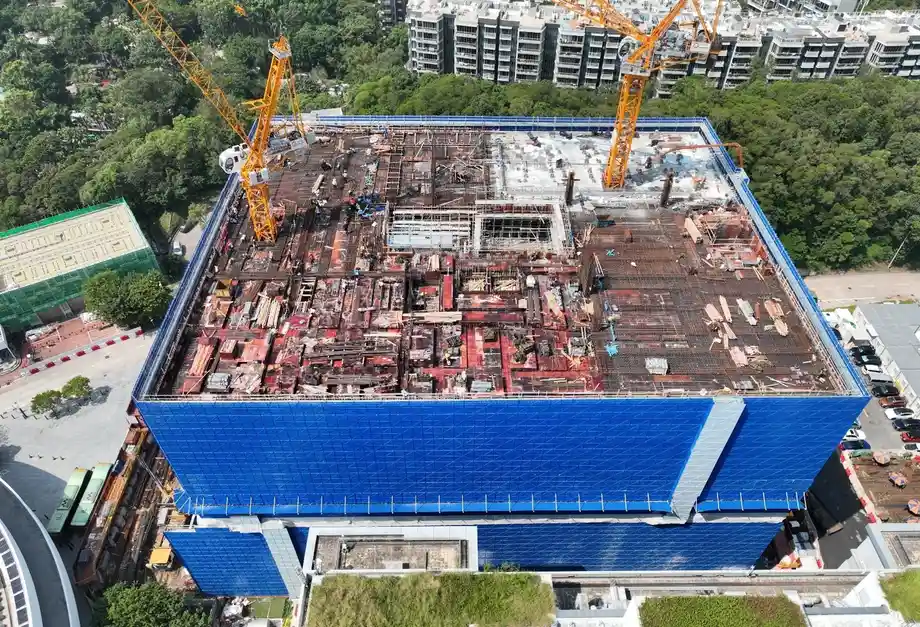
The effects reach beyond lecture halls. Private rents are near record levels in a city dealing with a long property downturn. Landlords near major campuses report tight vacancies, while universities with strong balance sheets are acquiring buildings for teaching and student accommodation. Construction and renovation are increasingly visible around Sai Ying Pun, Clear Water Bay, Ma Liu Shui and Hung Hom.
Hong Kong's appeal also extends to undergraduate applicants. Flexible degree structures, opportunities to study more than one subject and access to multinational employers give families several reasons to consider the city alongside elite mainland institutions such as Tsinghua University. The choice brings different strengths into focus: Hong Kong's international connections and career access, and mainland universities' research scale and national programs.
Tsinghua remains first in Asia in the 2025 Times Higher Education Asia University Rankings. Hong Kong's growing appeal to applicants is therefore unfolding alongside continued mainland academic strength, as well as expanding cooperation between universities on both sides of the border.
Why students value flexibility and English teaching
The University of Hong Kong, Chinese University of Hong Kong, Hong Kong University of Science and Technology, City University and Polytechnic University offer degree structures in which first year students typically complete a common core before choosing a major. A major is the main subject of a degree; a minor is a smaller, additional area of study.
Many students finish with two majors or a major and minor pairing. This gives a computer science student room to add business analytics, for example, or an economics student the opportunity to study public policy. It also reduces the pressure to settle on a single field at age 17, before students have experienced university teaching or explored possible careers.
English is the teaching language at the leading institutions, alongside Chinese and bilingual options. For mainland applicants, the opportunity to study in English is an important attraction. It prepares students for international companies and research teams whose work appears in global journals.
Coursework, references and research papers produced in English from the beginning can also help students prepare for applications to PhD programs abroad. For families comparing a leading mainland campus with an international city, the language environment and breadth of study can weigh heavily in the decision.
These differences matter across a degree lasting four years or a master's program lasting one to two years. Students interested in finance, logistics, gaming, biotechnology or applied artificial intelligence can combine their studies with access to employers, alumni and venture investors in the city.
Internships connect campuses with employers
Hong Kong's concentration of businesses gives students access to internships during the academic term and summer. Banks, professional services firms, global retailers and technology companies operate in Central, Kowloon East and science parks in the New Territories. Students can seek work experience and professional contacts while remaining close to their university.
University career services are geared toward multinational employers and regional firms. Graduates can also enter the Guangdong Hong Kong Macao Greater Bay Area, where short travel times connect Hong Kong with nearby economic opportunities. This makes the city a base for careers that reach across the border.
The Hong Kong Science and Technology Parks Corporation says its network includes more than 2,300 technology companies from 25 countries and regions, together with over 15,000 research and development professionals. Research and development means work to create or improve technologies, products and processes. That concentration gives students access to potential mentors, projects and jobs without relocating.
In May 2025, a delegation from Hong Kong Science and Technology Parks visited Beijing for sessions at Peking University and Tsinghua University. The team met entrepreneurship groups and discussed internships, startup support and research roles with students. The visit showed how directly Hong Kong is seeking talent from leading mainland campuses.
Albert Wong, chief executive of Hong Kong Science and Technology Parks, described the connection between attracting skilled people and attracting companies:
Where there's talent, businesses will follow.
How Hong Kong and Tsinghua compare in rankings
Tsinghua University held first place in the 2025 Times Higher Education Asia University Rankings for the seventh consecutive year, with Peking University second. The University of Hong Kong ranked sixth and the Chinese University of Hong Kong ninth.
Six Hong Kong universities appeared in Asia's top 50 for the first time since 2017. The result points to strength across several institutions, giving applicants a range of highly ranked choices within the city rather than concentrating attention on a single campus.
Tsinghua also sits at or near first place in several global computer science lists, including CSRankings and U.S. News Best Global Universities. The data behind those tables focus on research output in leading conferences and journals. In computer science, conferences are important venues where researchers present new findings, alongside publication in academic journals.
Those results reflect the scale of China's research activity in artificial intelligence and systems. Strong Hong Kong programs, including those at the Hong Kong University of Science and Technology, also appear near the top of rankings for particular fields and draw on both local and international talent.
Students therefore face a choice involving several kinds of strength. Research output matters for someone seeking a laboratory or a future academic career. Language, course flexibility, internships and access to employers also matter for someone choosing where to spend several years studying and preparing for work.
HKUST and Tsinghua deepen their partnership
The Hong Kong University of Science and Technology and Tsinghua University signed three agreements in July 2025 to expand cooperation in research and education. Competition for applicants and faculty is continuing alongside programs that allow students and researchers to work across the two institutions.
One agreement provides for an integrated master's and PhD track in electronic and computer engineering, beginning with an exchange in the 2025 to 2026 academic year. Students who complete the master's degree can apply to the partner university's PhD program. The arrangement connects the two stages of study through an established university partnership.
A second agreement creates a joint research fund. Each university is to allocate one million in its local currency annually for four years. The supported areas include artificial intelligence, biomedical science, advanced materials, robotics, energy, data science and financial technology, often called fintech.
The third agreement establishes an executive education program connecting technology, management and finance for people in the middle of their careers. This extends the partnership beyond students pursuing academic degrees to working professionals seeking further education.
The July agreements build on a bilingual Doctor of Business Administration previously launched by the two universities and on events including the International AI Cooperation and Governance Forum 2023. Together, the initiatives connect business education, scientific research and discussion of how artificial intelligence should be governed.
Cooperation also reaches economics and social science
Tsinghua University and the Chinese University of Hong Kong run a dual degree in economics, adding another route for students to study through a partnership between mainland and Hong Kong institutions. The program is part of a wider pattern in which students and professors can pursue cooperation alongside competition.
A social science deans forum brought together Tsinghua University, Peking University, the University of Hong Kong and the Chinese University of Hong Kong. Speakers argued that Beijing's expertise in research at the national level and Hong Kong's traditions of studying communities could be combined to improve analysis and policy ideas for shared challenges.
Their argument rests on the different scales at which researchers work. National research examines broad questions affecting a country, while community research looks closely at how people experience issues in particular places. Bringing the two approaches together can connect broad policy ideas with local experience.
Student dialogue adds a personal dimension
Georgetown University and Tsinghua University also held a student dialogue on relations between the United States and China. After the spring 2025 session, a participant described how meeting in person on both campuses shaped the group's work.
Bennie Chang, a Georgetown undergraduate who joined the program, reflected on the value of learning through those encounters:
Our differences became a source of learning, not distance.
The dialogue adds another dimension to the university connections surrounding Tsinghua. Alongside research funds, degree partnerships and recruitment visits, students are participating in exchanges that bring them into direct contact with peers from other educational and national settings.
Tuition, housing and permission to stay affect the choice
Public university tuition for students from outside Hong Kong is well above the rates at most mainland universities. Housing, food and transport are also among the more expensive costs in Asia. Families comparing Hong Kong with a mainland campus must therefore consider the full cost of attendance, alongside the academic program.
Scholarships, guarantees of university accommodation and research stipends can narrow the difference. Many postgraduate programs attract applicants through assistantships and funded laboratory positions. An assistantship links financial support with work such as teaching or research, while a stipend provides money to support a student's studies.
Hong Kong's Immigration Arrangements for Non local Graduates provide another attraction. Eligible graduates can remain in the city to seek work after completing their degree. This gives students seeking international experience an opportunity to begin their careers without moving again immediately after graduation.
Mainland campuses, including Tsinghua, offer a different combination of advantages. Larger laboratories in some fields and access to national research programs that are among the world's most ambitious can be decisive for students focused on particular scientific or technical careers.
For an individual applicant, the practical balance depends on the program, financial support, housing and intended career. Hong Kong brings international business access and a route to seeking work after graduation, while leading mainland institutions offer substantial research resources and connections to national programs.
Student housing becomes a pressure point
Landlords near the University of Hong Kong, Hong Kong University of Science and Technology, Chinese University of Hong Kong, City University and Polytechnic University are feeling the increase in demand. Rents around these campuses have climbed, and accommodation marketed to students is in short supply during the busiest intake months.
Shared flats and dormitories built specifically for students are both part of that market. Universities are adding beds, converting buildings they own and entering long leases to make accommodation more stable as student numbers grow. Institutions with strong finances are also buying buildings for teaching and housing.
Sai Ying Pun, Clear Water Bay, Ma Liu Shui and Hung Hom are among the districts where construction cranes and renovation crews have become part of the changing university surroundings. Cafes, tutoring centers and shared workspaces are multiplying to serve the expanding student population.
Campus leaders and city planners face a practical capacity issue: growing cohorts need enough places to study and live. Hong Kong's rise in student demand is bringing activity to neighborhoods during a wider property downturn, while also increasing pressure on the accommodation students rely on.
A timeline of growth and closer ties
Hong Kong's student expansion and the partnerships around it have developed over several years. The main dates connect rising enrollment, academic cooperation and active recruitment of mainland talent.
- Since 2021: The number of students from outside Hong Kong has almost doubled, with most growth at postgraduate level.
- 2023: HKUST and Tsinghua's cooperation included the International AI Cooperation and Governance Forum 2023.
- Spring 2025: Georgetown and Tsinghua students took part in a dialogue on relations between the United States and China.
- May 2025: Hong Kong Science and Technology Parks visited Peking University and Tsinghua University to discuss internships, entrepreneurship support and research roles.
- July 2025: HKUST and Tsinghua signed three agreements covering an integrated master's and PhD track, a joint research fund and executive education.
- 2025 to 2026 academic year: The exchange connected with the integrated electronic and computer engineering track is scheduled to begin.
The dates show several developments happening together: Hong Kong universities are expanding their student base, employers are recruiting on mainland campuses, and academic institutions are creating more routes for shared study and research.
What the student increase means for the city
Retailers, transport services and other businesses around university districts benefit from the larger student population. Landlords see the most immediate housing effects, while employers gain access to a broader pool of bilingual talent.
Startup founders in biotechnology, fintech and robotics can draw on that talent when recruiting. The government's talent programs, including the Top Talent Pass Scheme, operate alongside university pathways to attract skilled people who might otherwise settle in Beijing, Shanghai or Shenzhen.
Those flows help Hong Kong diversify beyond property and travel. The university sector connects spending on education and accommodation with a longer ambition: retaining graduates, supporting research and supplying people to businesses. Its continued growth also requires room for students on campuses and in the neighborhoods around them.
Key Points
- The number of students from outside Hong Kong has almost doubled since 2021, with most growth in postgraduate study.
- English teaching, flexible degrees and internship access are major attractions for mainland applicants.
- Tsinghua ranked first in Asia in 2025, while HKU placed sixth and CUHK ninth.
- Six Hong Kong universities reached Asia's top 50 for the first time since 2017.
- HKUST and Tsinghua signed three agreements in July 2025 covering education and research cooperation.
- Hong Kong's high tuition and living costs make scholarships, stipends and accommodation important to applicants.
- Eligible graduates can stay in Hong Kong to seek work under the Immigration Arrangements for Non local Graduates.
- Growing student demand is supporting local businesses and increasing pressure on housing near campuses.