New streets would be built without overhead wires
Tokyo plans to prohibit new utility poles in housing and land developments, extending restrictions to private roads and newly created plots as it seeks to protect emergency access during earthquakes and storms. About 500 housing land projects involving new roads proceed in the capital each year, typically adding around 850 poles.
Contents
- New streets would be built without overhead wires
- Where the proposed restrictions would apply
- How developers would be held accountable
- Why fallen poles are a disaster concern
- The cost of putting cables below ground
- Underground systems have their own repair challenges
- National plans focus on emergency routes
- Clearer views and more accessible sidewalks
- How other cities organize the work
- What happens after the comment period
- Key Points
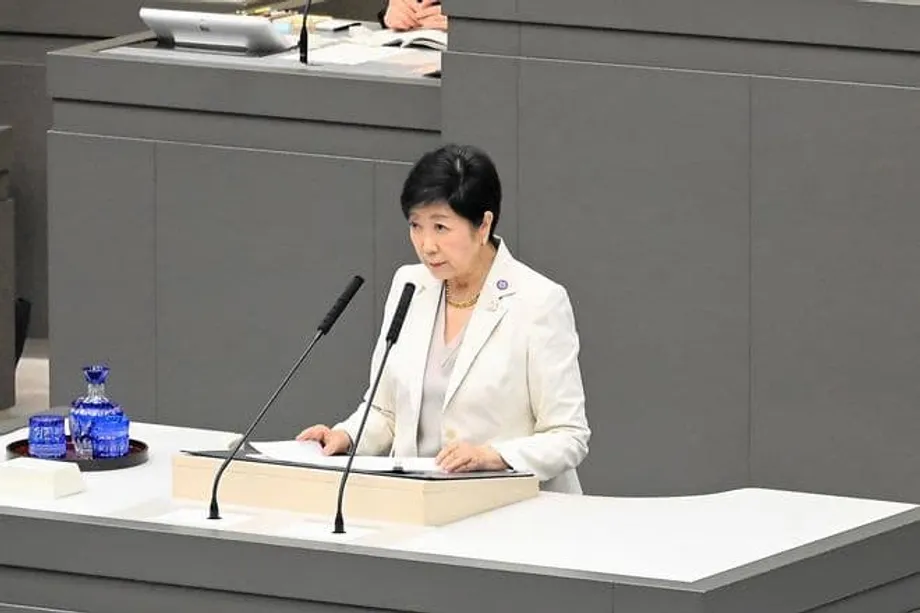
Governor Yuriko Koike announced the proposal in an address to the metropolitan assembly on Sept. 24. The proposed ordinance would be the first of its kind in Japan, building on a rule adopted in 2017 that generally bars new poles along roads administered by the metropolitan government.
Nearly all areas of Tokyo's 23 wards are expected to be designated under the new measure. Developers would have to submit written plans showing how their projects would proceed without overhead poles and cables. The metropolitan government could issue guidance and recommendations and disclose the names of parties that fail to comply.
The public comment period ran for one month, with submissions accepted until Oct. 24. As of Oct. 25, the next steps were to finalize a draft ordinance and submit it to the assembly for consideration. No date was given for a vote or the start of the new requirements.
Tokyo's central concern is practical: a pole that falls across a narrow street can stop an ambulance or fire engine from reaching people. Officials also warn that public authorities cannot easily remove poles from private roads or privately owned land during an emergency. Tangled wires and blocked access can prolong power failures, leaving homes without lighting or air conditioning when residents need them most.
Recent tornado damage in Makinohara, Shizuoka Prefecture, renewed concern about overhead lines. Koike, Tokyo's governor, called for a fresh look at the issue:
The circumstances surrounding utility poles should be thought over again.
Where the proposed restrictions would apply
The ordinance would move underground electricity and communications lines into the earliest stages of planning a new neighborhood. Developers would need to include underground conduits, the passages that hold cables, and coordinate with utilities before construction permits are issued.
Private roads and common areas in newly created subdivisions would be covered, alongside new streets and laneways serving housing complexes. That would extend the policy beyond the metropolitan roads covered by the 2017 restriction.
The first phase is intended to focus on the 23 wards, with particular attention to areas inside Route 7, where density and seismic risk are high. Officials have also discussed extending the approach across the metropolis after the initial zones are established.
Designating nearly all districts in the wards would help avoid a patchwork of neighboring blocks, some with buried cables and others adding new poles. A consistent standard would make shared utility corridors easier for electricity and telecommunications companies to plan and reduce the likelihood that a single property owner holds up a project.
How developers would be held accountable
Developers would submit written plans explaining how they would deliver projects without poles. Metropolitan officials would review those submissions and could issue guidance and recommendations when a plan falls short.
A builder that installs overhead lines in violation of a designation could face public disclosure of its name and a requirement to take corrective measures. The proposal relies on rules during the permit process and transparency during construction, rather than a system centered on fines.
Tokyo intends to use procedures similar to those applied on metropolitan roads since 2017, where the combination of restrictions and oversight has worked. Developments already well advanced in design would have transitional arrangements, while the new requirements would apply to future projects if the ordinance is enacted.
Why fallen poles are a disaster concern
Earthquakes, strong winds and heavy snow can bring poles down. In a dense neighborhood, one fallen pole may block a narrow lane and damage several electricity supply lines at once, interrupting service while also obstructing the route needed to restore it.
The 1995 Great Hanshin Earthquake brought down about 8,100 utility poles. Their collapse complicated rescue and recovery, providing a concrete example of the danger Tokyo wants to reduce before another major disaster.
Private ownership adds a further difficulty. When poles stand on private roads or within privately owned land, public authorities may be unable to remove them or clear tangled lines quickly. Delays can affect both road clearance and electricity restoration.
Underground distribution is less exposed to wind and falling objects. Tokyo officials want new neighborhoods designed so that fewer critical streets can be blocked by damaged poles and essential services can continue operating longer during an emergency.
Removing poles and the wires that brace them also creates more usable space along streets. Pedestrians and cyclists have fewer obstacles, while emergency crews face less overhead equipment that could fall into their path.
The cost of putting cables below ground
Japanese authorities estimate a typical underground installation at about 200 million yen per kilometer, roughly ten times the cost of new overhead lines. The work involves building groups of underground ducts, small access chambers called handholes, and larger manholes before cables can be installed.
Retrofitting a finished street adds expense. Contractors must work around water, gas and sewer lines, often in narrow spaces. Work at night can limit disruption to traffic, but it also increases labor costs.
Tokyo offers subsidies to developers installing underground lines in new housing projects, with support reportedly reaching 40 million yen per development. Even with that assistance, many builders have preferred overhead lines because buyers rarely view buried cables as a selling point, while the extra expense can feed into home prices or rents.
The proposal would change that calculation by treating underground utility corridors as a standard part of a new street, much like water and sewer infrastructure. Digging trenches while the road itself is being built costs less than returning years later to excavate a completed neighborhood.
Electricity and telecommunications companies must also invest in cables and equipment. Those costs are usually recovered over time through their rate structures, making the financial question broader than a developer's construction budget.
Some cities manage the burden through plans spanning many years, contracts covering several streets, central government support and coordinated excavation that allows utilities to share a trench. That kind of coordination is expected to be central to Tokyo's approach.
Underground systems have their own repair challenges
Buried cables are protected from wind, falling tree limbs and ice. Moving wires below ground also reduces the chance that a vehicle or construction machine will snag a line. During typhoons, outages tend to be shorter in places where a larger share of the electricity network is underground.
Floods and landslides create different problems. Crews may find underground equipment difficult to reach, and flooded chambers may need to be pumped out before repairs can begin.
Engineering measures include sealed vaults, equipment positioned higher where possible, and spare conduits through which replacement cables can be pulled quickly. These choices help limit downtime when an underground cable fails.
Tokyo's older neighborhoods present another challenge: many streets have little available space for multiple ducts. Fitting them around existing services requires careful mapping and long preparation.
New developments offer more room to plan. Utility corridors can be reserved before buildings and streets are completed, which is one reason Tokyo is starting there. Electricity and communications providers can agree on routes and installation schedules while the layout is still being designed.
National plans focus on emergency routes
The Ministry of Land, Infrastructure, Transport and Tourism is preparing a new plan covering five years from fiscal 2026 to accelerate pole removal along emergency transport routes in urban areas. These are roads used by emergency vehicles and to carry supplies after a disaster.
The national target is to complete work along about 21,826 kilometers of these high risk corridors by fiscal 2030. At the end of fiscal 2024, roughly 35 percent of the priority sections had been completed.
Tokyo's proposal addresses a different part of the same problem. The ministry's program focuses on important existing routes, while the metropolitan ordinance would prevent new streets from adding more poles that could later require removal.
The two approaches connect present construction decisions with disaster planning. Existing emergency roads need costly conversion work, while new residential streets can include underground corridors before people move in and before overhead equipment becomes part of everyday infrastructure.
Clearer views and more accessible sidewalks
Tokyo has tested streets with buried lines for years, including sections in Sumida Ward where views toward landmarks are clearer. Removing overhead wires changes the cityscape, giving streets and tourist views less visual clutter.
Accessibility is another benefit. Poles and their supporting wires can narrow sidewalks and obstruct people using wheelchairs, strollers or canes. Their removal gives residents more space to move safely.
Progress across Japan has been slow because of cost. Only a small portion of road power lines in central Tokyo are underground, and the rates in other major cities, including Osaka and Kyoto, are even lower.
Kyoto's efforts to protect scenic streets have faced budget constraints. Local leaders have directed limited funds toward main roads used by emergency vehicles, showing how disaster priorities and the cost of construction shape which streets receive attention first.
Tokyo's proposed requirement would allow new developments to make steady gains without depending entirely on expensive work along busy existing streets. Residents would gain clearer skies and less crowded sidewalks as new neighborhoods are built.
How other cities organize the work
Some cities in the United States require new subdivisions to put lines underground from the outset. The reasoning is similar to Tokyo's: reserving space and installing cables during construction avoids the cost and disruption of converting a finished neighborhood later.
Another approach used elsewhere is a small charge on electricity bills for a limited period to pay for neighborhood conversions while crews are already working nearby. Stable funding and a carefully ordered construction schedule help cities complete the work.
Electricity cables are only part of the task. Cities also coordinate with cable and telecommunications providers so that connections from the street to individual homes move underground at the same time as the main lines. Coordinating those connections allows poles to come down sooner and reduces repeated construction.
Tokyo's plan follows that logic by setting expectations early for developers and utility companies. A shared standard would help them plan common corridors instead of separate projects, making it more likely that residents encounter street excavation once, during construction, rather than repeatedly after moving in.
What happens after the comment period
The public consultation deadline of Oct. 24 was the next formal step after Koike's announcement. Officials were then expected to finalize the ordinance and send it to the metropolitan assembly, alongside dozens of other bills filed for the current session.
If approved, implementation would begin in designated zones in the 23 wards. Guidance for builders would set out technical standards for ducts and handholes, coordination with utilities and the timing of inspections.
The main dates and milestones are:
- 1995: About 8,100 utility poles collapsed during the Great Hanshin Earthquake, complicating rescue and recovery.
- 2017: Tokyo adopted a rule generally prohibiting new utility poles along metropolitan roads.
- Sept. 24, 2025: Governor Yuriko Koike announced the proposed extension to new housing and land developments.
- Oct. 24, 2025: The one month public comment period closed.
- Fiscal 2026: The ministry's next plan covering five years is scheduled to begin.
- Fiscal 2030: The national target calls for completed work along about 21,826 kilometers of emergency transport corridors.
Developers with projects still on the drawing board can prepare by mapping utility corridors early, budgeting for conduits and contacting electricity and communications providers to align installation schedules. Those decisions would make underground services part of the initial design rather than a costly addition.
For future homebuyers, the most visible changes would be fewer wires above new streets and fewer poles occupying sidewalks. The larger purpose is to keep those streets accessible when storms or earthquakes damage surrounding infrastructure.
Key Points
- Tokyo proposes Japan's first ordinance of its kind to prohibit new utility poles in housing and land developments, extending its 2017 metropolitan road restrictions.
- Nearly all areas of the 23 wards are expected to be designated, with initial attention to areas inside Route 7 and wider expansion discussed.
- About 500 developments involving new roads typically add around 850 poles each year.
- Developers would submit plans for construction without poles. Enforcement would include guidance, recommendations, corrective measures and disclosure of violators' names.
- The public comment period ended Oct. 24, 2025. Final drafting and assembly consideration were the next steps.
- Underground installation typically costs about 200 million yen per kilometer, roughly ten times overhead construction. Tokyo's developer subsidy reportedly reaches 40 million yen per project.
- Buried lines reduce exposure to wind and falling objects, while floods and landslides can complicate access and repairs.
- National plans target about 21,826 kilometers of emergency transport corridors by fiscal 2030. Roughly 35 percent of priority sections were complete at the end of fiscal 2024.
- Removing poles can improve emergency access, open sidewalk space and provide clearer views, while planning utilities during construction can reduce later disruption.