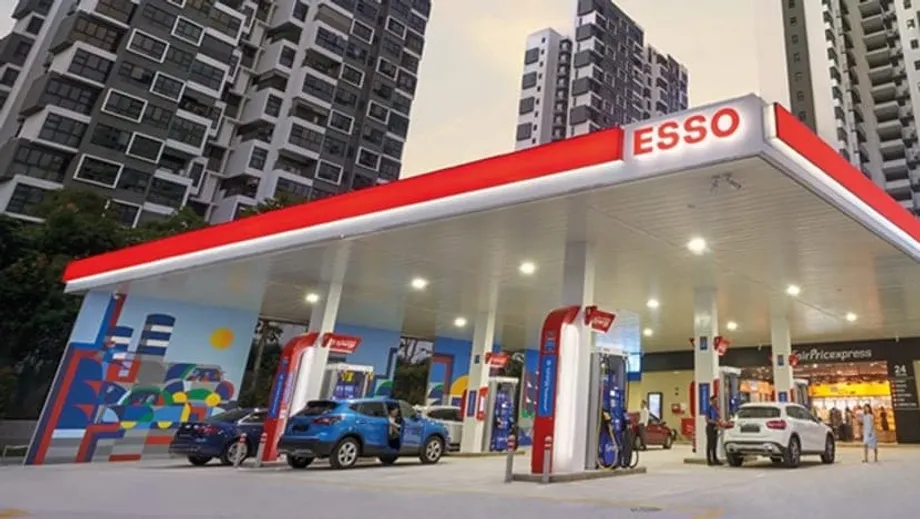
Nearly 60 stations change hands, while Esso stays
Indonesia-based Chandra Asri Pacific is buying nearly 60 Esso petrol stations in Singapore from ExxonMobil, putting a new company behind a familiar fuel network while keeping the Esso name at the pump. As of October 25, 2025, the transaction is expected to close by the end of the year, subject to regulatory approvals.
Contents
- Nearly 60 stations change hands, while Esso stays
- What motorists can expect at the pump
- Will the sale change fuel prices?
- How the new operating arrangement works
- Chandra Asri expands its Singapore presence
- ExxonMobil keeps its manufacturing operations
- Competition will still revolve around access and discounts
- Electric vehicles shape the longer transition
- Approvals and the timetable for completion
- At a Glance
The sale includes the supply agreements that keep the stations stocked. ExxonMobil will continue providing fuel from its Singapore manufacturing operations, while Chandra Asri will run the stations as an independent retailer under what the companies call a branded wholesale model.
Drivers should see little immediate change. The Esso brand, fuel grades, station locations and loyalty programmes are set to remain. The companies expect business to continue as usual during the handover, with the network staying the same size at this stage.
The purchase price has not been disclosed. Market talk earlier in 2025 suggested a possible valuation of about 1 billion dollars, but neither company has confirmed that figure or released the final commercial terms.
For ExxonMobil, the transaction continues a shift toward manufacturing and supplying fuel while reducing its direct involvement in retail operations. For Chandra Asri, it adds a network serving Singapore motorists to a growing regional business in chemicals, energy, infrastructure and logistics.
The practical change is therefore behind the forecourt: one company will operate the retail business, while another continues supplying the fuel and providing the brand. That division matters for future decisions about costs, promotions and investment, even if a driver's next visit looks much like the last.
What motorists can expect at the pump
Esso customers can expect the same petrol and diesel grades, familiar signage and a consistent service experience. The number of stations and their locations are not expected to change at this stage, preserving access to the existing network.
Loyalty points and cards linked to Esso are set to be honoured. Bank card promotions connected with the brand are also expected to continue. Those benefits matter because the amount a driver pays after discounts can be different from the price displayed at the station.
Geraldine Chin, chairman and managing director of ExxonMobil Asia Pacific, described the expected continuity for customers during the transfer:
Business is expected to continue as usual during the transition period, with continued recognition of loyalty program benefits.
Convenience stores at Esso locations, often operating as FairPrice Xpress and Cheers outlets, will continue their normal operations. Motorists should therefore retain access to the shops alongside the fuel pumps.
Most people working at the forecourts will remain in place. Station staff are employed by FairPrice or its agents, while a small number of ExxonMobil employees supporting the retail fuels business will transfer to Chandra Asri. The change in ownership affects those groups differently because the station workforce and ExxonMobil's retail support employees have different employers.
Will the sale change fuel prices?
Singapore pump prices mainly respond to international oil product benchmarks, taxes, exchange rates and local competition. Oil product benchmarks are reference prices for fuels such as petrol and diesel. Retailers adjust their posted rates as the global cost of crude oil and refined products changes.
Promotions, loyalty points and credit card discounts also have a large influence on the final bill. A familiar posted price can therefore produce different amounts payable depending on the benefits available to a particular customer.
Chandra Asri's purchase could change the cost structure behind the Esso network because the station operator and fuel supplier will become separate businesses. That arrangement can leave room to adjust retail margins, meaning the amount retained from sales after fuel costs, or to change how promotions are organised.
Competition gives operators another reason to watch their pricing closely. Singapore's fuel retailers tend to track one another, and international oil prices and wholesale fuel costs are likely to have a stronger effect on pump rates than the ownership transfer itself.
Minimal disruption to prices is expected in the near term, with the station network unchanged and supply continuing from ExxonMobil's Singapore complex. Prices and promotions are consequently expected to remain familiar, although the transaction includes no announced promise to freeze pump prices.
How the new operating arrangement works
ExxonMobil will move the Singapore retail network to a branded wholesale arrangement. In simple terms, the company supplying the fuel and licensing the name will be different from the company operating the stations.
Chandra Asri will run the retail business and sell Esso fuels. Under this type of arrangement, the independent operator handles retail pricing, staffing and investment in the sites, while the brand owner supplies products and allows its name to remain on the forecourt.
Large oil companies use this model to reduce the money they need to commit directly to retail operations. They can keep their brands visible to motorists and maintain a steady outlet for fuel produced by their refineries.
Customers generally see the same signage and fuel formulations, with loyalty programmes usually carried over. Contracts, the allocation of costs and responsibility for promotion strategy account for much of the change behind the scenes.
The Singapore transaction covers nearly 60 stations together with their associated supply agreements. A number of employees supporting the retail fuels business will join Chandra Asri, while service station staff remain employed by the site operators. Independent advisers have been engaged, with investment banks and law firms supporting the process on both sides.
Chandra Asri expands its Singapore presence
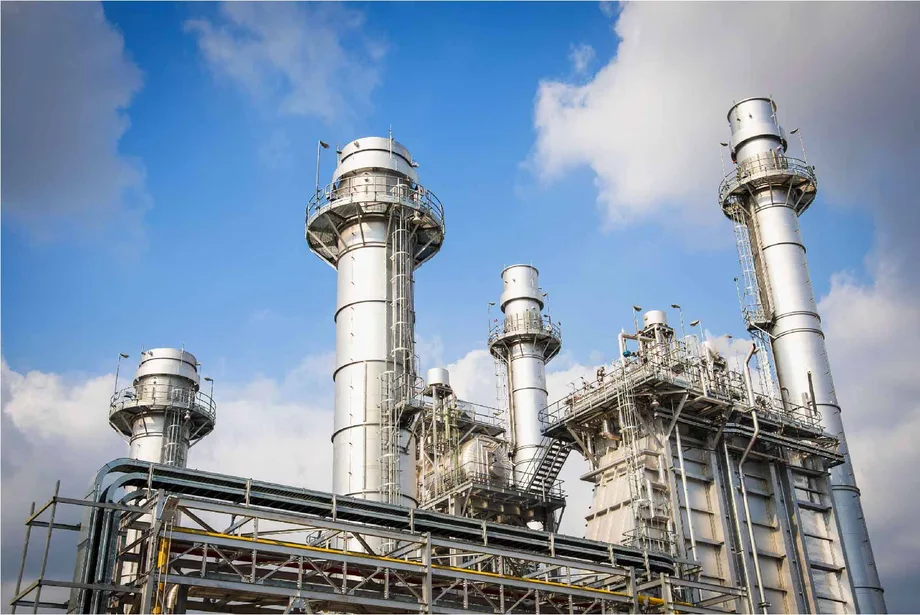
PT Chandra Asri Pacific Tbk is one of Southeast Asia's largest energy and petrochemical groups. Established in 1992, it operates Indonesia's largest integrated petrochemical complex and has grown through new production capacity and acquisitions.
The group has also expanded into infrastructure and energy logistics. Buying the Esso network adds retail fuel operations to that broader business and extends its presence in Singapore beyond refining and chemicals.
Chandra Asri has already been active in Singapore through Aster, its joint venture with Glencore. Earlier in 2025, Aster acquired Shell's Singapore refinery and related refining assets.
The venture also bought a petrochemical plant previously operated by Chevron Phillips Singapore Chemicals and announced upgrades at the Bukom site. Those moves place the Esso purchase within a wider series of Singapore investments, rather than an isolated entry into the market.
The combination brings together different parts of the energy business: facilities that process oil and make chemicals, infrastructure that supports their movement, and stations where customers buy fuel. For the Esso network, however, the announced supply arrangement remains with ExxonMobil's Singapore manufacturing site.
ExxonMobil keeps its manufacturing operations
ExxonMobil will continue operating its integrated manufacturing site in Singapore, including its large refinery and petrochemical units on Jurong Island. The complex produces fuels, chemicals and lubricants for customers in Singapore and overseas.
The retail sale leaves that manufacturing business in place. The site will keep supplying commercial and wholesale customers across the region and globally, while the Esso stations receive fuel under the new branded wholesale arrangement.
ExxonMobil's approach in Singapore follows moves to sell or restructure retail networks in other countries, including a sale in Thailand. The company is focusing on its manufacturing and supply strengths while reducing the assets it owns directly in retail.
ExxonMobil has separately announced plans to reduce its Singapore workforce by 10 to 15 percent by 2027 as part of a global restructuring effort. That workforce plan is separate from the sale of the Esso stations.
For employees, the distinction is practical. The retail handover involves a small number of ExxonMobil support staff moving to Chandra Asri and most forecourt personnel staying with their existing employers. The broader workforce reduction concerns ExxonMobil's Singapore operations under its separate restructuring programme.
Competition will still revolve around access and discounts
Singapore's retail fuel market is competitive but concentrated among a few brands. Esso, Shell, Caltex and SPC operate nationwide networks, with a dense spread of stations for a city of Singapore's size.
Retailers compete through convenient locations, promotions, membership rewards and partnerships with major banks. Drivers often watch posted rates closely and plan refuelling around discount days or credit card benefits.
Keeping the Esso name, station network and loyalty programme means the competitive balance among the major brands is likely to look familiar after the transfer. Customers will still be weighing many of the same considerations when choosing where to stop.
Over time, Singapore service stations are adding more energy and mobility services, including electric vehicle charging and improved convenience shops. Chandra Asri's interest in new energy businesses could influence how the Esso network develops in later years.
Electric vehicles shape the longer transition
Chandra Asri has said adoption of electric vehicles is accelerating in Singapore and the region. It also expects petrol vehicles to remain in use during a managed transition, leaving a continuing role for conventional fuel retailing.
The group says it is committed to a future with lower carbon emissions and will invest in renewable power solutions and innovation for green growth opportunities. Its investments linked to energy logistics and new energy solutions sit alongside its expansion in established fuels and chemicals.
For the Esso stations, that creates two business priorities: maintaining reliable fuel sales during the transition and considering how services might evolve as transport changes. The announced handover centres on continuity for current customers, while Chandra Asri's wider strategy points toward potential development over time.
Approvals and the timetable for completion
The companies aim to complete the transaction by the end of 2025 after obtaining the required regulatory approvals. Such processes typically include competition clearance and the transfer of retail site licences. No specific completion date has been given.
Both companies have said they will work together on a smooth transition. Investor reaction has been positive, with Chandra Asri shares rising on the announcement, although the company has not disclosed the commercial terms.
The main dates and milestones are:
- Earlier in 2025: Aster, the Chandra Asri and Glencore joint venture, acquired Shell's Singapore refinery and related refining assets.
- October 25, 2025: The Esso sale is awaiting completion, with the brand, existing network and loyalty benefits expected to continue.
- By the end of 2025: Chandra Asri and ExxonMobil aim to close the transaction, subject to regulatory approvals.
- By 2027: ExxonMobil plans a separate reduction of 10 to 15 percent in its Singapore workforce as part of global restructuring.
The immediate task is to transfer the retail business while maintaining fuel deliveries, customer benefits and normal station operations. The ownership will change, but the announced arrangement keeps ExxonMobil involved as the supplier and Esso as the brand drivers see.
At a Glance
- Chandra Asri Pacific will acquire nearly 60 Esso petrol stations in Singapore and associated supply agreements.
- Completion is targeted for the end of 2025, subject to regulatory approvals.
- The purchase price is undisclosed. Earlier market talk suggested about 1 billion dollars, a figure neither company has confirmed.
- Esso branding, fuel grades, station locations and loyalty benefits are expected to continue.
- Bank card promotions and normal operations at FairPrice Xpress and Cheers outlets are expected to carry on.
- A small number of ExxonMobil retail support employees will transfer to Chandra Asri. Most forecourt staff will remain in place.
- ExxonMobil will supply fuel under a branded wholesale model and retain its Singapore manufacturing operations.
- Global fuel costs, taxes, exchange rates and competition remain the main influences on pump prices.
- Chandra Asri is expanding in Singapore following refinery and petrochemical acquisitions through Aster, its venture with Glencore.
- ExxonMobil's planned Singapore workforce reduction of 10 to 15 percent by 2027 is separate from the station sale.