A $248.4 million investment meets an island in transition
A $248.4 million sovereign loan, an international motorcycle circuit and an estimated 4.8 trillion rupiah in economic activity from the 2025 MotoGP weekend are helping turn Mandalika, on Lombok's southern coast, into a national tourism showcase. As of October 19, 2025, the transformation is bringing jobs and investment while sharpening disputes over land, coastal access and who benefits.
Contents
- A $248.4 million investment meets an island in transition
- What the infrastructure money is building
- Flights and the recovery after COVID-19
- Water, sanitation and skills beyond the circuit
- Small businesses gain, but access is uneven
- Land disputes carry the deepest human cost
- Sasak identity shapes the visitor experience
- Beaches, reefs and mountains need basic services
- What would make the gains more widely shared?
- How visitors can support Lombok's communities
- What to Know
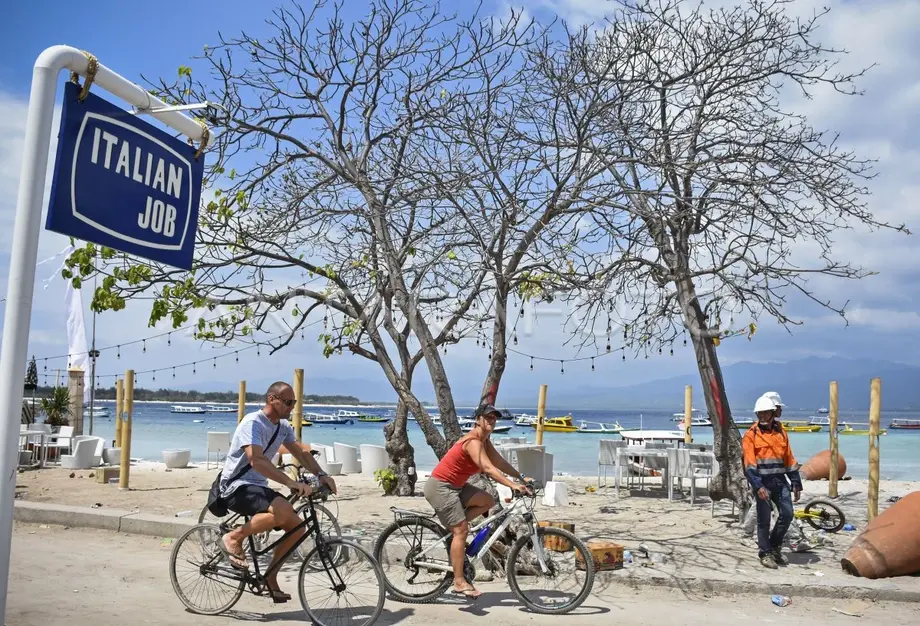
Damar, who grew up on Lombok wary of foreigners, now guides visitors into turquoise surf breaks. His work as a sought after surf guide captures the island's changing economy. Tourism offers opportunities beyond traditional livelihoods, while the communities receiving visitors must adjust to rising prices and new demands on their surroundings.
Lombok lies just east of Bali. Its sweeping beaches, mellow reefs and the ascent of Mount Rinjani attract surfers, hikers and families seeking space. Roads are less crowded, views feel wide open and daily life moves at a calmer pace than in Bali's busiest areas.
Indonesia's government has put Lombok at the center of efforts to spread tourism beyond Bali, where heavy visitor numbers have brought traffic, waste and visitor fatigue. Resorts, beach clubs, cafes and the Mandalika circuit are drawing international attention to an island whose quieter character is part of its appeal.
Some residents call the changes Balification, a shorthand for both opportunity and anxiety. Higher incomes and new businesses sit alongside worries about evictions, restricted access to beaches and pressure on local culture. Mandalika's development is testing whether Indonesia can expand tourism while protecting nature and sharing the gains with people who have long lived along these coasts.
What the infrastructure money is building
The Asian Infrastructure Investment Bank approved the $248.4 million sovereign loan to finance core infrastructure in Mandalika. A sovereign loan is borrowing backed by a government. The bank's Mandalika project overview describes a two phase effort covering basic services, technical assistance and stronger capacity for the Indonesia Tourism Development Corporation, the state developer.
The bank states the project's objective in these terms:
The objective is to provide sustainable core infrastructure for the development of a new tourism destination in the Mandalika region of Lombok.
AIIB classified the project as Category A, its highest environmental and social risk category. That classification reflects substantial risks and brings requirements for environmental impact assessments, resettlement planning and an Indigenous Peoples plan. These tools are intended to identify potential damage, prevent harm and provide remedies when problems arise.
Infrastructure and events reinforce each other. Roads and services make hotels and visitor businesses possible, while the international motorcycle Grand Prix gives travelers a reason to come. Officials estimated that the 2025 race generated an economic impact of 4.8 trillion rupiah. Airlines added flights, and hotels across Lombok reached or approached full capacity.
The same concentration of visitors puts roads, the airport and coastal villages under pressure during peak days. Sports and entertainment are central to the tourism strategy, but their success also depends on services that can handle sudden demand.
Flights and the recovery after COVID-19
Lombok's Zainuddin Abdul Madjid International Airport is a major link between investment and actual visitor arrivals. Research examining airport data and social media from 2017 to 2022 found that air connections, prominent events and fiscal support strongly influenced the recovery after the pandemic.
Passenger numbers fell during COVID-19 before rising again in the period described as the new normal. The research recommended making better use of infrastructure already in place, sharing data so decisions can be made faster and addressing land conflicts that can weaken investment over time.
Lombok's recent tourism development spans several distinct stages:
- 2017 to 2022: Airport data and social media formed the basis of research into connectivity, visitor flows and the pandemic recovery.
- 2018: An earthquake made disaster resilience an important part of subsequent work on services and tourism in Lombok.
- Since 2019: Civil society groups and UN human rights experts have raised concerns about land acquisition and displacement in Mandalika.
- 2025: Officials estimated the Mandalika MotoGP weekend's economic impact at 4.8 trillion rupiah.
Water, sanitation and skills beyond the circuit
The Indonesia Tourism Development Project, supported by the World Bank, is pursuing another part of the tourism strategy: better public services and stronger community businesses. Work in Lake Toba and Lombok includes water, sanitation, streets and training, with the wider program operating across six destinations.
The World Bank's tourism project results describe new or improved water access for hundreds of thousands of people, upgraded sanitation and large areas set aside for walking and cycling. Tens of thousands of workers received hospitality certification, while more than 20,000 small businesses improved their online presence.
Another 65 tourism villages received mentoring. Across the six destinations, the program estimates that it helped create job opportunities for hundreds of thousands of people, with average wages rising by more than 15 percent. Those figures describe the wider program, with Lombok and Lake Toba among the places receiving support.
The World Bank describes the mission in the following words:
Sustainable tourism that improves infrastructure, expands access to resources, and empowers local entrepreneurs.
Lombok's work placed particular attention on disaster resilience and waste management after the 2018 earthquake. In Sembalun, a community run water system supports homes and homestays. Facilities that turn waste into useful materials aim to improve cleanliness while creating resources that can be sold.
For residents, these investments affect more than the visitor experience. Reliable water supports households as well as guest rooms. Sanitation serves villages as well as tourists, and certification gives workers a way to demonstrate their skills to employers.
Small businesses gain, but access is uneven
Small businesses have multiplied near the circuit and in nearby towns. Studies of Mandalika's growth describe higher turnover for hospitality businesses, transport operators, food stalls and souvenir sellers when events bring crowds.
Spending also reaches villages beyond the main development zone. Homestays far from the racetrack fill during peak weekends. Drivers carry visitors between the airport and beaches, while local suppliers provide food and other goods to hotels and cafes. This ripple effect is how one visitor's spending can support several businesses.
Some micro and small firms struggle to meet the quality and delivery requirements of major events. Coaching remains limited, and some vendors rely on loans carrying high interest, reducing the money they keep from sales. Unpredictable visitor flows can also lead street hawkers to use pushy sales tactics, damaging guests' experiences and future business.
Researchers who spoke with entrepreneurs identified practical needs: financial literacy, better vendor selection and fair opportunities for local companies to qualify for major event contracts. Those changes could help businesses avoid predatory lending while improving service.
Surf guides and diving instructors can now earn more than they could through fishing. Homestay owners have upgraded rooms and adopted online bookings. In Kuta on Lombok's south coast, hostels and simple warungs have given way to more expensive rooms, yoga studios and cafes aimed at international tastes.
Rents are rising with that shift. Some informal beach vendors have lost access to their best selling locations, while some families say traditional walking routes to the sea now pass through controlled resort areas. Residents who welcome new opportunities also want rules that keep them from being pushed to the margins.
Land disputes carry the deepest human cost
Civil society groups and UN human rights experts have raised concerns since 2019 about forced evictions, intimidation during land acquisition and compensation that residents consider inadequate. They have also questioned whether Indigenous Sasak communities gave free, prior and informed consent.
Free, prior and informed consent means that affected Indigenous communities can make decisions without pressure, before a project proceeds and with information they can understand. In Mandalika, the argument concerns both land ownership and whether families had a genuine say in changes to their lives.
Fisherfolk say they lost access to coastal areas where they launched boats. Critics have described a resettlement site far from the beach and lacking services needed to rebuild work and family life. For people whose income depends on reaching the water, moving house also changes access to employment.
UN experts estimated that more than 2,000 people lost their primary means of livelihood. They called for independent mediation, greater transparency from financiers and genuine participation by affected communities. Indonesian officials and the state developer say households were consulted and compensated, and describe job creation in a poor province as a central purpose of the development.
The dispute centers on the gap between formal safeguards and residents' experiences. Clear information about ownership, a complaints process people trust and compensation that accounts for lost livelihoods as well as buildings are central to restoring confidence. Future land agreements will require early consultation and fair terms, particularly for families whose work depends on the shore.
Sasak identity shapes the visitor experience
Lombok's Sasak majority is predominantly Muslim, and mosques anchor village life. Local customs influence greetings, clothing and celebrations. Many visitors value the calmer nightlife and atmosphere suited to families, while travelers familiar with Bali's bars can be surprised by different expectations around alcohol and loud music.
Residents who have watched tourism develop elsewhere want Lombok to retain its own identity. Copying Bali's visitor economy would risk weakening the differences that attract people to Lombok in the first place.
Research into community readiness finds strong social cohesion, pride in culture and local leadership. Economic and social capital are solid. Cultural knowledge is also strong, although specific tourism skills are less developed. Targeted training offers a way to close those gaps while keeping local identity intact.
The penta helix model discussed in this research brings five groups together: government, businesses, universities, nongovernmental organizations and the media. The aim is to coordinate investment and protect heritage, with communities taking part in decisions rather than simply receiving them.
Beaches, reefs and mountains need basic services
Lombok's beaches and mountains are the foundation of its tourism appeal. The Grand Prix has at times left visible waste on nearby beaches, showing how quickly a major event can put pressure on coastal services.
Coral reefs are vulnerable to anchors, careless snorkeling and sediment washing into the sea. Mangrove forests protect shorelines, filter water and provide habitat for young fish. Damage to these environments affects both the attractions visitors enjoy and the coastal resources residents depend on.
Ecotourism research in Indonesia highlights carrying capacity, meaning the number of people or activities a place can accommodate without damage. In practice, that involves deciding how many visitors a site can receive each day, how often events can take place and how much waste local systems can manage.
Studies of Cemara Beach identify basic needs including better sanitation, more bins, safer lighting and prayer rooms. These services may attract less attention than a new resort, but they shape whether families and day visitors find a beach clean, safe and welcoming.
Community water systems in the highlands and facilities that turn waste into marketable resources address related pressures. They support homes and homestays, help keep streets clean and reduce the amount of plastic reaching the sea.
Practical protection measures include reef safe sunscreen, mooring buoys that keep anchors away from coral, marked paths across dunes and guided treks on Mount Rinjani. Operators can manage group sizes and time slots. Tours involving mangrove planting and reef cleanups can also direct visitor spending toward restoration.
What would make the gains more widely shared?
Mandalika's next development choices concern who can remain on the land and who can earn a living from the growing visitor economy. Maps that communities can verify would help clarify titles and ownership. Resettlement should be a last resort, with free, prior and informed consent and compensation measured against livelihoods restored as well as structures lost.
Where relocation is necessary, new homes need to be near work and schools, with water, sanitation and electricity available from the start. A payment for a building addresses only part of the loss when a family also loses access to fishing grounds or customers.
Event organizers and resorts can broaden access to contracts through local sourcing targets, transparent selection criteria and free training. A single point for permits and quality certification would make the process easier for small businesses. Credit at fair rates could reduce reliance on expensive loans.
Bookkeeping, financial literacy and digital marketing can help cafes and homestays move beyond sales conducted only in cash. Guide certification can support safety standards while improving wages and professional pride. These are concrete ways for local workers and owners to participate in larger tourism markets.
Local leaders and residents would also benefit from an accessible dashboard tracking visitor numbers, hotel prices, small business earnings and environmental conditions. Targeted fiscal incentives could encourage investment where it is needed, while penalties could address pollution and land grabs. The penta helix approach depends on information moving both ways and communities having ownership of the plan.
New luxury developments are planned, including global brands aiming for sustainable design and local hiring. Their interest signals continuing investment and adds weight to the need for policies that keep benefits local. No opening dates for those developments were specified.
How visitors can support Lombok's communities
Travelers influence who receives tourism income through ordinary spending decisions. Locally owned accommodation, certified guides and meals at family run warungs direct money toward community businesses. Choosing trips outside the racetrack calendar can ease pressure on roads and may lower prices.
Lombok offers opportunities beyond Mandalika. Visits to the foothills around Sembalun support communities that rebuilt after the 2018 earthquake. A guided snorkel with a small operator focused on reef protection can support conservation while spreading income beyond the main resort areas.
Visitors can reduce waste by refilling water bottles and carrying a small bag for rubbish. Tours that follow reef and wildlife guidelines help protect the places people travel to see. Modest clothing away from beaches, especially near mosques and villages, respects local customs, as does asking before photographing people or ceremonies.
Mandalika's transformation depends on those everyday choices as well as large investments and major events. For Lombok's residents, success means dependable services, access to work and the coast, and a fair share of the income generated by their island.
What to Know
- AIIB approved a $248.4 million sovereign loan for Mandalika infrastructure and assigned the project its highest environmental and social risk category.
- Officials estimated the 2025 MotoGP weekend's economic impact at 4.8 trillion rupiah, with extra flights and hotels across Lombok near or at capacity.
- World Bank supported tourism work covers water, sanitation, streets, skills and businesses. Across six destinations, it reports job opportunities for hundreds of thousands and average wage gains above 15 percent.
- Small businesses benefit from visitor spending, but access to training, affordable credit and major event contracts remains uneven.
- UN experts estimated that more than 2,000 people lost their primary livelihoods. Authorities and the developer say affected households were consulted and compensated.
- Sasak Muslim traditions, community participation and targeted skills training are central to preserving Lombok's identity as tourism expands.
- Waste management, carrying capacity and protection for reefs and mangroves are central tests for continued growth.
- Airport connections, public support and major events influence visitor flows. Spreading trips across locations and dates can reduce pressure on roads and beaches.
- Planned luxury developments signal further investment and a continuing need to keep jobs, business opportunities and public benefits accessible to local communities.