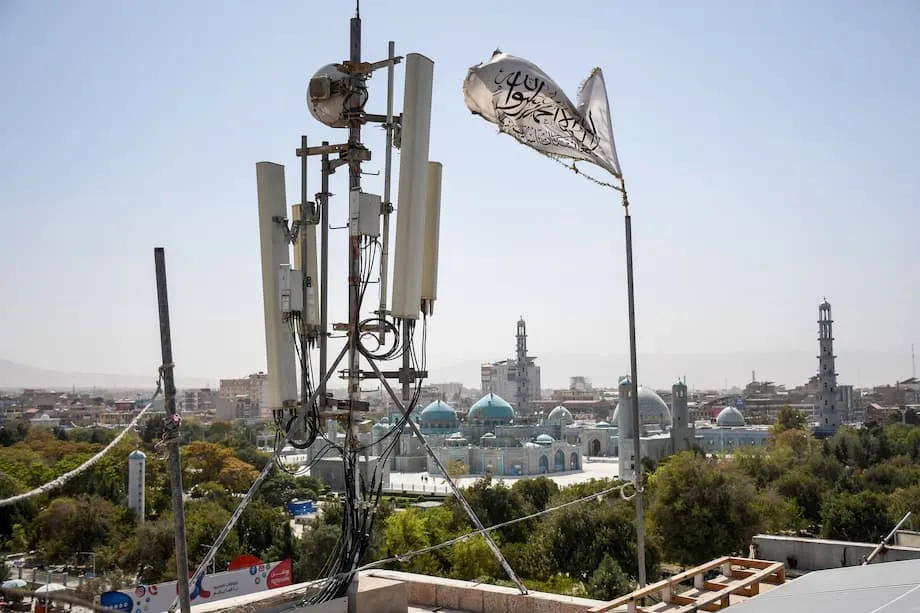
Two days offline brought daily life to a halt
Afghanistan's internet and telephone shutdown from September 29 to October 1, 2025, interrupted flights, banking, medical communications and earthquake relief, cutting a country of about 43 million people off from services that increasingly depend on digital connections. The Taliban ordered the nationwide blackout without warning, beginning on Monday evening and lifting it on Wednesday, roughly 48 hours later.
Contents
- Two days offline brought daily life to a halt
- Regional restrictions became a national shutdown
- Why phone calls failed alongside the internet
- Flights, cash and commerce stalled
- Earthquake relief lost contact with remote communities
- Women and girls lost an essential connection
- Newsrooms and families struggled to reconnect
- Why workarounds offered limited relief
- Rights concerns extended beyond the blackout
- What repeated shutdowns would cost
- Key Points
Families could not reach one another. Messaging apps failed, social media feeds went silent and phones stopped ringing. Afghan communities abroad lost contact with relatives at home, while remittances, business payments and everyday arrangements stalled. Some residents drove toward border areas with Pakistan or Iran to search for signals from neighboring countries.
The nationwide shutdown followed weeks of restrictions on fiber optic connections in individual provinces. Officials had presented those earlier cuts as part of a campaign against vice and immoral behavior. The September blackout marked the first time Afghanistan's current rulers had switched off most of the country at once.
Service returned on October 1, bringing relief but leaving residents anxious about another sudden cutoff. By October 10, restrictions on major social media platforms had also been reported across multiple providers. The restoration of basic connectivity therefore came alongside continuing limits on how people could communicate online.
The disruption reached far beyond people trying to send messages or browse websites. Banks needed connections to process payments, airlines needed them to coordinate schedules, and aid agencies needed them to contact teams in isolated communities. Women barred from classrooms and many jobs lost access to online alternatives. Across these activities, the same communications infrastructure supported both essential services and personal contact.
Regional restrictions became a national shutdown
Taliban authorities did not give a clear public explanation for the nationwide shutdown. It followed a morality campaign lasting months and earlier orders to sever fiber optic links in selected provinces, a drive led from the top of the movement.
Connectivity began collapsing in mid September. Regional restrictions first affected Balkh, Badakhshan and Takhar in the north, before reaching Kandahar and Helmand in the south, Nangarhar in the east and Uruzgan in central Afghanistan.
Internet watchdogs recorded networks disconnecting in stages. By the end of September, access in Kabul, Herat and Kandahar had fallen to a fraction of normal levels. Authorities set deadlines to limit or switch off 3G and 4G mobile data, leaving only pockets of 2G service.
Kabul's fiber connections went down late on Monday, September 29, and carriers indicated that services would remain unavailable until further notice. The shutdown spread nationwide by Tuesday morning, with internet measurement groups recording traffic falling toward zero. Telephone service also failed or deteriorated sharply.
The sequence shows how restrictions that began in particular provinces grew into a disruption affecting most of the country:
- Mid September: Fiber optic restrictions began in northern provinces and subsequently reached other regions.
- Late September: Connectivity in Kabul, Herat and Kandahar fell sharply as restrictions extended to mobile data.
- September 29: Fiber links in Kabul went down late on Monday, beginning the final stage of the nationwide blackout.
- September 30: The shutdown had spread nationwide by Tuesday morning, with internet traffic approaching zero.
- October 1: Internet and telephone services returned after roughly 48 hours.
- After restoration, through October 10: New restrictions on major social media platforms were reported across multiple providers.
Why phone calls failed alongside the internet
Afghanistan's national fiber optic network was built over many years to connect provincial capitals, mobile towers, government offices and exchange points. Those connections carry information between local networks and the wider internet.
Mobile towers need a route back to the main network, known as backhaul. When fiber routes were severed, towers lost that connection and core routers could no longer exchange traffic with international gateways. Mobile internet dropped from 4G and 3G to isolated pockets of 2G, then disappeared in many places.
Most telephone calls in Afghanistan rely on the same fiber backhaul that carries internet data. Unlike wealthier markets with more alternative routes, Afghanistan has limited redundancy. Losing a major connection can therefore interrupt ordinary voice calls as well as internet access.
Radio and television services were also exposed. Digital links connect studios to transmitters and support distribution, so broadcasters warned audiences that their services could be interrupted. The damage spread across several forms of communication because they depended on shared infrastructure.
Flights, cash and commerce stalled
Kabul International Airport saw operations slow to a stop as incoming flights were cancelled and departures were delayed or listed with an unknown status. Passengers were told that services might resume only after the blackout ended. With air traffic data feeds disrupted and airlines unable to confirm schedules, the terminal was quiet.
Banks faced a different version of the same problem. Payment systems faltered, customers gathered to withdraw cash, and some branches could pay out only small amounts. Others closed entirely. In southern provinces, some banks did not open at all, while private money exchangers said they could not process transfers.
Remittances from relatives abroad, an important source of household income, stalled. A money changer in Helmand said local bank branches were closed and he could not settle payments. For families awaiting money, the interruption affected access to funds as well as contact with the person sending them.
Delivery businesses could not take orders through their usual mobile channels. Markets grew quiet, and shopkeepers lost the ability to call customers, suppliers and drivers. Najibullah, a shopkeeper in Kabul aged 42, described how the communications failure brought his business to a standstill:
We are blind without phones and internet," said Najibullah. "All our business relies on mobiles. The market is totally frozen.
Hospitals, clinics and pharmacies also experienced communication problems. Routine coordination, ambulance dispatch and access to digital medical records slowed or stopped. Even confirming a doctor's appointment became difficult when neither telephone calls nor online messages could get through.
Earthquake relief lost contact with remote communities
Humanitarian teams were still helping communities recover from a magnitude 6.0 earthquake in eastern Afghanistan the previous month. The disaster killed around 2,000 people, injured 3,600 and damaged roughly 8,500 homes.
The blackout severed contact with aid workers in remote areas, blocked the immediate sharing of information and delayed deliveries. Teams could no longer readily check conditions in affected villages or coordinate supplies with colleagues elsewhere.
Indrika Ratwatte, the United Nations humanitarian coordinator in Afghanistan, described the loss of contact with field teams and communities while speaking from Kabul over a fragile satellite connection:
We do not have connectivity with them," he said. "The rest of the country is completely cut off right now, by and large.
Aid agencies warned that vaccination campaigns and the management of supply chains would suffer. These activities require staff to coordinate locations, deliveries and the people receiving assistance. Without working communications, that coordination became slower and harder.
Winter was already settling in, making the timing especially difficult for earthquake survivors. Distributing insulation for shelters, warm clothes and fuel depended on reaching the right families before conditions worsened. Losing contact with isolated valleys made relief less precise and increased the cost of getting help to them.
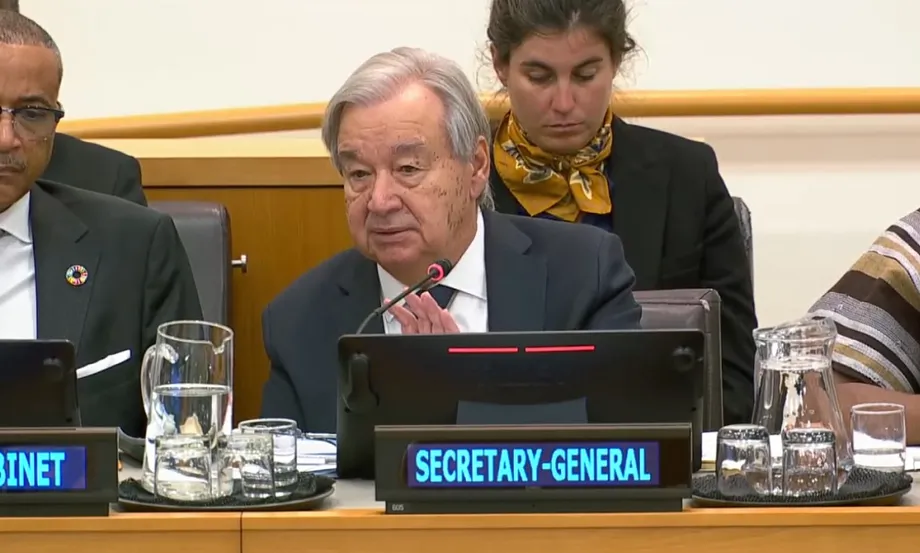
The United Nations mission in Afghanistan urged the authorities to restore internet and telecommunications access nationwide. It warned that the shutdown threatened economic stability and deepened an already severe humanitarian crisis.
Women and girls lost an essential connection
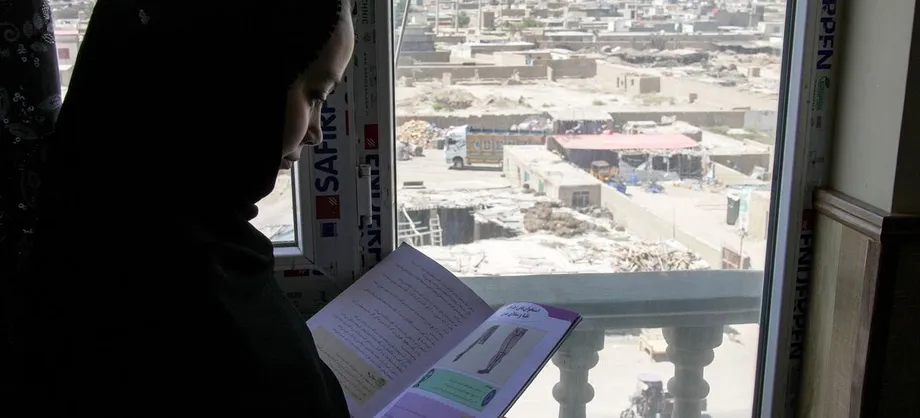
Women and girls faced a particularly sharp loss. Schooling beyond the primary level was barred, and many professions were closed to women. Online classes and remote work had become among the few remaining ways to continue learning and earning.
The blackout stopped lecture streams, tutoring sessions and study groups. It also interrupted outlets run by women and civil society networks that had moved their activities onto digital platforms.
Laila Rahimi, a Kabul resident aged 27 who was studying online for a master's degree, described the shutdown as another exclusion from public life:
"After banning schools and jobs for women, the internet was all we had, and they took that too," she said.
A university student who had turned to online learning after her midwifery course was halted the previous year said the blackout made the world feel dark. Teachers lost contact with students, while students lost access to lessons they could no longer attend in person.
Women journalists could not contact sources or editors. The founder of a newsroom run by women said colleagues abroad struggled to continue publishing while staff inside Afghanistan went silent.
The shutdown also interrupted ordinary movements through the city. Humanitarian workers described being out running errands when mobile and SIM services stopped, leaving them unable to coordinate their work or check on family members. Even after connectivity returned, the possibility of another unexpected cutoff remained a source of fear.
Newsrooms and families struggled to reconnect
Journalists lost telephone contact with field reporters and bureaus around Afghanistan. Newsrooms could not make the calls normally used to arrange interviews, confirm information or coordinate coverage.
Some sent camera crews directly to interviewees because they could not telephone ahead. Broadcasters faced possible interruptions to radio and television output at the same time that their reporting teams were losing contact with one another.
Afghans abroad spent sleepless nights trying to reach parents and siblings. Inside the country, relatives could not make routine checks on each other, and households could not easily coordinate deliveries, medical visits or other daily needs.
The return of service restored those channels, but it did not erase the experience of losing them without notice. Residents described lingering anxiety that another shutdown could again separate families, stop work and interrupt essential arrangements.
Why workarounds offered limited relief
Some residents traveled toward border towns where wireless signals from Pakistan or Iran could be reached. Others attempted to use limited satellite connections, which offered an alternative to the fiber network for a small number of people.
Starlink was not officially available in Afghanistan. Reports suggested that some users accessed it through covert equipment or gray market channels, but technology experts cautioned that such arrangements carried legal and personal risks under the current rules.
Virtual private networks, or VPNs, offered no solution during a complete blackout. A VPN needs an existing route to the internet to carry a user's connection. When that underlying route disappears, the VPN cannot create a replacement.
Affordability already limited access before the shutdown. Mobile data could cost far more than an average household could pay. Students described spending the equivalent of tens of dollars on large data packages.
Shared home Wi-Fi, where available, cost less, but it was far from universal. Students and workers therefore depended on a mixture of connections shaped by price and availability. When those connections stopped, their education and work plans stopped with them.
Rights concerns extended beyond the blackout
Rights organizations and legal experts said blanket internet shutdowns violated fundamental freedoms. Article 19 of the International Covenant on Civil and Political Rights protects the right to seek, receive and impart information through any media of a person's choice.
Restrictions on that right must be lawful, necessary and proportionate. In plain terms, they need a legal basis, a genuine need and limits that match the harm being addressed. Rights groups argued that disconnecting everyone failed that standard because it silenced the entire population rather than addressing specific harms.
Amnesty International called the shutdown reckless and warned that it would damage aid delivery, healthcare and essential services when nearly half of Afghanistan's population needed support.
Human Rights Watch warned that cutting internet access deprived people of education, work and a voice, with women and girls carrying the heaviest burden. The blackout also made documenting rights abuses harder because witnesses could not get information out.
A group of experts appointed by the United Nations later condemned broader restrictions online, pointing to fresh limits on major social media platforms days after the nationwide blackout ended. Those restrictions extended concerns about access to information beyond the two days when most connections were unavailable.
What repeated shutdowns would cost
Officials in several provinces argued that cutting fiber connections was a way to curb online immorality. Some local officials suggested building alternative systems for essential needs, but provided only vague details.
Business owners, aid workers and families faced practical reasons to fear repeated interruptions. Companies need dependable contact with suppliers and customers. Airlines rely on predictable connectivity for flight planning, communication with crews and safety. Aid agencies use digital systems to identify people needing assistance, track supplies and protect staff.
Each day without service creates losses that are difficult to recover. A missed delivery, an interrupted payment or a cancelled journey can continue affecting people after the connection returns. Investors also face uncertainty when basic infrastructure can be switched off with little notice.
Afghan civil society groups, educators and entrepreneurs have asked to take part in shaping policies that protect communities while keeping them connected. Targeted rules for harmful content, transparent procedures and independent oversight offer ways to address online threats while preserving access to information.
The September 29 to October 1 blackout demonstrated how a decision about communications could quickly become a problem for transport, healthcare, household income and disaster relief. For residents who had regained service by October 10, the immediate relief came with concern that regional cuts, nationwide shutdowns and platform restrictions could become recurring features of daily life.
Key Points
- Afghanistan's nationwide internet and telephone shutdown lasted roughly 48 hours, from September 29 to October 1, 2025.
- The blackout followed provincial fiber optic restrictions linked by officials to a campaign against vice and immoral behavior.
- Internet traffic fell toward zero, while shared network infrastructure caused telephone services to fail or deteriorate.
- Flights, banking, remittances, deliveries and medical communications were disrupted.
- Aid teams lost contact with remote communities during recovery from an earthquake that killed around 2,000 people.
- Women and girls lost access to online education and remote work amid existing restrictions on schooling and employment.
- New limits on major social media platforms were reported after basic connectivity returned.
- United Nations officials and rights groups called for access to be restored and warned of harm to essential services and fundamental freedoms.