A growing appetite for matcha meets a slower tradition
Japan's matcha boom is sending prices higher, emptying shop shelves and opening an unexpected door to the tea ceremony. As of October 3, 2025, some ceremony venues have raised prices by roughly 30 percent, retailers in Uji and Kyoto are limiting purchases to one tin per customer, and growers are struggling to meet demand despite a large increase in production.
Contents
- A growing appetite for matcha meets a slower tradition
- Why more production has not ended the shortage
- How social media and tourism accelerated demand
- What tea masters hope newcomers will discover
- Choosing matcha for the way it will be used
- Origin and processing matter as competition grows
- Farmers and government work to expand capacity
- What shortages mean at the counter
- Can a fashionable drink build lasting interest?
- What to Know
The bright green tea powder now appears in lattes, sparkling drinks, doughnuts and soft serve. Social media, tourism and interest in wellness have helped turn it from a specialist product into a familiar flavor far beyond Japan. Consumers drawn to the promise of caffeine with calm are joining a market whose most prized leaves take considerable time and care to produce.
Japan has nearly tripled its output of tencha, the leaf processed into matcha, since the early 2010s. Green tea exports, including matcha, have risen by about a quarter compared with a year earlier. Even so, shops can sell out within hours, while heatwaves, an aging agricultural workforce and a recent 15 percent US tariff on Japanese goods add pressure.
Tea practitioners see an opportunity within that strain. A customer who first encounters matcha through a sweet drink may become curious about sado, the way of tea. The ceremony centers on sharing a bowl with intention, humility and attention to others. Its hosts hope growing curiosity about the powder can become a lasting interest in the culture behind it.
Farmers, retailers and ceremony venues now face a shared task: increasing access while preserving the qualities that made Japanese matcha desirable. Their responses range from new factories and government subsidies to purchase limits and advice about choosing the right powder for each use.
Why more production has not ended the shortage
Japan's increase in tencha production has been substantial, but demand has expanded faster than the industry can comfortably supply it. The shortage is especially difficult for tea ceremony hosts seeking premium matcha from the first harvest.
Premium production begins before the leaves are picked. Growers shade tea shrubs for several weeks, limiting sunlight to encourage chlorophyll and amino acids. These contribute to the vivid green color, gentle sweetness and umami, the savory depth that drinkers value.
Young leaves destined for tencha are picked in late spring, then steamed, dried and stripped of stems. Grinding turns the prepared leaf into matcha. Stone mills are preferred for fine powder, but a single mill can produce only about 40 grams an hour. Good matcha is often rested until late autumn to round out its flavor.
Those stages place limits on how quickly producers can respond to a rush of orders. More demand cannot immediately create another harvest, and speeding through careful cultivation or processing can reduce quality.
Heatwaves have also damaged crops in important growing areas, including Kyoto, which produces a sizable share of Japan's tencha. Tender leaves suffer in hot weather, and the best picking window becomes narrower. At the same time, many farmers are approaching retirement, with too few younger workers replacing them.
Modern equipment can help with some tasks, but shaded cultivation and careful processing still need skilled workers. The pressure comes from several directions at once: limited harvests, slow milling, difficult weather and fewer experienced hands. Expanding any single part of production leaves the others to catch up.
How social media and tourism accelerated demand
Social platforms can turn a matcha recipe or an influencer's tasting notes into demand within days. Cafe owners describe selling in a week the quantities they once expected to use in a month. Some shops now request a kilogram of matcha a day.
Tourism adds another route into the market. A weaker yen has encouraged travel to Japan, and visitors return home with tins of tea and new expectations about flavor and presentation. Their purchases increase demand in Japan while helping build an audience abroad.
Uji and Kyoto retailers have imposed limits to discourage hoarding. Specialty cafes and ceremony venues are also rationing servings or setting daily caps. Those restrictions spread scarce stock among more customers, although visitors may still find that the tea they hoped to buy has already sold out.
The United States, a major matcha buyer, has become more expensive to supply following the recent 15 percent import tariff on Japanese goods. The added charge raises costs along a chain that includes importers, distributors and consumers. Shipping and insurance costs are adding further pressure.
Importers describe longer waits between shipments, with orders that once arrived in days taking more than a week. Some Japanese companies have paused new wholesale accounts in their export programs. For a cafe trying to keep a regular menu, both the price and the timing of its next delivery have become harder to manage.
What tea masters hope newcomers will discover
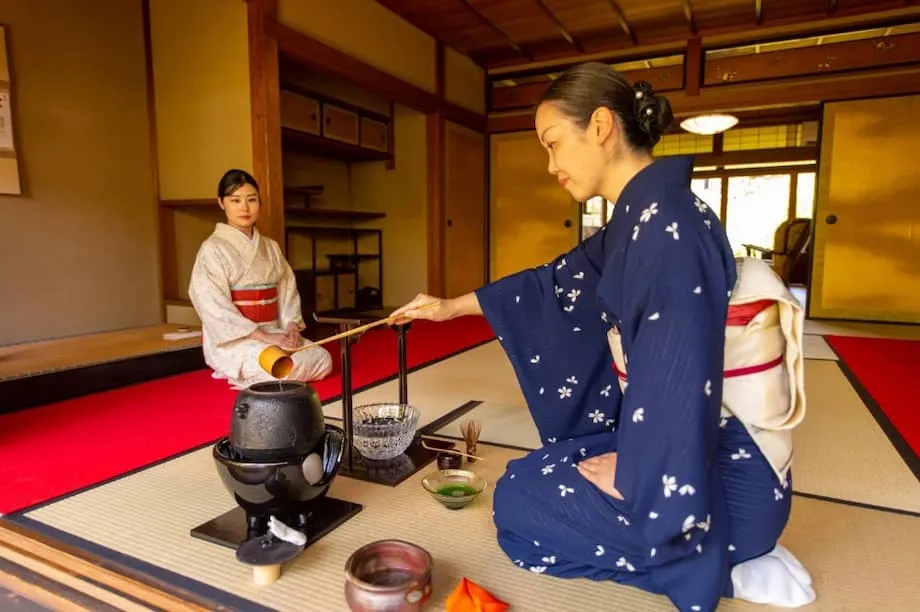
The tea ceremony offers a different pace from the fast circulation of recipes and product recommendations. A host prepares matcha with measured movements, whisking powder and hot water while drawing attention to sound, aroma and taste.
The ritual celebrates hospitality, gratitude and the equality of guests. Refined in the sixteenth century, it has influenced Japanese aesthetics ever since. Its purpose extends beyond producing a drink: the host and guests give their attention to an encounter that will not happen in exactly the same way again.
Keiko Kaneko, a tea ceremony instructor, describes that attention as the practice's central lesson.
"The tea ceremony is reminding us to cherish every encounter as unique and unrepeatable," Kaneko said.
Rie Takeda, a tea master at a ceremony chain in Tokyo, welcomes the growing audience even as she watches her stocks shrink. Speaking through a translator, she described matcha's popularity as an opening for cultural discovery.
The demand is good," Takeda said through a translator. "It is a gateway for more people to know about Japanese culture.
Tea practitioners hope to connect the excitement surrounding matcha with the craft and hospitality of its preparation. Interest in the powder is already soaring. Interest in sado still has room to grow, giving ceremony hosts a chance to introduce newcomers to more than a fashionable flavor.
Choosing matcha for the way it will be used
Atsuko Mori, who directs a tea ceremony venue in Kyoto that limits purchases to one tin, wants visitors to understand why different powders suit different purposes. She is concerned when delicate, expensive matcha disappears into food whose other ingredients overwhelm it.
It is a bit sad to see high grade matcha used in cooking, where its delicate flavor is often lost," Mori said. "Matcha is the highest grade of tea and it is so special to us.
Western labels commonly divide matcha into ceremonial and culinary categories. In Japan, quality is assessed through harvest timing, cultivar, color, aroma and taste. A cultivar is a cultivated variety of the tea plant. Those details help explain why two green powders can deliver very different experiences.
First harvest lots with luminous color and deep umami are prized for drinking with water alone. Later harvests tend to have more astringency, the drying sensation associated with some teas. Their stronger taste can work well in milk drinks or baking, where the tea competes with other ingredients.
Industry groups advise cooks and baristas to use later harvest or lower grade powders for blended drinks and food, reserving delicate lots for simple preparation. Sweetness, cold temperatures and strong added flavors can hide the nuances of premium matcha.
Matching powder to purpose can save consumers money while stretching limited supplies of the most sought after leaves. Clear labeling and education also give buyers a better chance of getting the flavor they expect, rather than paying more for qualities their chosen recipe will conceal.
Origin and processing matter as competition grows
Producers in China, South Korea and Vietnam are expanding supply as matcha becomes more popular. Greater competition could ease prices for basic products while putting pressure on Japan to maintain its premium reputation.
Some products marketed as matcha are simply ground green tea powders, without the shaded cultivation and careful processing that define Japanese matcha. Information about origin and production methods therefore matters to customers trying to understand what they are buying.
Many buyers now regard provenance and traceability as decisive considerations. In practical terms, they want to know where the tea came from and how it reached the tin. Greater transparency gives consumers confidence and rewards producers who maintain careful standards.
Brands investing in farms and lasting supplier relationships may be better placed to explain those differences than businesses chasing seasonal demand. For Japanese growers, the challenge is to increase production while keeping the distinctive qualities that support their reputation.
Farmers and government work to expand capacity
Japanese producers are adding factories and upgrading milling capacity. Companies and cooperatives are investing in shading infrastructure and quality control, while automation helps with sorting and packaging. Experienced growers can then concentrate more of their effort on cultivation and leaf selection.
Government support includes subsidies to improve the quality of leaves intended for matcha and expand tea orchards. Outreach also helps sencha growers switch fields to tencha where terrain and climate make that practical. Such changes widen the potential supply of the leaf matcha production requires.
Tomoyuki Kawai, who works in the agriculture ministry's tea section, described the aim as building a durable market rather than responding only to a brief burst of popularity.
"We do not want this to end up just a fad, but instead make matcha a standard as a flavor and a Japanese global brand," Kawai said.
New facilities, improved processing and more suitable fields can help the industry meet demand. The production cycle still requires patience, particularly when the target is premium tea rather than simply a greater volume of powder.
Japan's efforts combine economic and cultural goals. More reliable supplies could support exports and farm incomes while helping ceremony venues continue serving the matcha their practice depends on. Maintaining quality during expansion is central to both.
What shortages mean at the counter
Customers are encountering the squeeze through higher prices, smaller purchasing allowances and fewer available servings. In Uji and Kyoto, shops describe daily sellouts and limits of one tin per customer. Some ceremony venues have raised drink prices by roughly 30 percent in 2025 to cover rising procurement costs and longer lead times.
Outside Japan, cafes built around premium Uji matcha are limiting servings to spread stock among customers. A well known cafe in Washington, DC, offers only a handful of premium servings each day, with weekend allocations disappearing within the first hour.
Higher costs are also changing menus. Consumers pay more for pure matcha drinks, while some businesses rely more on blended or sparkling options. Import tariffs, shipping charges and insurance join the rising cost of the tea itself in determining what customers eventually pay.
Industry voices are urging patience and mindful consumption. Stockpiling premium tins for resale, or using rare lots in sugary snacks, leaves less for people who want to experience the tea in a simple drink. Spreading demand across grades can make the harvest go further.
Takeda's experience in Tokyo captures the tension: growing interest brings new visitors, while shrinking stocks make serving them harder. Cafes, brands and consumers have choices about purchasing and preparation that affect how widely limited premium supplies can be shared.
Can a fashionable drink build lasting interest?
Some industry leaders expect growth to cool rather than demand to collapse. A co founder of a large matcha cafe chain believes volumes will remain high while growth moderates over the next two to three years. No firm date has been given for an end to the supply squeeze.
As new fields and processing capacity become productive, lower quality powders may return to more reasonable prices. A steadier market could give quality and transparency more weight than the quick margins available during shortages.
Matcha has moved from a niche category within Japan's tea industry to a regular choice for many Gen Z consumers. The global market has been estimated in the low billions of dollars, with steady growth projected through the decade. For farmers and tea practitioners, that commercial opportunity comes with questions about which businesses and traditions will benefit.
More ceremony visitors could help farms prosper and support cultural heritage. Competition focused mainly on lower prices could instead squeeze small family growers and the traditions they sustain. Brands investing in relationships and explaining production, alongside consumers valuing freshness, origin and preparation, can help sustain demand for careful work.
Coffee provides a useful comparison for the route some drinkers might take: an introduction through flavored drinks can lead to interest in beans from a particular origin and more careful brewing. Matcha fans may similarly move from colorful seasonal drinks to bowls prepared with water alone.
The opportunity for the tea ceremony lies in that curiosity. A global appetite has already made matcha more visible. Ceremony hosts hope to turn some of that attention toward the farmers, preparation and hospitality behind a shared bowl.
What to Know
- Japan has nearly tripled tencha production since the early 2010s, while green tea exports, including matcha, have risen by about a quarter compared with a year earlier.
- Heatwaves, an aging workforce and slow processing constrain supply. A single stone mill produces roughly 40 grams an hour.
- Retailers in Uji and Kyoto limit purchases, and some ceremony venues have raised prices by roughly 30 percent in 2025.
- A recent 15 percent US tariff on Japanese goods adds costs in a major matcha market.
- Industry groups recommend later harvest powders for blended drinks and baking, reserving delicate premium lots for preparation with water.
- Japan is expanding factories, milling and cultivation, with government subsidies supporting leaf quality and tea orchards.
- Growing production elsewhere in Asia makes clear information about origin and processing increasingly valuable.
- Tea masters see matcha's popularity as a chance to introduce more people to sado, the Japanese way of tea.