A housing subsidy aimed at the next wave of vacancies
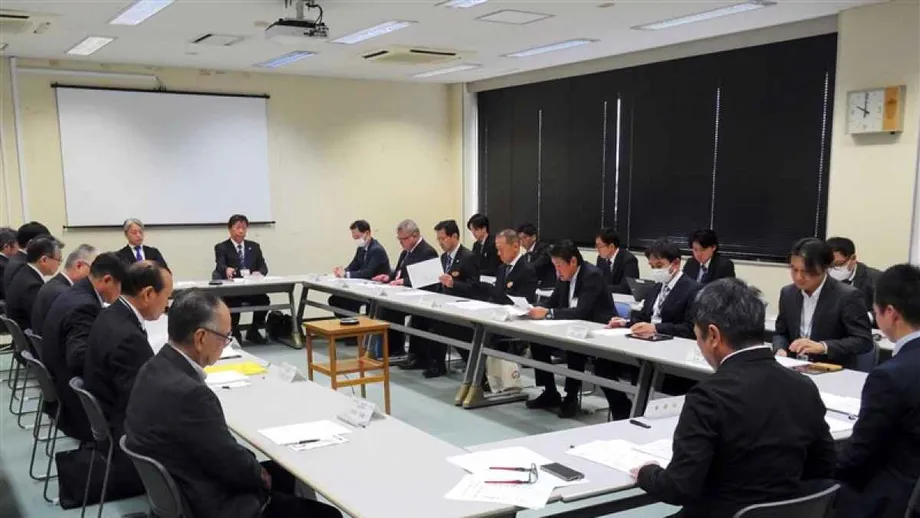
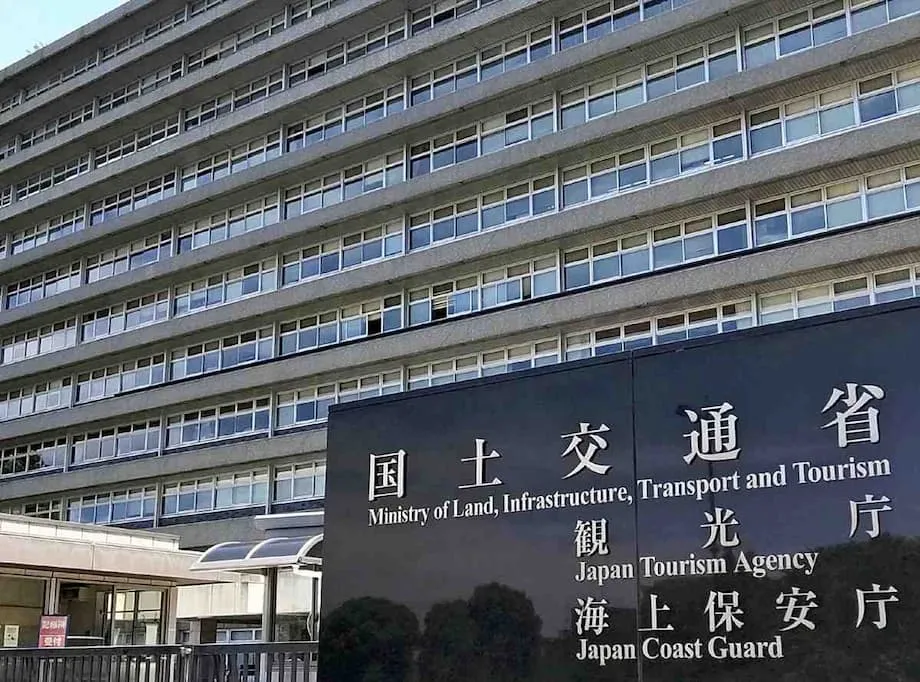
Japan plans to subsidize renovations of vacant homes and properties that older residents are preparing to leave, seeking to prevent more neighborhoods around major cities from losing residents. The Ministry of Land, Infrastructure, Transport and Tourism intends to launch the model project in the next fiscal year, helping turn those properties into family housing, childcare centers and other community facilities.
Contents
- A housing subsidy aimed at the next wave of vacancies
- Why the ministry is looking ahead to 2033
- Who could receive help and what it would cover
- What empty houses change on a neighborhood street
- What akiya means and why ownership matters
- Why renovation appeals to families facing high prices
- How reuse could restore everyday services
- What owners and buyers need to check
- Where tourism and small businesses fit
- What the pilot's first year should show
- Highlights
The proposal addresses two pressures at once: a growing supply of empty houses and rising construction costs that make a newly built home harder for working families to afford. Owners planning to move in with relatives or enter elder care would be encouraged to renovate their homes instead of leaving them idle. Buyers who purchase vacant properties and commit to renovation could also qualify.
Japan had roughly 9 million vacant dwellings in 2023, about 14 percent of all homes. That total includes rentals waiting for tenants, properties offered for sale and homes used only occasionally. Government data also show a record 3.85 million homes that had been unoccupied for years and were not listed for rent or sale. That group amounts to about 43 percent of the 9 million vacant dwellings.
The ministry is focusing on residential districts built during Japan's rapid economic growth from the 1950s through the 1970s. Many retain useful connections to jobs, schools and transport, but their original residents are aging and their children have often moved elsewhere.
As of October 3, 2025, the ministry had requested several hundred million yen in the next fiscal year's budget to launch the project. The pilot would run for several years, with possible expansion to other regions facing similar conditions. Japan's fiscal year begins on April 1. Exact subsidy amounts, selected districts and application dates had not been given.
Why the ministry is looking ahead to 2033
Ministry surveys project a sharp rise in homes occupied only by people aged 85 or older. In the Tokyo region, comprising Tokyo and three surrounding prefectures, the number is expected to increase from about 340,000 dwellings in 2023 to about 940,000 in 2033.
The comparable figure for the Kansai region, centered on Osaka and Kyoto, is projected to rise from about 210,000 to about 580,000 over the same decade. Both forecasts represent an increase to nearly 2.8 times the 2023 level. Together, the two regions would go from about 550,000 such homes to about 1.52 million, an increase of roughly 970,000.
Residents moving into care, joining relatives or dying can leave homes without an occupant ready to take over. Some properties will enter the housing market; others may remain empty. The subsidy is intended to steer more of that transition toward renovation and reuse.
The dates behind the proposal show how the government is connecting current vacancies with the next decade's demographic changes:
- 1950s through 1970s: New towns and large residential subdivisions were built around major cities during Japan's rapid growth.
- 2023: Japan counted roughly 9 million vacant dwellings, including 3.85 million homes unoccupied for years and unavailable for rent or sale.
- 2024: Reforms made inheritance registration for real estate mandatory.
- October 3, 2025: The ministry's renovation pilot was planned for the following fiscal year.
- 2033: Homes occupied only by residents aged 85 or older are projected to reach about 940,000 in the Tokyo region and 580,000 in Kansai.
Who could receive help and what it would cover
The ministry would work with participating local governments to choose districts where vacancies are already common or expected to increase. The focus would be neighborhoods around major cities that still provide good access to employment, education and transport, while housing increasing numbers of households made up only of older people.
Eligible applicants would include owners of vacant houses, older homeowners whose properties are likely to become empty after a move to a relative's home or care facility, and buyers who acquire a vacant house in a designated area and renovate it.
Subsidies could cover interior and exterior renovations, plumbing repairs and other work needed to make a property safe and usable. Many homes are expected to return to the market as family housing. Others could become childcare centers, community halls, facilities supporting parents or small workspaces.
Local governments are expected to establish procedures to guide applicants through inspections, permits and contractor selection. A renovation intended for a family home and a conversion intended for a public facility would need to meet the requirements for their respective uses.
The project would operate as a pilot over several years. Its initial districts would provide experience that could support expansion to other places facing a similar increase in vacancies.
What empty houses change on a neighborhood street
Many targeted districts began as new towns or large subdivisions serving commuters. Decades later, their first buyers have aged in place. Children have moved away, some schools have consolidated and corner shops have closed. Good roads and transport links remain, but many houses are larger than smaller modern households need.
A growing number of dark, unused properties can make prospective buyers wary and discourage neighbors from investing in their own homes. Neglected buildings can attract dumping, harbor pests and become fire risks. Earthquakes and heavy storms add to the danger posed by structures that no longer receive regular maintenance.
Homes can deteriorate quickly after residents leave. Insurance and maintenance payments may lapse, utilities may be shut off and repairs may be postponed. Renovating and selling earlier can cost less than allowing a house to decay until it needs to be boarded up or demolished.
Occupied homes and useful community facilities help keep a street active. The ministry's approach therefore reaches beyond repairing individual buildings: restoring use to several properties can help preserve the daily routines, services and confidence that make a neighborhood attractive to residents.
What akiya means and why ownership matters
Vacant houses in Japan are commonly called akiya. The national housing survey uses a broad count that includes properties for sale, rentals seeking tenants, second homes and dwellings empty for other reasons. Within that total is a substantial group of homes that have remained empty and inactive in the market for years.
Japan's shrinking and aging population contributes to that accumulation. Heirs often live elsewhere and may have little interest in taking responsibility for an old property with expensive maintenance needs. Demolition can also be costly, while tax rules can make leaving a building standing cheaper than removing it.
Buyers have traditionally favored new construction over older homes. Concerns about earthquake safety and decades of building practices that favored replacement have helped shape that preference. A thin market for older properties can leave owners with few willing buyers.
The Vacant Houses Special Measures Act allows municipalities to identify dangerous or seriously neglected properties and order repairs or removal. Once a house receives such a designation, local authorities can also remove property tax advantages that would otherwise discourage demolition.
Reforms that took effect in 2024 made inheritance registration for real estate mandatory. Registering an inheritance updates the legal record of ownership. The change is intended to reduce the number of properties left with unclear ownership and make it easier to reach the people responsible for them.
Why renovation appeals to families facing high prices
High construction costs have made buying a new home harder for typical households raising children in urban regions. Materials prices, labor shortages and supply chain delays have all contributed to the increase. The subsidy seeks to bring more existing houses onto the market in a condition families can move into, at prices they can manage.
A senior official at the Ministry of Land, Infrastructure, Transport and Tourism explained that the project links vacancy prevention with housing for families. The official said:
Soaring construction costs have made it difficult for your typical child-rearing family to purchase a newly built home. Through this revitalization project, we aim to curb the rise in vacant homes and create a comfortable living environment for families with children.
Renovation can return a property to use more quickly than demolition followed by rebuilding. It can also preserve neighborhood character and reduce construction waste. Better insulation, energy upgrades and modern fixtures can make an older house more comfortable and efficient without replacing the entire structure.
For buyers, a renovated property may offer enough space for a family near jobs and schools at a price below new construction. For owners, funding for essential repairs can create an opportunity to sell or rent a house they might otherwise leave unused.
Public support, quality certification and measures that reduce uncertainty about a property's condition can help encourage demand for renovated homes. When several houses on a street are improved, stronger confidence can draw further private spending and help interrupt a cycle of decline.
How reuse could restore everyday services
A house that no longer suits a single family could become a small childcare room, a place for activities after school, a parenting support office or a quiet workspace for people working remotely. Community halls and other shared facilities could also give empty buildings a regular purpose.
Those uses would bring people onto the street and return services to places residents can reach on foot. Childcare and parenting facilities close to home could shorten journeys for working families, while community meeting places could keep older neighbors involved in local life.
Japan has already piloted neighborhood systems that connect medical care, social support and help with daily living near people's homes. One example in the Tokyo suburbs, often called the Nagayama model of community based integrated care, brings together local government, nonprofit organizations and businesses to support older residents and sustain neighborhood life.
The example points to a practical role for modest facilities in suitable locations. Under the planned subsidy, some vacant homes could become places where residents of different ages use the same streets and services, strengthening local relationships and helping streets feel safer.
Urban research in a satellite city in the Tokyo area also connects vacancy with access and convenience. Areas with better road adjacency tended to have fewer vacant houses. A mismatch between residential areas and certain types of retail floor space was associated with higher vacancy. Safer streets, nearby parks and useful services could therefore support the benefits of renovation spending.
What owners and buyers need to check
Older houses can require more than new finishes. Earthquake reinforcement, roof replacement, plumbing repairs, electrical work and improved insulation may all be necessary. A subsidy could help with eligible work, but owners and buyers would still need a realistic picture of a property's condition and future costs.
Inherited homes can have complicated ownership histories involving several heirs. Resolving title, meaning the legal record of who owns the property, is an early step toward a sale or renovation. Inspections and permits can also take time.
A conversion into childcare or another facility must meet building and fire codes for that use. Anyone planning a service or business would also need to check local restrictions on activities and operating hours.
Practical preparation for applicants includes:
- Verify ownership and registration status early, especially for inherited property.
- Arrange a professional inspection covering the structure and water, gas and electrical systems.
- Obtain written estimates from licensed contractors and confirm that the work meets code for the intended use.
- Check local restrictions on facility use and operating hours before planning childcare or community activities.
- Budget for maintenance, insurance and property tax after the renovation is complete.
Ongoing care matters as much as the initial repair. A renovated house needs someone to maintain it, whether it becomes a family home, a rental property or a place providing community services.
Where tourism and small businesses fit
Elsewhere in Japan, vacant houses have been converted into guesthouses, small inns, coworking spaces and community hubs. Traditional wooden houses known as kominka attract visitors interested in established neighborhoods and rural scenery.
City districts often tightly regulate short stays, so residential housing and community services are expected to remain the most common forms of reuse under this urban approach. Small workspaces, rooms supporting children and multipurpose halls could still generate regular activity and spending in nearby businesses.
Many municipalities already operate online property listings known as akiya banks, which connect potential buyers and sellers. Some also offer small grants or tax breaks. The metropolitan renovation subsidy would operate alongside those measures, targeting neighborhoods where family housing demand exists and community facilities could support working parents.
What the pilot's first year should show
Participating local governments would identify pilot districts, publish eligibility criteria and invite applications from owners and buyers prepared to renovate. The ministry's request for several hundred million yen would fund the launch planned for the next fiscal year.
The first year's results would help show whether renovated buildings are finding lasting uses. Useful measures include how many homes are renovated and occupied, whether the number of long neglected houses falls in pilot districts, how many childcare seats and community spaces are created, and how long projects take to complete.
Experience in those districts would inform decisions about extending the program to other regions. The immediate aim is concrete: turn homes that are empty, or likely to become empty, into places where families can live and neighborhoods can continue to function.
Highlights
- Japan plans a renovation subsidy pilot for the next fiscal year to limit urban vacancies and support family housing.
- The ministry has requested several hundred million yen for the launch, targeting districts built from the 1950s through the 1970s around major cities.
- Owners of vacant homes, older residents preparing to leave and buyers who renovate in designated areas could qualify.
- Eligible work could include interior and exterior repairs and plumbing, with reuse as housing, childcare facilities, community halls or small workspaces.
- Japan had roughly 9 million vacant dwellings in 2023, about 14 percent of its homes, including 3.85 million long empty properties unavailable for rent or sale.
- By 2033, homes occupied only by people aged 85 or older are projected to reach about 940,000 in the Tokyo region and 580,000 in Kansai.
- Higher construction costs, aging properties and ownership complications make renovation funding, inspections and clear registration central to reuse.
- The Vacant Houses Special Measures Act and mandatory inheritance registration are intended to help authorities address neglected properties and identify responsible owners.