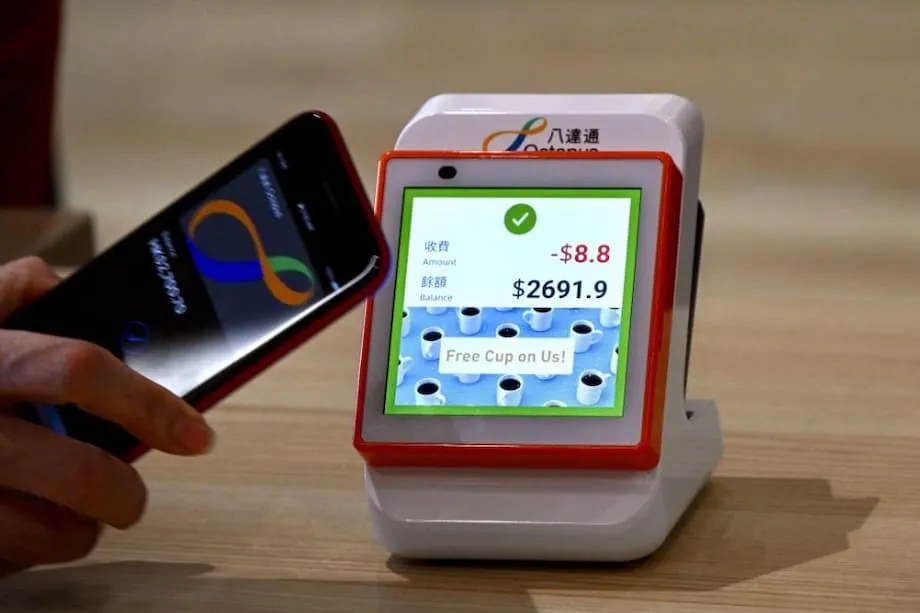
A familiar Hong Kong wallet reaches Japanese shops
Hong Kong travelers can now use the Octopus App to pay at millions of PayPay merchants across Japan, with the cost shown in Hong Kong dollars before they confirm. Octopus Cards Limited activated the service on 2 October 2025, adding a new way to pay for meals, shopping, hotels and taxi journeys without opening a Japanese bank account or obtaining a Japanese mobile number.
Contents
- A familiar Hong Kong wallet reaches Japanese shops
- How the two checkout options work
- Balances, top ups and identity checks
- What no transaction fees means for the bill
- Where PayPay acceptance reaches
- What to prepare before reaching the counter
- The network connecting Hong Kong dollars and yen
- Why Octopus and PayPay pursued the partnership
- Japan follows Thailand and South Korea
- Refunds, lost phones and shopping requirements
- Key Points
Octopus says the payments carry no transaction fees. Customers scan a merchant's PayPay QR code or show a code in the app for the cashier to scan. The app displays the HKD amount and the exchange rate, while the merchant receives yen.
The feature works through the Octopus App, not a physical Octopus card. Spending comes from a Mobile Octopus balance or an Octopus Wallet balance that the customer has topped up. Octopus estimates that more than five million users can use the new function.
Japan is one of the most popular destinations for Hong Kong residents. The connection brings a payment service familiar from daily life in Hong Kong into Japanese convenience stores, restaurants, electronics shops, pharmacies and other businesses using PayPay, one of Japan's most widely accepted QR payment brands.
For customers, the main change is at checkout: a bill priced in yen becomes an HKD amount they can review before paying. For participating merchants, checkout remains a normal PayPay QR transaction. The systems connecting the two services handle currency conversion, compliance checks and settlement, the process of getting the money to the merchant.
How the two checkout options work
The service is available in the Octopus App on iPhone and Android. After updating to the latest version, travelers can find a Travel section that displays the PayPay option when they are in Japan. The app provides the appropriate QR payment process and completes approval within seconds.
At shops displaying a PayPay QR code, customers scan it with the app, enter the bill amount if prompted and check the HKD total before confirming. This approach lets the customer start the payment from a code placed at the counter.
Many larger shops and chains use the other method: the customer displays a code on their phone and the cashier scans it. Both methods produce a receipt in the app showing the yen amount and the HKD charge, allowing travelers to review what they spent in both currencies.
A restaurant bill of 3,000 yen illustrates the process. The app shows the corresponding HKD amount using the rate at that moment. The customer checks the total and confirms. The network connecting Octopus and PayPay handles the exchange, with no extra overseas transaction fee added by Octopus.
Balances, top ups and identity checks
Mobile Octopus and Octopus Wallet are the two funding options. Customers using Mobile Octopus can top up in Hong Kong through their usual methods and then spend the balance in Japan. Octopus Wallet users can add funds through a bank app, the Faster Payment System (FPS), or cash.
FPS is a way to transfer funds for a wallet top up. The payment in Japan then draws on the wallet balance, so travelers need enough money in their chosen funding source before confirming a purchase.
Octopus Wallet requires identity verification at Plus or Pro level for some top up methods and to unlock higher limits. Travelers should complete that process well before departure, particularly if they expect to make larger purchases or need access to additional ways of adding money.
Daily and monthly limits apply to both Mobile Octopus and Octopus Wallet, with limits depending on the level of identity verification. Top up channels also have their own caps and processing times. Preparing a balance before shopping reduces the chance of having to arrange a transfer while waiting at the counter.
What no transaction fees means for the bill
Octopus says it charges no transaction fees for these payments and describes the exchange rates as fair and transparent. The app shows the HKD cost before confirmation, giving customers a chance to check the amount that will leave their balance.
Banks and cash top up channels may have fees of their own. Those charges sit outside the Octopus and PayPay payment itself, so the cost of putting money into a wallet can be separate from the cost of spending it.
The service addresses a familiar difficulty with overseas card payments: customers may face extra fees or a choice about which currency to use. Dynamic currency conversion is the option to have a foreign purchase converted into the customer's home currency during payment. With this Octopus service, the customer sees and pays an HKD amount inside the app, while the Japanese merchant receives yen.
Checking the displayed total before confirming helps travelers manage a budget. Receipts stored in the app provide a record for tracking spending throughout the trip, and customers can keep those receipts or take screenshots for expense claims and reimbursements.
Where PayPay acceptance reaches
PayPay's network covers millions of locations across Japan, including small shops and large national chains. Participating businesses span convenience stores, family run eateries, national dining groups, electronics retailers, pharmacies, hotels and taxi operators in many cities.
The PayPay logo at the cashier station is the quickest indication that the payment option is available. At stores accepting PayPay, customers can use the Octopus App through the supported QR checkout process. Asking staff before ordering or shopping can help avoid confusion.
Some rural businesses, market stalls and other small venues still accept cash only. Shops relying on a different QR payment brand may have codes that the Octopus App cannot scan successfully, and the payment will not complete in those cases.
Transit gates and ticket machines that rely on local contactless cards are outside this connection. Travelers using those services need to buy a ticket at a machine or use another payment method. Carrying a small amount of cash also provides a backup for shops without PayPay.
What to prepare before reaching the counter
Travelers should update the Octopus App before leaving Hong Kong and check the Travel page for the PayPay option. The option surfaces when they are in Japan. Either Mobile Octopus or Octopus Wallet needs enough balance for the day's planned spending.
A stable internet connection helps the app generate QR codes and obtain approvals quickly. Although the payment screen may work offline briefly in some cases, arranging mobile data or reliable Wi Fi before approaching a cashier reduces the risk of delays.
Customers can prepare for the two checkout methods by checking whether the shop expects them to scan a displayed code or present their own phone for scanning. If a payment fails, they can ask the cashier to retry or switch to the other QR process.
The practical preparation is straightforward:
- Update the app and check the Travel page before departure.
- Complete any necessary Plus or Pro verification early.
- Top up Mobile Octopus or Octopus Wallet, using FPS or a bank app where possible.
- Arrange a reliable connection before paying.
- Look for PayPay acceptance and check the HKD total before confirming.
- Keep receipts and carry some cash for businesses without PayPay.
The network connecting Hong Kong dollars and yen
The service runs on the HIVEX Network from TBCASoft, a company focused on connecting mobile wallets across borders. HIVEX manages clearing between the systems, handling the financial exchanges behind a payment so that customers and cashiers can complete a familiar checkout.
The network is designed to handle exchange rates, regulatory checks and data protection while keeping payments fast and secure. Customers see the HKD amount, and merchants receive yen without needing to change their normal PayPay checkout process.
TBCASoft describes its goal as a global network that lets different wallets work together while preserving each wallet's independence. Its infrastructure is intended to connect QR systems and NFC systems through shared business rules and strong privacy controls. QR payments use scanned codes; NFC payments use contactless communication between nearby devices.
Ling Wu, founder and chief executive of TBCASoft, described the launch as progress toward connecting wallets across Asia and beyond:
This collaboration is a milestone for HIVEX as a global infrastructure for mobile payments, and it shows how interoperability and scalability can serve travelers and merchants across markets.
Interoperability means different payment systems can work together. In this case, a Hong Kong customer can use an existing wallet to pay a Japanese merchant, with the network handling the connection between them.
Why Octopus and PayPay pursued the partnership
Tim Ying, chief executive officer of Octopus Cards Limited, said the service was designed around the needs of Hong Kong customers traveling to Japan and the convenience of using a familiar payment method abroad:
This PayPay partnership solves real travel pain points while advancing our vision of seamless cross border payments. We are building the most comprehensive international payment ecosystem for Hong Kong users, and Japan represents a crucial market where convenience matters most.
Masamichi Yasuda, executive vice president of PayPay, linked the partnership to efforts to expand cashless payments in Japan:
We are delighted to partner with Octopus to bring a smooth and convenient payment experience to users from Hong Kong. Moving forward, we will continue to actively collaborate with domestic and international partners to contribute to the widespread adoption of cashless payments in Japan.
The arrangement gives travelers access to PayPay's merchant network without requiring a local bank account or phone number. Merchants continue accepting yen through their existing checkout, while customers use a wallet they already know.
Japan follows Thailand and South Korea
Octopus had already introduced payments in Thailand through PromptPay in 2023 and in South Korea through Zero Pay in 2024. Japan adds another major destination to its regional payment connections.
A media briefing earlier in 2025 pointed to a launch toward the end of the year. The activation on 2 October falls within that planned period.
The expansion has developed across three successive years:
- 2023: Octopus enabled payments in Thailand through PromptPay.
- 2024: Octopus enabled payments in South Korea through Zero Pay.
- Earlier in 2025: A briefing indicated a target toward late 2025 for Japan.
- 2 October 2025: Octopus activated payments at PayPay merchants in Japan.
Company figures indicate that roughly 98 percent of Hong Kong residents hold an Octopus card, with more than 20 million cards in circulation. Many customers already use the mobile app to manage balances and transport spending, giving the travel feature an existing base of users familiar with Octopus.
Across Asia, connections between mobile wallets are expanding. For travelers, the attraction is using a familiar service, seeing foreign spending in their home currency and avoiding the difficulty of a foreign card being declined. Merchants can retain their checkout process while the network handles currency conversion and settlement.
Refunds, lost phones and shopping requirements
Refunds and reversals follow the payment route between the two wallets. A returned payment may take a short time to appear in HKD, with the original yen amount serving as the reference for an adjustment. No precise refund waiting period was given.
Travelers making purchases under tax free shopping arrangements still need to follow store instructions for passport checks. Keeping receipts until departure helps retain the documents associated with those purchases.
A lost phone requires a different response from an ordinary failed payment. Customers should use another device or contact Octopus support to suspend or transfer the wallet.
Account limits, top up processing times and merchant acceptance remain practical considerations throughout a trip. Checking balances, completing verification early and retaining another way to pay can help keep a shopping stop or restaurant visit moving smoothly.
Key Points
- Octopus activated PayPay payments in Japan on 2 October 2025, reaching millions of merchant locations.
- Customers pay through the Octopus App, not a physical Octopus card, using Mobile Octopus or Octopus Wallet balances.
- Octopus says payments have no transaction fees, with the exchange rate and HKD amount shown before confirmation. Top up channels may charge separately.
- Customers can scan a merchant's PayPay code or show an app code for the cashier to scan.
- No Japanese mobile number or local bank account is needed.
- The HIVEX Network from TBCASoft connects the wallets and handles clearing, conversion and checks.
- Japan follows Octopus payment connections in Thailand in 2023 and South Korea in 2024.
- Travelers should prepare balances and verification, arrange reliable connectivity and keep cash for businesses without PayPay.