A household routine could become an early warning
Hong Kong is exploring whether the opening of a refrigerator or a flat door could help identify older people who need urgent assistance, following a string of discoveries of elderly residents who died alone at home. As of September 29, 2025, the Labour and Welfare Bureau is studying sensors and wearable devices that could flag a sudden interruption in someone's daily routine.
Contents
- A household routine could become an early warning
- What a fridge or door sensor would record
- Wearables and other ways to detect trouble
- A large care complex plans wider use of technology
- Consent and privacy would shape participation
- What research says about confidence and acceptance
- An alert needs someone ready to respond
- The cost extends beyond buying equipment
- Greater Bay Area plans look beyond individual homes
- Reliability would depend on testing and public accountability
- What to Know
The proposal centres on a simple signal: a person who normally opens the fridge for meals or leaves home to buy lunch suddenly stops doing so. A change could prompt someone to make contact, allowing families, social workers or a monitoring service to check whether the resident is safe.
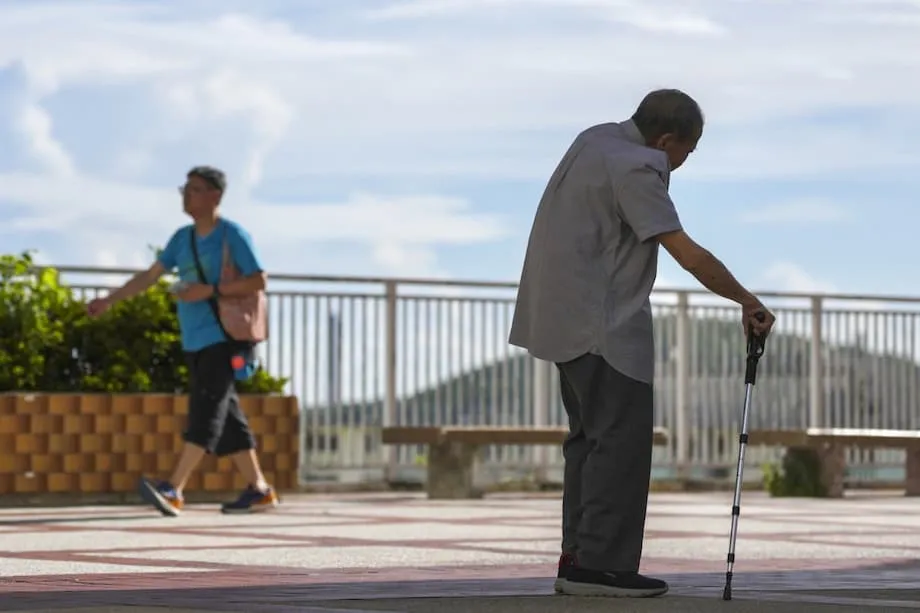
Hong Kong has one of the world's longest life expectancies, at about 85 years, and its share of residents aged 65 and above is rising fast. Care home places are limited, while most older adults prefer to remain in familiar neighbourhoods. Community care has consequently become a central part of policy.
Labour and Welfare Secretary Chris Sun Yuk-han described the approach during a radio programme, explaining how equipment already available commercially might support earlier contact with residents:
We are currently exploring the use of wearable systems or other technologies that we have seen in the market. It is rather simple, for example, by detecting the opening and closing of your refrigerator door or the door of your flat to assess whether you are living a normal life or maybe experiencing some problems. In that case, we can try to contact you promptly.
Officials describe the aim as unobtrusive support combined with human follow up. Technology used to support older people, often called gerontechnology, is moving from pilot projects towards practical tools connecting residents with relatives, social workers and clinics. The proposed household checks would support people who want to age at home while easing pressure on stretched care teams.
What a fridge or door sensor would record
Door and refrigerator sensors can use simple contact or motion devices to register activity. A small hub in the home receives the signal and passes it to a secure platform. For a contact sensor, the basic information is binary: the door is open or closed. Cameras and microphones are unnecessary for this form of monitoring.
Those small pieces of information can show the rhythm of everyday life, including breakfast, lunch and trips to buy groceries. If a fridge remains unopened from morning to evening, or a front door records no activity when its resident normally goes out for lunch, a system could flag the change for a call centre, neighbourhood team or relative.
A possible city pilot could establish common rules while allowing residents to choose whether to participate. A profile could be agreed with the older person's consent and input from a case manager. The original proposal illustrates how contact might escalate in stages:
- No fridge opening within 12 daytime hours could trigger a telephone call.
- No front door activity for 24 hours could prompt a call followed by a neighbour knocking.
- Pressing a manual panic button could trigger contact with emergency services.
- A warning about a low battery could prompt a maintenance visit.
These are examples of how a service could operate. Officials have not set out a confirmed alert timetable, launch date, price or final operating arrangements. A resident might sleep longer than usual, eat elsewhere or stay overnight with relatives, so an unexpected pattern would require a check on their circumstances.
Check in calls, voice prompts that allow a reply and an easy way to pause alerts could reduce unnecessary calls. The purpose would be to identify emergencies such as a fall, stroke or sudden illness while respecting the person's independence.
Wearables and other ways to detect trouble
Wearable systems are another part of the government's review. Watches and pendants designed for older people can track steps, heart rate and sleep. Many include a help button, while accelerometers, sensors that register changes in movement, can help detect a hard fall.
Local technology integrators already provide dashboards hosted online for care teams. In homes and care centres, bed exit sensors can alert staff when someone gets up at night. Radar devices can detect falls, including in bathrooms, without requiring the resident to wear equipment.
Guardforce Hong Kong describes systems intended to prevent people with dementia from wandering into danger. These can alert staff when a resident approaches a stairwell or leaves a designated safe area. Options range from wrist tags to facial recognition connected to existing cameras. Vendors argue that combining wearable devices with fixed sensors can extend coverage at modest cost while limiting visual surveillance.
Fujitsu proposes audio sensing that listens for coughing, heavy breathing or unusual loud sounds, such as a fall, then checks those signals against motion sensors. Software can send an alert to a service centre, where staff can speak to the resident through a speaker, contact relatives or dispatch assistance.
Companion equipment can connect with blood pressure cuffs and oximeters, which measure blood oxygen levels. Doctors could review those readings between clinic appointments. These audio and camera systems collect different information from a simple door sensor, making the choice of equipment central to what a resident agrees to share.
A large care complex plans wider use of technology
The Pok Oi Hospital Tuen Mun Lam Tei project shows how extensively digital systems could be incorporated into residential care. Developed with the Hong Kong Applied Science and Technology Research Institute, the planned complex aims to accommodate more than 1,400 residents and provide a model that other facilities can copy.
The project envisages integrating artificial intelligence, robotics and the Internet of Things across care operations by 2027. The Internet of Things, or IoT, refers here to connected devices and sensors sharing information.
Project leaders say generative AI will examine health data as it arrives to identify risks early. Robots are intended to assist with mobility and therapy, while environmental sensors would help adjust lighting and air quality. Energy management is also part of the design, with the aim of controlling costs without reducing comfort.
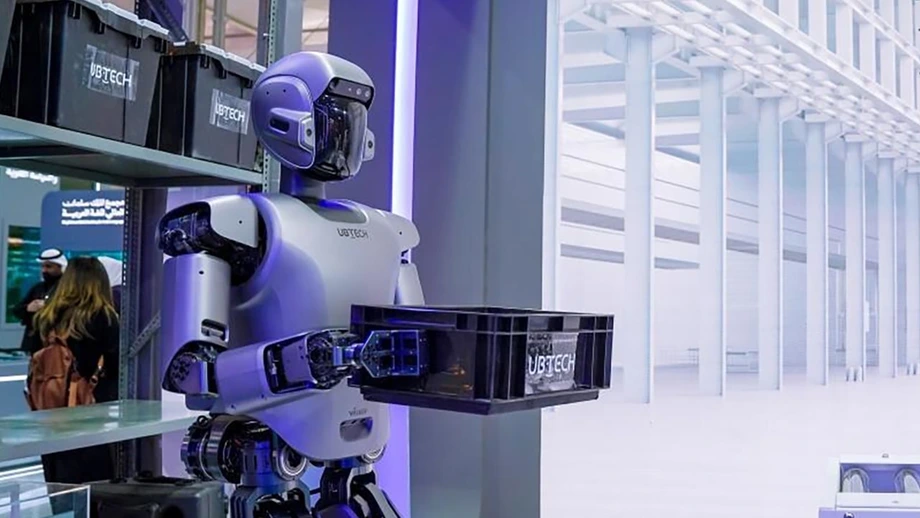
Hong Kong companies providing service robots are also raising funds to expand telemedicine and elderly care tools, alongside deployments in hospitals and care homes. Their proposed division of work gives machines routine tasks and initial assessment, leaving staff more time for personal care. The Lam Tei plans reflect a wider shift towards using data and automation as care providers face staffing shortages.
Consent and privacy would shape participation
Hong Kong's Personal Data Privacy Ordinance sets baseline duties for handling personal information. Data collection must serve a specific purpose, be kept to a minimum and be stored securely, with access limited to authorised staff. Older residents and their families need to understand what is recorded, who can see it and how long it will be retained.
Fridge and door sensors avoid recording images, but their activity logs still describe aspects of a person's routine. Proposed safeguards include anonymising routine sensor data and decrypting personal details only when an alert needs further action. Access logs and audit trails could record who viewed information and help deter misuse.
Public oversight could include an advisory panel with community leaders and carers. A broader programme board could bring together nurses, social workers, patient advocates and family carers to keep attention on dignity and safety.
Participation should remain voluntary. People who dislike technology or fear stigma would still need alternatives, including regular telephone checks and scheduled visits. The proposed approach depends on offering a useful service that residents understand and accept.
What research says about confidence and acceptance
A study involving 306 Hong Kong residents aged 60 and above found that optimism and perceived usefulness helped drive willingness to try digital health tools. Greater eHealth literacy, meaning the ability to understand and use health information and services delivered digitally, also eased concerns and helped participants judge their value.
Other research on technology adoption among older Hong Kong residents describes a similar pattern: usefulness and ease of use shape attitudes, which then influence whether someone intends to use a device. Training builds confidence, while encouragement from family members can improve take up.
Practical support could therefore include simple instructions, introductory sessions with older residents and their adult children, and a hotline able to guide users through connecting or resetting equipment. A device that works technically may still be difficult to use without that support.
A separate Hong Kong pilot examined fall risk screening using a small inertial sensor, which measures movement, together with a depth camera that records distance and body position. Forty four older adults completed timed up and go, sit to stand and standing balance tasks.
Statistical models used the measurements to predict scores employed by therapists in clinical assessments. Participants described the system as useful and easy to use. The pilot offered encouraging evidence for taking fall risk screening into community settings.
Care providers also already use bed exit alarms and radar fall detectors that require no wearable device. Combining signals could help reduce alarm fatigue, the strain caused by repeated alerts. For example, movement at night followed by fridge activity at 2 a.m. could allow a platform to suppress an alarm that would otherwise reach staff.
An alert needs someone ready to respond
District social welfare offices, nonprofit outreach teams, public housing estate staff and volunteers could form part of a response network. No single agency can check on every older person every day, so the proposed benefit of technology is to direct attention towards someone whose routine has changed.
A possible response would begin with a telephone call after a missed fridge pattern. If nobody answers, a neighbour or estate concierge could knock. Continued silence could lead to contact with a relative or case manager, with an abnormal signal from a second device prompting emergency services to make a welfare visit.
Each action could be logged with its time and outcome. Such records would help the next person handling an alert understand which checks have already happened and what remains to be done.
Families would also need to know who monitors the service and who pays. A city backed call centre could handle the initial checks, while relatives receive the same alerts through a phone application. That shared information could help family members stay involved whether they live nearby or overseas.
Clear responsibilities would be essential at every stage, from receiving an alert to arranging a visit. Sensors can identify a change in activity; assistance still depends on people being available to make contact and act.
The cost extends beyond buying equipment
Simple magnetic door sensors and a home gateway can cost a few hundred Hong Kong dollars per household when purchased at scale. Wearable prices vary widely, from basic fall detectors to cellular watches with GPS location tracking. The larger expense is the monitoring service and the network of people responding to alerts.
A possible package for someone living alone could combine a front door sensor, a fridge sensor and a wearable panic button, with a bed exit sensor available as an option. A monitoring platform accepting equipment from several brands would allow providers to change suppliers without replacing the entire system.
Procurement could require open standards, meaning shared technical rules that let different devices work together. Contracts could also set service targets for response times and equipment maintenance. Starting with a small group before purchasing more widely could help test operations and reduce equipment prices.
Funding could draw on existing community care vouchers and innovation funds, with priority for households facing greater risks in districts with ageing populations. Care teams would continue home visits, supported by information about recent activity so that fewer checks begin without an indication of the resident's condition.
Access would need attention as a programme grows. If public housing residents in older districts receive sensors first, expansion would also need to reach older people living in private flats and rural homes.
Greater Bay Area plans look beyond individual homes
Across the Greater Bay Area, policymakers and researchers are examining elderly care across borders and a broader silver economy, meaning goods and services for older people. Universities and consulting groups have signed agreements to develop a connected system bringing together finance, healthcare and technology.
Plans include platforms for secure data exchange and trials of remote care using virtual reality and augmented reality for rehabilitation. These tools could support exercises through simulated environments or digital information added to a person's view of their surroundings.
The intended benefit is greater choice for older residents seeking care closer to family or services at lower cost, while maintaining continuity in their records. Regional work could also inform Hong Kong pilots and help bring affordable equipment to market faster.
Reliability would depend on testing and public accountability
Too many alerts could overwhelm hotlines, while too few could leave an emergency unnoticed. Batteries can fail and network connections can go down. Any operating service would need maintenance arrangements and backup checks for those interruptions, alongside clear responsibility for each step in the response.
Public reporting could track the number of alerts handled, response times, confirmed emergencies detected and false alarm rates. Those measures would help residents and care providers assess how the service performs in daily use.
Hong Kong's household sensor proposal sits alongside existing devices, research pilots and larger institutional plans. The main developments, viewed as of September 29, 2025, are:
- September 29, 2025: The Labour and Welfare Bureau is exploring wearable systems and sensors that register fridge or flat door activity to support older people living alone.
- Existing research and care provision: Hong Kong studies have examined technology acceptance and fall risk screening, while providers use tools including bed exit alarms and radar fall detectors.
- By 2027: The Pok Oi Hospital Tuen Mun Lam Tei project plans to integrate AI, robotics and connected sensors across care operations at a complex intended for more than 1,400 residents.
For residents, the practical promise is earlier contact when an ordinary day suddenly changes. Delivering that would require consent, dependable equipment and a response service able to turn a small household signal into timely human assistance.
What to Know
- Hong Kong is exploring fridge and front door sensors, alongside wearable devices, to help check on older people living alone.
- A change in routine could prompt a call, a knock or a welfare visit, with operating rules still to be settled.
- Simple door sensors can register activity without cameras or microphones.
- Research involving 306 older Hong Kong residents linked willingness to use digital health tools with optimism and perceived usefulness.
- A pilot involving 44 older adults examined technology for community fall risk screening.
- The Lam Tei care complex plans technology integration by 2027 and capacity for more than 1,400 residents.
- Basic sensor equipment can cost a few hundred Hong Kong dollars at scale, while monitoring and response account for the larger expense.
- Consent, privacy protection, maintenance and clear responsibility for responding would be central to any wider programme.