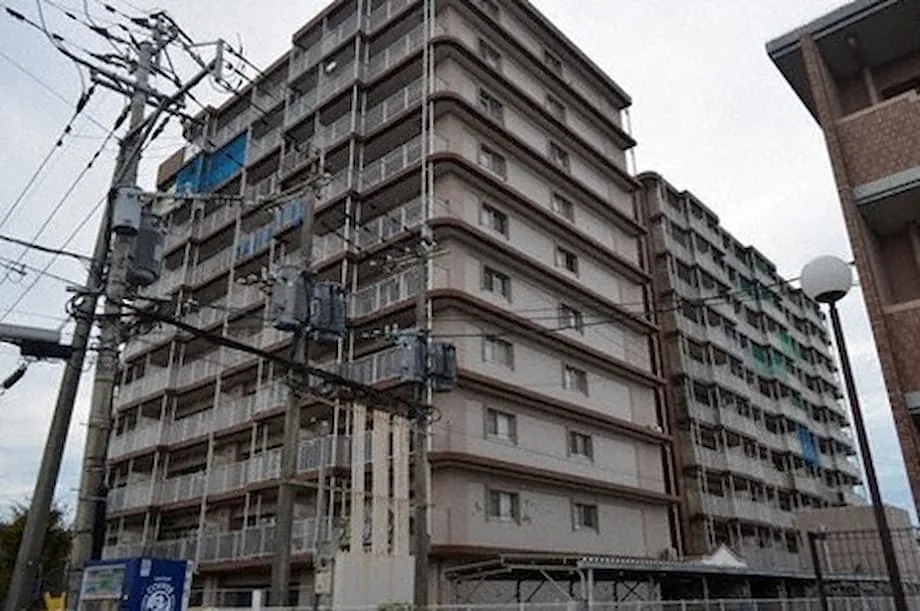
A concrete apartment does not rule out a shelter
Residents of reinforced concrete apartments in Japan can use evacuation centers when their homes are unsafe or they cannot continue living there. A building does not have to collapse before its residents qualify for help. The decision depends on damage, nearby hazards, essential services and the needs of each household.
Contents
- A concrete apartment does not rule out a shelter
- What the 1981 building standard changed
- Damage that should prompt residents to leave
- Water, fire and health needs can force evacuation
- Check safely, then seek a qualified assessment
- Agree on a building plan before disaster strikes
- Find out whether the building needs strengthening
- Prepare supplies for staying at home
- Pack for a shelter before you need one
- What residents can expect at evacuation centers
- What earthquake experience means for residents
- What to Know
Municipal advice encouraging apartment residents to shelter at home can create confusion. When a building is undamaged and its surroundings are safe, staying home helps keep limited shelter space available for people who need it most. That is a matter of priority, similar to priority seating on trains, rather than a ban based on the type of home someone occupies.
Masaki Tanaka, a specialist in apartment disaster preparedness who has worked with residents facing this decision after major earthquakes, warns that broad statements on municipal websites can be misunderstood. He explains that safety and need determine who should use a shelter:
The notion that reinforced concrete apartment residents can't use evacuation centers is incorrect. Evacuation centers are for victims at risk or unable to live at home. People in undamaged homes, in safe areas, are generally expected to shelter at home if they can, but centers are not off limits.
Older adults, people needing medical support and households facing damaged buildings or dangerous surroundings may appropriately seek shelter. Residents should follow municipal announcements as conditions change, rather than assuming that reinforced concrete guarantees they can remain at home.
What the 1981 building standard changed
Japan has revised its construction rules after learning from major earthquakes. For apartment residents, a key milestone is the New Anti Seismic Design Standard, introduced in 1981. Buildings certified from that year onward follow stricter requirements intended to limit damage during moderate shaking and prevent collapse during very strong shaking.
The older rules focused on preventing collapse at around intensity 5 plus on the Japan Meteorological Agency seismic intensity scale. Under the newer approach, a conforming building should suffer only minor damage at intensity 5 plus and avoid collapse at intensity 6 plus to 7. The scale describes the strength of shaking experienced at a location.
Many reinforced concrete apartments built after 1981 have performed better in recent earthquakes than older buildings. Age alone, however, is only part of the safety picture. Maintenance, design quality and ground conditions also matter. An older apartment on soft ground with maintenance left undone can face greater risk than a newer, well maintained building on firm ground.
Two dates help explain the guidance:
- 1981: The New Anti Seismic Design Standard introduced stronger requirements for buildings certified from that year onward.
- 2016: After the Kumamoto earthquakes, engineers found apartment columns that had bent or lost capacity, showing why relatively modern buildings can still require evacuation.
Japan also uses a Seismic Grade system. Grade 1 meets the basic building code. Grade 2 provides about 1.25 times that strength and is required for evacuation centers. Grade 3 provides about 1.5 times the basic strength and is used for critical facilities such as fire stations.
Buildings manage earthquake forces in different ways. Standard earthquake resistant structures depend on strength and ductility, meaning the ability to deform while continuing to carry loads. Damping systems use devices or walls to absorb energy and reduce shaking in the frame. Seismic isolation uses bearings or sliders between the building and the ground to reduce the shaking transmitted upward, an approach common in taller buildings.
Damage that should prompt residents to leave
Columns, beams, walls and escape routes matter more than the appearance of one apartment. After the 2016 Kumamoto earthquakes, some apartment columns suffered serious deformation even where floors and walls looked mostly intact. Residents in those buildings needed to move out.
Residents should leave for an evacuation center or another safer location when damage threatens continued occupancy. Warning signs include:
- Wide diagonal cracks in columns, beams or walls; concrete breaking away and exposing reinforcing steel; or a column that appears out of plumb.
- Doors and windows jamming across several apartments on the same floor, which may indicate distortion of the building frame.
- A noticeable lean, substantial uneven settlement, or open gaps where walls and floors meet.
- Fallen or cracked stair flights that prevent a safe exit.
- Significant damage already present when strong aftershocks are expected, or hazards such as broken glass covering escape routes.
- Damage that raises doubts about safety in a building constructed before 1981 that has not been strengthened.
Residents should never rely on elevators after shaking. Damaged stairs, railings and common areas can also make movement dangerous, so a decision to leave must include checking the route as carefully as circumstances allow.
Municipal instructions remain essential because aftershocks, fires and flooding can change the danger quickly. A building that initially appears usable may become unsuitable as damage or surrounding hazards become clearer.
Water, fire and health needs can force evacuation
Coastal apartment residents in a tsunami inundation zone should move to higher ground immediately when a tsunami warning, advisory or evacuation order applies. Remaining inside a coastal apartment simply because it is made of reinforced concrete is not the recommended response.
River flooding and flash floods also require attention to the building's layout. Entrances or parking areas below street level are particular concerns, as is reliance on basement equipment for electricity or water pumps. Residents near slopes, cliffs or mapped landslide hazard zones should respond to landslide warnings.
Gas leaks, smoke and fires inside the building or in nearby structures that could spread are reasons to move to safety. An apartment can also become unsuitable when electricity and water remain unavailable with no prospect of restoration, especially on higher floors where carrying water becomes impractical.
Medical needs may make departure necessary sooner. People who depend on powered medical equipment, refrigerated medicines or professional care need a location where that support can continue. An undamaged apartment may still be the wrong place for a household whose essential care cannot be maintained there.
Check safely, then seek a qualified assessment
Residents should begin with personal safety. Wear sturdy shoes and gloves, check for the smell of gas, and shut off the main gas valve if a leak is suspected. Avoid candles and open flames. Do not use elevators until the building has been checked.
Dark common areas require care on stairs, and residents should avoid leaning on damaged railings. Neighbors and the management association can share observations and coordinate the next steps, including reporting damage to the property manager and the local government help line.
Engineers use standard methods to assess earthquake damage and the remaining capacity of reinforced concrete buildings. Rapid field checks take a cautious approach, particularly when structural members have yielded, meaning they have deformed beyond their elastic range.
A professional assessment examines cracking patterns, any lasting sideways displacement and the condition of elements that support the building's weight. Only a qualified inspector or structural engineer can determine whether continued use is safe, restricted use is appropriate or the building is unsafe.
Diagonal cracking in columns, crushed concrete at column ends or a story that appears weaker than those above are reasons to evacuate and seek an official inspection. Residents should photograph damage and record apartment numbers and locations to help those responsible assess the situation.
Inspectors may be busy after a major earthquake. While waiting, residents should stay away from heavy ceiling boards, cracked exterior tiles that could fall and unstable parapets, the low walls at roof edges. Moving to lower stories is appropriate only when those areas have been verified safe and evacuation routes remain clear.
Agree on a building plan before disaster strikes
Apartment management associations can make difficult decisions easier by agreeing in advance on when residents should leave and when sheltering at home is suitable. Plans should reflect the building's design, age and residents, with advice from local authorities and, where possible, a structural engineer.
A practical association plan should cover the following tasks:
- Assign people to check common areas, contact the municipality and guide residents to an agreed assembly point after shaking.
- Maintain an emergency contact list and identify residents who may need extra assistance.
- Run earthquake and flood drills, including stairwell practice and a scenario at night.
- Store communal water, portable toilets, blankets, tarps, tools and battery lighting in a secure room that remains easy to reach after shaking.
- Label shutoff valves and electrical panels, with simple instructions and diagrams posted beside them.
- Agree on temporary rules, including keeping elevators out of use until inspections are complete and deciding the order for checking each floor.
- Prepare a lobby communication board and a messaging method that does not depend on a single platform.
Many apartment complexes have aging populations. Care managers and family members should be involved in preparations, and volunteer buddies can be assigned to households needing assistance. Chairs or benches at stair landings can give residents somewhere to rest during evacuation.
Residents who use medical devices requiring electricity need particular attention. Associations should discuss how to support them if an outage lasts beyond a day, before neighbors have to make those arrangements during an emergency.
Find out whether the building needs strengthening
Residents should check the building's certification date. If it is before 1981, ask whether a seismic evaluation or retrofit has been completed. A retrofit is work that strengthens an existing building so it can better withstand earthquake forces.
Engineers can calculate a seismic index reflecting a building's strength and ductility while taking account of irregularities and deterioration. That assessment helps residents decide whether strengthening is needed and what work makes sense.
Common methods for reinforced concrete buildings include adding concrete walls, installing steel braces and wrapping or jacketing columns to strengthen them. Some landmark buildings have received seismic isolation systems that reduce the transfer of ground shaking into the structure. Evidence from past earthquakes shows that strengthened buildings tend to suffer less damage.
Condominium finances and decision making can determine what is possible. Older buildings may have limited maintenance funds, while resident boards may be cautious about approving large projects. Targeted repairs and partial upgrades can still improve safety.
Repairs after an earthquake can also recover much of a building's performance. Tests of repaired structures have shown that injecting epoxy into cracks, replacing damaged concrete and repairing reinforcement can restore stiffness and strength. A useful plan begins with evaluation, identifies priority work and sets a savings schedule.
Prepare supplies for staying at home
Home sheltering depends on a household being able to manage for several days without its usual services. Supplies should be kept in sturdy containers in a closet or near the entrance. A separate bag should be ready to carry if residents need to leave quickly.
The home supply kit should include:
- Water for at least three days, with extra for cooking and sanitation. Smaller bottles are easier to lift and carry to higher floors.
- Food that can be eaten without preparation, a can opener, a portable stove with fuel, and utensils.
- Flashlights, headlamps, spare batteries, a portable radio and power banks.
- First aid supplies, prescription medicines, spare glasses and contact lens supplies.
- Portable toilet kits, sturdy waste bags, wet wipes, sanitizer and towels.
- Work gloves, masks, helmets and sturdy shoes for every household member.
- Blankets, warm clothing, rain gear and compact sleeping mats.
- Copies of identification, contact lists, printed maps and cash in small bills.
- Duct tape, rope, a tool with several functions and a whistle.
Portable toilets deserve space alongside food and drinking water. A household remaining in an undamaged apartment still needs a workable way to manage sanitation when normal services are interrupted.
Pack for a shelter before you need one
A bag for evacuation serves a different purpose from the larger supply kept at home. It should hold essentials that residents can carry on short notice, including items needed for sleep, hygiene, communication and medical care.
Suggested contents include:
- Water, snacks that provide plenty of energy, and a cup or bottle.
- A lightweight blanket or sleeping bag, a thin mat and a compact pillow.
- Personal hygiene supplies and a small towel.
- Medicines, assistive devices and a concise medical summary.
- Charging cables, a power bank and a small radio.
- Face masks, gloves and hand sanitizer.
- Copies of identification, residence information, and a marker and tape for labeling the space used by the household.
- Supplies for children, older adults or pets, including diapers or pet carriers where needed.
Households should plan around their members rather than assume every shelter will have suitable supplies immediately. Medication, assistive equipment and items needed for childcare may be difficult to replace during the first days of disruption.
What residents can expect at evacuation centers
Evacuation centers in Japan are usually public schools or community halls operated by municipalities with volunteer support. Space is limited and privacy is modest. Those conditions help explain why residents often prefer to remain at home when they can do so safely.
People going to a center are expected to bring essentials where possible, including bedding, masks and special items needed for health or childcare. Some centers accept pets in designated areas, but policies vary by municipality. Residents should check those arrangements while preparing their disaster plans.
Priority goes to people unable to live at home because of damage, exposure to hazards, health needs or the loss of essential services. Reinforced concrete apartment residents are included when they face those circumstances. Home sheltering is suitable when the building, neighborhood and household situation allow it.
What earthquake experience means for residents
Japan's experience shows both the protection reinforced concrete apartments can provide and the reasons some must be evacuated. The damaged columns found after the Kumamoto earthquakes made the central lesson concrete: residents need to consider the whole structure and its escape routes, rather than judge safety from damage inside their own apartment.
Japan's progress with construction rules and strengthening work has reduced damage in many recent earthquakes. Engineering tests showing that repaired frames can regain much of their performance also support planning for assessment and repair, alongside immediate evacuation decisions.
International comparisons point to the value of standards, enforcement and community preparation. Countries with weaker codes and less enforcement tend to experience more building damage and longer recovery. Japan's strong rules, frequent drills and neighborhood planning have helped residents make safer choices during crises.
For an individual household, the practical decision remains specific: whether the building is safe, whether another hazard threatens the area, whether essential needs can be met and what the municipality is advising. Residents should be ready to change their plan as those conditions change.
What to Know
- Reinforced concrete apartment residents can use evacuation centers when their homes are unsafe or they cannot continue living there.
- Home sheltering is encouraged when the apartment is undamaged, the area is safe and household needs can be met.
- The 1981 standard introduced stronger seismic requirements, but damaged structural members can still make a building unsafe.
- Damaged columns, distorted frames, unsafe stairs, fire, gas leaks and tsunami, flood or landslide danger can require evacuation.
- Long interruptions to water and electricity can make staying home impractical, especially on higher floors or for people needing medical support.
- Keep elevators out of use after shaking until checks are complete, and seek a qualified assessment of building safety.
- Management associations should prepare evacuation criteria, contact lists, drills, shared supplies and support for residents needing help.
- Check seismic evaluations and strengthening work in older buildings, and prepare both supplies for home and a bag for evacuation.
- Follow municipal instructions and reassess the decision as damage, services and surrounding hazards change.