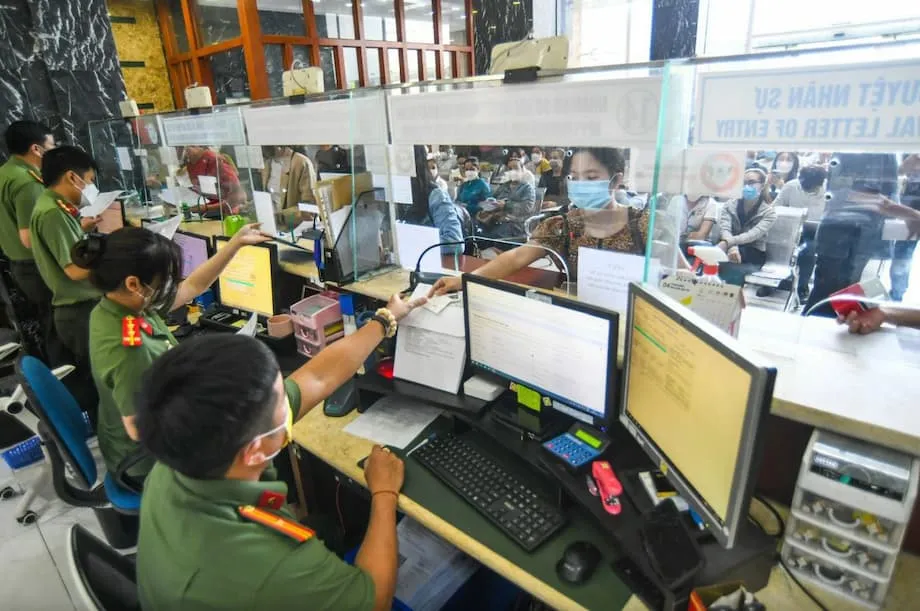
Faster paperwork for people with Vietnamese ties
Vietnam has cut the processing time for visa exemption certificates at its embassies and consulates abroad from two working days to one, giving overseas Vietnamese and eligible foreign relatives a shorter wait for a document that supports repeated visits to the country.
Contents
- Faster paperwork for people with Vietnamese ties
- Who can receive a visa exemption certificate?
- What applicants need to prepare
- How the one working day deadline works
- Digital documents and quicker notarization
- What changes for foreign journalists?
- How electronic visas compare
- Entry without a visa based on nationality
- A separate card for distinguished contributors
- What families and businesses gain
- Checks before arrival and during a stay
- At a Glance
The change is set out in Decision 2109/QD-TTg, approved in late September 2025 as part of a plan to simplify procedures managed by the Ministry of Foreign Affairs during 2025. A Vietnamese mission should issue the certificate within one working day after receiving a complete application.
Applicants also gain another way to submit their paperwork. Alongside applications made in person or online, Vietnamese missions will accept applications sent by post. For people who live far from an embassy or consulate, that option can reduce the need to travel simply to hand over documents.
The certificate serves overseas Vietnamese and foreign nationals who are spouses or children of Vietnamese citizens or people of Vietnamese origin. Their travel may involve family visits, caregiving, cultural events or business arrangements, sometimes at short notice.
The wider reform package reaches beyond travel documents. It adds online procedures through the National Public Service Portal, shortens deadlines for some consular services and expands the use of secure digital tools. Notarization of contracts and transactions will take no more than 24 working hours in standard cases, while the ceiling for complex cases falls from ten working days to six.
Foreign media procedures are also being streamlined, including applications for visiting journalists, registrations for permanent offices and assignments of resident correspondents to other provinces or cities. Together, the changes aim to make family travel easier and reduce administrative work associated with business and international activity.
Who can receive a visa exemption certificate?
A visa exemption certificate is an entry and exit document for two groups: people of Vietnamese origin who live overseas, and foreign nationals with a Vietnamese spouse or parent. Eligible travelers can use it to enter Vietnam on multiple trips without obtaining a separate visa for each visit during its validity period.
The certificate can remain valid for up to five years. Its expiry date must be at least six months before the passport expires. A passport with less remaining validity therefore limits how long the certificate can last.
Each stay under this program can be up to 180 days. Travelers who need more time can seek an extension inside Vietnam. Provincial immigration offices can handle extensions of stay under the certificate.
Vietnam issues the document either as a label placed in a passport or as a separate certificate. The separate form is used when the passport comes from a country that does not have diplomatic relations with Vietnam.
The document's validity and the length of an individual visit are different limits. The certificate may support travel over several years, while each entry comes with a permitted period of stay of up to 180 days.
What applicants need to prepare
Applicants generally need documents showing either Vietnamese origin or an eligible family relationship. A birth certificate or old identity documents may help establish Vietnamese origin. A marriage certificate can show a relationship with a spouse, while a child's birth certificate can establish the relationship with a parent.
A valid passport with sufficient remaining validity and blank pages is also required. Before traveling, applicants should check that their passport has at least six months of validity beyond their planned entry date and at least one blank page.
Copies of key documents are useful to keep alongside the application. A complete, well organized file reduces the risk that the mission will need to request more information, which can pause the processing clock.
How the one working day deadline works
The new deadline covers processing at the Vietnamese embassy or consulate after it receives a complete file. Applicants can submit in person, online through the National Public Service Portal, or by mail to the mission that issues the certificate.
Postal applications can be particularly useful for people who live a long way from a mission or have mobility constraints. They can reduce travel and appointment costs, although delivery to the mission and return shipping still add time to the calendar.
For a mailed application, the total turnaround therefore includes more than the mission's one working day of processing. Postal delivery and any necessary document checks also affect when the applicant receives the finished certificate. A request for missing information can extend that wait.
Fees vary by mission. Applicants should check the website of the embassy or consulate handling their file for its fee schedule, accepted payment methods and local instructions. Those sending documents by post should use trackable shipping, keep receipts and confirm payment arrangements before dispatch.
The shorter deadline gives families and travelers a quicker administrative step once their paperwork is ready. Planning still needs to account for the time required to gather evidence, submit the file and receive the document.
Digital documents and quicker notarization
The Ministry of Foreign Affairs reform package allows digital signatures and digital seals for applications for diplomatic and official passports at its domestic agencies. These tools support secure online workflows and reduce the amount of paper handled within government.
A digital signature or seal serves as an electronic way to authenticate paperwork. Its use allows more of an application process to take place online rather than depend on the movement of physical documents between offices.
Notarization, the formal certification of contracts and transactions, also gets shorter time limits. Standard cases must be handled within 24 working hours. Complex files have a ceiling of six working days, down from ten.
The complex case limit falls by four working days, a 40 percent reduction from the previous ten day ceiling. The certificate processing deadline is halved, from two working days to one. Both changes reduce the time allocated to administrative steps that can hold up wider plans.
Contracts and certified paperwork can be needed for commerce across borders, investment agreements and personal arrangements accompanying an international move. Faster handling can help people complete these steps sooner, alongside the broader aim of improving the ease of doing business.
What changes for foreign journalists?
International news outlets can use online channels to request permission to establish permanent offices in Vietnam. They can also handle office registrations and the assignment of resident correspondents through the National Public Service Portal instead of relying on procedures involving substantial paper documentation.
Correspondents already resident in Vietnam can be assigned to other provinces or cities through a streamlined workflow. Nonresident and visiting journalists can apply online for temporary press permits through the portal.
The changes are intended to reduce appointments in person and speed up responses. For overseas newsrooms and visiting press crews, shorter processing can reduce delays affecting planned reporting and productions.
Office registration, correspondent assignments and visiting press permits serve different needs. Moving each of these procedures online gives international media more ways to deal with administrative requirements without repeated visits to government offices.
How electronic visas compare
Vietnam has several routes for entry, and travelers need to choose the one that fits their eligibility and plans. The certificate for overseas Vietnamese and qualifying relatives is based on origin or family relationships and can last for several years. Electronic visas provide another route for eligible applicants.
The electronic visa program allows applicants from dozens of countries to apply online for permission lasting 90 days, with either a single entry or multiple entries. A single entry permits one arrival; multiple entry permission supports leaving and returning during the visa's validity.
Electronic visa processing typically takes three to five working days. In some cases, it can take up to a week, depending on demand and public holidays. Applicants should submit early enough to account for those possible delays.
Applications and status checks are available through the government's official electronic visa portal. Travelers using electronic visas must enter and leave through designated ports that accept them.
The electronic visa's 90 day period differs from the family and origin certificate, which permits stays of up to 180 days per entry. The new one working day processing timeline applies to the certificate at missions abroad, while electronic visas follow their own processing timetable.
Entry without a visa based on nationality
As of 2025, ordinary passport holders from 37 countries can visit Vietnam without a visa for periods ranging from 14 to 90 days, depending on their passport. This route is based on nationality, while the visa exemption certificate depends on Vietnamese origin or a qualifying family relationship.
Vietnam has extended a waiver allowing stays of 45 days for citizens of several key markets through mid 2028. The countries listed are Germany, France, Italy, Spain, the United Kingdom, Russia, Japan, South Korea, Denmark, Sweden, Norway and Finland.
APEC Business Travel Card holders are exempt for stays of up to 60 days. Travelers entering without a visa should carry proof of onward travel and follow the conditions attached to their entry.
For families deciding which route to use, the permitted length of a visit matters alongside application time. Nationality based exemptions range from 14 to 90 days, electronic visas allow 90 days, and the certificate for overseas Vietnamese and eligible relatives permits up to 180 days on each entry.
A separate card for distinguished contributors
Vietnam introduced a special visa exemption card in August 2025 under a government decree. It is intended for foreign individuals expected to contribute to the country's economic and social development.
Eligible categories include senior investors, corporate leaders, scholars, scientists, artists, athletes and other people invited by competent agencies. The card provides a multiple entry exemption valid for up to five years, with admission for 90 days on each entry.
Processing depends on the applicant's category. It can take a few working days for state guests and about a week for issuance of a physical card. The card can be issued in either digital or physical form.
The physical version contains a chip holding encrypted personal data, including a facial image and fingerprints, for secure verification. Authorities may revoke the card if the holder loses eligibility or if the sponsoring agency requests revocation.
The key dates and periods described in the travel changes are:
- August 2025: Vietnam launched the special visa exemption card for distinguished contributors.
- Late September 2025: Decision 2109/QD-TTg approved the Ministry of Foreign Affairs simplification plan, including the shorter certificate processing deadline.
- Mid 2028: The extended waiver allowing stays of 45 days for citizens of the listed markets runs through this period.
What families and businesses gain
Overseas Vietnamese communities can use the faster certificate service to maintain ties with family and culture. Short notice trips for ceremonies, caregiving or urgent visits may become easier to arrange when the administrative wait is reduced.
Small business owners and professionals with Vietnamese links who divide their time between countries can also benefit. A certificate supporting repeated visits over several years reduces the need to obtain a separate visa for every eligible trip.
Companies gain from shorter processing and more online services affecting press crews, experts and visiting executives. The changes sit alongside wider electronic visa access and expanded entry without visas for some nationalities, supporting Vietnam's efforts to make tourism and travel related to work more accessible.
The practical benefit depends on the service involved. A family may save a working day when obtaining its certificate, a person with a complex notarization file faces a shorter maximum wait, and a newsroom can complete more administrative steps online.
Checks before arrival and during a stay
Travelers should use official application channels and keep copies of important paperwork. Certificate applicants need evidence of Vietnamese origin or family ties, while electronic visa applicants should allow for the usual three to five working days of processing and possible holiday delays.
Entry and stay conditions continue to apply. Overstaying can lead to fines and delays when leaving Vietnam. Hotels register guests using their passports; people staying in private homes should ensure their host completes local registration procedures where required.
Road traffic is intense in major cities, and the risk of accidents is high. Travelers planning to drive should obtain the correct Vietnamese license. Many visitors choose licensed taxis or ride hailing services with seat belts available.
Travelers should also avoid bringing items that may be restricted, including antiques or cultural heritage objects without permission. Completing entry paperwork is one part of preparing for a visit, alongside checking transport arrangements and the rules governing items brought into the country.
At a Glance
- Vietnamese embassies and consulates will process complete visa exemption certificate applications within one working day, down from two.
- Applications can be submitted in person, online or by post.
- The certificate serves overseas Vietnamese and eligible foreign spouses and children, with validity of up to five years and stays of up to 180 days per entry.
- The certificate must expire at least six months before the passport. Extensions of stay can be sought inside Vietnam.
- Standard notarization takes up to 24 working hours; complex cases have a six working day ceiling, down from ten.
- Foreign media procedures move online, including office registration, correspondent assignments and permits for visiting journalists.
- Electronic visas allow 90 days and typically take three to five working days to process, sometimes up to a week.
- Ordinary passport holders from 37 countries have exemptions ranging from 14 to 90 days. The listed waiver for stays of 45 days extends through mid 2028.
- The special card launched in August 2025 gives eligible distinguished contributors up to five years of multiple entry access, with 90 days per visit.