A global spotlight on Tokyo's book town
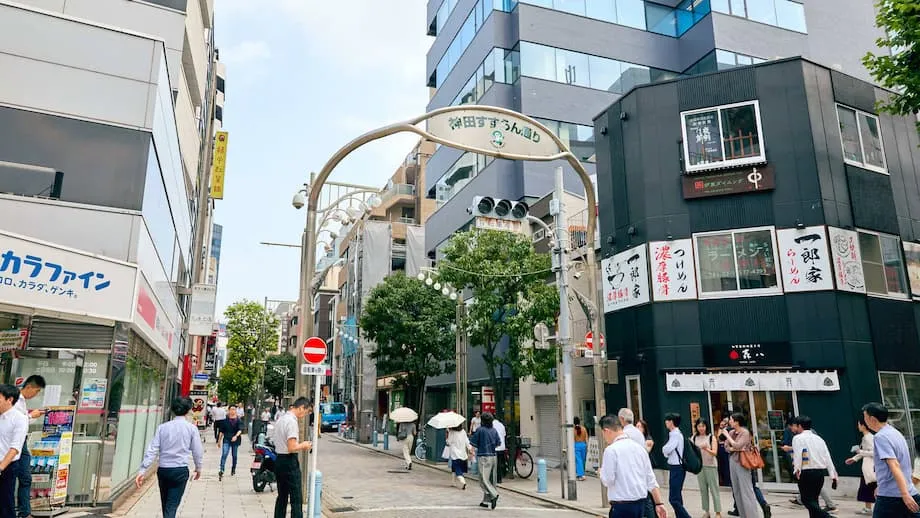
Jimbocho, the central Tokyo neighbourhood known for around 130 secondhand bookstores, has been named the world's coolest neighbourhood for 2025. Its appeal brings together places that rarely compete for attention: specialist bookshops, old cafes, curry counters, record stores and intimate rooms devoted to music.
Contents
- A global spotlight on Tokyo's book town
- Where books shape the streets
- Coffee breaks are part of the routine
- Curry counters and a summer noodle favourite
- Music, drinks and culture after dark
- What the ranking rewards
- The other neighbourhoods in the top ten
- How to reach Jimbocho and plan a day
- Festivals and the changing seasons
- Keeping a working neighbourhood welcoming
- Key Points
The annual ranking, now in its eighth year, considers culture, community, liveability, nightlife, food and drink, and street life. Local editors and writers nominate neighbourhoods in their own cities, and entries are assessed against shared criteria. The aim is to identify places that feel alive now, with a mix of everyday activity and creative energy.
Jimbocho draws that energy from students, editors, academics, collectors and cafe regulars. Nearby universities supply a steady stream of people, while independent retailers and small cultural venues give visitors reasons to stay beyond a single purchase or meal. Many businesses occupy older buildings with only a few floors, keeping the streets comfortable to explore on foot.
Tokyo's better known districts, including Shibuya and Shinjuku, offer a different kind of intensity. Jimbocho's attraction is a slower sequence of discoveries: a photobook on a crowded shelf, pizza toast in a retro cafe, a record worth taking home or a carefully chosen set of music in a listening room.
The neighbourhood suits readers, people who enjoy wandering, lunchtime curry customers and visitors who prefer conversation to crowds after dark. Its recognition rests on the combination of established local habits and newer ideas, with neither entirely taking over the streets.
Where books shape the streets
Jimbocho sits within Kanda-Jimbocho in Chiyoda ward, where publishing, academic life and bookselling have developed alongside one another for generations. Yasukuni dori and Hakusan dori form the main crossroads of a district where shop windows can move from inexpensive paperbacks to woodblock prints from the Edo period.
Collectors come for antique maps, vintage magazines and specialist material. Casual readers can spend an hour browsing one shop and still leave with the feeling that much remains unexplored. The concentration of businesses makes it possible to compare different interests within a short walk, from academic texts and modern literature to manga history and unusual art books.
Kitazawa Shoten is a useful stop for scholarly titles and often carries books in English. The nearby Sanseido flagship offers a broad selection and comfortable browsing, while Komiyama Shoten draws photographers and design enthusiasts with rare titles and books that are no longer in print.
Komiyama Shoten is also a destination for photobooks, including limited editions and vintage classics. Stacks Bookstore focuses on street culture, design publications and zines, the small, independently produced publications that often sit outside mainstream publishing.
Takeo Paper Trading adds a different kind of discovery. Its showroom holds thousands of paper varieties, allowing visitors to examine textures and colours before buying sheets for their own projects. Together, these businesses make Jimbocho a place to explore the materials and ideas around books as well as the books themselves.
Coffee breaks are part of the routine
Saboru, a local institution with roughly seven decades of history, captures the appeal of the kissaten, the traditional Japanese cafe. Pizza toast and cream sodas are familiar orders, served in an interior filled with wood that gives the room a sense of another era.
A coffee stop fits naturally between stretches of browsing. Jimbocho's cafes offer somewhere to pause, look through a purchase or simply sit before returning to the shelves. Their steady rhythm helps explain why the neighbourhood works as a place for repeated visits, not just a checklist of shops.
Walkabout Coffee brings an Australian influence, including flat whites and other specialty drinks. Glitch Coffee concentrates on light roasts in a minimalist setting. Those newer coffee styles sit alongside long established cafes without removing the older places from daily life.
The choice lets a visitor move between different versions of the neighbourhood within the same day: a retro room for pizza toast, a contemporary counter for coffee, then another bookshop a few streets away. Coffee is part of the connection between those stops, rather than a separate attraction.
Curry counters and a summer noodle favourite
Curry is another anchor of Jimbocho's daily life. Curry Bondy is a classic choice for a hearty plate of Japanese curry, while Sangatsu no Mizu, a winner of a local curry contest in 2024, combines inventive touches with the familiarity of comfort food.
Yosuko Saikan, a longstanding Chinese restaurant, is credited as the birthplace of hiyashi chuka. The chilled noodle dish has become a summer staple across Japan, giving the neighbourhood another food connection that reaches beyond its own streets.
Eating options range from quick meals at counters to places where customers can settle in at a table. Prices encourage repeat visits, an important part of a district used by students, workers and regular customers as well as travellers.
- Saboru serves retro cafe favourites, including pizza toast and cream sodas.
- Walkabout Coffee offers flat whites and drinks influenced by Australian coffee culture.
- Curry Bondy is a local favourite for classic Japanese curry.
- Sangatsu no Mizu serves award winning curry with inventive touches.
- Yosuko Saikan is associated with the origins of chilled ramen style noodles eaten in summer.
A curry lunch also provides a practical break in a day of browsing. Visitors can return to specialist shops afterwards, then choose another cafe before the neighbourhood's quieter evening venues begin to fill.
Music, drinks and culture after dark
Cocktail Works Jimbocho offers a substantial gin collection and carefully prepared cocktails in a setting suited to conversation. Book Bar Lilliput combines drinks with stacks of books and jazz records, extending the literary character of the district into the evening.
Yon brings several activities into one building across four floors: an art gallery, a bar and a listening room. Visitors can eat mackerel curry, browse exhibitions and stay for music sessions selected for people who want to listen closely.
Listening bars are a Tokyo speciality built around high fidelity sound systems and substantial music collections. In Jimbocho, the mood favours seated groups and attentive listening rather than the volume and movement of a club. That gives people another way to spend an evening without leaving the neighbourhood's measured pace.
Echo Records sells secondhand vinyl with a psychedelic streak, linking the area's interest in printed material with an equally curious approach to sound. Record hunting fits easily beside browsing for photography, art and design books.
Jimbocho Theater screens classic films and hosts performances in a striking modern building. The small Extinct Media Museum offers a more hands on encounter with the past, allowing visitors to try retro technology that once formed part of everyday life. These venues broaden the district's cultural life beyond books while retaining its interest in objects, collections and discovery.
What the ranking rewards
The 2025 list gives weight to neighbourhoods where independent businesses, active public spaces and a spirit of making things happen locally shape daily life. Culture and nightlife matter, but so do community, street activity and how comfortable a place feels to live in.
Jimbocho brings those qualities together through an existing network of businesses and customers. Independent bookshops and record stores draw regular visitors. Students and academics keep people moving through the streets during the day. New booksellers and intimate music venues add activity without replacing every older institution.
The buildings, walking distances and understated hospitality also matter to the experience. A visitor can spend time in a small area without needing a succession of major attractions. Much of the interest comes from the concentration of ordinary businesses with unusually specialised stock or a distinctive atmosphere.
Previous editions gave the top spot to Notre Dame du Mont in Marseille and Laureles in Medellin. Jimbocho's selection continues the ranking's interest in places with a strong local identity, while directing attention to a district whose appeal is quieter than many of Tokyo's most famous destinations.
The other neighbourhoods in the top ten
The leading ten neighbourhoods span several continents. Their individual attractions vary, but local businesses, cultural diversity and a welcome for newcomers appear repeatedly. Jimbocho heads a list that includes industrial areas gaining creative uses, streets with a strong food scene and districts known for independent shops.
- 1. Jimbocho, Tokyo: a historic book town with students, cafes, curry and creative venues.
- 2. Borgerhout, Antwerp: an unpretentious neighbourhood shaped by residents working together.
- 3. Barra Funda, Sao Paulo: an alternative cultural centre with arts and nightlife.
- 4. Camberwell, London: youthful energy, independent businesses and accessible prices.
- 5. Avondale, Chicago: a community focused district with a growing food scene.
- 6. Mullae dong, Seoul: an area with an industrial past that has become a creative hub of studios and bars.
- 7. Menilmontant, Paris: lively streets, music and neighbourhood culture.
- 8. Nakatsu, Osaka: retro streets, small family businesses and creative laboratories beneath the railway tracks.
- 9. Vallila, Helsinki: colourful wooden houses and a growing cafe culture.
- 10. Labone, Accra: relaxed streets with restaurants, galleries and a lively social scene.
Japan has two neighbourhoods in this top ten, Jimbocho in first place and Osaka's Nakatsu in eighth. Both entries combine older streets and small businesses with newer creative activity, although Jimbocho's defining concentration is its book trade.
Across the list, residents and small operators set much of the tone. Jimbocho follows that pattern: visitors join an established daily rhythm of shopping, studying, eating and listening, rather than arriving in an area arranged chiefly around large attractions.
How to reach Jimbocho and plan a day
Jimbocho Station serves the Toei Shinjuku, Toei Mita and Tokyo Metro Hanzomon lines, putting the neighbourhood within a short train ride of major Tokyo hubs. The district centres on the intersection of Yasukuni dori and Hakusan dori, with many shops within a walk of about 15 minutes.
Bookshop opening hours vary, and many stores close earlier than large city chains. Arriving before lunch or in the early afternoon leaves more time to browse. A visit that begins late in the day may suit bars and music venues better than specialist bookshops.
A straightforward route begins with coffee near the station, followed by the main shopping streets and a curry lunch at Bondy or Sangatsu no Mizu. The afternoon can take in Komiyama Shoten, Stacks Bookstore and other specialist businesses, with another cafe stop before drinks or music at Cocktail Works or Yon.
Akihabara and Kanda are nearby for visitors who want a more varied afternoon. Jimbocho's compact streets also reward staying put, allowing an unexpected shop window or a new discovery on a shelf to shape the next stop.
Narrow bookstores require some care. Delicate stock should be handled gently, and staff can advise on access to rare material. Carrying a backpack at your side can help avoid bumping shelves. Cashless payments are common in Tokyo, but some smaller shops still prefer cash, so check the signs before reaching the register.
Festivals and the changing seasons
Autumn brings the Jimbocho Book Festival, when stalls line the main streets and rare finds emerge from private stacks. Crisp air, browsing outdoors and cafes extending onto pavements give the district a more open, festive atmosphere while keeping books at the centre.
Spring offers another reason to combine Jimbocho with a wider walk through Tokyo. During cherry blossom season, nearby parks and shrine grounds fill with colour as warmer weather arrives. The neighbourhood's shops and cafes provide stops between those outdoor visits.
May features Kanda Matsuri, one of Tokyo's grandest festivals, with portable shrines and music bringing activity to central districts. Local calendars are useful when planning around festivals, because events can affect shop hours and the number of people in the streets.
Summer brings outdoor events and opportunities for evening walks, with cool cafe interiors offering a quieter break. Winter can be hushed and reflective, fitting a visit built around books and hot drinks. Jimbocho remains a destination throughout the year, with each season changing the pace rather than removing the reasons to come.
Keeping a working neighbourhood welcoming
A global accolade can bring more visitors and greater demand. Jimbocho's identity depends on independent operators and customers who return to browse, talk, eat and buy. Its appeal remains closely tied to those everyday relationships.
Visitors can support that culture through small purchases and considerate behaviour. Buying a book, a zine, a record or a coffee contributes to the businesses that make the district distinctive. Respecting the pace of a quiet shop or listening room helps it remain comfortable for regular customers too.
- Keep voices low in listening bars and specialist shops where quiet is part of the experience.
- Ask before taking photographs inside bookshops or galleries, and avoid flash near delicate items.
- Check closing times and notices for last orders, since some businesses finish earlier than expected.
- Leave narrow pavements and shop entrances clear when checking a map or talking.
- Sort rubbish correctly and follow posted cafe or bar rules on time limits and ordering.
- Support independent operators through purchases from their shops and venues.
Jimbocho's recognition brings attention to a place already sustained by readers, students, shopkeepers and regular customers. The same habits that make it enjoyable to visit, careful browsing, conversation and time spent in small businesses, remain central to its character.
Key Points
- Jimbocho in central Tokyo has been named the world's coolest neighbourhood for 2025.
- The annual ranking is in its eighth year and assesses culture, community, liveability, nightlife, food and drink, and street life.
- Around 130 secondhand bookstores anchor a district also known for cafes, curry, records and intimate cultural venues.
- Book and paper destinations include Kitazawa Shoten, Sanseido, Komiyama Shoten, Stacks Bookstore and Takeo Paper Trading.
- Saboru, Walkabout Coffee, Glitch Coffee, Curry Bondy, Sangatsu no Mizu and Yosuko Saikan reflect the range of food and drink.
- Evening options include Cocktail Works Jimbocho, Book Bar Lilliput, Yon, Echo Records and listening bars.
- Jimbocho Station serves the Toei Shinjuku, Toei Mita and Tokyo Metro Hanzomon lines.
- Autumn's book festival, spring blossoms and May's Kanda Matsuri offer different reasons to visit.
- Early browsing, attention to individual opening hours and considerate behaviour help visitors enjoy the neighbourhood's compact streets.