Older Cars, Cheaper Meals and a Debate About Malaysia
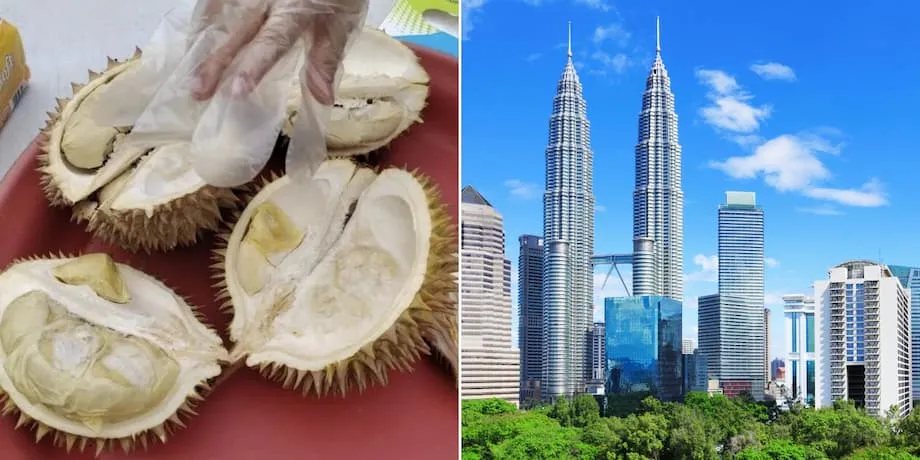
A Chinese traveler describing Malaysia as resembling China 20 years ago has stirred discussion on Xiaohongshu, drawing attention to older looking cars, few electric vehicles and everyday prices the visitor estimated were roughly a third lower than at home. The same trip included eating durian by the roadside with other Chinese travelers, a small experience that helped turn the country into an appealing bargain.
Contents
- Older Cars, Cheaper Meals and a Debate About Malaysia
- Why the Streets Look Different to Visitors From China
- How Far Does a Visitor's Budget Go?
- Food, Shopping and Places With Character
- Visa Access, Flights and Smaller Travel Groups
- Modern Payments and an Expanding Hotel Scene
- When Retro Becomes Part of the Attraction
- Where Independent Trips Can Become Difficult
- Practical Steps for a First Visit
- What Tourism Businesses and Cities Can Improve
- Key Points
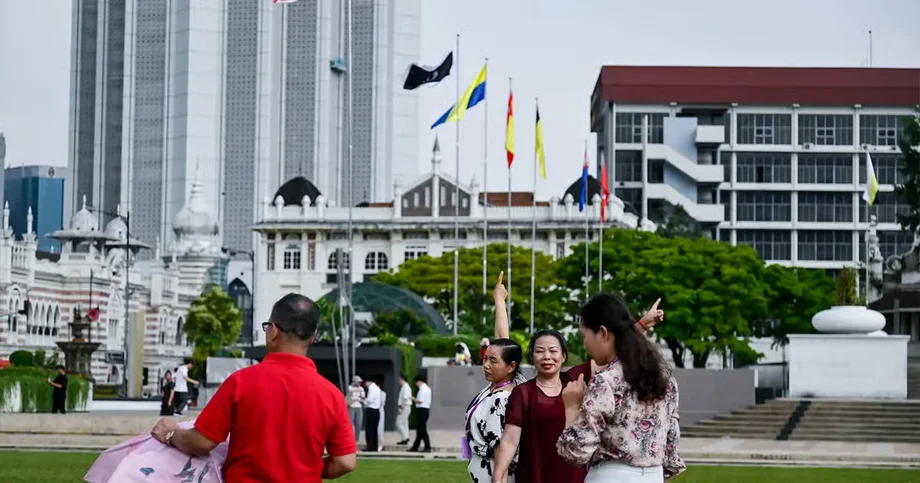
The word retro divided readers. Some took it as praise for a slower pace and vintage charm. Others understood it as criticism of Malaysia's development. Behind that disagreement is a contrast familiar to visitors arriving from China's rapidly changing megacities: Malaysian streets can look different even when their surroundings include modern towers, shopping malls and highways.
The visitor who posted on Xiaohongshu connected that street scene with the cost of the trip:
The traveler wrote that being in Malaysia felt like traveling through time. It looked very retro, like China from 20 years ago, and everyday costs were lower.
Malaysia's growing appeal to Chinese travelers extends beyond that description. Visa exemptions for short visits, additional flights and perceptions of safety have helped attract demand. Food videos, cafe recommendations and travel tips on social media have also made Kuala Lumpur, Penang, Melaka and Sabah familiar destinations for people planning their first regional holiday.
As of September 23, 2025, the discussion captures several things visitors value at once: affordable meals and accommodation, convenient payments, clear transport information, and places with distinctive food and culture. Malaysia's appeal lies in the combination, although some travelers have also described difficulties with airport transport, language and personal safety.
Why the Streets Look Different to Visitors From China
The Xiaohongshu traveler said most cars seen around town were Japanese makes and that electric vehicles were scarce. Billboards advertising Huawei and Xiaomi looked familiar, but the traffic below them suggested a different era. For someone accustomed to Shenzhen, Shanghai or Guangzhou, where battery powered cars and taxis are common, that contrast can be striking.
China has become the global leader in electric vehicle sales. Years of investment in manufacturers and dense urban charging networks have changed the appearance and sound of its streets. Compact electric cars and electric buses have become common sights in major cities.
Malaysia is at an earlier stage of that transition. Interest in electric vehicles is growing, charging points are being added and new models are reaching showrooms. Cars powered by petrol still dominate the vehicles visitors encounter, including Perodua, Proton and Japanese models. Prices, taxes and buying habits help keep those vehicles central to the market.
Many Malaysian cars also remain in use for a long time, supported by readily available parts and service centers. A visitor used to the faster replacement of vehicles in Chinese cities may therefore notice both older cars and fewer electric models. Together, those features create much of the retro impression.
Charging infrastructure is expanding in Kuala Lumpur, Selangor and Penang, while highways and premium malls are gaining charging locations. Hotels and office towers in central Kuala Lumpur are installing chargers to attract business travelers. Returning visitors will likely encounter more electric vehicles and clearer signs directing drivers to charging spots over the next few years.
How Far Does a Visitor's Budget Go?
The traveler's estimate that gasoline, food and lodging were roughly a third cheaper than at home helps explain the enthusiasm. It is a personal comparison, tied to what the visitor bought and the prices they were accustomed to paying. Local meals, rides within a city and hotels in the middle of the price range often compare favorably with those in large Chinese cities.
The ringgit has been relatively weak against the yuan in recent years. A visitor exchanging yuan can consequently have more room in a Malaysian travel budget. Currency affects the amount available for meals, hotel nights and shopping, making the same itinerary feel more affordable.
Malaysia's subsidies for basic fuels for residents also help hold down transport and logistics costs. Logistics means moving goods from one place to another, including deliveries to shops and restaurants. Lower costs in that chain help anchor prices for goods and services.
Imported products can still feel expensive. A holiday built around local food, city rides and moderately priced accommodation may offer a different sense of value from one centered on imported shopping or luxury purchases. The traveler's roadside durian stop illustrates the appeal of a relatively simple experience shared with friends.
Food quality and affordability matter together. For many Chinese visitors, being able to eat well at markets and neighborhood restaurants is a welcome change after rising restaurant prices at home. The attraction is as much about what the money buys as the amount spent.
Food, Shopping and Places With Character
Night markets in Kuala Lumpur, Penang, Malacca and Kota Kinabalu bring together Malay, Chinese, Indian and other Southeast Asian flavors. Fruit stalls, local sweets, noodles and grilled food give families and groups of friends plenty of choices without requiring a large restaurant bill.
Jalan Alor in Kuala Lumpur and Kimberley Street in George Town remain lively until late. These streets offer the kind of food outing that can become a central part of a holiday: several small purchases, a changing mix of tastes and time spent walking together.
Fashion and lifestyle shopping vary between cities. Across Southeast Asia, travelers are seeking value away from the main tourist streets, including small boutiques, stores selling secondhand goods and creative brands operating in older buildings. That interest reflects a shift toward experiences rather than trips built mainly around luxury spending.
Malaysia fits that preference particularly well in historic districts. Cafes, art spaces and independent shops cluster in blocks that can be explored on foot. In heritage neighborhoods in Penang and Kuala Lumpur, galleries, tailors and independent brands share restored buildings, giving visitors reasons to stay beyond a quick photograph.
Local cafes, markets and museums also become more important when travelers organize their own days. They provide places to pause, eat and learn about a neighborhood without depending on a large tour group or a guide directing every stop.
Visa Access, Flights and Smaller Travel Groups
Visa exemptions for short stays by Chinese citizens and more direct flights from smaller Chinese cities have made Malaysian trips easier to arrange. Families and groups spanning several generations can visit for an extended weekend, then add time in Penang or Malacca.
Perceptions of safety also influence the choice. Travelers compare destinations on personal security, scams and the ease of getting around. Malaysia has benefited from recommendations that describe it as a comfortable option for a first visit.
Social media helps turn that interest into an itinerary. Videos of food, cafe discoveries and practical tips put destinations such as Kuala Lumpur, Penang, Melaka and Sabah into view before visitors book. The Xiaohongshu discussion belongs to that wider exchange of impressions and advice.
Travel habits are changing too. Large bus groups are giving way to smaller circles of friends and families planning their own schedules. Chinese visitors are looking beyond landmark stops to neighborhoods, beaches, nature parks and experiences centered on food.
Independent planning places greater demands on everyday services. Travelers need signs they can understand, reliable city transport and straightforward digital tools. A market or museum that is easy to reach becomes more useful to visitors who are choosing their next stop themselves.
Modern Payments and an Expanding Hotel Scene
Mobile wallets from China have expanded quickly outside the mainland. Many Malaysian businesses serving tourists accept QR code payments alongside cards and cash. A QR code lets a customer use a compatible payment app to pay a merchant by scanning the code.
Familiar payment methods can reduce the stress of arrival, particularly for travelers who prefer not to exchange currency at the airport. Acceptance among businesses serving tourists makes meals and shopping easier, while small markets may still require some cash.
Ride hailing, food delivery and ticketing apps can also simplify a trip when language is a barrier. Visitors can arrange a ride, order food or buy a ticket through a screen rather than relying entirely on a spoken conversation.
Accommodation is expanding alongside demand. New luxury properties in Kuala Lumpur and resort areas are joining business hotels, boutique accommodation in heritage buildings and apartments suited to families. Those choices serve different budgets and travel styles.
A Park Hyatt planned for the upper floors of Merdeka 118 is among the prominent developments in the capital. The project points to confidence in premium travel to Malaysia in the years ahead. A hotel location still matters as much as its category for visitors trying to manage transfer time and costs.
When Retro Becomes Part of the Attraction
A visitor from a Chinese city with digital kiosks, widespread electric vehicles and daily life conducted largely without cash may notice Malaysian petrol sedans, printed menus and staffed ticket counters. Those details sit alongside modern shopping malls, highways and a strong mobile network. The mix changes between neighborhoods.
Historic shop houses with creaking floorboards, coffee shops lit by neon and cafes decorated in a vintage style give many visitors something they actively seek: a place with its own texture. A slower pace can be part of the pleasure rather than an inconvenience.
Melaka has embraced that appeal through cafes and dessert shops using retro decor, enamel cups and traditional pastries. Some vintage styled cafes serve coffee from all 13 Malaysian states, pandan pancakes with gula melaka and traditional snacks. Gula melaka is palm sugar used in local sweets.
Coffee culture offers a similar range. The country's experiences stretch from the oldest coffee mill in Taiping to contemporary specialty coffee bars in Ipoh, Johor and Kota Kinabalu. Heritage routes can connect old mills, coffee houses at train stations and small plantations open to visitors.
Night markets, restored neighborhoods and coffee stops suit travelers who value character over a checklist of famous sights. Clear signs, fair prices and friendly service can help turn the retro description into a positive memory, giving visitors stories to take home as well as photographs.
Where Independent Trips Can Become Difficult
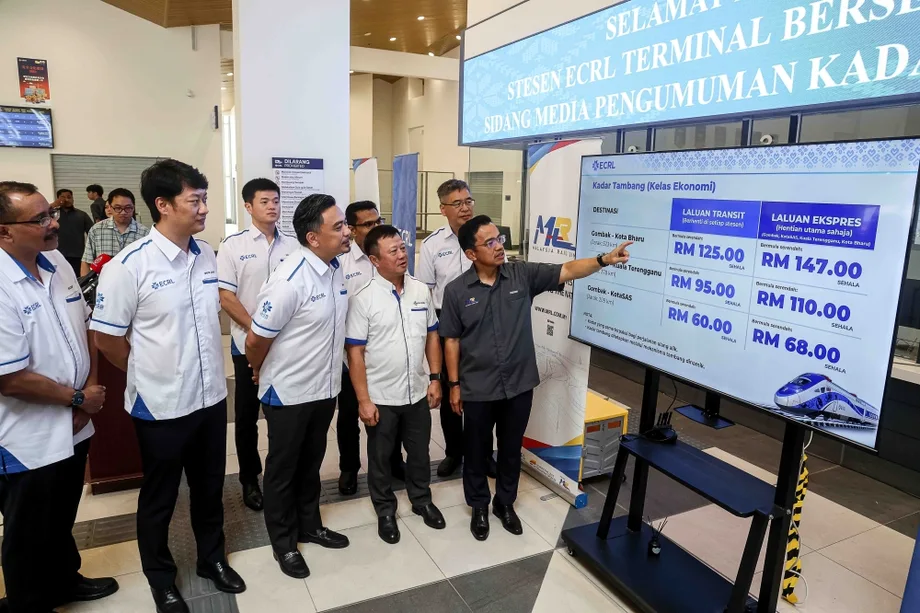
One visitor described confusion at Kuala Lumpur International Airport while trying to take a train into the city. The express service runs directly to KL Sentral and is modern and fast, but it costs more than the commuter option. Limited signs in Chinese can make the choice harder to understand.
Arriving late at night or during a busy holiday can make that uncertainty more stressful. A traveler needs to identify the right service, understand its stops and compare fares while also managing luggage and finding the next connection.
Other visitors have expressed concerns about road safety, particularly when walking near busy junctions. Some women have reported uncomfortable interactions with men in crowded places. Many visitors also describe smooth trips, making the practical details of individual journeys important to their experience.
Clearer multilingual signs at airports and along rail networks would address a recurring difficulty. Help desks that are easy to find, basic support in Chinese at major entry points and simple maps explaining rail choices and typical fares would make decisions easier for people arriving for the first time.
Information about taxi and ride hailing safety could help visitors choose transport with greater confidence. Better pedestrian crossings and lighting near major attractions would respond to concerns about walking, especially in unfamiliar areas after dark.
Practical Steps for a First Visit
Visitors planning their own trip can reduce common problems before arrival. Transport choices, payment methods and the location of accommodation are worth checking together, because each affects the time and money needed to move around.
- Download a translation app that works offline and a local map showing rail lines and stations.
- Use official ride hailing apps from the airport and confirm the fare before boarding.
- Check the hotel's location against rail and bus routes to reduce transfer costs.
- Save the airport rail website and a fare guide to compare the express and commuter services.
- Carry a small amount of cash for markets that do not accept cards or QR payments.
- Dress modestly in rural or conservative areas, and travel with friends at night in unfamiliar neighborhoods.
A hotel near useful transport can make a modestly priced stay more convenient. A saved map and fare guide can also make the airport journey easier when a traveler is tired or cannot readily ask for help.
Cash and digital payments serve different needs. Chinese mobile wallets may be familiar and widely accepted by businesses serving tourists, while a small cash reserve keeps market purchases straightforward where electronic payment is unavailable.
What Tourism Businesses and Cities Can Improve
Malaysia already combines modern infrastructure, living heritage and food and lodging that many regional visitors consider good value. The response to the retro remark shows how closely those attractions are connected to ordinary services, from a station sign to a payment counter.
Tourism businesses and public authorities can focus on the points where travelers make repeated decisions. Airports, stations, city interchanges, markets and hotel reception desks are places where useful information can prevent confusion and improve the day's plans.
- Add Chinese to signs at airports, rail stations and city interchanges, especially where travelers must choose between two services along the same corridor.
- Provide help desks at major visitor contact points, with staff able to answer common questions in Mandarin during busy periods.
- Standardize and publicize typical airport rail and taxi fares.
- Expand acceptance of popular Chinese mobile wallets among small businesses in tourist areas.
- Publish simple neighborhood guides covering night markets, heritage cafes and local crafts, online and in hotel lobbies.
- Work with city councils on pedestrian crossings and lighting near major attractions.
- Connect heritage coffee stops, vintage themed cafes and market walks in organized travel packages.
Neighborhood guides and linked food or coffee routes would build on attractions that already interest visitors. Better signs, staff support and payment choices would make those same experiences easier to reach and enjoy.
The discussion around Malaysia's retro image ultimately comes back to daily travel. Older cars and traditional coffee shops may create a memorable atmosphere. Clear transport information, fair prices and comfortable streets help visitors enjoy it and can encourage repeat trips and positive reviews.
Key Points
- A Chinese traveler's Xiaohongshu post compared Malaysia with China 20 years ago, prompting debate about vintage charm and development.
- The visitor noticed mostly Japanese cars, few electric vehicles and gasoline, food and lodging estimated to be roughly a third cheaper than at home.
- Visa exemptions, additional flights, safety perceptions and social media interest are helping draw Chinese travelers.
- A relatively weak ringgit and fuel subsidies for residents help explain the appeal of everyday prices.
- Night markets, heritage neighborhoods and coffee culture suit growing interest in independently planned experiences.
- Chinese mobile wallets and travel apps provide convenience, while some markets still require cash.
- Airport rail choices, limited Chinese signage, pedestrian safety and uncomfortable encounters have caused difficulties for some visitors.
- Malaysia's electric vehicle network and hotel choices are expanding, including a Park Hyatt planned in Merdeka 118.
- Clearer signs, Mandarin support, published fares and better walking conditions could improve the visitor experience.