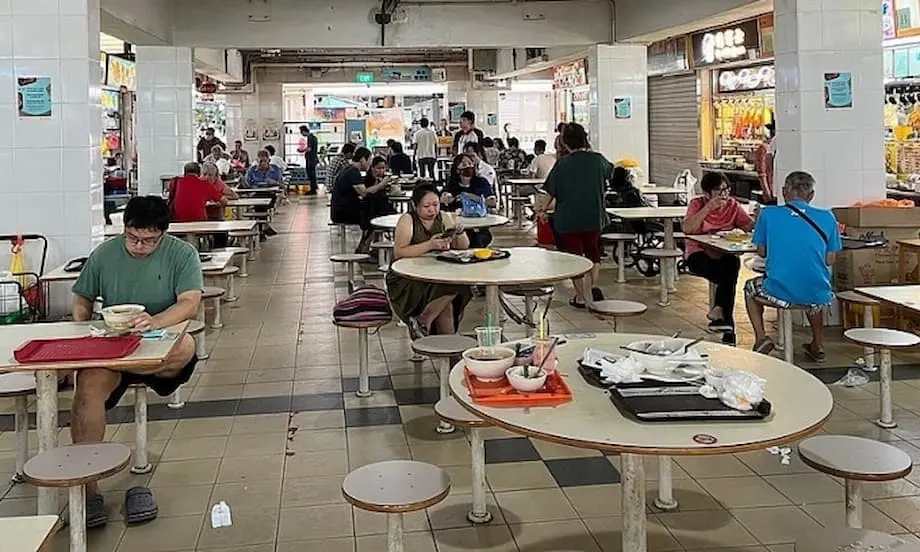
Four centres will shut on September 22
Six Singapore hawker centres are scheduled to close for repairs and redecoration from late September 2025, with reopenings spread from November 24 to December 31. The closures will last about two to three months, interrupting daily meals and stall operations while shared facilities are refreshed.
Contents
- Four centres will shut on September 22
- The closure and reopening timeline
- Why these closures last longer than cleaning breaks
- What the refresh works can change
- Tiong Bahru shows the scale of a longer refresh
- What the closures mean for stallholders
- How regular customers can adjust
- Other places to eat during the closures
- Preserving a familiar part of Singapore life
- Key Points
Toa Payoh Lorong 8 Market and Hawker Centre, Ang Mo Kio 628 Market and Food Centre, Boon Lay Place Market and Food Village, and Haig Road Market and Food Centre will all close on September 22. Berseh Food Centre at Jalan Besar will follow on September 29, while Circuit Road Hawker Centre will shut on October 1.
The National Environment Agency (NEA), which manages these facilities, carries out periodic upgrades to keep hawker centres safe, clean and welcoming. These longer closures are part of that programme, alongside the shorter cleaning breaks that take place throughout the year.
For residents, the immediate change will be practical: a familiar breakfast stall, lunch stop or place to buy dinner may be unavailable for several months. Stallholders will also need to prepare for a pause in trade, with some potentially operating elsewhere while their usual premises are closed.
The six centres will return at different times. Toa Payoh Lorong 8 is scheduled to reopen first, on November 24. The other five are due to resume operations in December, ending with Circuit Road on December 31. Customers should check official notices before making a trip, especially as each reopening approaches.
As of September 20, the first four closures are two days away. The schedule gives regular customers a short window to check their favourite stalls for notices about temporary locations, changes to service or plans to stop trading during the works.
The closure and reopening timeline
The dates cover centres in several parts of Singapore, from Toa Payoh and Ang Mo Kio to Boon Lay, Haig Road, Jalan Besar and Circuit Road. Each has its own reopening target, so customers will need to follow the schedule for the particular centre they use.
- September 22: Toa Payoh Lorong 8 Market and Hawker Centre, at Block 210 Lorong 8 Toa Payoh, closes. Reopening is scheduled for November 24.
- September 22: Ang Mo Kio 628 Market and Food Centre, at Block 628 Ang Mo Kio Avenue 4, closes. Reopening is scheduled for December 15.
- September 22: Boon Lay Place Market and Food Village, at Block 221A/B Boon Lay Place, closes. Reopening is scheduled for December 21.
- September 22: Haig Road Market and Food Centre, at Block 13/14 Haig Road, closes. Reopening is scheduled for December 22.
- September 29: Berseh Food Centre, at 166 Jalan Besar, closes. Reopening is scheduled for December 28.
- October 1: Circuit Road Hawker Centre, at Block 79/79A Circuit Road, closes. Reopening is scheduled for December 31.
Four centres therefore begin their works on the same day, while Berseh and Circuit Road close later. Their return is more spread out, with one reopening in late November and five during the second half of December.
Weather or supply challenges can affect the timing of repairs. The dates are the scheduled reopenings, and customers should check for adjustments closer to their planned visit.
Why these closures last longer than cleaning breaks
NEA's routine spring cleaning usually takes one to three days. Those short closures allow cleaning of stalls, drains and shared areas to help keep the centres clean and safe.
Repairs and redecoration require a longer interruption because they involve more extensive work on the buildings and facilities. The six centres facing closures from September and October will be unavailable for about two to three months.
Major repairs and redecoration happen on a cycle of several years, often around six to eight years for large centres. Routine cleaning, by comparison, takes place multiple times a year. The works are spread across the island to limit widespread disruption and give stallholders time to prepare.
NEA publishes monthly schedules for short cleaning closures, and the number of centres affected can be high during school holiday periods. September 2025, for example, includes dozens of sites scheduled for routine cleaning blocks.
Customers planning meals elsewhere should therefore check both types of closure. A centre outside the six undergoing lengthy repairs may still be unavailable for a short cleaning period.
What the refresh works can change
Repairs and redecoration generally focus on facilities that customers and stallholders use every day. Fresh floor tiles and waterproofing can reduce slips during wet weather, while damaged seating can be repaired or replaced. Paintwork is renewed across dining areas and corridors.
Toilets may receive maintenance or upgrades. Improvements to lighting and ventilation can make dining areas more comfortable, including during hot afternoons. At some centres, changes to the layout open up walkways and seating areas, making movement easier for families and seniors.
Stall infrastructure may also need attention. Power points, drainage, exhaust systems and fire safety features can be repaired or updated, supporting the work that happens behind the serving counter as well as the experience in the dining area.
Digital tools and shared services form another part of NEA's approach. The agency encourages cashless payment options, better queue management and centralised dishwashing. Centralised dishwashing means tableware is cleaned through a shared arrangement, helping stall teams work faster and more safely.
These measures support consistent hygiene, reduce clutter and help keep tables available as customers finish eating during busy periods. Individual centres receive different packages of works, so the precise changes at each of the six locations have not been detailed here.
The common aim is to maintain hygiene and comfort, give hawkers reliable infrastructure and preserve the familiar social atmosphere of communal dining. Customers may notice renewed surfaces and seating, while stallholders benefit from repairs to the facilities they depend on to prepare and serve food.
Tiong Bahru shows the scale of a longer refresh
Tiong Bahru Market provides a recent example of what repairs and redecoration can involve. The landmark venue closed from mid April to mid July 2025, following its previous refresh in 2017.
The works included new tables and stools, fresh floor tiles, repainting, waterproof materials for the carpark and improved greenery in the courtyard. NEA also targeted improvements to toilets, lighting and ventilation.
The interval between the 2017 refresh and the 2025 works was about eight years, matching the upper end of the six to eight year cycle often used for major refreshes at large centres. Its closure also illustrates why this type of work takes much longer than a cleaning break lasting a few days.
Tiong Bahru's package offers a concrete example of the practical changes diners can encounter when a centre returns. The six centres scheduled to close this autumn will each have their own requirements, with the same broad goals of maintaining the premises and supporting daily use.
What the closures mean for stallholders
Hawkers face a pause in daily income when their centre closes for several months. Some may use the period to take a break. Others may operate temporarily at another centre if a stall is available.
NEA has offered different forms of support at different times. During the Tiong Bahru Market refresh earlier in 2025, stallholders had their rent waived for the closure, and rents were not raised because of the works. Representatives were also consulted about the timing and scope of the project.
Support arrangements can vary by location and circumstance. Operators at the six centres should use the agency's notices for details about their own premises and the steps they need to take.
Preparation also matters for customers trying to stay in touch with a favourite stall. Operators planning a temporary move often share information on stallfront posters or social platforms. Some stalls may stop service completely until reopening, while others may move for a short period or offer delivery.
Facebook, Instagram and WhatsApp groups can help regulars follow temporary addresses, new operating hours and menu changes. Checking those updates before a visit can save a journey to a stall that has paused trading or moved elsewhere.
How regular customers can adjust
Office workers and families who depend on these centres for lunch or dinner will need alternative plans. Nearby venues tend to receive more customers when a large centre shuts, so queues may be longer during peak periods.
Customers with flexible schedules can consider breakfast on a weekday, a late lunch or another quieter visiting time. Seniors and families using strollers should also check the availability of lifts and seating at an alternative venue.
Payment arrangements may change while a stall is operating temporarily, so carrying both cash and a digital payment option is useful. A stall's relocation notice may also provide details about its service hours and menu.
- Check NEA's announcements and the MyEnv app before travelling.
- Follow favourite stalls for relocation and reopening notices.
- Visit outside peak periods where possible to avoid longer queues.
- Consider breakfast on a weekday or a late lunch if your schedule allows.
- Carry cash as well as a digital payment option.
- Check lift access and seating when choosing an alternative for seniors or families with strollers.
NEA's hawker centre announcements list closure notices, reopening dates and short cleaning windows. The page is a useful place to check whether a planned meal needs to move to another location.
The national open data portal's Dates of Hawker Centres Closure dataset brings together closures for cleaning, repairs and redecoration. It lists start and end dates, addresses and notes about the work, helping customers plan lunch trips and weekend visits across Singapore.
Other places to eat during the closures
Singapore's dense hawker network offers alternatives while the six centres are unavailable. In the city area, Maxwell Food Centre, Chinatown Complex Food Centre, Lau Pa Sat, Amoy Street Food Centre and Newton Food Centre serve a broad mix of local classics and more specialised dishes.
In the east, Old Airport Road Food Centre and East Coast Lagoon Food Village remain familiar choices when they are outside their own short cleaning cycles. In the north and west, Yishun Park Hawker Centre, Taman Jurong Market and Food Centre, and Jurong West Hawker Centre offer a wide range of affordable meals.
Newer venues add further options. Punggol Coast Hawker Centre brings about 40 stalls and familiar names to the north east. Hawker Street at Orchard offers well known local brands in an air conditioned mall setting for shoppers who prefer to eat indoors.
The MICHELIN Bib Gourmand Singapore 2025 selection also points customers towards hawker stalls serving meals considered good value. New additions include Ji Ji Noodle House at Hong Lim Market and Food Centre, and Lao Fu Zi Fried Kway Teow, Nam Sing Hokkien Fried Mee and To Ricos Kway Chap at Old Airport Road Food Centre.
Song Kee Teochew Fish Porridge at Newton Food Centre is another new addition. More than 70 percent of the places in the Bib Gourmand selection are hawker stalls, reflecting the place of family run kitchens and communal food halls in Singapore's dining scene.
These alternatives give residents and visitors choices beyond the affected centres. Their own opening and cleaning schedules still need checking, particularly when planning a trip around a specific stall.
Preserving a familiar part of Singapore life
Singapore's hawker centres are places for daily meals and social contact, as well as part of the country's identity. UNESCO recognises Singapore's hawker culture as Intangible Cultural Heritage.
The city also ranks highly as a food destination. Time Out placed Singapore third among street food cities in Asia in 2025, behind Penang and Hanoi. Readers of a global travel magazine selected Singapore as the only Southeast Asian city in a recent list of the world's top ten food cities.
For regular customers, the temporary closures affect something more immediate than rankings: where they eat, which stallholders they see and how they organise their day. The repairs are intended to preserve that familiar setting while improving facilities for continued use.
Reopening will bring customers back to refreshed premises, potentially including renewed surfaces, better lighting or ventilation, improved seating and changes behind the stalls. Operators may also adjust menus or hours as they settle back in.
Toa Payoh Lorong 8 is scheduled to return on November 24, followed by Ang Mo Kio 628 on December 15, Boon Lay Place on December 21, Haig Road on December 22, Berseh on December 28 and Circuit Road on December 31. The aim is steady service in cleaner, more comfortable spaces while keeping the character of affordable communal dining.
Key Points
- Six Singapore hawker centres are scheduled to close for about two to three months of repairs and redecoration.
- Toa Payoh Lorong 8, Ang Mo Kio 628, Boon Lay Place and Haig Road close on September 22, 2025.
- Berseh Food Centre closes on September 29, and Circuit Road Hawker Centre closes on October 1.
- Scheduled reopenings run from November 24 to December 31.
- Typical works cover floors, paintwork, seating, toilets, lighting, ventilation and stall infrastructure, with packages varying by centre.
- Tiong Bahru stallholders received rent waivers during its 2025 refresh; arrangements for other centres depend on their own notices.
- Routine cleaning closures usually last one to three days and continue at other centres.
- Customers can check NEA announcements, the MyEnv app, the national closure dataset and notices from individual stalls before travelling.