A river catch reveals the scale of the problem
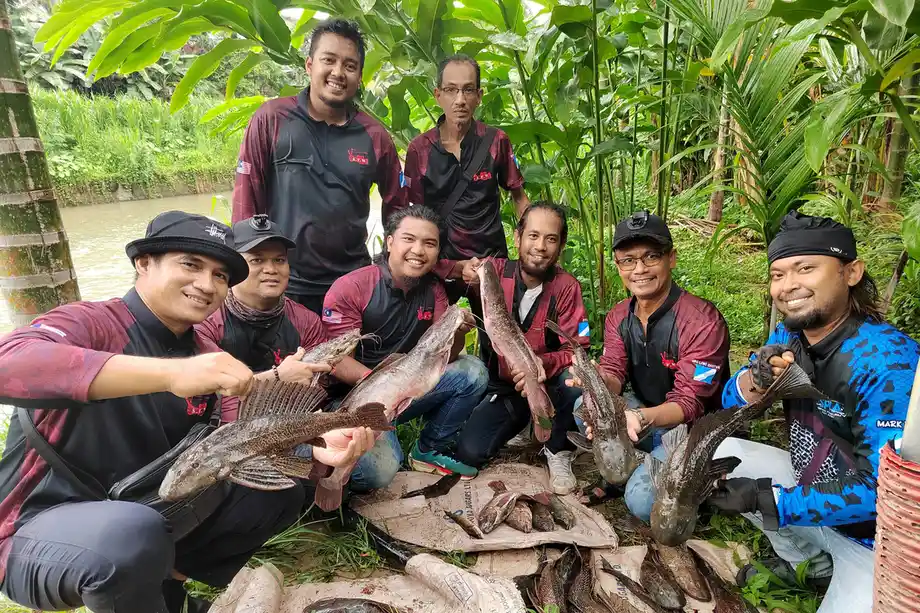
A community sweep on the Denai River in Selangor removed about 1.1 tonnes of plecos and just 1.9 kilograms of native fish. Converted into the same unit, that is roughly 579 kilograms of the invasive catfish for every kilogram of native fish caught. The haul shows how far the balance has shifted in some Malaysian waterways, with consequences for riverbanks, wildlife and fishing incomes.
Contents
- A river catch reveals the scale of the problem
- How unwanted pets reach open water
- Why plecos damage more than fish populations
- Predators put native catches under pressure
- Polluted rivers give hardy invaders an advantage
- Anglers organize regular removals
- Fisheries officials seek stronger controls
- Sarawak removes invaders while Sabah protects rivers
- Handling catches without creating new risks
- Stopping releases and making removals last
- Better monitoring and healthier banks
- Key Points
The Department of Fisheries has tracked non native fish at at least 39 locations in Peninsular Malaysia and Labuan since 2021. Plecos and African catfish are among the most visible, alongside peacock bass, alligator gar and redtail catfish. Native fish such as lampam, tengas, sebarau and river catfish are losing ground.
In Sentul, Kuala Lumpur, freshwater fisherman Muhamad Nasrullah Maludin watches dark shapes moving beside a riverbank from a bridge. With a slingshot in one hand and a fishing reel in the other, he targets plecos, hauls them up and disposes of them. His aim is to give native fish more room to survive.
Plecos are familiar aquarium cleaners, valued for scraping algae from glass. Once released into rivers, their digging and feeding can damage the habitat other species need. Anglers who once brought home prized native fish now often find nets filled with plecos, tilapia and African catfish instead.
For people fishing on a small scale, the change reaches beyond the catch itself. Fewer valuable native fish can mean lower earnings, while large invasive catfish can damage equipment and increase replacement costs. Volunteers are responding with regular removals, but stopping new releases and improving river conditions remain central to protecting native species.
How unwanted pets reach open water
Aquarium keeping and aquaculture brought most of these species into Malaysia. Some fish grew too large for their tanks. Other owners lost interest and released them into drains or rivers. During the COVID-19 lockdown years, hobbyists unable to manage large aquariums reportedly released more fish.
Floods provide another route. Fish can escape from ponds and cages when water rises, entering connected waterways. Once established, many invasive species grow quickly, breed early, produce large numbers of eggs and eat a wide range of food.
African catfish can gulp air at the surface. Several pleco species can obtain oxygen from pockets of air in their gut. Those abilities help them survive in dirty water with little dissolved oxygen, the oxygen available in water for fish to breathe.
Malaysia's response has developed through several stages:
- In the 1990s, Sabah revived the traditional Indigenous Tagal system of community river management.
- During the pandemic, a volunteer network calling itself a foreign fish hunter squad began organizing removals.
- In 2021, Slingshot Fishing Malaysia formed. Since that year, the Department of Fisheries has tracked non native fish across at least 39 locations in Peninsular Malaysia and Labuan.
- Since 2022, the department has led at least 17 operations, removing more than 4.4 tonnes of non native fish.
Why plecos damage more than fish populations
Plecos, also called ikan bandaraya, are armored bottom dwellers from South America. In rivers, they excavate burrows for shelter or spawning. These holes can collapse, damage roots that hold soil together and release silt into the water.
Cloudier water allows less sunlight to reach underwater plants. As plants die back, rivers lose sources of oxygen, shelter for young fish and feeding places for invertebrates. Native fish then have fewer nursery areas and less food.
Conservation scientists warn that weakened banks also increase erosion and flood risks. Urban rivers already affected by pollution and construction face particular pressure from this additional damage.
Plecos gather below bridges, beside reinforced embankments, in cracks and under ledges where predators struggle to reach them. Their armored plates discourage many potential predators, including fish and birds. With limited natural checks, their numbers can build rapidly between removal operations.
Predators put native catches under pressure
Peacock bass, or Cichla species, also originate from South America. They hunt mainly by sight, pursuing smaller fish. Reviews of their spread in Malaysia describe four non native species across most of the peninsula, with their greatest success in lakes.
Introductions associated with sport fishing and repeated releases have carried peacock bass into new waters. Abundant prey and open habitat help them establish themselves. Their appetite and varied diet put pressure on small native fish and the young of larger species.
African catfish, Clarias gariepinus, and redtail catfish are powerful predators that breed quickly. Anglers describe catches as long as an adult arm or thigh, weighing six to ten kilograms. Fishermen report that these fish prey on patin, tenggalan, kerai, kelah and sebarau, as well as prawns and crabs.
Redtail catfish have spread into major rivers including the Pahang, Perak and Selangor. Both they and African catfish can adapt to murky water with little oxygen and move during floods. Their strength and spines can damage fishing gear, adding expense for people already catching fewer prized native fish.
Large catfish also become too big for most native predators to eat. Alongside the protection afforded by pleco armor, this helps explain why established invasive populations can grow quickly without sustained removal.
Polluted rivers give hardy invaders an advantage
A study reviewed by other scientists found that alien fish in Klang Valley rivers were most abundant where water quality was poorest. Those stretches had high ammonia and nitrite levels and lower dissolved oxygen. Sensitive native fish struggle under those conditions, while hardy species able to use many food sources can persist.
Field surveys recorded both native and alien fish, with non native species most common in stretches exposed to pollution and heavy human activity. Assessments using a standardized screening tool ranked most alien fish as posing a high risk if released into Malaysian waters.
Diet studies help explain the competition. Scientists examining stomach contents found substantial overlap between the food eaten by native and alien fish. Stable isotope analysis, which examines chemical signatures that reflect diet over time, also showed that the two groups often fed in the same parts of the food web.
Alien fish had fuller stomachs and broader diets. Their ability to switch among food sources helps them survive in degraded rivers, while native fish with more limited feeding habits face greater pressure. Poor water quality and simplified habitat therefore work together to favor the invaders.
Cleaner water and healthier habitat are part of the response for that reason. Removing fish addresses their immediate numbers; reducing pollution and repairing banks tackles conditions that help them return.
Anglers organize regular removals
Slingshot Fishing Malaysia, formed in 2021, uses handheld slingshots fitted with reels to target plecos and other invasive fish from bridges and riverbanks. The method allows volunteers to stay out of polluted water and work in confined urban spaces.
The group has attracted thousands of followers and spends weekends conducting removals in the Klang Valley and elsewhere. Another network, the foreign fish hunter squad that began during the pandemic, has grown to more than 1,000 members.
Volunteers in the Klang River basin report removing nearly 31 tonnes of suckermouth catfish. Depending on water quality, catches are sold, converted into fertilizer or biochar, used as bait, processed into feed pellets or disposed of safely. Some anglers have tried cooking plecos from cleaner waters, although experts warn against eating fish caught in polluted urban rivers.
Mohamad Haziq A Rahman, who leads a large volunteer effort in the Klang Valley, says the goal is to reduce numbers and build public awareness. He argues that action is needed even when complete removal is beyond reach.
Yes, this fish will not be completely gone from our rivers. If we do not act now, the outcome would be worse. It is better to take action than to leave it alone. We can at least reduce the population instead of allowing it to take over local fish.
Community sweeps also serve as public education events. Businesses have started sponsoring cleanups through corporate social responsibility activities, while local authorities in Selangor have offered one ringgit per kilogram of invasive fish. The rewards encourage continued participation and keep the problem visible.
Fisheries officials seek stronger controls
The Department of Fisheries has led at least 17 removal operations since 2022, taking more than 4.4 tonnes of non native fish from Malaysian waters. Officials are also tightening biosecurity rules for farms and shops, organizing river sweeps and promoting nationwide education to discourage the dumping of unwanted aquarium fish.
Biosecurity means measures that prevent harmful organisms from entering or escaping a facility. For farms and shops, that connects the handling of live fish with the wider task of keeping invasive species out of rivers.
Department of Fisheries Director General Datuk Adnan Hussain has urged the public to understand the ecological costs and help stop new releases. He described the threat to native populations in stark terms.
The dominance of invasive fish species is a ticking time bomb that threatens native river fish populations.
The Fisheries Act 1985 already restricts prohibited species. Violations can lead to fines, confiscation or imprisonment. Proposals would raise penalties to discourage illegal imports, breeding and dumping; no date was given for their adoption.
Education campaigns address a practical source of the problem: owners who release fish they no longer want. Once those fish breed in connected waterways, authorities and volunteers face the much harder task of repeatedly catching their descendants.
Sarawak removes invaders while Sabah protects rivers
On the Sarawak River, a multi agency Invasive Alien Fish Hunting Programme brought officers and local fishers together for three days of targeted removals. Native fish were released alive. Captured alien fish were recorded and destroyed so they could not return to the river.
Exhibitions and briefings accompanied the operation. They explained how invasive fish erode banks, degrade water quality and threaten incomes for freshwater cage farmers in places such as Batang Ai.
Sabah's Tagal system offers a different but related approach. The traditional Indigenous model, revived in the 1990s and supported by the state fisheries department, gives communities strict rules for managing river stretches. Those rules include rest periods and zones where fishing is prohibited.
Tagal sites in and around Penampang have helped protect habitat, support ecotourism and strengthen local stewardship. Committees now watch for non native fish and coordinate with government agencies when action is needed.
Community rules can connect conservation with livelihoods, including tourism. Careful management of visitor pressure remains part of keeping those river areas healthy.
Handling catches without creating new risks
Urban rivers can carry pollution from households and industry. Fish living in them may accumulate contaminants and pathogens, making the condition of the water central to decisions about how catches are used.
Anglers and community leaders advise against eating invasive fish from dirty rivers. Gloves are recommended when handling species with spines. Where water quality is better, groups have used catches for fertilizer, fish meal or bait, but decisions need accurate local information about river conditions.
Fisheries officers and scientists also warn that some alien fish can carry bacteria and parasites capable of infecting wild fish or stocks in nearby cages and ponds. Disease outbreaks can reduce farm yields and raise costs, affecting rural incomes and food prices.
Keeping invasive fish out of farm supply chains and preventing escapes during floods are therefore linked tasks. Farms need to protect their own stocks while reducing the chance that unwanted fish or infections spread into surrounding waters.
Stopping releases and making removals last
Prevention begins with keeping aquarium fish, plants and snails out of drains, ponds and rivers. Owners can return unwanted fish to pet shops or contact local fisheries offices and community groups for advice on surrender and disposal.
Fish farmers can secure ponds and cages ahead of flood conditions. Schools and hobbyist clubs can teach species identification and responsible ownership, reducing releases made with good intentions but lasting ecological consequences.
Removal programmes need continuity. Rewards such as Selangor's payment per kilogram give anglers a reason to keep participating. Local councils and businesses can support organized sweeps, while competitions targeting specific invasive species can contribute when catches are recorded and processed or disposed of safely.
The aim is to keep reducing invasive populations while preventing new arrivals. Volunteers, authorities, aquarium owners and farms each control a different part of that effort, from the release of a single unwanted pet to the management of a whole river stretch.
Better monitoring and healthier banks
Environmental DNA could help identify new introductions early. The method detects genetic traces that fish leave in water, allowing monitoring to flag their presence and guide a rapid response.
Standardized mapping and reporting through phones can give volunteers a way to contribute information as they work. Universities can help develop consistent methods and analyze trends, while fisheries officers provide legal support and logistics.
Coordination with neighboring jurisdictions also matters. Singapore's reservoirs and rivers face similar risks, making shared data and alerts across borders useful tools for reducing surprises.
River recovery also depends on the habitat itself. Erosion control, planting vegetation along riverbanks and better wastewater treatment can reduce the conditions that give invasive fish an advantage. Intact banks and cleaner water provide native species with a stronger foundation.
Tagal shows how rules developed and enforced within communities can protect habitat and support tourism when visitor pressure is managed carefully. Combined with limits on releases and sustained removals, that approach can help shift the balance back toward native fish rather than leaving volunteers to repeat the same catches indefinitely.
Key Points
- The Department of Fisheries has tracked non native fish at at least 39 locations in Peninsular Malaysia and Labuan since 2021.
- A Denai River sweep removed about 1.1 tonnes of plecos and only 1.9 kilograms of native fish.
- Pleco burrows weaken riverbanks, while silt clouds water and damages underwater plant habitat.
- Peacock bass and invasive catfish put pressure on native fish through predation and competition for food.
- Volunteers report removing nearly 31 tonnes of suckermouth catfish from the Klang River basin.
- The Department of Fisheries has removed more than 4.4 tonnes of non native fish in at least 17 operations since 2022.
- Selangor has offered one ringgit per kilogram of invasive fish, while Sarawak has organized targeted removals and Sabah supports community river management.
- Preventing releases, improving water quality, monitoring introductions and maintaining removal efforts are central to protecting native river life.