Five thousand miles of unusually warm ocean
A marine heat wave stretching roughly 5,000 miles from waters near Japan to the U.S. West Coast has pushed North Pacific sea surface temperatures to August records in a series reaching back to the late nineteenth century. As of September 20, 2025, its size, intensity and reach are putting pressure on ocean wildlife and influencing weather on land.
Contents
- Five thousand miles of unusually warm ocean
- A warmer baseline changes the odds
- How winds build a warm surface layer
- Japan's heat and California's sticky nights
- Winter risks depend on where the warmth lasts
- Plankton changes reach through the food web
- Alaska's birds and whales carry lasting effects
- The South West Pacific's 2024 warning
- Higher seas add to coral and storm risks
- Early warnings and practical responses
- Key Points
Japan endured its hottest summer on record, including a national temperature high of 41.8 degrees Celsius, or 107.2 degrees Fahrenheit. Across the ocean, northern California entered meteorological fall with unusually muggy air as warmer coastal waters increased evaporation. If the ocean warmth lasts into winter, it could help strengthen atmospheric rivers bringing rain and mountain snow to the U.S. West Coast.
The North Pacific event follows an acceleration in ocean warming since 2023. In January 2024, more than 40 percent of the global ocean surface met common thresholds for a marine heat wave. Scientists are concerned about the repetition as well as the current event: a warmer ocean gives each new episode a higher starting temperature.
Marine heat waves occur when water stays unusually warm compared with its local temperature history. The most widely used definition requires temperatures above 90 percent of historical values for that time of year for at least five consecutive days. A temperature that is normal in one region can therefore represent extreme heat in another.
The North Pacific has warmed faster than other ocean basins during the past decade. Human activity and seasonal changes in winds are combining to make large, persistent warm patches more likely, with consequences extending from tiny plankton to fisheries, seabirds and whales.
A warmer baseline changes the odds
A senior scientist at the National Oceanic and Atmospheric Administration (NOAA), one of the leading researchers tracking the Pacific, described the breadth of the concern:
The North Pacific has a fever, but the story does not end there. The downstream effects of these marine heatwaves is likely to be significant in terms of how they impact marine organisms, ecosystem structure, fisheries and the weather in the Pacific Northwest.
Global ocean temperatures have been unusually high since early 2023, while marine heat waves have grown in both duration and area. In the North Pacific, the rapid warming of the past decade helps explain why events once considered rare can recur within just a few years.
Greenhouse gases from human activity have raised the ocean's background temperature. Natural changes in spring and summer winds have also favored reduced upwelling in recent years. Upwelling brings colder water from below toward the surface; when that supply weakens, surface waters lose an important source of cooling.
The dates show how the present event fits into a longer sequence of warming and ecological stress:
- 2013 to 2016: A prolonged Northeast Pacific heat wave carried warmth deep into the upper ocean and survived through stormy winters.
- 2014: A period of marine heat later became a focus of research into the adult size of female resident killer whales in the Gulf of Alaska.
- Since early 2023: Global ocean temperatures have remained unusually high, with heat waves increasing in duration and extent.
- January 2024: More than 40 percent of the global ocean surface met common marine heat wave thresholds.
- Several months of 2024: Marine heat waves affected about 40 million square kilometers in the broader South West Pacific region.
- August 2025: North Pacific sea surface temperatures broke August records extending back to the late nineteenth century.
How winds build a warm surface layer
Persistent areas of high and low atmospheric pressure can steer winds in ways that reduce ocean mixing. Weaker or shifting winds can also limit the upward movement of cold water rich in nutrients. Summer sunlight then heats the relatively thin layer at the surface.
Winds and waves normally stir the ocean, distributing surface heat through a larger volume of water. Without enough stirring, warmth can remain concentrated near the surface for weeks. Pressure patterns that linger over the basin can keep those conditions in place.
The depth of the warm water matters as much as its surface temperature. A shallow event that develops in summer can weaken when autumn storms return and mix the water. A deeper reservoir of warmth can persist much longer, exposing marine life to extended stress and potentially influencing seasonal weather.
An oceanographer at the Scripps Institution of Oceanography described this year's Northeast Pacific warmth as likely concentrated in a shallow surface layer:
Since this is a summer anomaly, it is very likely confined to a very thin mixed layer depth. So once the atmospheric conditions change, it should fade quickly into the ocean via vertical mixing and through losing heat to the atmosphere.
The mixed layer is the upper part of the ocean stirred by winds and waves. During the prolonged 2013 to 2016 event, warmth reached deeper into the upper ocean, helping it endure stormy winters. The current event's depth and duration will help determine both its ecological toll and its effects on weather.
Japan's heat and California's sticky nights
Warm ocean water adds moisture to the air above it and can change pressure patterns that guide storms. Around Japan, extraordinary ocean warmth added to the heat on land and contributed to extreme summer conditions. The current North Pacific event is large enough to stand out on weather maps covering the hemisphere.
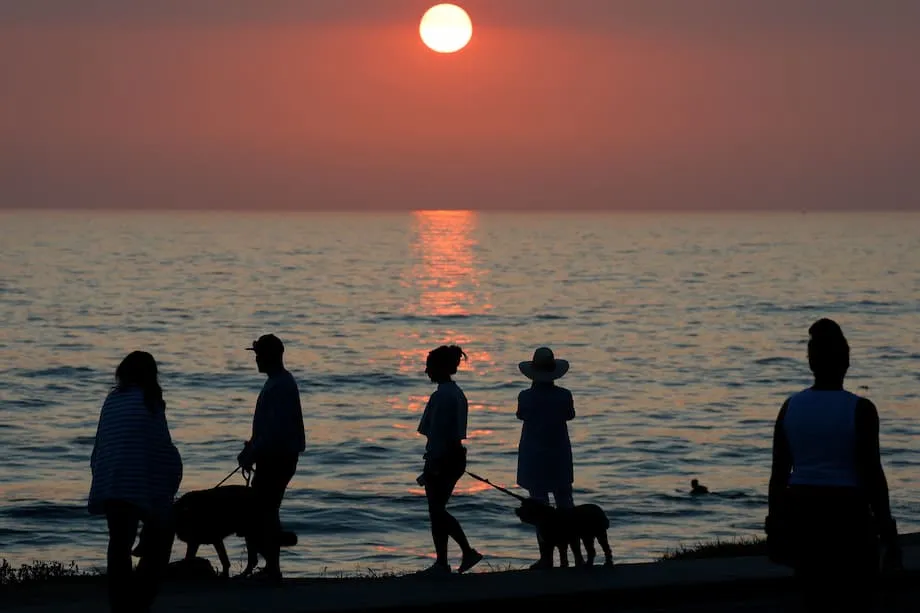
Northern California has already experienced a more immediate effect: higher dew points, muggy nights and smaller differences between daytime highs and overnight lows. Dew point describes how much moisture is in the air. Higher values generally mean the air feels more humid.
The warmer coastal ocean supplies more water vapor through evaporation. That helps explain why the start of meteorological fall has felt unusually sticky in parts of northern California, even as scientists watch for larger changes in the atmosphere.
A climate scientist at the University of California, Los Angeles, outlined a possible consequence if the warmth lasts through autumn:
If the broad ocean basin wide heat wave persists, it could influence the wintertime storm track associated with the jet stream.
The jet stream is a band of strong winds high in the atmosphere that helps steer weather systems. Changes in its position can alter where storms travel, making the location and persistence of the warm ocean important to the winter outlook.
Winter risks depend on where the warmth lasts
The U.S. West Coast could face stronger atmospheric rivers if the ocean warmth persists and storm paths favor the region. Atmospheric rivers are concentrated flows of moist air that can deliver heavy precipitation. A wetter atmosphere can increase rainfall rates when storms arrive and support more snow at higher elevations.
Winter rainfall will depend on several influences operating together, including the tropical Pacific, the position of the North Pacific high pressure area and the arrival of early winter storms. The heat wave's exact location and endurance will also matter.
Researchers are watching for possible effects farther inland, including in the Upper Midwest. Changes in the jet stream associated with the warm pool could contribute to colder and snowier conditions there. Past North Pacific warm blob events have coincided with unusual winter patterns, but the outcomes have varied.
Minnesota has experienced both harsher and milder winters in different years with North Pacific temperature anomalies. A specific winter outcome is still uncertain. Specialists are tracking how the warm water interacts with other atmospheric and ocean conditions.
Short range marine heat wave outlooks show a warm pool near 30 degrees north expanding and intensifying, with extreme heat emerging in the Bering Sea. In the Northeast Pacific, stronger early autumn winds could mix away shallow warmth. Light winds or storms passing elsewhere could allow it to last longer along the West Coast.
An event this large can also affect the atmosphere above it, which then changes the winds acting on the ocean. Forecasts will need to follow those changing conditions week by week, especially around California, the Pacific Northwest, Alaska and Canada.
Plankton changes reach through the food web
Warm surface waters can become more strongly separated from colder water below, a condition called stratification. When less water mixes upward, fewer nutrients reach surface phytoplankton, the tiny organisms that form the base of the marine food web.
A global study using Biogeochemical Argo floats, instruments that measure ocean conditions below the surface, shows that heat waves can rearrange plankton vertically. In many regions at middle and low latitudes, surface plankton decline while biomass increases in deeper layers as the balance of nutrients and light shifts.
Satellites observing the surface can therefore show a different picture from measurements below it. More plankton at depth changes where and when animals such as krill can feed, which in turn changes feeding opportunities for fish, birds and whales.
The last extended Northeast Pacific heat wave pushed thousands of species to move in search of cooler water. Small fish eaten by larger animals, including anchovies and sardines, shifted their locations. Those changes contributed to starvation among seabirds and marine mammals.
Warm conditions with fewer nutrients also brought more frequent and intense toxic algal blooms. Crab and shellfish fisheries closed, costing coastal economies tens of millions of dollars. Heat can therefore affect fishing communities through both changes in animal populations and restrictions needed to protect seafood consumers.
After the event in the middle of the 2010s, humpback whale sightings in parts of the North Pacific fell by roughly 20 percent over several years as prey collapsed. Ecological damage can last beyond the period of high water temperatures, leaving populations under pressure when another event arrives.
Alaska's birds and whales carry lasting effects
The Alaska Maritime National Wildlife Refuge has seen seabird populations struggle to recover from earlier heat waves. A supervisory wildlife biologist at the refuge described new signs of stress during the current summer:
There have been multiple die offs of marine mammals, seabirds and forage fish in Alaskan waters this summer; we have definitely had an uptick in calls from the public about sick and dead birds.
Those observations sit alongside evidence of longer lasting changes among resident killer whales that eat salmon in the Gulf of Alaska. Recent measurements made using drones suggest females that grew during the 2014 period reached smaller adult sizes.
Smaller whales carry fewer energy reserves and are more vulnerable when food becomes scarce. That can affect reproduction, connecting conditions during growth with the animals' ability to cope years later.
Researchers documented new calves this summer, offering a hopeful sign for the population. Another extended heat wave or a decline in salmon could place it under renewed strain. The concern is both the immediate availability of food and the lasting effects of earlier shortages.
Alaska's experience shows why scientists follow more than water temperatures. Bird deaths, fish distribution, whale size and the arrival of calves each reveal a different part of how marine communities respond to heat.
The South West Pacific's 2024 warning
The World Meteorological Organization (WMO) reported that marine heat waves affected about 40 million square kilometers of ocean in the broader South West Pacific region during several months of 2024. That area represents more than 10 percent of the global ocean surface.
The region was about 0.48 degrees Celsius warmer than the 1991 to 2020 average, while many countries recorded new annual temperature highs on land. The findings show that the present North Pacific event sits within a wider pattern of Pacific heat.
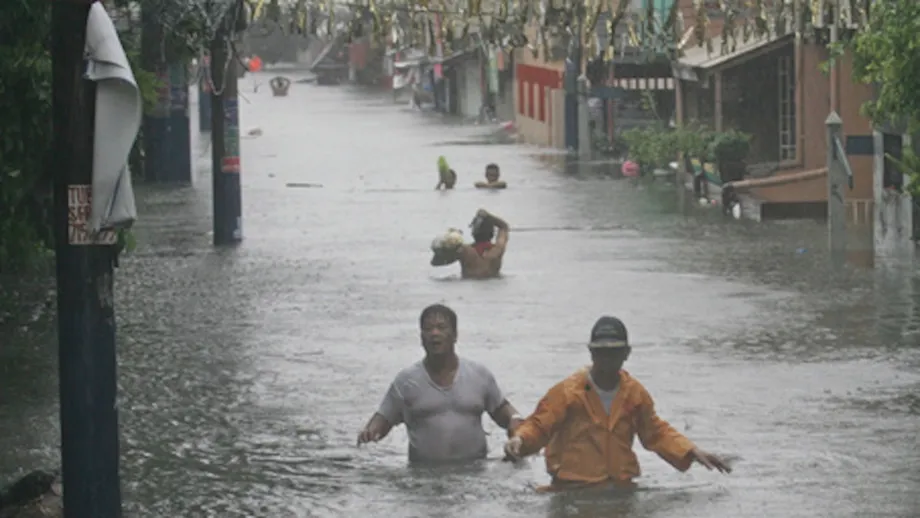
The Philippines experienced an unprecedented burst of late season cyclones, with 12 storms between September and November 2024. They affected more than 13 million people and displaced at least 1.4 million. Australia's winter snow season ended early, and coral reefs across the region suffered another mass bleaching.
The Great Barrier Reef experienced its fifth mass bleaching since 2016. Repeated episodes give corals less time to recover and put the fisheries, tourism businesses and coastal protection supported by reefs under growing pressure.
The WMO's secretary general described the stakes for island communities facing hotter water and rising seas:
Sea level rise is an existential threat to entire island nations and time is running out to turn the tide.
Food systems, livelihoods and culture are all exposed to ocean changes. For island families, repeated flooding and erosion can lead to discussions about relocation, involving difficult cultural and spiritual choices about leaving ancestral land.
Higher seas add to coral and storm risks
Satellite measurements show that sea level in parts of the southwest Pacific is rising faster than the global average. Warmer water expands, a process known as thermal expansion, which has recently been a major driver of sea level rise.
A higher starting sea level allows storm surge to reach farther inland and increases tidal flooding even on clear days. Hotter oceans can also change currents and influence storm behavior. Pools of warm water make rapid intensification of tropical cyclones more likely, increasing the potential damage when storms reach populated coasts.
Coral bleaching offers a visible sign of heat stress. When the water stays too warm, corals expel the algae that provide them with food, leaving the corals white. They can recover if temperatures fall quickly enough, but repeated bleaching drains their reserves.
Heat waves occurring in more seasons and at greater intensity leave reefs shorter recovery periods. The consequences extend to people because reefs protect shorelines, support fisheries and attract tourism. Their decline can reduce both coastal protection and income.
Early warnings and practical responses
Coastal fisheries can respond to changing conditions by adjusting seasons and quotas as stocks come under stress. Earlier testing for toxic algae can alert crab and shellfish operations before closures, while public health warnings can reduce risks for seafood consumers and beachgoers.
Managers can also reduce vessel speeds near whale feeding areas and expand monitoring. When animals gather in remaining pockets of cooler water, those measures can reduce the risk of collisions with ships.
The Philippines' experience during the succession of storms in late 2024 shows the value of advance preparation. Improved warnings helped communities respond through forecasts tailored to local needs, supplies positioned before storms and rapid evacuations. Similar approaches can help coastal towns facing floods associated with higher seas and storm surges.
Restoring kelp forests and seagrass beds can improve habitat and carbon storage. Reducing overfishing and pollution gives marine ecosystems a better chance to cope with heat. These local measures can reduce damage while cuts in greenhouse gas emissions address the larger cause of ocean warming.
Autumn winds and storms will help determine how quickly the shallow parts of the Northeast Pacific heat wave weaken. Communities and industries face a more immediate task: watching changes in food supplies, animal health, toxic algae and coastal flood risk while the ocean remains unusually warm.
Key Points
- A marine heat wave spans roughly 5,000 miles from Japan to the U.S. West Coast, with North Pacific August temperatures breaking records reaching back to the late nineteenth century.
- Japan recorded its hottest summer and a national high of 41.8 degrees Celsius. Northern California experienced unusually humid air and warmer nights.
- More than 40 percent of the global ocean surface met common marine heat wave thresholds in January 2024.
- Reduced upwelling and weaker mixing helped build the heat. Autumn storms could weaken warmth concentrated near the surface.
- Persistent ocean heat could affect winter storm paths, atmospheric rivers and weather farther inland, with outcomes depending on other ocean and atmospheric conditions.
- Ecological effects include food shortages, toxic algal blooms, seabird and marine mammal deaths, and lasting changes in whale populations.
- WMO reported marine heat waves across about 40 million square kilometers of the broader South West Pacific during several months of 2024.
- Rising seas, coral bleaching and stronger cyclone risks add pressure to coastal communities. Early warnings, fisheries adjustments and habitat restoration can reduce damage.