A tracked bear returns to Hadano within days
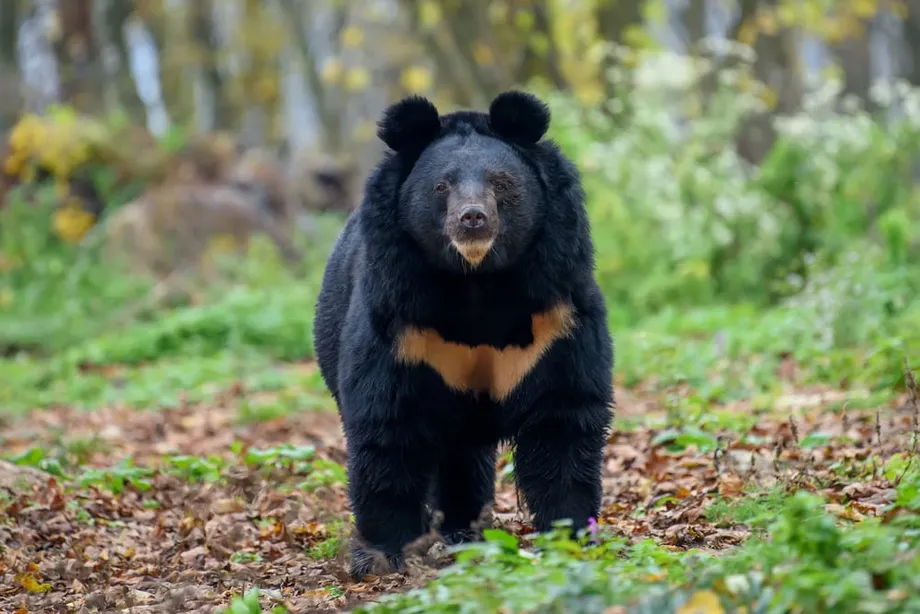
A 101-kilogram male Asian black bear released in the Tanzawa mountains on October 20 was confirmed back near a residential area of Hadano City, Kanagawa Prefecture, on October 24. Officials identified it through a radio transmitter fitted before its release about 10 kilometres from where it had been captured.
Contents
The adult bear returned to the vicinity of Koboyama Park, close to homes and a primary school. Hadano closed access routes, increased patrols and announced the animal's return on October 24. Nearby schools arranged for children to leave in groups and distributed bear bells.
Officials had initially judged the bear to pose a low risk. Its droppings showed that it mainly ate acorns, and it had no recorded history of raiding rubbish, entering farmland or attacking people. Those findings supported releasing it under prefectural rules.
The return has prompted the prefecture and city to discuss whether to capture and kill the animal. Their decision involves both public safety and conservation: Kanagawa lists the Asian black bear as threatened with extinction, and the Tanzawa population is estimated at about 80.
How officials identified the returning animal
A sensor camera photographed a bear near Shibuzawa Pass on the evening of October 23, three days after the release. The following day, officials tracked the transmitter's signal and confirmed that the animal near Koboyama Park was the same bear.
The camera and transmitter served different purposes. The camera recorded an animal passing through a particular location. The transmitter allowed officials to connect the new sighting to the bear they had handled on October 20. That identification gave the city a clear account of what had happened: the released bear had returned to the park area.
The roughly 10 kilometres between the capture and release locations describes how far officials moved the bear. Its exact route back was not given. Familiar ridgelines may have provided a route through the hills, because the area around the park appears to form part of its usual range.
From the first sighting to renewed closures
The bear had been seen around the local hills before officials caught it. The first reported sighting was near Gongen-yama on October 11, followed by repeated camera recordings in the surrounding area.
The sequence helps explain why officials are now reconsidering their response:
- October 11: The bear was first seen near Gongen-yama.
- Before October 20: Cameras repeatedly recorded it around the hills near Koboyama Park.
- October 20: Officials captured the adult male in a box trap, fitted a radio transmitter and released it in the Tanzawa mountains about 10 kilometres away.
- October 23: A sensor camera recorded a bear near Shibuzawa Pass in the evening.
- October 24: Officials confirmed its identity through the transmitter, announced its return and closed routes leading to the park.
The repeated sightings before capture matter because they suggest the animal was already familiar with these hills. Moving it into deeper mountains changed its location, but the bear subsequently travelled back toward the area where it had previously been recorded.
Why the bear was released
Officials based the initial release decision on the animal's recorded behaviour and an examination of its droppings. Acorns were its main food, and there was no record of it obtaining food from rubbish, entering agricultural land or attacking a person.
Droppings can help wildlife staff understand what an animal has recently eaten. In this case, they pointed to food found in the woods. Officials considered that evidence alongside the bear's history and classified it as posing a low risk.
Kanagawa's rules guided the decision to release it. The radio transmitter then gave officials a way to identify the animal after it was moved. That equipment became central to the response when a camera recorded a bear near the park just days later.
The animal's return changed the immediate situation facing the city. Officials were again dealing with a large bear close to homes and a school, even though its recorded feeding behaviour had supported the earlier decision to release it.
What changed for residents and schools
Hadano closed three mountain trails after the bear returned and restricted entrances and routes leading to Koboyama Park from October 24. The city also increased patrols and urged people to take precautions.
For residents, the closures meant losing access to familiar walking routes while officials monitored the animal. The response focused on the places where people could enter the hills around the park, bringing the bear's movements into direct contact with everyday travel and recreation.
Nearby schools arranged group dismissal, allowing children to leave together, and distributed bear bells. Those measures accompanied the closures and patrols as the city responded to the animal's renewed presence close to the community.
The location explains the urgency. A bear moving through remote mountains presents a different management problem from one appearing near homes and a primary school. Hadano's immediate actions concentrated on limiting access and increasing vigilance while the prefecture and city considered what to do next.
A small population complicates the decision
The Tanzawa mountains support an estimated population of about 80 Asian black bears. Kanagawa's classification of the species as threatened with extinction made conservation a consideration when officials chose to release the captured male.
That local status matters to the decision. Removing an animal permanently from a small population carries a conservation cost, while allowing it to remain near places used by residents creates a public safety concern. Officials must weigh both circumstances in deciding how to respond to this individual bear.
The prefecture and city are discussing whether to capture and kill it following its return. No date was given for a final decision or another capture attempt.
The first intervention also supplied useful information for that discussion. Officials now know that this bear returned after being transported about 10 kilometres into the mountains. Its movements give them a concrete result to consider alongside its feeding history, the nearby school and the status of the local population.
Why clearer boundaries matter
Ecologist Shinsuke Koike said the staged response was reasonable. Officials first assessed the animal, released it with a tracker, and then tightened restrictions when it returned near the city.
Koike also called for clearer zoning between areas for people and areas for bears, rather than relying only on moving animals. Zoning means deciding which places should be managed primarily for human activity and which should remain habitat for wildlife, with responses suited to each area.
Koboyama Park illustrates the practical difficulty behind that proposal. The hills appear to be familiar territory for the bear, while the surrounding area contains homes, school routes and paths used by the public. The same landscape serves wildlife and people.
The immediate task is to manage the bear now back near Hadano. The broader issue identified by Koike is how to make those boundaries clearer before another encounter requires an urgent decision. In this case, the transmitter has made the animal's return visible, and the closures show where that return is affecting daily life.
Key Points
- A 101-kilogram adult male Asian black bear returned near Koboyama Park after being released about 10 kilometres away on October 20.
- A camera recorded it on October 23, and officials confirmed its identity through a radio transmitter on October 24.
- Officials initially judged it to pose a low risk because it mainly ate acorns and had no recorded history of rubbish raids, farmland entry or attacks.
- Hadano closed three mountain trails, increased patrols and restricted park access. Nearby schools arranged group dismissal and distributed bear bells.
- The Tanzawa bear population is estimated at about 80, and Kanagawa lists the species as threatened with extinction.
- The prefecture and city are discussing whether to capture and kill the returning bear.