Gag Island resumes mining under tighter conditions
Indonesia allowed PT Gag Nikel to restart nickel mining on Gag Island in Raja Ampat on 3 September 2025, ending a suspension imposed in June despite concerns about reef damage and a 2014 law restricting mining on small islands. The company, a subsidiary of PT Aneka Tambang (Antam), retained its permission to operate while the government revoked the permits of four other nickel companies in and around the archipelago.
Contents
- Gag Island resumes mining under tighter conditions
- Why Raja Ampat carries such high stakes
- How the suspension became a reopening
- What residents and the company survey describe
- Why soil and shipping threaten the reefs
- The dispute over mining on small islands
- Nickel demand reaches beyond electric vehicles
- Fishing income and tourism face the same risks
- Government assurances meet calls to cancel the permit
- What public oversight would require
- Key Points
Officials cited valid permits and a green rating in the Environment Ministry's annual PROPER assessment. They also ordered stronger controls on muddy runoff, new basins to cope with heavy rain and an air quality monitoring station. Environmental groups say those assurances do not match conditions described by people living and working near the mine.
A survey commissioned by Gag Nikel in 2024 found that about two thirds of interviewed residents and employees believed mining had polluted the environment. Forty four percent reported health problems they associated with dust and erosion. Fishing families described sediment near the coast, declining catches in familiar fishing grounds and damage linked to vessels moving nickel ore.
The reopening brings together several competing interests: Indonesia's expanding nickel industry, demand for stainless steel and electric vehicle battery materials, and the protection of reefs that provide food and income for Indigenous Papuan communities. More than 60,000 people have signed a Greenpeace petition calling for mining in Raja Ampat to stop.
At the centre of the dispute is whether operating permits and additional environmental conditions can protect a place whose fisheries and tourism depend on healthy, clear coastal waters. Campaigners want permanent areas closed to mining, independent monitoring and stronger protection for community rights.
Why Raja Ampat carries such high stakes
Raja Ampat, in Southwest Papua, supports around three quarters of the world's coral species and more than a thousand fish species. Scientists often describe the archipelago as the crown jewel of the Coral Triangle. Its regency includes nine marine protected areas covering nearly two million hectares, and the islands were named a UNESCO Global Geopark in 2023.
Coral reef conservationist Mark Erdmann, who has spent years working in the region, described its importance in direct terms:
Raja Ampat is the global epicenter of marine biodiversity.
For Indigenous Papuan communities, that diversity supports everyday needs. Reefs and mangroves provide food, fishing income and the natural attractions behind a growing tourism industry. Damage to coastal habitats can therefore affect both meals caught close to home and money earned from visitors.
Gag Island's steep terrain and heavy rainfall make the movement of exposed soil a central concern. Open pit mining removes vegetation and leaves iron rich earth vulnerable to downpours. Water can carry that soil through drains and gullies into lagoons and channels, where it clouds the water and settles on corals.
How the suspension became a reopening
Public anger intensified in June when images of forest clearing, sediment plumes and ore barges circulated on Indonesian social media under the hashtag SaveRajaAmpat. The government suspended Gag Nikel for a review and cancelled four other nickel permits in and around the archipelago.
Officials said Gag Nikel would face monitoring rather than lose its licence because its mining pits lie outside the mapped geopark boundary and the company holds longstanding approvals. The main dates leading to the reopening are:
- 2023: Raja Ampat's islands received UNESCO Global Geopark status.
- March 2024: The Constitutional Court stressed the need to protect small islands from industries carrying high risks, including mining.
- 2024: A survey commissioned by Gag Nikel recorded concerns about pollution and health among residents and employees.
- June 2025: The government suspended Gag Nikel for review amid public protests and revoked four other nickel permits.
- 3 September 2025: Gag Nikel was allowed to resume operations under stricter environmental conditions.
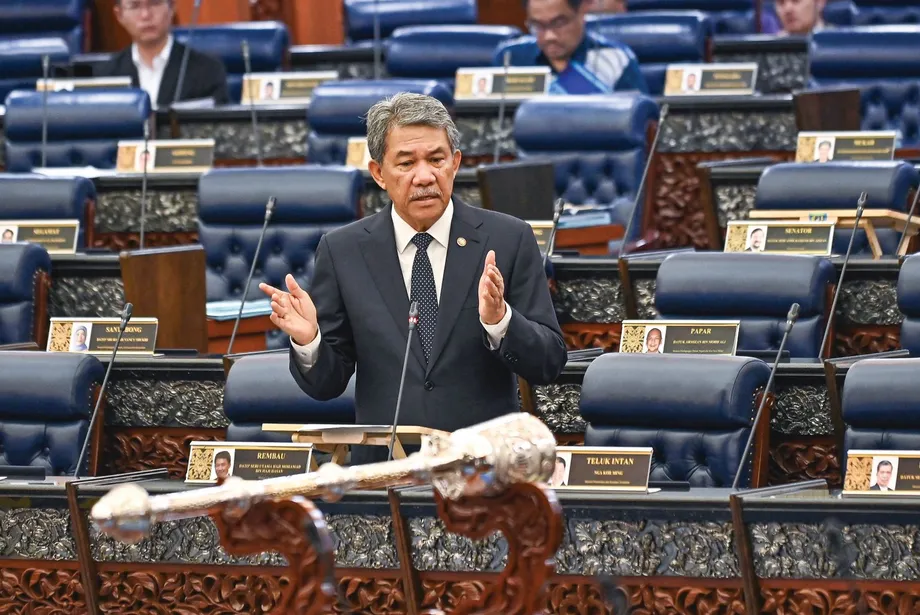
Environment Minister Hanif Faisol Nurofiq presented the new requirements as safeguards governing the restart. He said the company must strengthen settling ponds, which hold muddy water so soil can settle before the water reaches streams or lagoons. Additional basins must be able to handle heavy rainfall.
Hanif also required an air quality monitoring station to measure dust. Ministries are to tighten checks on erosion control and the boundaries within which mining is permitted. Explaining the obligations and the prospect of sanctions, he said:
We have required PT Gag Nikel to comply with strict environmental provisions so its activities do not harm Raja Ampat. The company must prevent runoff, control emissions and meet monitoring duties. We will take stern action if these obligations are violated.
Energy officials said Gag Nikel also has a production quota and must submit detailed work plans, reclamation commitments and environmental reports. Reclamation means repairing land disturbed by mining, including restoring slopes and vegetation.
What residents and the company survey describe
Gag Nikel's 2024 survey interviewed island residents and company employees. About two thirds of respondents said operations had polluted the environment, while 44 percent reported health problems they linked to dust and erosion. Their complaints included grit collecting on roofs and floors, coughing, irritated eyes and streams turning brown after rain.
Fishing families described sediment plumes close to shore after downpours. They said nets came up empty in coves that had previously held plentiful reef fish, forcing small boats farther offshore. Longer journeys increase fuel costs, placing extra pressure on families when fuel is expensive.
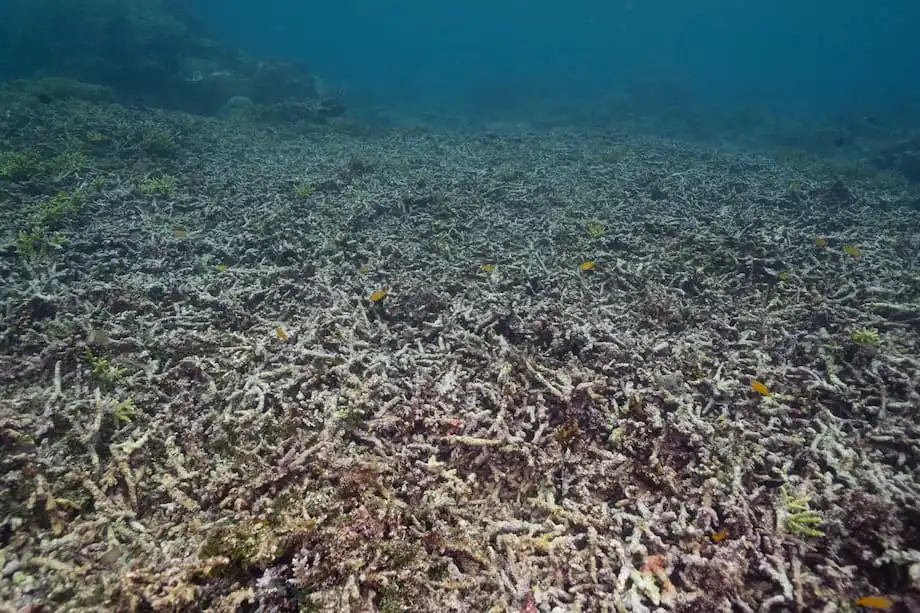
Several residents also pointed to scoured reef flats where barges and small tugs move nickel ore to larger ships. Their accounts described coral heads breaking under anchors and the force of water pushed by propellers, while vessel noise drove fish away.
Environmental groups argue that the reopening came without transparent data showing reef condition, water quality or the amount of sediment entering coastal waters. They say no independent team has been mandated to establish measurements at fixed locations over time and publish results in a form the public can follow.
Why soil and shipping threaten the reefs
Corals are living animals made up of tiny organisms called polyps. When mining sediment settles over them, the polyps can suffocate. Particles suspended in the water also block sunlight needed by the algae that live with corals and help feed them through photosynthesis. Reduced light slows coral growth and weakens their ability to cope with heat stress.
Forest clearing increases the amount of soil exposed to rain. Auriga Nusantara reported that land used for nickel pits in Raja Ampat expanded by about 494 hectares between 2020 and 2024, with faster growth than in the preceding five years. Global Witness recorded an increase of about 500 hectares across multiple islands over the same period.
Forest loss and unstable slopes also increase the risk of floods and landslides, problems documented in other mining regions. On small islands, disturbed hillsides and coastal waters are closely connected because rainfall can carry loose earth from exposed land toward the sea.
Barges and tugs create additional pressure. Vessels moving close to shore can damage shallow coral pavements and seagrass meadows. Water driven by propellers lifts settled sediment back into the water, while repeated anchoring can crush reef structures that took decades to form. In narrow channels, vessel wakes can erode mangrove edges that protect shorelines and provide nursery habitats.
The dispute over mining on small islands
Indonesia's 2014 coastal and small islands law restricts extractive activity on small islands to protect fragile environments and coastal communities. In March 2024, the Constitutional Court underlined the need for special protection from industries carrying high risks, including mining.
Government officials maintain that Gag Nikel has valid approvals and operates outside the geopark boundary. Critics argue that the small islands law should still apply. They also point to the cancellation of four other licences in the region as a sign that violations extended beyond a single operation.
Raja Ampat's local governments have limited authority over mining permits because those permits are issued by the central government. Civil society groups warn that court challenges can restore cancelled licences when monitoring is weak. They continue to seek permanent zones where mining cannot take place across the archipelago.
Energy Minister Bahlil Lahadalia said the four other licences were revoked to protect the environment. He ordered monitoring of Gag Nikel's plans, including its environmental impact assessment and reclamation commitments. Lawmakers have questioned whether mining should continue in a regency described as 97 percent conservation land and promoted as a flagship destination for ecotourism.
Nickel demand reaches beyond electric vehicles
Indonesia now produces more than half of the world's mined nickel. A ban on exports of raw ore and investment in processing plants have helped expand its role in the industry. Gag Nikel's ore is shipped to the Weda Bay industrial park in North Maluku, a centre for processing materials used in stainless steel and some batteries.
Industrial parks such as Weda Bay turn ore into nickel pig iron, ferronickel and materials with higher nickel content. These products supply steel mills and manufacturers using certain electric vehicle battery chemistries. Smelters often rely on dedicated power plants burning coal, adding to the carbon cost of processing.
Electric vehicle batteries use different chemical recipes. Many popular models use chemistries rich in nickel, including NMC and NCMA, to extend driving range. Other vehicles use lithium iron phosphate batteries, which require no nickel.
Most mined nickel still goes into stainless steel. Pressure on places such as Raja Ampat therefore comes from more than the move toward electric vehicles, and environmental controls matter across the metal's uses.
Erdmann and other conservation scientists describe the nickel dilemma as real. Their position is that resolving it requires strict limits on where mining can take place and how those limits are enforced.
Fishing income and tourism face the same risks
Raja Ampat received about 19,800 visitors in 2023, more than three times its 2022 total as travel resumed. Divers are drawn by clear water, manta rays, reef sharks and colourful coral gardens. Cloudy water or damaged reefs would weaken the attractions on which tourism businesses depend.
Local families also rely on reef fish, octopus and shells for daily meals and market sales. Sediment and damage to habitats can affect both fishing and tourism, leaving communities exposed through two important sources of income.
Ronisel Mambrasar, a youth representative from Raja Ampat, voiced those concerns at a Jakarta protest involving Papuan students and community members. He said:
Nickel mining threatens our sea, our livelihoods and the harmony of our community.
Mambrasar and other young Papuans argue that mineral development should respect the right to clean water, healthy reefs and dignified work. Their concern extends beyond the condition of individual mining sites to the future of the surrounding sea and the communities that use it.
Government assurances meet calls to cancel the permit
Antam has acknowledged that operations need improvement. The company says Gag Nikel has replanted cleared areas, supported coral conservation and complied with environmental permits. Officials say the green PROPER rating reflects performance in the Environment Ministry's annual assessment of corporate environmental management and community programmes.
Agencies have promised closer checks on sediment controls, emissions and reclamation. Environmental groups argue that the rating does not reflect the conditions described locally and want permission to mine withdrawn.
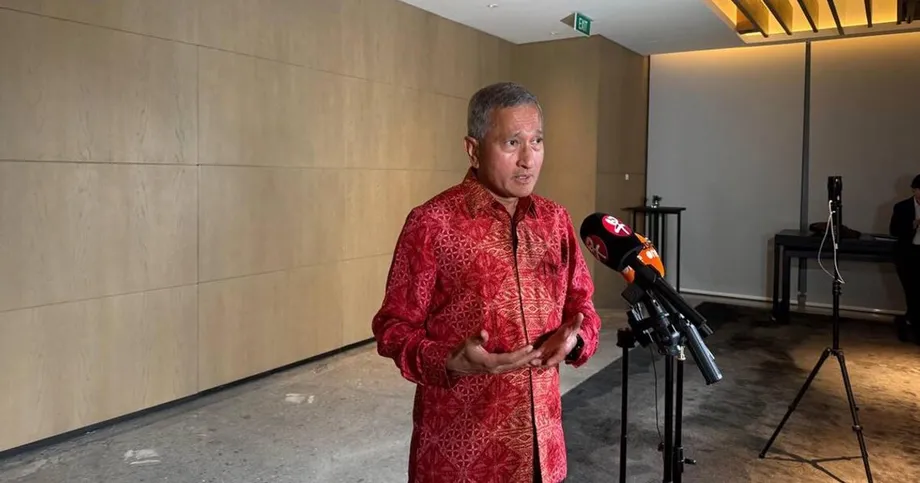
Arie Rompas of Greenpeace Indonesia called the reinstatement a mistake and accused authorities of putting revenue ahead of environmental protection and community rights. He said:
Granting a mining permit in this area prioritizes short term profit over the protection of nature and people's rights. No amount of nickel is worth destroying Raja Ampat.
Campaigners are seeking cancellation of Gag Nikel's permit and a halt to all nickel projects in Sorong and Raja Ampat. The Greenpeace petition, signed by more than 60,000 people, forms part of that campaign.
What public oversight would require
A proposed independent monitoring approach would begin with public baseline measurements, giving communities and regulators a record against which later changes could be checked. Indonesian universities and local researchers could measure coral cover and fish biomass at fixed locations near the mine and at comparison reefs. Fish biomass measures the amount of fish living in a surveyed area.
River monitoring stations could record turbidity, dissolved metals and suspended solids during wet and dry seasons. Turbidity describes how cloudy water is, while suspended solids are particles carried in it. Underwater surveys, sensors in rivers and bays, and satellite analysis could together track disturbed soil and sediment plumes.
Results published online close to the time of collection would allow communities and investors to follow changes. Satellites can detect new clearings and soil movement at intervals approaching a week, while vessel tracking could identify barges entering shallow reef areas.
Community monitoring could train residents to collect water samples, photograph reef sites and report problems with support from independent auditors. Such work would also need to respect the free, prior and informed consent of Indigenous communities and protect sacred sites. That means communities should be able to make decisions freely, before activities proceed, with the information needed to understand them.
The government's existing requirements for settling ponds and air monitoring are only part of the proposed oversight framework. Agencies would also need authority and resources to stop work after major sediment events, impose fines or suspend shipments when limits are exceeded. Reclamation would need to follow the land's contours and restore native forest vegetation rather than rely on plantations of a single fast growing species.
A transparent process for complaints would give residents a way to seek action. As of 14 September 2025, independent monitoring remained a demand from campaigners, while the government's stated approach was continued operation under tighter conditions and the threat of sanctions for breaches.
Key Points
- PT Gag Nikel resumed nickel mining on Gag Island on 3 September 2025 after a suspension imposed in June.
- The government retained its permit while revoking four other nickel licences in and around Raja Ampat.
- Officials cited valid approvals and a green PROPER rating, while requiring stronger sediment controls and air monitoring.
- A 2024 company commissioned survey found that about two thirds of respondents perceived pollution and 44 percent linked mining to health problems.
- Raja Ampat supports around three quarters of the world's coral species and includes nine marine protected areas covering nearly two million hectares.
- Mining expansion, sediment runoff and ore vessels pose risks to reefs, fisheries, mangroves and tourism.
- Indonesia's 2014 small islands law and a March 2024 Constitutional Court ruling are central to objections to continued mining.
- Campaigners seek permit cancellation, independent public monitoring, permanent areas closed to mining and protection for Indigenous rights.