A Market Worth RMB 137.4 Billion Faces a Value Test
China's ice cream market reached RMB 137.4 billion, about USD 19.16 billion, in revenue in 2024. Yet the country that has been the world's largest ice cream market since 2014 is experiencing two changes at once: demand for elaborate, premium desserts and renewed enthusiasm for treats costing around RMB 5, less than USD 1.
Contents
- A Market Worth RMB 137.4 Billion Faces a Value Test
- Young Buyers Want Something Worth Sharing
- What Premium Brands Are Asking Customers to Pay For
- Why the RMB 5 Treat Returned
- Mixue Turns Small Purchases Into a Large Business
- Health Claims Put Ingredients Under Scrutiny
- Factories Adapt to More Flavors and Formats
- Cultural Souvenirs Become Edible
- Competition Rewards More Than a Premium Label
- Key Points
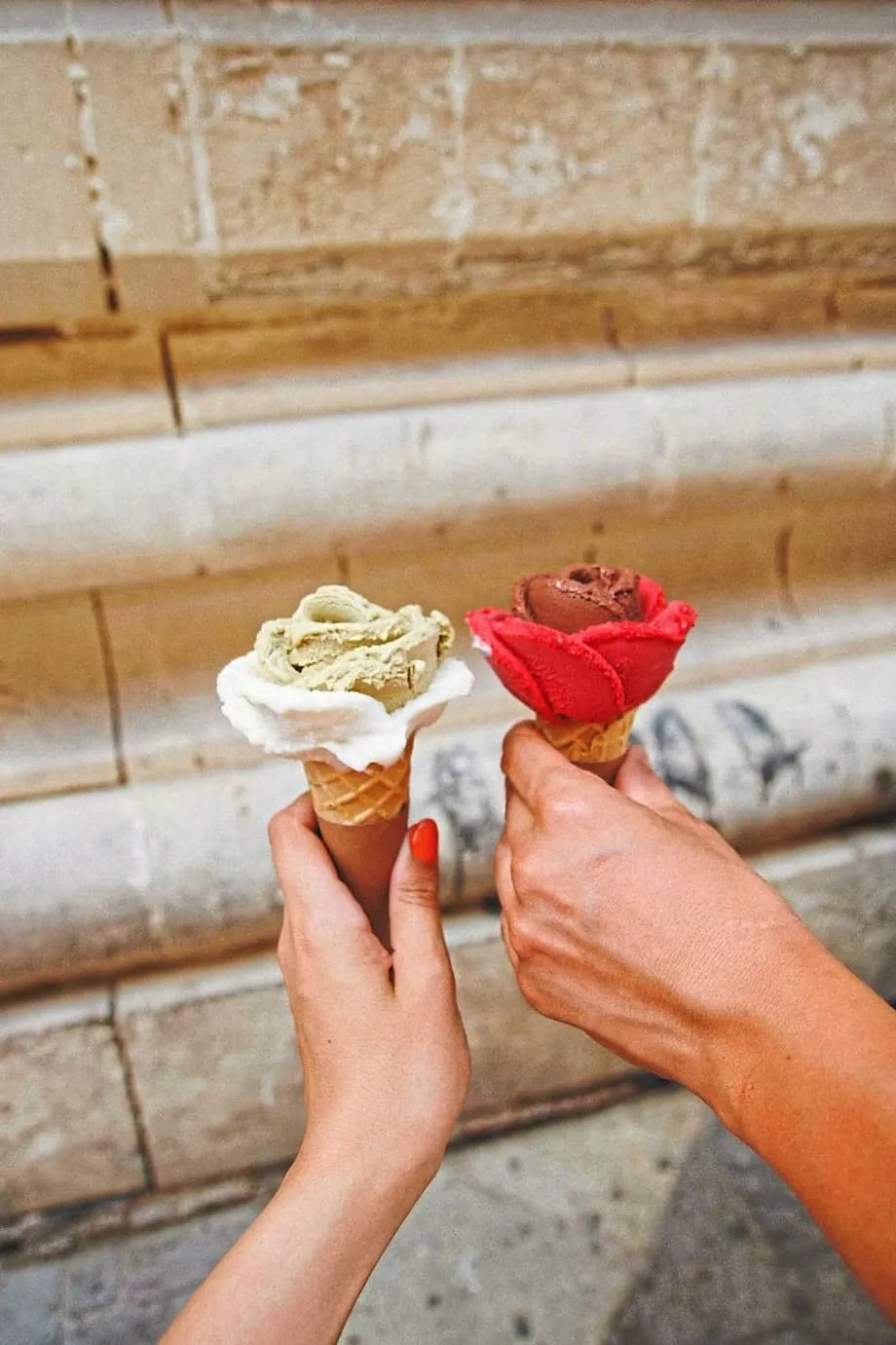
Young consumers are buying ice creams shaped like flowers, fruit and cultural artifacts, then sharing photographs on Xiaohongshu, also known as Rednote. At the same time, shoppers are questioning expensive products that look impressive but fall short on taste or ingredients. Ice cream has become both a small everyday pleasure and a purchase people assess carefully.
The market is projected to reach RMB 237.1 billion, about USD 33.03 billion, by 2033. That would be RMB 99.7 billion more than its 2024 value, an increase of roughly 73%. The projection points to substantial room for growth, while the return of cheaper products shows that growth can take different forms.
Premium brands, inexpensive chains, dairy producers and small craft businesses are competing for customers whose expectations extend beyond a cold dessert. Price, health, appearance, cultural meaning and the pleasure of sharing an experience all influence the choice.
China's transformation has unfolded across several stages:
- 2014: China became the world's largest ice cream market.
- 2019: Romanlin Ice Cream was founded, later expanding in China and Malaysia.
- 2024: Market revenue reached RMB 137.4 billion as affordable products around RMB 5 regained attention.
- 2033: The market is projected to reach RMB 237.1 billion.
Young Buyers Want Something Worth Sharing
Pan Yang, 17, is among the young consumers attracted to visually striking ice creams. Matcha treats decorated with petals and cones shaped like flowers or fruit turn a familiar snack into something customers can admire, photograph and share.
Xiaohongshu gives these purchases an audience beyond the people standing at an ice cream counter. Users post photographs and reviews of new flavors and designs, making appearance part of the experience. An ice cream can become a way to express personal taste and connect with friends.
Food industry analyst Zhu Danpeng sees the trend as reflecting a desire for emotional and spiritual satisfaction. For young buyers, the appeal can include an experience, a status symbol and a connection with culture, alongside the pleasure of eating something sweet.
Museums and tourist attractions have adapted that appetite for novelty. Some sell ice creams inspired by cultural artifacts, while others use blind boxes containing surprise flavors. Customers discover the flavor after buying, adding anticipation and a sense of collectability to the purchase.
Photographs, reviews and surprise formats help attract attention, but consumers still judge what they receive. The growing willingness to discuss both attractive designs and disappointing purchases means that the same social platforms carrying enthusiasm also carry criticism.
What Premium Brands Are Asking Customers to Pay For
Chicecream helped pioneer China's premium ice cream segment through an emphasis on quality, distinctive flavors and sophisticated branding. Its rapid rise reflected a broader change in spending as living standards and disposable incomes increased.
Consumers willing to spend more were looking for innovation, authenticity and a sense of luxury. Premium pricing turned ice cream from a basic summer refreshment into a product that could communicate taste and status.
Romanlin Ice Cream, founded in 2019, offers another example of that approach. The company expanded rapidly in China and Malaysia, with more than 30 flavors adapted to local preferences. Its range shows how premium businesses are combining variety with attention to the tastes of different markets.
Romanlin chairman Ma Zhichao stresses the use of premium ingredients and advanced equipment to produce rich flavors with less sugar and fat. The aim is to serve customers who want a satisfying dessert while paying closer attention to what they eat.
Brand expert Zhan Junhao says consumers are increasingly prepared to pay for quality and creativity, provided the product delivers what it promises. A 23-year-old consumer surnamed Dong expresses that condition plainly: she is willing to pay more for top quality ingredients, but not for a poor product.
Premium businesses therefore face a practical test. A distinctive shape or polished brand may draw a customer's attention, while ingredients, flavor and satisfaction determine whether the price feels worthwhile.
Why the RMB 5 Treat Returned
Affordable ice cream regained momentum in 2024, bringing back what consumers described as the 5-yuan era. The phrase refers to products priced around RMB 5, a level that makes an occasional treat easier to fit into everyday spending.
Social media discussions combined nostalgia for familiar, cheaper ice creams with skepticism about expensive products whose appearance outshone their substance. Buyers were pushing back against paying a premium simply because a product was fashionable or attractively packaged.
Economic uncertainty contributed to this more selective approach. Consumers were weighing value, taste and health more carefully, making room for occasional special purchases while remaining attentive to price.
The decline in enthusiasm for expensive ice creams reflected a market returning to a more measured balance. Creative products remained popular at museums and tourist sites, but customers expected genuine quality and satisfaction alongside the cultural design.
Premium and affordable ice creams consequently coexist. A shopper can enjoy a culturally themed dessert during a trip and choose an inexpensive familiar product on another day. The common demand is a purchase that feels worth its cost.
Mixue Turns Small Purchases Into a Large Business
Mixue illustrates the scale available to businesses selling affordable indulgences. The Chinese bubble tea and ice cream brand has more than 45,000 outlets globally and has become the largest fast food and drink chain by store count, surpassing McDonald's and Starbucks.
Low prices are central to its appeal. Its products are often priced 20% below competitors, helping the chain attract customers seeking a small pleasure they can buy repeatedly.
Social media has helped popularize little treat culture, the habit of finding enjoyment in modest purchases such as ice cream or bubble tea. These purchases offer an accessible moment of comfort without requiring the commitment of a much larger expense.
Economic uncertainty, property sector difficulties and regulatory crackdowns form part of the backdrop to that behavior. As households become more cautious about major purchases and expensive luxury goods, small indulgences can offer a manageable sense of pleasure and control.
Artisanal food and drink sellers also see an opportunity in this preference. Their potential customers may be cautious about spending while still wanting something enjoyable. Price and satisfaction matter together, whether the purchase comes from a vast chain or a small specialist business.
Health Claims Put Ingredients Under Scrutiny
Chinese consumers are increasingly reading ingredient lists and seeking products with less sugar, lower fat, natural ingredients or alternatives to dairy. Rising living standards have brought greater attention to health alongside interest in new flavors and formats.
A 2024 survey by iiMedia Research found that nearly half of respondents prioritized taste when choosing ice cream. Substantial numbers also considered health, low fat content and transparency about ingredients. Flavor remained central, while other purchase criteria were gaining attention.
Domestic names including Mengniu, Bright Youbei and Yili Xujinhuan have responded with healthier subbrands and products made from natural ingredients. Their efforts address shoppers who want more choice about the contents of a dessert.
Doctors also share and recommend sugar free and low calorie ice creams on social media, reaching consumers who are watching their diets. Miniature portions and fruit flavors made with real ingredients have gained demand as part of the same interest in more mindful eating.
Romanlin's focus on rich flavor with less sugar and fat fits this wider shift. Across the market, producers are trying to meet several expectations in the same product: enjoyable taste, appealing presentation and ingredients that customers feel comfortable choosing.
Factories Adapt to More Flavors and Formats
Manufacturers are investing in advanced processing equipment as specialty and premium ice creams become more varied. Flexible, automated machinery allows producers to make products with less fat, vegan recipes and organic varieties more efficiently.
Automation means machines carry out production steps with less direct manual work. Flexible equipment can accommodate different recipes and formats, giving producers more room to respond when consumer preferences change.
Smart factories use computerized controls and sensors to improve hygiene and efficiency. Food safety regulations are also encouraging the adoption of stainless steel systems and traceability technology, which helps businesses follow products through production and handling.
Craft and local producers have different equipment needs from large factories. Compact machines with partial automation allow them to make smaller batches and experiment with flavors and designs without relying on the same scale of production.
Equipment manufacturers Tetra Pak and CARPIGIANI are developing freezing systems driven by artificial intelligence and pasteurization processes designed to use energy efficiently. Pasteurization is a heat treatment used to make food safer. These investments support the practical work behind increasingly varied products, from changes in ingredients to more elaborate forms.
Cultural Souvenirs Become Edible
Tourist attractions and museums have turned ice cream into a souvenir that visitors can eat. Products shaped like pandas, ancient artifacts and famous buildings connect a snack with the place where it was bought.
Companies are also drawing on traditional Chinese culture, landmarks and festivals. A familiar design can give a product meaning beyond its flavor, helping visitors connect a purchase with a memory of a trip or an interest in local heritage.
Xiaohongshu and other social platforms extend that experience through photographs and reviews. Customers share the design as well as their response to the taste, allowing a product associated with one location to attract attention elsewhere.
The influence has reached Edinburgh, Scotland, where two university graduates launched Coolab. Their business creates ice creams in three dimensional forms inspired by Chinese designs, with the aim of introducing artistic, edible souvenirs to the Scottish market.
Coolab's approach shows how the idea can travel: an ice cream can represent a place or object as well as provide refreshment. The attraction combines design, memory and the pleasure of sharing something unusual.
Competition Rewards More Than a Premium Label
Domestic dairy groups Yili and Mengniu hold substantial shares of China's ice cream market. Foreign brands including Häagen-Dazs and Nestlé remain popular in major cities, maintaining premium positions despite higher prices.
Some American and other Western brands have struggled to adapt to Chinese preferences. Products and marketing that fail to reflect local tastes can have difficulty competing in a market where consumers expect variety, cultural relevance and frequent experimentation.
Businesses face several demands at once. Some shoppers want an affordable daily treat, others will pay for superior ingredients, and tourists may choose a recognizable cultural design. Health preferences add another layer, including interest in smaller portions, less sugar and alternatives to dairy.
China's ice cream boom is consequently broader than a shift toward luxury. Premium products, affordable chains, cultural souvenirs and health focused recipes all have customers. The competitive challenge is to balance quality, creativity and price while adapting to changing expectations.
The market's projected expansion to 2033 leaves room for different approaches. The return of the RMB 5 treat makes the immediate lesson concrete: consumers still want enjoyment, but they are increasingly deliberate about how much they pay and what they receive.
Key Points
- China has been the world's largest ice cream market since 2014, with revenue reaching RMB 137.4 billion in 2024.
- The market is projected to reach RMB 237.1 billion by 2033, roughly 73% above its 2024 value.
- Young consumers are driving interest in artistic designs, cultural souvenirs and products shared on Xiaohongshu.
- Premium brands face stronger demands for quality as ice creams around RMB 5 regain popularity.
- Mixue has more than 45,000 outlets globally, illustrating the scale of demand for affordable treats.
- Interest in health and ingredient transparency is encouraging new recipes, smaller portions and production investment.
- Competition spans domestic dairy groups, foreign premium brands, large chains and craft producers.