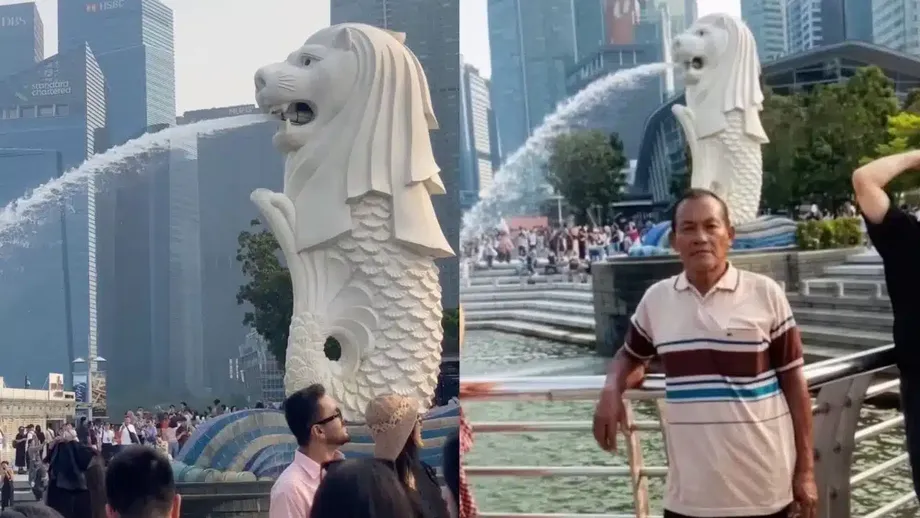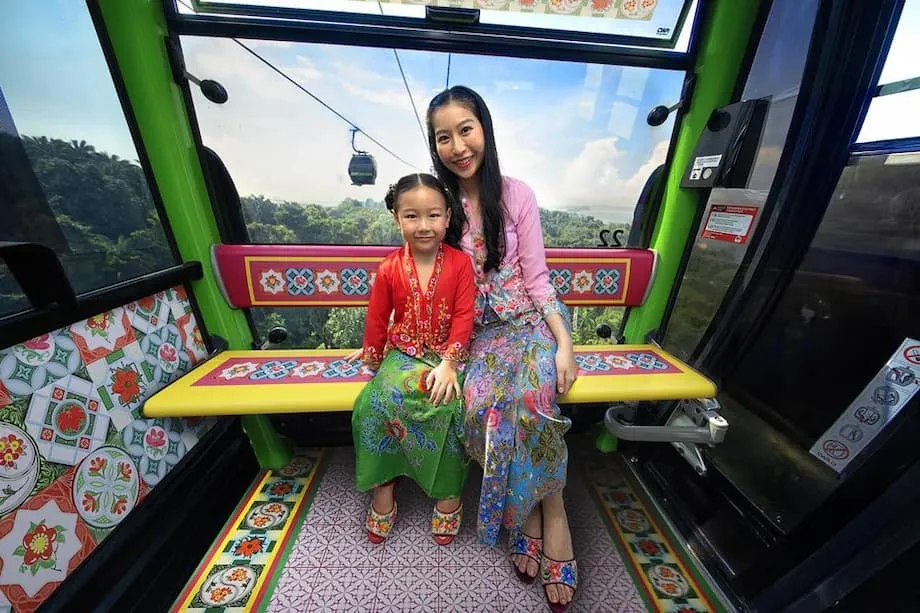
New Attractions Bring a Bigger Question About Access
Rainforest Wild Asia, the Singapore Oceanarium and Minion Land at Universal Studios Singapore are helping reshape Singapore's tourism landscape in 2025. Billions are being invested in new experiences, while Marina Bay Sands and Resorts World Sentosa are upgrading and expanding. For residents, the growing choice comes with a practical question: how much can a family afford to spend on a day out?
Contents
- New Attractions Bring a Bigger Question About Access
- What Quality Tourism Means for Singapore
- How the Costs Compare Across the Region
- Vouchers Helped Before, but SG60 Has a Different Purpose
- Local Discounts Exist, but Residents Need to Find Them
- A Community Visit Shows What Support Can Provide
- Can Premium Experiences and Affordable Access Coexist?
- Where a Singapore Outing Can Cost Less
- Affordability Is Also Shaping Travel Beyond Singapore
- The Bottom Line
Singapore's tourism ambitions centre on attracting visitors who spend more, rather than simply bringing in larger crowds. The Singapore Tourism Board (STB) describes the goal as delivering "exceptional, world-class experiences." The city already draws international visitors with its skyline, efficient infrastructure and major attractions, but some Singaporeans feel that enjoying those attractions is becoming harder on their household budgets.
Homemaker Esther Lim said her last visit to a local attraction was before the COVID-19 pandemic. Explaining why a family outing involves more than admission, she said:
It's not just the ticket prices,
By the time you add transport, food, and maybe a souvenir for the kids, it's a lot.
Surveys and accounts from residents indicate that many Singaporeans have not visited major attractions in recent years, with affordability among the reasons. A family can face a sightseeing bill of more than S$100 in a day, particularly when visiting several attractions. For parents with young children and people accompanying seniors, the combined cost of tickets, meals and transport can make even an occasional outing difficult to justify.
Singapore's diamond jubilee celebrations have brought new promotions and SG60 vouchers. Yet those vouchers are for daily expenses, not attraction tickets. The debate is therefore about more than whether Singapore can build impressive destinations. It is also about whether residents can regularly enjoy the places that help define their country.
What Quality Tourism Means for Singapore
STB has pursued its quality tourism strategy since 2013, shifting attention from the number of visitors to the value tourism creates. In simple terms, the aim is to attract travellers who spend more on distinctive experiences, including luxury hotels, restaurants run by celebrity chefs and major attractions.
Singapore remains a leading choice for international travellers, especially those from China, Australia and the surrounding region. Its continued investment in attractions and integrated resorts supports that position, giving visitors more reasons to come and more experiences on which to spend.
Residents also benefit from tourism through jobs, cultural exchange and a livelier city. Surveys show that most Singaporeans believe tourism improves the country's quality of life. Tourism authorities argue that high standards and accessibility can exist together, pointing to efforts to innovate, broaden the range of experiences and ensure that locals share in tourism's economic and social benefits.
Premium experiences, however, can be difficult to fit into a modest leisure budget. A strategy built around visitors willing to spend more risks leaving residents and travellers who are sensitive to prices feeling excluded. International rankings and travel guides regularly place Singapore among the world's most expensive cities, reinforcing that concern.
How the Costs Compare Across the Region
Singapore ranks highly in Asia-Pacific for tourism infrastructure and service quality, but performs poorly on price competitiveness. A comparative study by travel platform Omio placed it as the most expensive of Southeast Asia's five leading backpacker destinations, with hostel beds averaging £51 a night, far above those in Vietnam, Indonesia and Thailand.
Vietnam leads regional rankings for budget friendliness. Hostel beds can cost as little as VND30,000, about US$1.20, and meals can cost less than US$2. In Singapore, the cheapest dormitory beds start at S$30 to S$40 a night, while attraction tickets can range from S$20 to S$50 per person.
Singapore offers extended stays without a visa and transport that is easy to navigate. Travellers also describe its public transport as affordable and its hawker centres as places to find inexpensive, tasty meals. Paid attractions are where a sightseeing budget can quickly grow, particularly for a family buying several tickets.
Vietnam, Indonesia, Thailand and Malaysia are frequently cited as affordable alternatives. As Singapore's travel costs rise, more residents are choosing short trips to Malaysia, Thailand or the Philippines, where their money can stretch further. Regional travel agencies report increased demand for group tours to these destinations, especially during busy periods when hotel and attraction prices in Singapore rise.
For a household deciding how to use its leisure budget, the choice can therefore extend beyond which local attraction to visit. A short overseas break may compete with spending the same money at home, even while Singapore continues to offer the convenience of a local outing.
Vouchers Helped Before, but SG60 Has a Different Purpose
During the pandemic, the government issued SingapoRediscovers vouchers to encourage domestic tourism. Residents used them widely for attraction tickets, helping families return to local destinations at a time when tourism needed support.
In 2025, the government introduced SG60 vouchers as part of Singapore's diamond jubilee year. These can be used for daily expenses but not for attraction admission, prompting calls to make their use more flexible.
For families, the difference is straightforward. SingapoRediscovers vouchers could directly reduce the cost of visiting an attraction. SG60 vouchers help with everyday spending, while families still need to find money for tickets separately.
The developments behind the debate span several years:
- 2013: STB began pursuing a quality tourism strategy focused on value creation rather than visitor numbers alone.
- During the COVID-19 pandemic: SingapoRediscovers vouchers encouraged domestic tourism and were widely used for attraction tickets.
- 2025: Singapore's diamond jubilee brought SG60 vouchers for daily expenses, alongside calls to allow their use for attractions.
Industry experts and community leaders have suggested allowing SG60 vouchers to cover attraction tickets, at least during school holidays. That is a proposal within the affordability debate; the stated use of the vouchers remains daily expenses.
Local Discounts Exist, but Residents Need to Find Them
Attractions have introduced several ways for residents to pay less, including discounted season passes, promotions offering two admissions for the price of one, special rates for children and seniors, and bundles for community groups. Some venues also give Singaporeans preferential prices.
Mandai Wildlife Reserve's SG60 promotion provides discounted entry for seniors. Universal Studios Singapore has introduced season passes at reduced rates for locals, while the ArtScience Museum and other venues offer preferential pricing for Singaporeans and permanent residents.
Season passes can make repeated visits more affordable by spreading their cost across several outings. Special rates and group bundles can lower the price of an individual visit. Their usefulness depends on whether residents know about them and can find an option that fits the outing they want to make.
Awareness remains a problem. Many residents do not know about current promotions, and some deals receive limited publicity. Experts have suggested clearer public information and more support directed at families with lower incomes, including group purchases, corporate sponsorship and wider community outreach.
Discounts also address only part of the bill Esther Lim described. Food, transport and any souvenirs remain part of a family's spending, even when admission is cheaper. For some households, regular attraction visits still feel like a luxury rather than a routine family activity.
A Community Visit Shows What Support Can Provide
More than 120 families with fewer resources recently visited Rainforest Wild Asia through a collaboration involving the Chinese Development Assistance Council (CDAC), the Singapore Chinese Chamber of Commerce & Industry (SCCCI), and Mandai Wildlife Group. The outing included fun packs and family vouchers.
The initiative is part of a wider effort by attractions to provide free or subsidised access for vulnerable groups. These programmes include seniors, families with lower incomes and people with disabilities, allowing residents who might otherwise miss out to take part.
A volunteer involved in the community effort described the purpose as sharing the benefits of Singapore's development:
We must continue to support one another, so that everyone can share in our nation's progress.
Such visits give families a concrete opportunity to enjoy an attraction together. They also show how community organisations and attraction operators can combine their resources to make access possible.
Broader affordability remains an issue alongside these programmes. A sponsored day out helps the families attending it, while the cost of arranging regular visits continues to shape how other residents use Singapore's attractions.
Can Premium Experiences and Affordable Access Coexist?
Singapore's tourism authorities maintain that quality and accessibility can go together. Industry experts describe the task as balancing experiences that strengthen the country's international appeal with affordable options and community involvement that help residents feel included.
Major attractions and luxury experiences support Singapore's ability to compete for international visitors. Affordable activities and access programmes serve a different, equally practical purpose: they give more residents opportunities to spend time together in the places tourism investment creates.
Experts and community leaders have proposed several measures:
- Allow SG60 vouchers to pay for attraction tickets, at least during school holidays.
- Publicise local discounts and promotions more widely.
- Work with companies to sponsor tickets for families with lower incomes.
- Create more free public events and installations connected with major attractions.
Calls for more flexible ticket prices include cheaper entry during quieter periods, family bundles and prices that change with demand. Pricing based on demand means the amount charged varies according to how busy an attraction is expected to be. The aim of these suggestions is to give residents more choices about when and how to visit.
Better publicity would help people use existing discounts. Sponsorship and community programmes would direct help towards those with fewer resources. Changes to voucher rules or ticket pricing would address the amount families need to pay. Each proposal tackles a different part of the same household calculation.
Where a Singapore Outing Can Cost Less
Singapore still offers ways to spend less on a day out. Travel experts and bloggers recommend combining free activities with careful choices about meals, transport and tickets rather than making every stop a paid attraction.
Hawker centres offer inexpensive food, including meals with Michelin recognition for less than S$5. The MRT and buses provide efficient, affordable transport, with daily costs averaging S$8. A Singapore Tourist Pass is another option for unlimited rides.
Free places and activities include the Botanic Gardens, the Gardens by the Bay light show, Sentosa's beaches, and visits to Chinatown and Little India. These give both residents and visitors ways to enjoy Singapore without paying admission at every destination.
For paid attractions, the suggested ways to reduce spending include:
- Buy tickets in advance or through a bundle when this provides a saving.
- Check resident discounts, children's rates and senior rates before booking.
- Consider a season pass when planning repeated visits.
- Avoid busy periods such as school holidays, National Day and the Formula 1 Grand Prix, when hotel and attraction prices can rise.
Planning can help keep an outing within budget, but families with young children or seniors may still find the total cost difficult. The concern is the combined amount spent during the day, rather than the price of any single ticket or meal.
Affordability Is Also Shaping Travel Beyond Singapore
Travellers around the world are paying closer attention to costs amid inflation and economic uncertainty. Inflation means that prices rise, so the same amount of money buys less. For leisure spending, that can lead people to shorten trips, choose cheaper destinations or look for discounted packages.
Chinese tourists are choosing shorter, more affordable trips during peak holidays, although Singapore remains popular despite its higher costs. Vietnam and Indonesia are promoting their value for money to attract travellers with smaller budgets.
Travel agencies and tourism boards are responding with targeted promotions, new packages and more flexible payment arrangements. In India, Mysore Sales International Limited (MSIL) has introduced affordable tourism packages with group discounts and EMI schemes, aiming to make travel accessible across income groups.
An EMI scheme allows a customer to pay in equal monthly instalments rather than paying the full amount at once. Group discounts reduce the price when people book together. These arrangements address how much a trip costs or how its payment is spread, giving travellers different ways to manage their budgets.
Singapore has its own circumstances, but these initiatives offer ideas for combining quality experiences with affordability. Its existing resident discounts, community visits and proposed pricing changes are part of a wider discussion about how tourism can reach people beyond those able to pay premium prices.
As of August 25, 2025, Singapore's growing range of attractions offers more opportunities for visitors and residents alike. The central concern for local families is whether discounts, community support and everyday savings make those opportunities affordable often enough to enjoy.
The Bottom Line
- Singapore has pursued quality tourism since 2013, focusing on value creation and visitors who spend more.
- New attractions and resort investment are expanding the tourism landscape, while residents question the cost of family outings.
- SG60 vouchers cover daily expenses, not attraction tickets, unlike the earlier SingapoRediscovers tourism support.
- Resident discounts, season passes and community programmes provide help, but awareness and access remain concerns.
- A recent community initiative brought more than 120 families with fewer resources to Rainforest Wild Asia.
- Proposals include broader voucher use, clearer promotion of discounts, sponsored tickets and more flexible prices.
- Free activities, hawker meals and public transport can reduce spending, while the combined cost of paid attractions remains a concern.