Human Remains Found as Burial Claims Face Scrutiny
Human remains have been recovered at two of 16 suspected burial sites in Dharmasthala, Karnataka, during an investigation into allegations that hundreds of people were secretly buried over nearly two decades. By August 25, 2025, the inquiry had also taken a dramatic turn: the former temple sanitation worker who made the allegations had been arrested on charges of perjury after investigators identified discrepancies in his testimony and evidence.
Contents
- Human Remains Found as Burial Claims Face Scrutiny
- What the Former Cleaner Says Happened
- How the Investigation Developed
- What Excavations Have Uncovered
- Why the Complainant Was Arrested
- Older Cases Return to Public Attention
- The Temple Administration Rejects the Claims
- Politics, Caste and the Battle Over Information
- What the Inquiry Means for Families
- Key Points
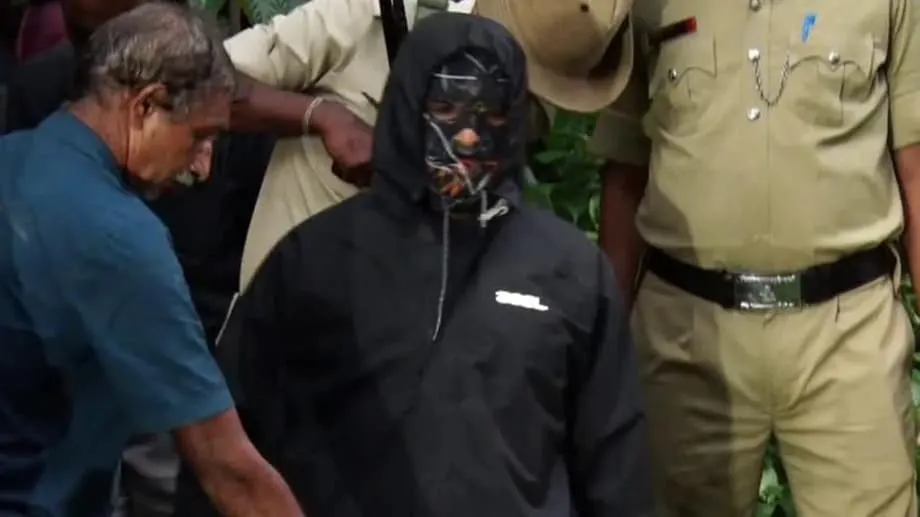
The 48-year-old Dalit man, whose identity is protected by the courts, says he was forced to bury women and girls showing signs of sexual assault and violence, as well as destitute men. He worked as a cleaner at the Manjunatha Swamy temple from 1995 to 2014 and emerged in July 2025 after spending more than a decade in hiding.
A Special Investigation Team (SIT), established by the Karnataka government on July 3, 2025, is examining the allegations. Excavations have yielded a skull and nearly 100 bone fragments. Their identities and the causes of death remained unconfirmed as of August 25, with the remains sent for forensic analysis.
Temple authorities deny the allegations. Chief administrator Veerendra Heggade has welcomed the investigation while describing the accusations as part of a long-running campaign to discredit the temple and its social work.
The case has brought national and international attention to an 800-year-old pilgrimage site that attracts thousands of devotees each day. It has also renewed demands from families seeking answers about older deaths and disappearances, including the cases of college student Padmalatha and 17-year-old Sowjanya. The immediate task for investigators is to examine the burial claims, establish what the recovered remains reveal and assess the evidence behind the allegations.
What the Former Cleaner Says Happened
The former worker's police complaint describes alleged coercion by temple supervisors throughout his employment from 1995 to 2014. He says they ordered him to dispose of hundreds of bodies and threatened to kill him if he refused. He also alleges that he was beaten when he resisted.
Women and girls made up many of the people he says he buried. According to his testimony, numerous bodies were found without clothing or undergarments, and some bore marks of strangulation or other violence. He described a teenage girl in a school uniform and a woman whose face had been burned with acid.
The worker also alleges that some corpses were burned with diesel to destroy evidence. His account extends beyond the alleged sexual violence against women and girls: he claims poor men who came to the temple town seeking alms were suffocated in rooms before their bodies were buried or burned.
More than a decade after leaving his job, the man said an unbearable burden of guilt drove him to come forward. He described years of trauma and fear, and said he wanted the bodies exhumed and the victims given proper funeral rites. In his account, those rites would bring peace to the victims' souls and ease his own guilt.
The allegations concern both how people allegedly died and what happened to their bodies afterward. Investigators are examining his descriptions of violence alongside his claims about burial locations and the disposal of remains. His identity remains protected by the courts even as his allegations and subsequent arrest have become central to the public dispute.
How the Investigation Developed
The Karnataka government's response followed public outcry and extensive attention to the allegations. The SIT was tasked with verifying the former worker's claims, identifying burial sites and gathering forensic evidence, meaning physical material that can be scientifically examined during a criminal inquiry.
The events span years of alleged wrongdoing, older criminal cases and several developments in 2025:
- 1987: Padmalatha, a college student, was murdered. Her family alleged rape and murder, and no one was convicted.
- 1995 to 2014: The former sanitation worker was employed as a cleaner at the Dharmasthala temple, the period covered by his allegations.
- 2012: The rape and murder of 17-year-old Sowjanya prompted widespread protests and demands for justice.
- 2016: Dharmasthala acquired a police station, having lacked one before that year.
- 2023: The accused in the Sowjanya case was acquitted after investigations that included a Central Bureau of Investigation inquiry.
- July 3, 2025: The Karnataka government established the SIT to investigate the burial allegations.
- July 2025: The former worker emerged after more than a decade in hiding.
- By August 25, 2025: Remains had been recovered at two suspected sites, the former worker had been arrested on perjury charges, and forensic analysis and new complaints were still being processed.
What Excavations Have Uncovered
SIT investigators excavated multiple locations identified by the former worker, including places along the banks of the Nethravathi River and remote areas covered by vegetation. Human remains were recovered at two of the 16 suspected burial sites. No remains were discovered at the other locations examined.
The recovered material included a skull and nearly 100 bone fragments, which were sent for forensic analysis. Such examination can help investigators assess human remains and pursue identification. In this case, the identities of the people and their causes of death were still unconfirmed on August 25.
Two sites out of 16 amount to one eighth of the locations identified by the former worker. That gives readers a measure of where excavations produced remains while the scientific examination continues. The work has been painstaking, with investigators searching overgrown areas and assessing material connected to events alleged to have occurred many years earlier.
Identification documents found at one burial site were traced to a man who had died of jaundice and was cremated elsewhere. That discovery created a problem for investigators assessing the reliability of the claims associated with the site: the documents led to a person whose death and cremation had a different explanation.
The inquiry therefore involves more than finding and digging suspected graves. Investigators must also check the histories of people connected to recovered objects, examine the physical remains and compare those findings with the former worker's testimony. Evidence that is scarce or degraded makes the investigation of alleged crimes from decades earlier more difficult.
Why the Complainant Was Arrested
The former worker himself produced a human skull, saying it belonged to a victim he had buried. The SIT stated that the remains were not from any spot he had identified. The discrepancy led to his arrest on charges of perjury, which concerns alleged false testimony.
His arrest changed the public debate around the investigation. A man who had presented himself as a witness to concealed crimes was now facing a criminal allegation concerning his own account. Authorities maintained that the arrest was necessary to uphold the integrity of the inquiry.
Supporters of the former worker argued that the arrest was an attempt to silence a key witness. Their response reflected the fear that his claims would be pushed aside before families received answers about the alleged burials.
The SIT's work now includes checking the former worker's evidence while continuing to handle the recovered remains and additional complaints. Those tasks have practical consequences for families: identifying a person could provide an answer about a disappearance, while establishing how that person died would be a further part of the criminal investigation.
Older Cases Return to Public Attention
Dharmasthala has faced protests and public anger over sexual violence and mysterious deaths since the 1980s. The latest allegations have revived those memories, particularly among relatives who have spent years seeking answers.
Padmalatha, a college student murdered in 1987, remains one of the most prominent cases. Her family alleged that she was raped and murdered. Her body was buried rather than cremated in the hope that preserving it would help a future investigation. Despite public pressure, no one was ever convicted.
Sowjanya's rape and murder in 2012 led to widespread protests. She was 17. Multiple investigations, including a probe by the Central Bureau of Investigation (CBI), failed to secure a conviction, and the accused was acquitted in 2023. An acquittal means the accused was found not guilty in court; the family's demand for answers continued.
Relatives of Padmalatha and Sowjanya are among those who have submitted new complaints or requests for reinvestigation to the SIT. Families of other missing people have also approached investigators. For them, the present inquiry is connected to unresolved questions about people who disappeared or died long before the former cleaner came forward.
Families of missing people and victims had previously alleged concealment and mass graves. The former worker's account brought detailed claims from someone who said he had personally disposed of bodies. Activists and legal experts have criticized earlier investigations for insufficient transparency and for being too limited in scope.
Dharmasthala's lack of a police station until 2016 has also drawn attention. Alongside the Heggade family's influence in local affairs, that history has fueled suspicions of institutional involvement or negligence. Those concerns help explain why the current investigation has reopened debate about earlier cases as well as the new allegations.
The Temple Administration Rejects the Claims
The Manjunatha Swamy temple is administered by the influential Heggade family, whose stewardship and social work have long attracted praise. The accusations have placed that reputation under intense scrutiny in a town where religious life and the temple administration carry substantial public influence.
Veerendra Heggade, the temple's chief administrator, has categorically denied the allegations, describing them as baseless and part of a long-running effort to discredit the institution. He welcomed the SIT inquiry and said the administration's records could be examined:
All records are open for scrutiny and the guilty should be punished.
Heggade also criticized the spread of misinformation on social media and expressed confidence that the investigation would vindicate the temple's reputation. His response combines a rejection of the allegations with support for an official examination of the evidence.
The temple is a Hindu pilgrimage site administered by a Jain family. That arrangement has added another dimension to the controversy, with some critics questioning the management's transparency and motives. The dispute now reaches beyond individual allegations to the relationship between a revered religious institution and the community around it.
Politics, Caste and the Battle Over Information
Opposition politicians, particularly from the Bharatiya Janata Party (BJP), have accused the Karnataka government of orchestrating a smear campaign against a prominent Hindu religious site. The government has said it intends neither to shield anyone nor to malign anyone, and that investigators will follow the evidence wherever it leads.
The political arguments have included accusations of bias, concealment and targeting a religious community. They have intensified public disagreement over an investigation already dealing with allegations of sexual violence, murder and the disposal of bodies.
The former worker's Dalit identity is another part of the case's public significance. Dalits belong to a marginalized community historically subjected to discrimination and violence. His allegations challenge powerful figures in the temple administration, bringing caste, gender, religion and local authority into the same dispute.
Social media has spread information and misinformation about the case rapidly. Authorities have warned against circulating false claims and have taken legal action against individuals accused of spreading rumors. Heggade's criticism of online misinformation reflects the temple administration's concern about damage to its reputation.
Clashes between local residents and media personnel have resulted in injuries and several arrests. A judge also issued a gag order that removed hundreds of online links about the case. The order was later lifted amid concerns about transparency and press freedom.
These developments affect how the public follows the inquiry. Families seeking answers, temple supporters and people concerned about the allegations are receiving information amid political accusations, online rumors and disputes over reporting. The lifting of the gag order became part of the wider argument about access to information.
What the Inquiry Means for Families
Families of missing and murdered people are looking to the SIT for identification, explanations and justice. Some have waited since the 1980s; others have lived with the unresolved aftermath of Sowjanya's death since 2012. Their new complaints make the present inquiry a point of hope for cases that have remained painful for years.
A relative of a victim expressed that hope in terms of identifying even a small number of the people whose remains might be found:
Even if only a few victims are identified, they deserve justice.
The investigation has brought renewed attention to the treatment of sexual violence, the accountability of religious institutions and the rights of marginalized communities. It also shows the difficulty of investigating alleged crimes concealed for decades and the fear described by a person who says he was threatened into helping dispose of bodies.
Forensic analysis is central to the next stage because the recovered remains require scientific examination. At the same time, investigators are assessing disputed testimony and processing complaints from other families. Each part of that work concerns a different question: who the dead were, how they died and whether the allegations can be supported by evidence.
As of August 25, 2025, the investigation was continuing. Its findings were being closely watched for what they would mean in Dharmasthala and for their potential to set precedents for similar cases elsewhere in India. For the families involved, the immediate concern remained concrete: learning what happened to their relatives and obtaining justice.
Key Points
- A former Dharmasthala temple cleaner alleges that he was forced to bury hundreds of bodies during his employment from 1995 to 2014.
- The Karnataka government established a Special Investigation Team on July 3, 2025.
- Human remains, including a skull and nearly 100 bone fragments, were recovered at two of 16 suspected burial sites.
- The former worker was arrested on perjury charges after discrepancies emerged in his testimony and evidence.
- Temple administrator Veerendra Heggade denies the allegations and has welcomed scrutiny of the temple's records.
- Relatives connected to the Padmalatha and Sowjanya cases have sought renewed investigation.
- Political disputes, clashes involving media personnel and an online gag order that was later lifted have added to the controversy.
- Forensic analysis and new complaints remained under examination as of August 25, 2025.