A Different Life Takes Shape in Mokpo
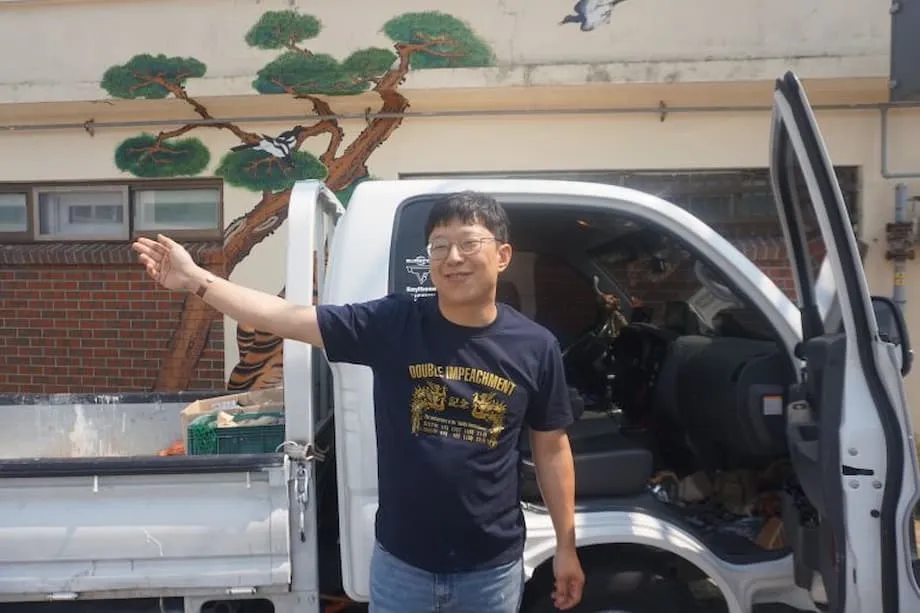
Kim Ji-ung left Seoul after long working hours, life alone in a tiny apartment and the sudden death of a friend made him reconsider how he wanted to live. In Mokpo, he joined Don't Worry Village, a community intended to give young people something they struggled to find in the capital: a sense of belonging.
Contents
- A Different Life Takes Shape in Mokpo
- What Made Kim Reconsider Seoul?
- Housing, Work and the Pressure to Keep Up
- How Don't Worry Village Works
- Why a Visit Does Not Always Become a Move
- How Governments Are Responding
- Regional Decline Changes What Towns Will Welcome
- Low Birth Rates Add Another Pressure
- Some Young People Look Beyond South Korea
- What Would Make Life Outside Seoul Sustainable?
- Key Points
Kim now runs his own maintenance business. His move connects two pressures facing South Korea: young adults seeking relief from expensive, competitive city life, and smaller communities trying to attract residents as their populations shrink.
The capital and its surrounding metropolitan area contain more than half of South Korea's population on just 12% of its land. In 2023, the population gap between metropolitan and non-metropolitan areas reached a record high. Communities such as Don't Worry Village offer an alternative, although only a small fraction of people attending youth village workshops ultimately relocate.
Seoul remains a powerful draw because of its jobs, education, infrastructure and cultural life. Yet a growing number of young South Koreans are looking beyond it for stronger relationships, more time for themselves and a life under less pressure. Some move to smaller cities or rural communities; others leave the country.
For decades, South Korea's rapid economic development rested on urbanization and a relentless work ethic. Today, the pressures associated with that model sit alongside loneliness, declining birth rates and regional depopulation. The experience of people moving to Mokpo shows both the appeal of a different way of living and the difficulty of making it last.
What Made Kim Reconsider Seoul?
Kim's daily life in Seoul combined long hours at work with isolation at home. The death of a friend became a turning point, prompting him to question whether the routine he had built was giving him a fulfilling life.
Kim Ji-ung, who later established his maintenance business in Mokpo, described his realization this way:
I realized I was just surviving, not living,
Seoul offers infrastructure of a high standard, a vibrant cultural scene and the lion's share of the country's jobs. Those advantages coexist with extremely high housing costs, a punishing work culture and social isolation. For a young person trying to build a future, access to opportunity can come with considerable financial and emotional strain.
Many young adults use the term Hell Joseon to describe a society they experience as intensely competitive and unforgiving. The expression captures the feeling of being trapped by expectations about work, success and how life should unfold.
Surveys show that households consisting of one person in Seoul report some of the country's highest levels of loneliness and social isolation. The growth of such households, alongside the weakening of traditional community structures, has left many young adults feeling alone.
Housing, Work and the Pressure to Keep Up
Housing costs are a central reason young people consider leaving. Seoul's real estate prices are among the highest in the world, putting homeownership beyond the reach of many young adults. Expensive housing also makes it harder to imagine starting a family without taking on burdensome debt.
South Korea has one of the longest workweeks among developed countries. Expectations to work overtime and put the company ahead of personal life are deeply ingrained. For people already struggling with housing costs, work can consume time that might otherwise go toward friendships, relationships or rest.
Limited social safety nets add to that pressure. High living costs, demanding employment and weak social connections can combine to make a fulfilling future in the capital feel difficult to achieve.
Young adults respond in different ways. Some seek smaller cities and rural areas, hoping for a better balance between work and personal life. Others emigrate in search of less social pressure and opportunities abroad. Their decisions reflect a mix of economic, social and psychological concerns, rather than a single reason for leaving.
How Don't Worry Village Works
Hong Dong-joo founded Don't Worry Village after also leaving Seoul in search of a better quality of life. Located in Mokpo, the community aims to build the social connections that many young people feel are missing from modern South Korean life.
Government sponsorship supports financial assistance, workshops and an environment intended to help young people relocate. Affordable housing is part of the appeal, but the project also seeks to create genuine relationships and a slower, more meaningful pace of life.
The village combines practical help with opportunities for newcomers to get to know one another:
- Workshops and training sessions help participants develop skills and adapt to rural life.
- Shared spaces provide places to socialize and collaborate.
- Mentorship and support from peers help newcomers find their footing.
- Events and activities are designed to build a sense of belonging.
Kim Ji-ung, now a business owner in Mokpo, described the change in personal terms:
Here, I feel like I belong. I have friends, a purpose, and time to enjoy life,
Other people who have made the move describe better well-being and stronger social ties. The village has also inspired similar initiatives across South Korea as more young adults look for alternatives to the pressures of city life.
Why a Visit Does Not Always Become a Move
Most jobs and much of South Korea's infrastructure remain concentrated in Seoul. Young people who enjoy a workshop or a stay in a regional community still need a reliable way to support themselves if they are to remain there.
Only a small fraction of people attending workshops in youth villages ultimately relocate. Many participants return to the city because they cannot find work or have difficulty adapting to a slower pace of life. The appeal of community has to fit alongside the practical demands of earning a living.
Kim's maintenance business illustrates one person's route toward building a life in Mokpo. Other newcomers face different employment prospects, and the concentration of education, jobs and infrastructure in the capital continues to shape their choices.
Don't Worry Village therefore serves two needs at once: helping people make social connections and supporting their transition to a new place. Sustaining that transition requires both relationships and a workable livelihood.
How Governments Are Responding
Seoul's government has introduced the Seoul Without Loneliness initiative, investing in support services and promoting youth communities. The campaign addresses the disconnection many residents experience even while living in a densely populated city.
National and local authorities are also pursuing policies intended to revitalize regional areas and support young families. Their measures include financial incentives for families moving to rural areas, housing and childcare subsidies, investment in local infrastructure and job creation, and programs that build community and social support networks.
These policies address different parts of the same problem. Housing support can reduce the cost of moving, childcare assistance can help families manage daily expenses, and local employment can make staying outside the capital more practical. Community programs focus on the relationships that help a new place feel like home.
Reversing the concentration of people in and around Seoul has nevertheless proved difficult. The metropolitan area's share of the population, more than half on 12% of the country's land, shows how unevenly residents and opportunities are distributed.
Regional Decline Changes What Towns Will Welcome
Some regional cities facing the threat of depopulation have begun welcoming facilities they once considered undesirable, including prisons, incineration plants and military bases. They hope these facilities will stabilize their populations and support local economies.
The shift is sometimes described as moving from Nimby, meaning "not in my backyard," to Yimby, meaning "yes in my backyard." In these communities, the prospect of retaining people and economic activity has changed the debate over what belongs nearby.
Two milestones show the scale and persistence of the regional population problem:
- In 2021, 89 out of 229 municipalities were designated as being at risk of disappearing.
- In 2023, the population gap between metropolitan and non-metropolitan areas reached a record high.
The 2021 designation covered about 39% of the 229 municipalities. For regional communities, attracting young residents is therefore tied to a broader struggle to maintain population and local economic life.
Low Birth Rates Add Another Pressure
South Korea's fertility rate stands at 0.78 children per woman in the figures described here, the lowest in the world and far below the 2.1 needed for population stability. A fertility rate expresses the average number of children a woman would have under prevailing birth patterns.
High living costs, job insecurity and gender inequality are major factors behind the low rate. Young adults weighing the cost of housing and the demands of employment also face questions about whether they can afford children and how parenting responsibilities would be shared.
A rapidly aging population adds to the demographic strain. With births far below the level needed for population stability, many regions face the risk of disappearing as their populations decline.
The same pressures help explain why some young people seek a different life outside Seoul. An affordable place to live matters, but so do time, employment security, fair expectations within families and dependable social support.
Some Young People Look Beyond South Korea
Young South Koreans who leave the country often seek opportunities they associate with less judgment and a better balance between work and personal life. Experiences in Korean diaspora communities, including Vancouver in Canada, show how migration can also be a search for community and identity outside South Korea's social pressures.
Youth migration across Asia takes many forms. Academic research describes people moving for education, young people in the second generation of migrant families, and children who are stateless or undocumented. Their circumstances differ, but their experiences draw attention to needs beyond employment alone.
In South Korea, migration has traditionally been viewed mainly through an economic lens, with less attention to young people's rights and well-being. Communities such as Don't Worry Village signal a greater focus on social support and quality of life.
Elsewhere in Asia, economic insecurity, environmental pressures and the search for opportunity also drive migration. In Southeast Asia, climate change and poverty push families to move, sometimes leaving children behind in vulnerable situations.
Those experiences point to the need for policies that address the causes of migration and support young people's well-being, whether they stay or leave. For young South Koreans considering Mokpo or a destination abroad, finding community can be as meaningful as finding a job.
What Would Make Life Outside Seoul Sustainable?
Financial incentives and individual community projects address parts of South Korea's demographic and social challenges. Lasting change also depends on work culture, gender equality, affordable housing and stronger social support.
Reducing working hours and protecting time outside work would give people more room for relationships and family life. It would also challenge workism, the belief that a job should take priority over family and personal fulfillment.
Greater gender equality would mean expanding women's opportunities in employment, promoting shared parenting and challenging deeply rooted patriarchal norms. Housing policies would need to make it possible for young adults to buy homes and start families without crippling debt.
France and Denmark have maintained higher fertility rates through greater gender equality and more relaxed work cultures. South Korea's experience connects the question of where young people live with the conditions under which they work, form relationships and raise children.
Stronger community networks matter in cities as well as rural areas. Seoul's loneliness campaign and Mokpo's village project approach that need from different settings: one tries to reconnect people within the capital, while the other helps newcomers establish a life elsewhere.
For Kim, the move brought friends, purpose and time to enjoy life. For the wider country, the challenge is making those conditions accessible alongside employment and housing, so that choosing a smaller community can become a sustainable decision rather than a temporary escape.
Key Points
- Young South Koreans are leaving Seoul because of housing costs, demanding work, social isolation and pressure over how to live.
- Kim Ji-ung moved to Mokpo's Don't Worry Village and now runs a maintenance business.
- Founded by Hong Dong-joo, the village combines government support, workshops, shared spaces and social connections.
- Only a small fraction of youth village workshop participants relocate, with employment and adjustment remaining challenges.
- The capital region holds more than half of South Korea's population on 12% of its land.
- In 2021, 89 of 229 municipalities were designated as being at risk of disappearing; the metropolitan population gap reached a record high in 2023.
- Government responses include loneliness services, relocation incentives, housing and childcare subsidies, and local investment.
- Work culture, gender equality, affordable housing and community support remain central to the country's demographic challenges.