Vietnam's capital takes a prominent place in the global city rankings
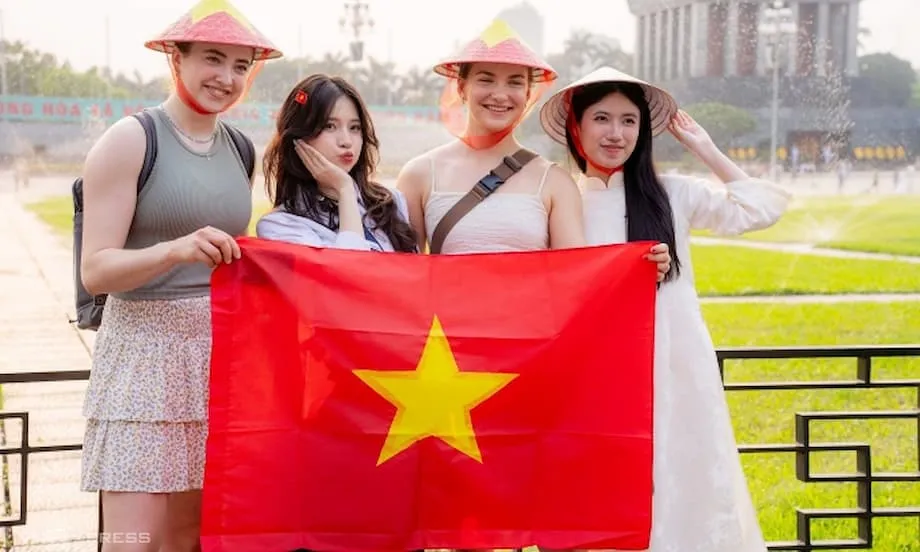
Hanoi ranked 31st in the Telegraph Travel Awards 2025, ahead of Bangkok in 40th place and Kuala Lumpur in 68th, as Vietnam's capital recorded strong growth in visitor numbers and tourism revenue. The annual survey drew on the opinions of approximately 20,000 readers to identify their favourite urban destinations around the world.
Contents
- Vietnam's capital takes a prominent place in the global city rankings
- What readers were voting for
- Why Hanoi's mix of old and new attracts visitors
- How Hanoi compares with its regional rivals
- Visitor growth brings a wider economic benefit
- Ho Chi Minh City adds a second Vietnamese destination
- Cape Town leads a varied global top 10
- Culture, green spaces and daily life shape the appeal
- What the recognition means for Vietnam
- Key Points
The result places Hanoi among a broad field of established travel destinations. Other cities behind it included Mumbai in 43rd place, Dubai in 73rd and Ho Chi Minh City in 77th. Singapore, ranked 10th, was the only Southeast Asian city in the global top 10.
Hanoi also placed 10th among cities outside Europe and the Americas. Its position brings attention to a capital whose appeal combines historic architecture, busy street life, food, lakes and contemporary cultural spaces.
The recognition comes during a period of expanding tourism activity. In the first half of 2025, Hanoi welcomed nearly 3.7 million international visitors, an increase of 22% from the same period a year earlier. Total visitors, including domestic travellers, exceeded 15.5 million.
Tourism revenue during those six months was estimated at more than VND62 trillion, approximately US$2.37 billion, up nearly 15% from a year earlier. Together, the ranking and the visitor figures put Hanoi's growing international visibility alongside a measurable increase in tourism business.
For Vietnam, having both Hanoi and Ho Chi Minh City in the rankings highlights two different urban experiences: the capital's combination of heritage and modern life, and the southern metropolis's energetic streets, architecture and shopping districts.
What readers were voting for
The Telegraph Travel Awards are annual awards organised by the UK newspaper The Telegraph. Readers vote across several travel categories, including destinations, hotels, airlines and travel experiences. The 2025 edition attracted around 20,000 participants, bringing together a range of travel preferences and experiences.
The city rankings reflect readers' choices about places they consider outstanding destinations. The assessment described for the awards covers several parts of a visit, from the appearance of a city to the practical experience of spending time there.
- Visual appeal and recognisable landmarks.
- Historical and cultural importance.
- The quality and variety of food and nightlife.
- Accessibility and infrastructure.
- The visitor experience as a whole.
Accessibility concerns how easily travellers can reach and move around a destination. Infrastructure includes the transport and other services that support their stay. These practical elements sit alongside the cultural attractions that may first persuade someone to visit.
Tourism boards, city officials and travel businesses follow the results because readers' preferences can point to destinations gaining attention and changes in travel demand. Hanoi's position gives its tourism sector another way to present the city to international audiences.
Why Hanoi's mix of old and new attracts visitors
Hanoi's appeal rests partly on the closeness of its historic and contemporary life. Temples, buildings from the colonial period, cafes and art galleries share the urban landscape, giving visitors several ways to experience the city within the same neighbourhood.
The Telegraph's assessment of Hanoi described its cultural appeal and architectural identity in these words:
Hanoi is a dynamic city ideal for those drawn to cultural richness and the fusion of tradition and modernity, especially reflected in its unique East-West architectural heritage.
The Old Quarter makes that combination visible. Temples dating back centuries and buildings from the colonial period stand alongside trendy cafes and galleries. Hanoi's lakes, boulevards lined with trees and lively markets add quieter spaces and busy public settings to the experience.
Food and street life are also central to the city's attraction. Its culinary scene sits alongside historical sites and cultural activities, allowing visitors to encounter the city through everyday meals and neighbourhood life as well as through major landmarks.
Hanoi's appeal therefore includes both the poetic qualities associated with its past and the energy of a modern metropolis. The ranking reflects growing interest in destinations where a strong local identity remains visible amid urban change.
How Hanoi compares with its regional rivals
Bangkok and Kuala Lumpur are established competitors for visitors to Southeast Asia. Hanoi's 31st place puts it ahead of both in this reader survey, while Singapore's 10th place gives the region a presence among the highest ranked cities.
The selected Asian destinations in the rankings show the range of cities competing for international attention:
- Singapore: 10th.
- Hanoi: 31st.
- Bangkok: 40th.
- Mumbai: 43rd.
- Kuala Lumpur: 68th.
- Dubai: 73rd.
- Ho Chi Minh City: 77th.
Hanoi's result strengthens its standing in a competitive regional travel market. Singapore's place in the top 10 also shows that Southeast Asia's appeal extends across cities with different identities and visitor experiences.
For Bangkok and Kuala Lumpur, Hanoi's position provides another example of the competition to attract travellers through culture, food, infrastructure and service. Continued investment and fresh approaches to the visitor experience remain part of that competition.
Visitor growth brings a wider economic benefit
Hanoi's tourism figures for the first half of 2025 show growth in both international arrivals and revenue. Nearly 3.7 million international visitors represented an increase of 22%, while total visitors exceeded 15.5 million when domestic tourism was included.
Estimated revenue of more than VND62 trillion, or approximately US$2.37 billion, rose by nearly 15%. Tourism revenue is the money generated by visitor activity, connecting the appeal of a destination with business for the services travellers use.
Several developments have supported Hanoi's growth: Vietnam's reopening after the pandemic, changes to visa rules, increased international flight connections and rising interest in Vietnamese cuisine, culture and heritage. Major events and festivals have also helped draw visitors.
Visa reforms affect the permission travellers need to enter a country, while flight connections affect how easily they can reach it. Alongside attractions within the city, these practical arrangements help shape decisions about where to travel.
Hanoi's tourism authorities have promoted its history, art and gastronomy, together with its reputation for safety and hospitality. The city is seeking to turn interest in those qualities into visits and spending across its tourism economy.
The main developments span the first half of the year and the awards result:
- First half of 2025: Hanoi received nearly 3.7 million international visitors, up 22% from a year earlier.
- First half of 2025: Total visitors exceeded 15.5 million and estimated tourism revenue passed VND62 trillion, up nearly 15%.
- By August 7, 2025: The Telegraph Travel Awards 2025 placed Hanoi 31st and Ho Chi Minh City 77th among the world's cities.
Ho Chi Minh City adds a second Vietnamese destination
Ho Chi Minh City's 77th place gives Vietnam another city in the global rankings. Formerly known as Saigon, the southern metropolis offers a different setting from Hanoi while sharing its combination of historical buildings and modern urban activity.
Motorbikes, architecture from the colonial period, skyscrapers and modern shopping centres form part of its identity. These features present a city whose appeal is closely connected to its pace and energy.
A description published by Báo Tuổi Trẻ captured that urban character:
Ho Chi Minh City is depicted as a vibrant destination defined by the roar of motorbikes, colonial-era architecture, glittering skyscrapers, and modern shopping centers—evoking its energetic urban spirit.
The inclusion of both cities draws attention to the variety within Vietnam's urban tourism. Hanoi's cultural heritage and Ho Chi Minh City's metropolitan energy give international travellers different reasons to consider the country.
Cape Town leads a varied global top 10
Cape Town, South Africa, finished first in the Telegraph Travel Awards 2025 city rankings. It has now taken the leading position seven times in the past 11 years, giving it a record of repeated success with readers.
Seville in Spain placed second, followed by Sydney in Australia. Japan secured two consecutive positions through Tokyo and Kyoto, while European and North American destinations also featured prominently.
- 1. Cape Town, South Africa.
- 2. Seville, Spain.
- 3. Sydney, Australia.
- 4. Tokyo, Japan.
- 5. Kyoto, Japan.
- 6. Copenhagen, Denmark.
- 7. Vancouver, Canada.
- 8. Venice, Italy.
- 9. Porto, Portugal.
- 10. Singapore.
Cape Town is celebrated for its scenery, Table Mountain and Atlantic coastline. Seville's appeal includes its Moorish heritage and lively tapas bars. Tokyo and Kyoto represent different expressions of Japan's modern and traditional life.
Copenhagen and Vancouver are recognised for quality of life and innovative urban design. Across the top 10, natural beauty, cultural heritage, food and lively urban settings contribute to the appeal of cities with otherwise very different identities.
Culture, green spaces and daily life shape the appeal
The 2025 rankings highlight interest in cities where tradition and modern life exist together. Destinations with strong culinary and cultural identities also stand out, placing food, architecture and local customs near the centre of the travel experience.
Accessible green spaces and sustainable tourism practices are another part of the preferences reflected in the rankings. Sustainable tourism means managing visitor activity in ways that protect the destination's environment, heritage and the everyday lives of residents.
Cities that balance tourism growth with quality of life also receive recognition. For Hanoi, its lakes, boulevards and cultural sites are part of the attraction, while preserving heritage alongside modern development remains central to its identity.
Hanoi continues to invest in protecting that heritage while embracing innovation and modernisation. Its position in the awards fits the wider interest in places where visitors can encounter a distinctive culture within a functioning contemporary city.
What the recognition means for Vietnam
Vietnamese tourism officials and industry experts have welcomed Hanoi's ranking as recognition of investment in tourism development and international marketing. Vietnam is also seeking to broaden its range of tourism experiences and attract visitors who spend more from new markets.
An unnamed tourism authority described the achievement in these terms:
This achievement reflects the hard work of our tourism sector and the enduring appeal of Hanoi as a destination that offers something for every traveler.
VnExpress and Báo Tuổi Trẻ have highlighted Hanoi's cultural richness, the economic importance of tourism and the city's role in shaping Vietnam's international image. Greater visibility can help attract travellers and investment, while encouraging improvements to infrastructure and services.
For Hanoi, managing growth means protecting the places and everyday conditions that make the city attractive. More visitors bring business opportunities, alongside a need to safeguard heritage, the environment and residents' quality of life.
Investment in infrastructure, public transport and green spaces forms part of that task. Promoting responsible tourism among visitors and residents is another element of maintaining the city as both a destination and a place to live.
Vietnam's ability to maintain and improve its standing in future rankings will depend on the visitor experience, sustainable tourism and preservation of the qualities that distinguish its cities. Hanoi's result gives the country greater visibility in a region where established destinations continue to compete for attention.
Key Points
- Hanoi ranked 31st in the Telegraph Travel Awards 2025, ahead of Bangkok at 40th and Kuala Lumpur at 68th.
- Approximately 20,000 readers participated in the annual travel awards survey.
- Hanoi placed 10th among cities outside Europe and the Americas; Singapore was the only Southeast Asian city in the global top 10.
- Hanoi received nearly 3.7 million international visitors in the first half of 2025, an increase of 22%.
- Total visitors exceeded 15.5 million, with estimated tourism revenue above VND62 trillion, approximately US$2.37 billion, up nearly 15%.
- Ho Chi Minh City ranked 77th, adding a second Vietnamese destination to the city rankings.
- Cape Town led the list, taking first place for the seventh time in 11 years.
- Hanoi's heritage, architecture, food and street life are central to its appeal, alongside the need to manage tourism growth and protect residents' quality of life.