A winter destination finds a summer audience
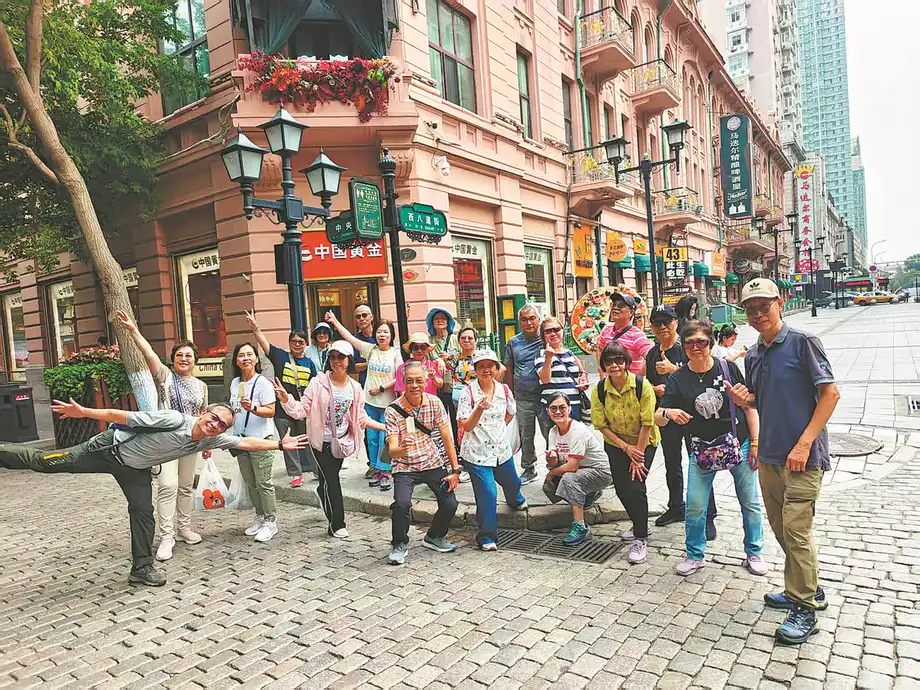
More than 1,300 holidaymakers from Southeast Asia arrived in Harbin through Harbin Orange Vacation Travel Service Co. Ltd. in June 2025, a 30% increase from a year earlier. The agency handled more than 60 organised groups from countries including Malaysia, Singapore and Indonesia, as visitors sought relief from tropical heat in a Chinese city associated with snow and ice.
Contents
- A winter destination finds a summer audience
- What the visitor figures show
- Flights and visa rules make the journey easier
- Visitors are travelling deeper into Heilongjiang
- Building a tourism economy across the seasons
- Sports and festivals broaden the appeal
- Social media brings the city to younger travellers
- Practical improvements support international visits
- Key Points
By August 7, bookings for September had already exceeded 100 groups, with more than 2,000 visitors expected. Reservations were stretching into 2026, giving tourism businesses a reason to look beyond the winter season that built Harbin's international reputation.
The attraction begins with the weather. While much of Asia faces intense heat and record temperatures, Harbin offers summer days of around 23°C. For people accustomed to tropical humidity, a holiday in China's far northeast offers a different kind of summer: cooler air, green parks and opportunities to explore outdoors.
Travellers from Singapore, Malaysia, Vietnam, Cambodia, the Philippines and Laos are among the audiences drawn to that contrast. In places where warm weather lasts throughout the year, northern China's climate can be as much of an attraction as its buildings, food or festivals.
Rachael Lim, a tourist from Malaysia, described that appeal in a social media post:
My country has summer all year round, so snow and cool weather are something we long for. Harbin fulfilled all my fantasies.
Harbin's growing summer business also reflects easier journeys, changes to visa rules and investment in tourism services. Together, these developments are helping the city turn its identity as China's Ice City into an invitation to visit in more than one season.
What the visitor figures show
Harbin Orange Vacation Travel Service's June figures provide a concrete view of demand from Southeast Asia. Its increase of 30% concerns visitors handled by that company, while its September bookings show how much business was already being arranged for the following months.
More than 60 groups travelled in June, compared with more than 100 groups booked for September. The expected September total of over 2,000 visitors also exceeds the more than 1,300 who travelled with the agency in June. Those figures give local operators a growing stream of organised business outside the main winter attractions.
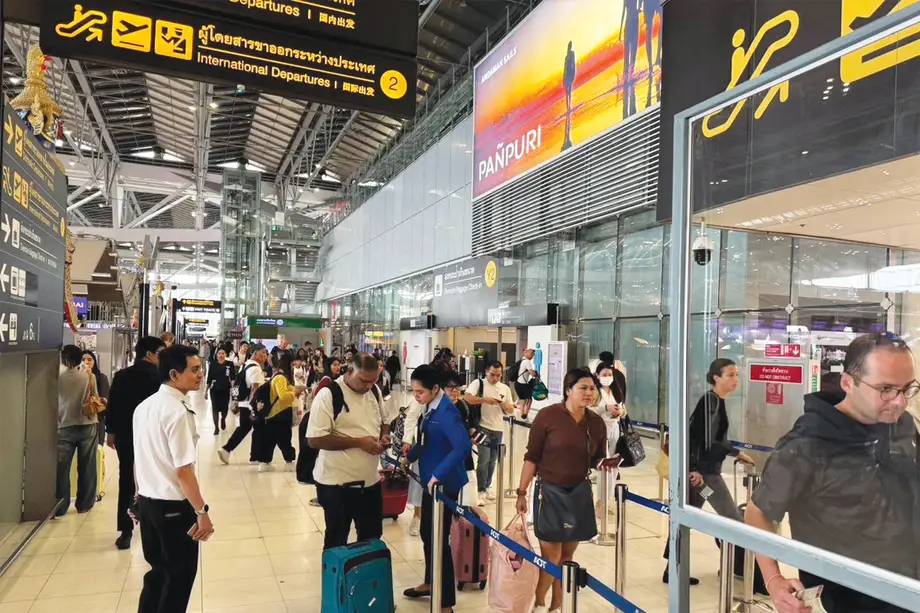
Harbin Taiping International Airport recorded 61,000 inbound and outbound passengers in July 2025, an increase of 19.3% from a year earlier. Nearly 10,000 were foreign tourists, up 15.9%. The airport figures add another measure of expanding international travel alongside the agency's bookings.
Across the city, the tourism economy was already substantial. Harbin welcomed 179 million visitors in 2024 and generated more than 231 billion yuan in tourism revenue, with revenue increasing by 30% from a year earlier. The summer push builds on that large visitor economy while broadening the months in which businesses can attract customers.
Flights and visa rules make the journey easier
China Southern Airlines planned to operate more than 320,000 flights during the 2025 summer peak, including increased frequencies on routes connecting Southeast Asia and Harbin. Direct charter flights also connect cities across the region with Harbin, reducing journey times and making shorter notice holidays more practical.
For a traveller choosing between destinations, the number of flights and the convenience of the route affect how much time a holiday requires. Harbin's expanding connections make a city in China's far northeast easier to include in plans originating in Southeast Asia.
China's visa exemption agreements with Singapore, Malaysia and Thailand allow visits of up to 30 days without a visa. Streamlined procedures for other Southeast Asian countries have also reduced barriers and encouraged organised group bookings.
Travel agencies said group bookings for flights from Singapore to China in the first half of 2025 had already matched the total for all of 2024. That comparison covers travel to China, giving wider context to Harbin's efforts to attract Singaporean visitors.
For eligible travellers, visa exemption removes an application step before departure. Combined with more flights, it makes arranging a trip simpler for both individual holidaymakers and agencies organising groups. Harbin's growth sits within this broader opening of Chinese destinations to international travel.
Visitors are travelling deeper into Heilongjiang
Harbin increasingly serves as the starting point for a longer journey through Heilongjiang Province. Southeast Asian tourists are extending their visits to Yichun and Mohe, destinations known for forests, natural scenery and cool climates.
Previously, visitors often continued from Harbin to Changbai Mountain in neighbouring Jilin Province or Panjin in Liaoning Province. More are now choosing itineraries that keep them within Heilongjiang, combining the city with northern landscapes and organised travel experiences.
Yichun's themed tourist train is one example of how that change is being supported. Launched in April 2025, the luxury sightseeing service is operated by the Yichun Tourism Development Group and Harbin Railway Culture and Tourism Group.
The train combines transport with onboard dining, entertainment and cultural experiences. Its inaugural journey attracted more than 100 tourists from Singapore and Malaysia. Bookings subsequently extended through 2026, with at least 10 additional themed journeys planned.
For visitors, the service brings several parts of a holiday together: the journey, meals, entertainment and access to another destination. For Heilongjiang, it helps spread tourism beyond Harbin and gives travellers a reason to spend more of their trip within the province.
The extended itineraries reflect an interest in less familiar destinations that combine comfort with adventure. Harbin supplies the urban attractions, while places such as Yichun and Mohe add forests, cooler surroundings and a sense of discovery beyond the busiest tourist centres.
Building a tourism economy across the seasons
Harbin's summer growth forms part of a deliberate effort to diversify an economy long associated with winter tourism. Harbin Ice-Snow World and the annual Ice Festival remain central to the city's reputation, attracting millions of visitors with towering ice sculptures and illuminated displays.
National policy and President Xi Jinping's vision for an ice and snow economy have guided investment in Harbin and Heilongjiang. The approach includes winter sports and festivals, alongside efforts to use the region's climate and culture to support tourism throughout the year.
Summer tourism gives that strategy a different seasonal focus. Instead of travelling north principally for snow and ice, visitors can come for mild weather, forests, river activities and city events. The same destination can serve different interests at different times of year.
The main milestones in the city's expanding tourism calendar include:
- 2024: Harbin welcomed 179 million visitors and recorded tourism revenue exceeding 231 billion yuan.
- February 2025: Harbin hosted the ninth Asian Winter Games, bringing delegations from across Asia.
- April 2025: The themed Yichun tourist train began operating, with more than 100 Singaporean and Malaysian tourists on its inaugural journey.
- June 2025: Harbin Orange Vacation Travel handled more than 1,300 Southeast Asian holidaymakers, up 30% from a year earlier.
- July 2025: Harbin Taiping International Airport recorded 61,000 inbound and outbound passengers, including nearly 10,000 foreign tourists.
- September 2025: More than 100 groups were booked through the agency, with over 2,000 visitors expected.
- 2026: Reservations already extended into the year for agency holidays and the Yichun train.
Sports and festivals broaden the appeal
The ninth Asian Winter Games in February 2025 gave Harbin a platform for winter sports, international events and cultural exchange. Delegations included first time participants from tropical countries such as Cambodia and Saudi Arabia, connecting the city's winter identity with audiences far beyond cold climates.
Yuthaya Cheenheet, director of the Elite Sports Development Department of the Sports Authority of Thailand, explained how winter sports can connect with tourism in tropical countries:
Expanding winter sports, particularly ice events at indoor facilities, to tropical countries is helpful for developing an economy around sports and tourism.
Indoor facilities allow people living in warm climates to take part in ice sports. That connection helps explain why a city known for winter can attract interest from countries where snow is unfamiliar, while international competitions provide another occasion to introduce the destination.
Harbin's events calendar also includes the Harbin Beer Festival, which has grown into one of Asia's largest. The festival brings together themed zones, giant beer tents, concerts and live music, offering visitors a different experience from the city's ice sculptures and sporting venues.
Russian influenced architecture, northern Chinese cuisine and local festivals add further reasons to visit. Together, they give Harbin a cultural identity distinct from China's southern megacities and provide activities for travellers whose main reason for coming is simply to escape the heat.
Social media brings the city to younger travellers
Xiaohongshu, also known as Little Red Book, TikTok and YouTube are helping introduce Harbin to younger audiences. Videos of scenic locations, distinctive architecture and local food allow potential visitors to see experiences they might include in their own holidays.
Generation Alpha and Generation Z travellers from Singapore and other Southeast Asian countries are drawn to the city's combination of heritage, modern life and places suited to photographs and videos. Social media makes those elements visible before a trip is booked.
Travel influencers and ordinary tourists share river cruises, green urban parks, Russian style bakeries and busy night markets. These posts broaden Harbin's image beyond snow festivals and show what a visit can look like during warmer months.
Personal recommendations also give the appeal a recognisable voice. Lim's description of longing for snow and cool weather expresses the contrast that makes Harbin attractive to tropical travellers. Digital word of mouth carries that experience to people considering a similar journey.
Practical improvements support international visits
Harbin has expanded accommodation options, from luxury hotels to rooms for travellers on tighter budgets, while improving transport and attractions aimed at international visitors. Those changes support both organised groups and people arranging their own holidays.
Multilingual signs, travel apps designed for ease of use and mobile payment systems compatible with foreign bank cards address everyday needs. Being able to find a destination, pay for a purchase and navigate transport helps visitors spend their time exploring.
Local taxi drivers and hospitality workers are increasingly receiving training to assist foreign tourists. Their role includes recommending local food and attractions, connecting practical help with the cultural experiences visitors have come to find.
China's broader transport investment includes new aircraft, expanded routes and domestically manufactured C919 and C909 planes operating on popular services. Alongside Harbin's local improvements, these developments are increasing travel capacity and supporting the experience of moving between destinations.
Harbin's summer growth brings together a specific set of attractions and practical changes: cooler weather, a distinctive northern culture, easier entry, more flight connections and itineraries reaching deeper into Heilongjiang. Against a backdrop of extreme heat associated with climate change, the city's seasonal contrast has become a valuable draw.
For local businesses, a wider travel calendar means opportunities beyond the winter peak. Hotels, restaurants, transport providers and attractions can serve visitors coming for different reasons across the year, while destinations outside Harbin gain a larger role in the journey.
September's expected arrivals and reservations extending into 2026 point to continuing interest. The bookings are future business, with the final visitor totals for those periods still to come. For now, the June increase and July airport figures show a city adding a summer audience to its established winter appeal.
Key Points
- Harbin Orange Vacation Travel handled more than 1,300 Southeast Asian visitors in June 2025, a 30% annual increase.
- Summer days around 23°C attract travellers seeking a break from tropical heat.
- More flights, direct charters and visa exemption agreements are making visits easier.
- July airport traffic reached 61,000 inbound and outbound passengers, including nearly 10,000 foreign tourists.
- Yichun's themed tourist train and visits to Mohe are extending holidays beyond Harbin.
- The Asian Winter Games, Beer Festival, architecture and food broaden the city's appeal across seasons.
- More than 100 groups were booked for September, while some reservations already extended into 2026.