Families Caught in a Sudden Storm
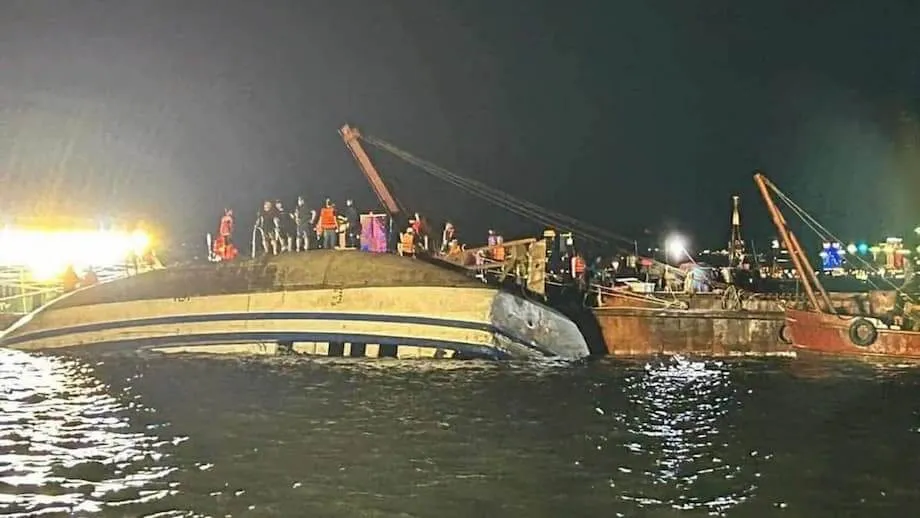
At least 35 people were dead and several remained missing on Sunday, July 20, 2025, after the Wonder Sea tourist boat capsized during a violent thunderstorm in Vietnam's Ha Long Bay. Ten people had been rescued alive by Sunday morning, as emergency teams continued searching through difficult weather.
Contents
- Families Caught in a Sudden Storm
- How the Sightseeing Trip Unfolded
- A Survivor Finds a Way Out
- Children Rescued as Families Waited
- Rescuers Battle Rain, Wind and Darkness
- What Meteorologists Said About the Storm
- Relatives Describe Sudden Loss
- Investigators Examine the Boat and Crew Decisions
- A Major Destination With a History of Accidents
- Safety Reviews Extend Beyond One Vessel
- Key Points
The vessel carried 48 passengers and five crew members, all Vietnamese, on a sightseeing excursion on Saturday afternoon. Most passengers were families from Hanoi, and more than 20 children were aboard. At least eight children were among the bodies recovered. The youngest passenger was three years old.
Ha Long Bay, a UNESCO World Heritage site known for its emerald waters and towering limestone islands, attracts millions of visitors each year. The disaster turned a holiday outing at one of Southeast Asia's most recognizable destinations into a national tragedy. Local tourism officials described it as the area's worst maritime disaster in at least 25 years.
Survivors described a frighteningly fast change in conditions. Calm weather gave way to dark skies, hail, torrential rain and powerful winds. The boat shook, furniture moved across the interior, windows broke and water poured inside. The vessel overturned in less than a minute, leaving many people trapped in its hull.
Prime Minister Pham Minh Chinh sent condolences to the families of those dead and missing and ordered urgent search and rescue operations. Authorities also began investigating the vessel's operation, its condition and the decisions made as the storm approached.
How the Sightseeing Trip Unfolded
The Wonder Sea left early Saturday afternoon for a tour expected to last three hours. Conditions were initially calm, according to survivor accounts and official reports. Around 2:00 p.m. local time, a sudden squall swept across the bay, bringing thunder, lightning, heavy rain and strong winds.
The sequence described by survivors and rescuers was:
- Early Saturday afternoon: The boat departed with 48 passengers and five crew members for a sightseeing trip.
- Around 2:00 p.m.: A violent storm struck Ha Long Bay, and conditions on the water deteriorated rapidly.
- During the storm: Passengers asked the crew to return to shore, but were told they were almost at their destination. The vessel capsized shortly afterward.
- Saturday afternoon and night: Rescue teams searched the bay despite heavy rain, strong winds and darkness.
- By Sunday morning, July 20: Ten people had been rescued alive, at least 35 were dead and several remained missing.
Passengers said tables and chairs were thrown about as the vessel shook. Water entered through broken windows before the boat overturned, trapping people inside as the hull filled.
The storm also affected Hanoi, about 175 kilometers away, where winds were strong enough to topple trees. Extreme weather disrupted air travel at the capital, with flights diverted and delayed.
Local resident Tran Trong Hung described the sudden change in the weather:
The sky suddenly darkened, with hailstones as big as toes, torrential rain, thunderstorms, and lightning.
A Survivor Finds a Way Out
Dang Anh Tuan, a passenger who escaped the overturned vessel, described losing his sense of direction as water rushed inside. His account shows how quickly a familiar cabin became a space where finding an exit was difficult.
Tuan explained how he followed a patch of light to reach open water:
Water gushed in and I lost all orientation. I tried to breathe. But more water came in. I took a deep breath, got rid of my life vest and dove down. I saw a streak of light and followed it to swim out, escaping the boat, and then I climbed on the overturned boat to look for help.
Tuan had been on holiday with 11 university friends. Only three survived. Among the victims from the group was a man traveling with his wife and their son, aged three.
Survivors described the storm and capsizing as leaving very little time for passengers or crew to react, despite life vests being available aboard the boat. Tuan's escape involved swimming out of the submerged interior and then climbing onto the overturned vessel to seek help.
Children Rescued as Families Waited
More than 20 children were aboard the Wonder Sea, making the search especially painful for families waiting for news. At least eight children were among those whose bodies had been recovered.
A boy aged 14 survived for four hours inside an air pocket in the overturned hull before rescuers reached him. An air pocket is a space where air remains trapped even as water fills the surrounding area, allowing someone inside to continue breathing for a time.
Another survivor, a boy aged 10 who had been traveling with his parents, described taking a deep breath, diving and swimming upward before rescuers pulled him to safety.
Dang Thuy Linh, a survivor speaking from her hospital bed, appealed for the rescue of relatives and friends who were still missing:
There are still my husband, my children, my friend and their family. I hope they will all be rescued soon. Don't leave anyone in the boat. The air is running thin and hope for surviving is running out.
Her appeal reflected the urgency of searching both the water and the vessel itself, where the boy aged 14 had survived in trapped air. By Sunday morning, several people were still missing and hopes of finding more survivors were fading.
Rescuers Battle Rain, Wind and Darkness
Vietnam's navy, border guards, police and port authorities joined the rescue operation immediately after the capsizing. More than 27 boats and two rescue craft searched the bay.
Heavy rain, strong winds and nightfall made the operation dangerous and slowed the search. Teams continued looking for people in the water and around the overturned vessel as families waited for confirmation about relatives.
Prime Minister Pham Minh Chinh ordered urgent rescue efforts and promised a thorough investigation into the cause of the disaster. Authorities pledged to "strictly handle violations" if investigators found wrongdoing in the operation or management of the Wonder Sea.
Tropical Storm Wipha was also approaching the region, adding to the difficulty of rescue work and concerns about the safety of other maritime activities. As of July 20, the search remained active alongside the investigation.
What Meteorologists Said About the Storm
Vietnam's National Center for Hydrometeorological Forecasting attributed the severe thunderstorm to a convergence zone moving through northern Vietnam, combined with three days of intense heat that had made the atmosphere unstable.
A convergence zone is an area where air flows meet. In the conditions described by meteorologists, that meeting of air, together with accumulated heat, helped create violent thunderstorms bringing hail, lightning and powerful winds. The winds were strong enough to capsize even large vessels.
The Wonder Sea encountered the storm with little warning. Survivors described the rapid transition from calm sightseeing conditions to violent movement aboard the boat and water entering through damaged windows.
Sudden, intense summer storms are not uncommon in northern Vietnam. The scale of this disaster prompted calls for better weather monitoring and stricter safety procedures for tourist vessels, particularly when conditions can change quickly.
Wipha's approach added another weather threat while rescue teams were already dealing with the effects of the thunderstorm. Authorities faced the immediate task of searching for missing people while also considering the safety of continued activity on the bay.
Relatives Describe Sudden Loss
Nguyen Thi Lien, whose child, aged 21, was among the victims, described her grief after learning of the death:
All I want to do is die. I don't want anything in this world anymore, I'm so tired.
Trang Trung Tu lost his brother, aged 32, in the capsizing. He said the speed of the disaster had left his brother little chance to escape:
My brother can swim, but I was told everything happened too fast.
Most passengers had come from Hanoi with family members. The losses therefore reached across groups of relatives and friends who had boarded together for a short holiday excursion.
Tuan's university group, Linh's appeal from hospital and the accounts of bereaved relatives described different parts of the same catastrophe: people separated within seconds, survivors searching for those who had traveled with them, and families awaiting news from rescuers.
Investigators Examine the Boat and Crew Decisions
The Wonder Sea was towed to a shipyard for inspection. Officials examined shattered windows, damage to the roof and damaged handrails as part of the investigation.
Police and maritime safety officials were reviewing maintenance records, crew training and compliance with safety regulations. The inquiry also covered decisions made aboard the vessel as the weather worsened.
Initial accounts suggested that the crew may have underestimated the approaching storm. Passengers reportedly asked to return to shore, but the crew continued toward the destination, believing they could outrun the weather. Investigators were examining whether human error contributed to the capsizing; no final finding had been announced as of July 20.
The government also called for a review of safety standards across the tourism industry, particularly among boat operators in Ha Long Bay and other popular destinations. Measures being considered included better weather warning systems, mandatory safety drills and stricter enforcement of regulations.
For investigators, the work covered both the vessel's physical condition and how the trip was managed. Maintenance records, training and the response to changing weather were all part of the review promised by authorities.
A Major Destination With a History of Accidents
Ha Long Bay contains more than 1,600 limestone islands and islets. Its scenery draws millions of visitors, while the many islands make navigation complex, especially during bad weather.
The bay attracted more than four million visitors in 2019. Growth in tourism has brought more sightseeing boats, alongside concerns about overcrowding, vessel maintenance and the ability of local authorities to enforce safety requirements.
Previous accidents form part of the safety debate. In 2011, a boat accident in Ha Long Bay killed 12 people, including foreign tourists. In 2022, a speedboat capsized off Quang Nam, killing 17.
The death toll of at least 35 aboard the Wonder Sea was already greater than the combined 29 deaths in those two accidents. Local tourism officials described the latest disaster as the worst in at least 25 years.
In 2024, Typhoon Yagi sank 30 vessels in the bay's boat lock areas after bringing strong winds and waves. That damage, together with earlier fatal accidents, has kept attention on maintenance, emergency preparation and the safety of vessels exposed to severe weather.
Safety Reviews Extend Beyond One Vessel
Vietnam's expanding tourism industry faces pressure to accommodate large numbers of visitors while keeping boat trips safe. The Ha Long Bay disaster renewed debate about how tourism growth is managed and whether operators and regulators are prepared for sudden dangerous weather.
Investigations into past maritime accidents have highlighted inadequate safety equipment, poor crew training and weak enforcement of regulations. Improvements have been made, but the latest capsizing brought those concerns back into focus.
Climate change is increasing the frequency and intensity of extreme weather across Southeast Asia. Sudden storms, typhoons and heavy rainfall pose growing risks to coastal communities and maritime activities. Warnings about future accidents have centered on the need for stronger regulations and better preparation.
International observers and local advocates called for a broad safety response following the disaster, including:
- Upgrading weather monitoring and early warning systems.
- Requiring regular safety drills for passengers and crew.
- Strictly enforcing vessel maintenance and inspection standards.
- Limiting the number of boats operating during adverse weather.
- Improving coordination among emergency response agencies.
For families affected by the Wonder Sea capsizing, the immediate priorities remained finding the missing and establishing why the boat overturned. The government's wider review would examine safety practices across popular tourist destinations while the vessel investigation addressed the circumstances of this trip.
Key Points
- At least 35 people died after the Wonder Sea capsized during a sudden thunderstorm in Ha Long Bay on Saturday, July 19, 2025.
- The boat carried 48 passengers and five crew members, all Vietnamese. More than 20 children were aboard.
- Ten people had been rescued alive by Sunday morning, while several remained missing. At least eight children were among the dead.
- A boy aged 14 survived four hours in an air pocket inside the overturned hull.
- Rescue teams faced heavy rain, strong winds and darkness, with Tropical Storm Wipha approaching the region.
- Authorities were investigating the vessel's condition, crew training, safety compliance and decisions made as the storm approached.
- The government called for a wider review of tourism safety, including weather warnings, drills and enforcement of regulations.