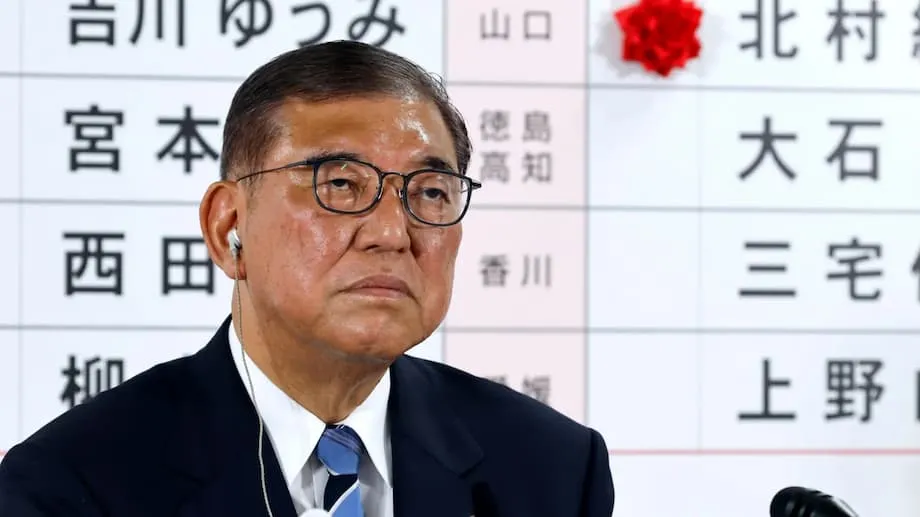
A Defeat That Leaves the Government Without a Majority
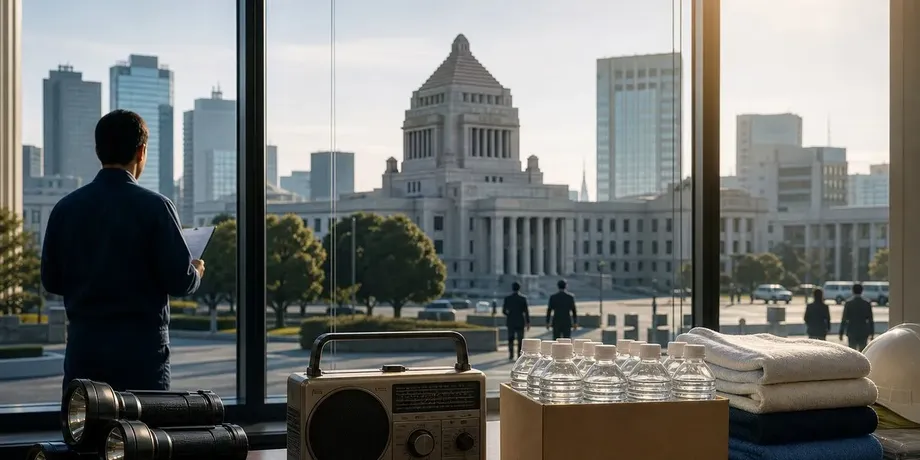
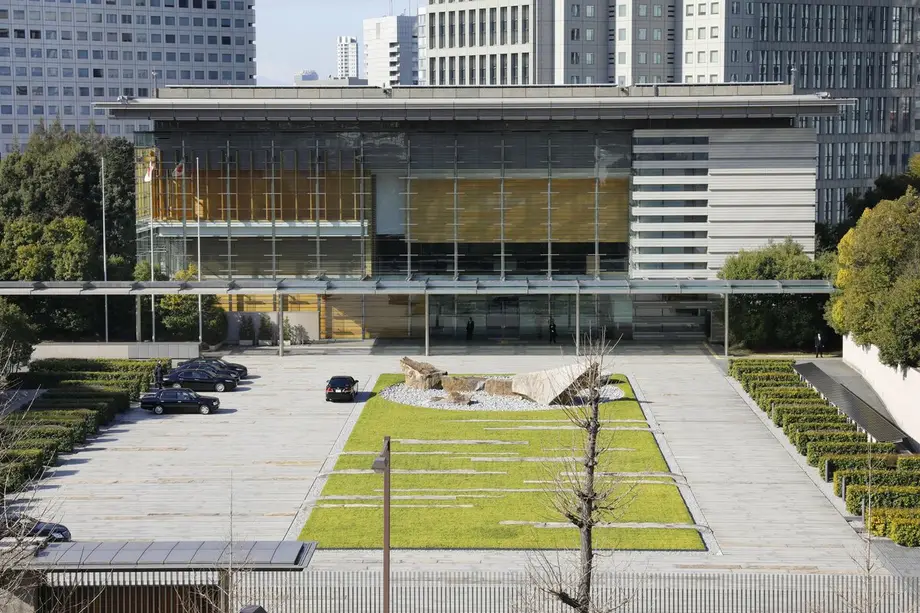
Prime Minister Shigeru Ishiba's ruling coalition suffered a historic setback in Japan's July 20, 2025, House of Councillors election, losing its Upper House majority after voters had already stripped it of control of the Lower House last October. For the first time since the Liberal Democratic Party (LDP) was founded in 1955, the party and its junior coalition partner, Komeito, are without a majority in either chamber of the National Diet, Japan's parliament.
Contents
- A Defeat That Leaves the Government Without a Majority
- How Japan Reached This Point
- Why Household Costs Dominated the Vote
- The U.S. Trade Deadline Adds Pressure
- Sanseito Brings Nationalist Politics Into Sharper Focus
- Why Immigration Became a Flashpoint
- Opposition Gains Leave Power Divided
- Ishiba Faces Pressure From His Own Party
- Voters Express Competing Hopes for Change
- Key Points
Voters were choosing representatives for 125 of the Upper House's 248 seats. The LDP and Komeito needed to win at least 50 of those seats to retain their majority. Exit polls and early results put their projected tally between 32 and 51, with the unfolding outcome pointing to the loss of control. A final seat total was not yet given on July 20.
Ishiba now faces two immediate pressures: demands within his party to accept responsibility and leave office, and a looming August 1 deadline for trade negotiations with the United States. He has said he intends to remain prime minister, arguing that Japan must protect its interests during talks over threatened American tariffs.
Household frustration drove much of the campaign. Rice prices had doubled over the past year, wages had stagnated, and social security payments were weighing on families. Alongside those economic concerns, the election brought a sharp rise in support for Sanseito, a right-wing populist party campaigning on a "Japanese First" platform.
Japan's opposition gained ground without producing a united alternative government. The result leaves Ishiba leading a minority administration, meaning his coalition lacks enough parliamentary seats to reliably pass measures on its own. The immediate problem is therefore both political and practical: keeping his leadership while finding support to govern.
How Japan Reached This Point
The July vote deepened a loss of authority that began with the coalition's Lower House defeat in October 2024. That chamber is the more powerful of Japan's two parliamentary houses, making the earlier result a serious setback even before voters returned to the polls for the Upper House election.
The main dates show why domestic politics and international negotiations are now pressing on Ishiba at the same time:
- 1955: The Liberal Democratic Party was founded.
- October 2024: The LDP and Komeito lost their majority in the Lower House.
- July 20, 2025: Voters elected 125 representatives to the 248-seat Upper House, with the coalition needing at least 50 seats to keep its majority.
- August 1, 2025: Japan faces the deadline for reaching a trade agreement to avert threatened U.S. tariffs of 25% on Japanese exports.
The coalition's defeat in both chambers marks a break with the political dominance associated with the LDP. It also creates a difficult setting for decisions that voters want made quickly, including relief from rising prices and protection for industries exposed to American trade measures.
Why Household Costs Dominated the Vote
Rice, a staple food in Japan, became a particularly visible measure of economic strain because its price had doubled in a year. For households buying it regularly, that increase made inflation tangible at the dinner table. Stagnant wages meant families had little extra income to absorb more expensive food and other living costs.
Social security payments added another source of frustration. Japan's aging population is increasing pressure on the systems that support older people, while working households face the costs of maintaining them. Voters were angry about both their current expenses and the government's ability to address the longer economic squeeze.
Ishiba's administration was judged on whether it could provide relief. Its perceived failure to tackle inflation and help struggling households turned the election into a referendum on his leadership and the LDP's ability to manage Japan's mounting problems.
The government's commitment to fiscal restraint also clashed with demands for tax cuts and increased welfare spending. Fiscal restraint means limiting spending or protecting public revenue to manage debt. Japan's national debt, described as the world's largest, made that approach central to the government's thinking, while voters wanted more money left in their pockets.
The U.S. Trade Deadline Adds Pressure
U.S. President Donald Trump's threat of 25% tariffs on Japanese exports unless an agreement could be reached by August 1 gave the campaign an urgent international dimension. A tariff is a tax charged on imported goods. Such a charge can make those goods more expensive in the importing country and put pressure on businesses that sell them.
Japan's economy depends heavily on exports, with automotive manufacturing among the industries facing a severe potential blow if negotiations fail. The threatened tariff therefore matters beyond diplomacy: factories, businesses and people whose livelihoods depend on overseas sales face uncertainty over the outcome.
Trump's demands included increased Japanese imports of American rice and automobiles, along with higher Japanese defense spending. Those demands became campaign flashpoints as voters questioned whether Ishiba's government was doing enough to defend their economic interests under international pressure.
Ishiba, Japan's prime minister, cited the negotiations when explaining why he intended to stay in office after acknowledging the coalition's "harsh result" and accepting responsibility for its performance:
We are engaged in extremely critical tariff negotiations with the United States…we must never ruin these negotiations. It is only natural to devote our complete dedication and energy to realizing our national interests.
His argument ties his continued leadership to an approaching deadline. It also places a difficult choice before his party: whether to retain a weakened leader during negotiations or pursue a change while Japan is trying to secure an agreement.
Sanseito Brings Nationalist Politics Into Sharper Focus
Sanseito's expected rise from one seat to between 10 and 15 was among the election's most striking developments. The right-wing populist party drew on economic anxiety and opposition to immigration, presenting itself as a challenger to established political parties through its "Japanese First" platform.
Founded during the COVID-19 pandemic, Sanseito initially became known for spreading conspiracy theories online. Its campaign combined calls for stricter immigration controls and traditional gender roles with skepticism toward globalism and vaccines. Globalism, in this debate, refers to the international connections and influences the party portrays as a threat to national interests.
Sanseito appealed to voters frustrated by government inaction and worried about a perceived loss of national identity. Its gains brought rhetoric once associated with the political fringe further into the mainstream and reflected a broader movement toward the right in Japanese politics.
Human rights activists and foreign residents expressed alarm about the party's rise, fearing more xenophobia and social division. Xenophobia means hostility toward people because they are seen as foreign. The concern is concrete for people living in Japan whose nationality or background could make them targets of that hostility.
Why Immigration Became a Flashpoint
Japan has long maintained strict immigration policies and has been known for its cultural homogeneity. Recent years have brought record numbers of foreign residents and tourists, making their presence more visible in urban centers and popular tourist destinations.
The foreign-born population had reached 3.8 million, about 3% of Japan's total population. That share remained low compared with Western countries, yet increased visibility helped turn immigration into a prominent political issue.
Some Japanese citizens blamed the influx for rising prices and social tensions. Foreign workers, meanwhile, were helping fill labor shortages in an aging society. Japan's population is shrinking and aging faster than that of any other major economy, leaving fewer workers available and putting greater strain on social support systems.
Sanseito and other groups on the right tapped into those anxieties by promising to "take back" Japan for its citizens and resist what they called a "silent invasion." Their rhetoric sparked protests and concern among people who value Japan's postwar tradition of stability and social harmony.
Policymakers who see increased immigration as a way to ease labor shortages face strong public resistance, reflected in the success of parties opposing immigration. The political argument therefore touches two immediate realities: communities adjusting to more foreign residents and businesses needing people to work.
Opposition Gains Leave Power Divided
The Constitutional Democratic Party (CDP), the main opposition party, expanded its seat count. The centrist Democratic Party for the People (DPP) also increased its representation, alongside Sanseito. Those gains weakened the ruling coalition without bringing the opposition together around a single governing program.
Eight main opposition parties remained unable to form a united front or offer a clear alternative to the LDP and Komeito. Their differences cover tax policy, social security and foreign relations, all areas in which a government needs to make decisions rather than simply oppose its rivals.
Some opposition parties favor tax cuts and higher welfare spending. Others concentrate on stricter immigration controls or progressive social reforms. Agreement that the government should change direction does not supply agreement on which direction it should take.
The Upper House's powers make those divisions important. It cannot initiate a motion of no confidence against the government, a parliamentary challenge to whether an administration should remain in office. Its decisions on budgets and treaties can also be overridden by the Lower House.
Ordinary legislation is a different practical challenge. Losing the Upper House majority makes passing laws much harder, forcing the government to negotiate with opposition parties or seek new coalition partners. Without dependable support in either chamber, Ishiba faces the prospect of legislative gridlock, with political disagreement delaying measures voters expect the government to deliver.
Ishiba Faces Pressure From His Own Party
Ishiba's determination to remain prime minister has met mounting resistance within the LDP. Powerful figures, including former Deputy Prime Minister Taro Aso, have publicly questioned his leadership and argued that he should step down to take responsibility for the defeat.
The last three LDP prime ministers who lost an Upper House majority resigned within two months. That precedent adds pressure to Ishiba's position, with expectations of further calls for a leadership change in the coming weeks.
Sanae Takaichi, Takayuki Kobayashi and Shinjiro Koizumi were already being discussed as potential contenders for the party leadership. A contest could produce a new prime minister and a cabinet reshuffle while Japan is dealing with urgent economic and diplomatic challenges.
The choices facing the government range from a change at the top to a different way of working with parliament:
- Ishiba could resign under internal pressure, triggering an LDP leadership contest and potentially a new prime minister and cabinet.
- The coalition could seek additional partners, including centrist opposition parties such as the DPP or the CDP, through negotiations involving policy concessions.
- The government could struggle to pass key legislation, producing policy paralysis and the possibility of a snap election.
- The LDP could adopt opposition proposals, including targeted tax cuts or tougher immigration controls, while risking the loss of moderate voters.
Each possibility carries a political cost. Broadening the coalition requires agreement with parties elected to challenge it. Changing policy may win back some voters while distancing others. Replacing Ishiba would bring a leadership contest into a period already crowded with urgent decisions.
Voters Express Competing Hopes for Change
Yuko Tsuji, a consultant aged 43, supported the LDP because she valued its record of unity and order. Her concern was that a ruling party failing to govern effectively could send conservative voters toward more extreme alternatives:
If the ruling party doesn't govern properly, the conservative base will drift toward extremes, so I voted with the hope that the ruling party would tighten things up.
Daiichi Nasu, a self-employed voter aged 57, supported opposition parties with a different aim. He wanted greater inclusion, more open immigration policies and changes to gender policies, including allowing married couples to retain separate surnames:
I hope for a change toward a more inclusive and diverse society, with more open immigration and gender policies such as allowing married couples to keep separate surnames.
Their views illustrate a divide between voters seeking stability through a stronger established ruling party and those seeking a more inclusive society through political change. The election also exposed competing ideas about national identity, Japan's place in the world and how to respond to the pressures of the 21st century.
For households, the immediate concerns remain food prices, wages and social security costs. For foreign residents, the rise of nationalist campaigning brings fears about belonging and treatment. For exporters, the August 1 trade deadline adds uncertainty. Ishiba must address those demands with less parliamentary authority and growing resistance inside his party.
Key Points
- The LDP and Komeito lost their Upper House majority after losing control of the Lower House in October 2024.
- The coalition needed at least 50 seats among the 125 contested on July 20; early projections ranged from 32 to 51.
- Rice prices had doubled over a year, while stagnant wages and social security costs fueled voter frustration.
- Sanseito was expected to win 10 to 15 seats, up from one, after campaigning on nationalism and stricter immigration controls.
- Opposition parties gained seats but remained divided over taxes, welfare, immigration and other policies.
- Ishiba pledged to stay in office while facing calls to resign and an August 1 deadline over threatened U.S. tariffs of 25%.
- Japan faces possible leadership change, coalition negotiations, policy shifts or delays in passing legislation.