More Homes on the Same Small Plots
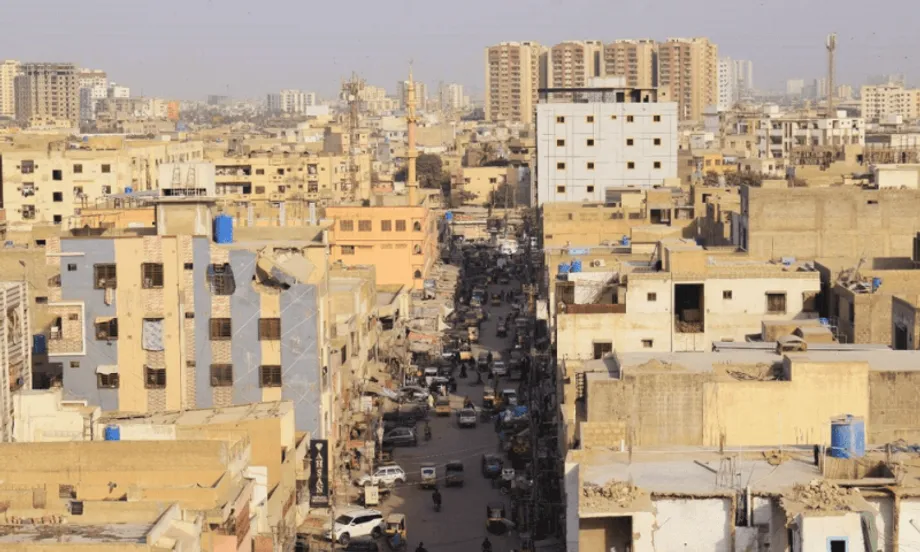
In Karachi's Delhi Colony, plots originally measuring 120 square yards have been divided into sections of just 40 square yards, then developed into buildings with several storeys, narrow staircases and compact bathrooms. Elsewhere in the city, plots intended for one family of six now accommodate four or more families, often without any increase in the capacity of water and sewerage pipes.
Contents
- More Homes on the Same Small Plots
- Why Families Are Combining Households
- How a Family Plot Becomes Several Homes
- Water Pipes Cannot Expand With the Buildings
- The Deadly Warnings of 2024
- Where Construction and Inspections Fall Short
- Planning Failures Beyond Individual Buildings
- Income, Family Life and Unequal Access
- Climate Risks Add to the Pressure
- What Housing Reform Needs to Address
- Key Points
Karachi, Pakistan's largest metropolis and economic powerhouse, is growing upward and becoming more crowded as families struggle to find affordable homes. In Paposh Nagar, Delhi Colony, Lyari and Punjab Colony, housing expansion is changing both the buildings and the spaces between them. Streets once open enough for children to play have become difficult to walk through comfortably. Water barely reaches some household taps, while open spaces and everyday contact between neighbours are disappearing.
The pressure has already had deadly consequences. A roof collapse in Lyari killed two people and injured five in August 2024. The following month, a wall from an adjacent building fell onto a temporary roof in Paposh Nagar, killing one person. Both incidents form part of a wider pattern of collapsing walls, roofs and buildings in settlements across Karachi.
For families, adding rooms or floors can mean securing shelter without buying another property. For the city, the same changes bring more demand for water, drainage, electricity and gas on land whose services have often remained unchanged. This process is called housing densification: more people and homes occupying the same area. Karachi's central problem is that much of this growth is taking place without adequate planning, construction checks or investment in basic services.
Why Families Are Combining Households
Karachi's population is growing at nearly 3% a year, according to the latest census cited in the housing assessment. An estimated 68% of residents fall into the low income bracket and another 22% into the middle income tier. Together, those groups account for 90% of residents, leaving most of the population exposed to the widening gap between housing demand and affordable supply.
Rapid urbanisation, population growth, economic hardship and weak urban planning are pushing property prices beyond the reach of many families. Low household incomes, high construction costs and limited access to formal credit make buying or building a separate home especially difficult. Families often rely on personal savings or informal loans to pay for extensions.
Some households that once hoped to live as nuclear families, with parents and their children in a separate home, are returning to joint living arrangements with other relatives. Pakistan's average household has 6.4 members, while 55% of households are multigenerational, according to a 2019 United Nations report. Those national figures provide context for the pressure on shared family homes.
Adding another floor, dividing a plot or extending a building informally can offer immediate relief. These changes are often made without regulatory oversight or sufficient attention to safety standards. A family may gain a room or a separate dwelling while the building, street and utility networks take on demands they were never designed to carry.
How a Family Plot Becomes Several Homes
Inheritance disputes can set the process in motion. Families sometimes resolve disagreements by selling a plot to a builder, who constructs a building with several storeys and sells individual floors to nuclear families. The original property becomes a collection of smaller homes, each meeting a household's need for an address of its own.
Delhi Colony's subdivision of 120 square yard plots into sections of 40 square yards shows how far this process can go. Smaller plots become the base for several levels of accommodation. Narrow stairs and compact bathrooms allow homes to fit into limited space, but leave residents with cramped living conditions.
Families face a difficult combination of rising property prices, shrinking rooms and poor construction quality. Bribes for access to infrastructure and unauthorised additions add to the cost of finding and maintaining shelter. The immediate gain is somewhere to live; the continuing burden is overcrowding and increasingly stretched services.
Water Pipes Cannot Expand With the Buildings
Karachi's utility systems often remain the same size even when the number of residents on a plot increases fourfold or more. A water pipe serving one family may have to supply several, while the sewer beneath the street must carry the waste from all of them. The extra floors do not bring extra capacity underground.
Approvals typically focus on a plot's covered area rather than the number of families occupying it. This leaves a gap between the space permitted for construction and the demand that the completed homes place on services. Electricity, gas and water connections are often extended without penalty as the number of housing units grows.
Safe drinking water has become the most urgent concern in many affected neighbourhoods. Some households rely on shared wells or contaminated sources. Poor drainage brings frequent flooding and waterborne disease, while overloaded electricity and gas systems leave residents facing unreliable supplies and frequent load shedding.
Property and infrastructure taxes in many cities elsewhere are calculated according to the number of families occupying a property. Karachi's densely populated residential neighbourhoods lack comparable regulation linking occupancy to service provision. Maintaining reliable access to basic utilities becomes harder as the number of households rises.
Residents also lose space outside their homes. Streets become narrower, open areas disappear and families spend more time in cramped, isolated quarters. The change weakens the close community relationships that once helped define these neighbourhoods. The housing shortage is therefore affecting privacy, public space and social contact as well as the supply of rooms.
The Deadly Warnings of 2024
Paposh Nagar and Lyari illustrate the human cost of weak buildings and crowded development. The two fatal incidents occurred within successive months in 2024:
- August 2024: The roof of a property on a plot measuring 60 square yards in Lyari collapsed after heavy rain, killing two people and injuring five.
- September 2024: A wall from an adjacent building collapsed onto the temporary roof of a neighbouring plot in Paposh Nagar, killing one person.
Collapsing walls, roofs and entire buildings have been reported in settlements across Karachi. These failures put both occupants and people in neighbouring properties at risk, particularly where buildings stand close together and temporary roofs offer little protection from falling masonry.
Residents taking part in community focus group discussions described how the need for shelter can outweigh concern about a building's condition. Their comments included:
It's good as long as it's standing
Another expression recorded in those discussions conveyed the same pressure to accept a home despite its weaknesses:
...at least it's our shelter.
For households with little money and few housing choices, structural safety competes with an immediate need for somewhere to live. Limited awareness of construction risks makes those decisions harder.
Where Construction and Inspections Fall Short
Contractors and masons can exploit owners' tight budgets and limited knowledge of building work. Materials and construction methods may be compromised to increase profit. Regulators often intervene only when a structure has become visibly oversized, after much of the work has already been completed.
Rushed construction can include insufficient curing, the period during which concrete must retain suitable moisture so it can develop strength. Adding more floors to work completed under those conditions increases the demands placed on an already vulnerable structure.
Arif Patel, chairman of the All Nazimabad Builders and Developers Association, described the gap between inspection requirements and what happens during construction:
Any building with three or more floors, approved by the SCBA, must undergo regular inspections and comply with all safety regulations. On paper, the responsibility is acknowledged. However, in practice, these inspections are often poorly conducted, and construction quality frequently falls short of required standards.
Structural instability is a major concern in poorly built properties. Observers describe buildings swaying vertically and showing signs of misalignment or structural tilt. Closer examination has revealed minimal reinforcement, steel bars of poor quality, inadequate horizontal ties and concrete containing a higher proportion of sand than certified.
Reinforcement and ties help hold a building's structure together. Their quality matters when additional storeys increase the weight that the structure must support. Many properties begin as buildings with few floors, then gain more storeys without reinforcement of the foundations. The extra accommodation can therefore weaken the building's stability over time.
Planning Failures Beyond Individual Buildings
Karachi's housing pressures reach beyond the decisions of individual owners. Weak urban planning, governance and housing policy shape the choices available to families. Many Pakistani cities, including Karachi, lack comprehensive master plans, leaving development to proceed unevenly while infrastructure falls behind.
Land disputes, unclear property rights and corruption make organised housing development more difficult. Families seeking a secure home may encounter obstacles both in establishing ownership and in obtaining an affordable property through formal channels.
Pakistan has building codes, but enforcement is weak, especially in informal settlements and areas around expanding cities. The devastation of the 2005 Kashmir earthquake and the 2022 floods highlighted the dangers of buildings that fail to meet safety requirements. Karachi's informal additions bring the same question of construction quality into everyday housing decisions.
Government initiatives such as the Naya Pakistan Housing Programme aim to provide quality housing. Implementation problems persist, however, and many schemes fail to reach the poorest people. When formal programmes do not match the incomes and circumstances of those households, expanding an existing family property remains one of their available responses.
Income, Family Life and Unequal Access
Household income and access to credit strongly influence housing quality. A family able to pay for suitable materials and professional work has different choices from one financing an extension through small savings or informal borrowing. For poorer owners, even an unsafe addition may appear more attainable than a separate home.
Extended family living arrangements also shape the use of space. More relatives sharing a property can reduce privacy and increase crowding. Cultural preferences for large family compounds sometimes take priority over individual privacy, affecting the layout and comfort of homes.
Joint households can help families cope with costs, yet the buildings they share may struggle to accommodate everyone's needs. When a property is divided into separate units or extended upward, the physical space changes faster than the services supporting it.
Households headed by women face additional difficulties in securing housing because of limited property rights and financial independence. Policies based only on the construction of more units can leave those barriers untouched. Access to ownership, finance and secure occupancy matters alongside the number of homes built.
Climate Risks Add to the Pressure
Karachi is exposed to earthquakes, flooding and extreme heat, all of which can damage poorly constructed homes. Heavy rain preceded the August 2024 roof collapse in Lyari, showing how weather can add to the risks residents already face in vulnerable buildings.
Housing designed to withstand climate stresses remains uncommon because of cost barriers and limited awareness. Families struggling to fund basic shelter may have little money left for measures intended to protect it against future disasters.
Compressed earth blocks, bamboo housing and homes powered by solar energy are among the sustainable alternatives identified for housing development. Their use sits within the wider challenge of making safer, more resilient housing affordable to the people who need it.
Construction quality and infrastructure remain closely connected. A stronger home still needs functioning drainage, dependable water and reliable energy. Climate adaptation therefore involves both the dwelling and the neighbourhood around it.
What Housing Reform Needs to Address
Urban planner Arif Hasan and other planners call for comprehensive planning, infrastructure investment and policies that make housing accessible across different income groups. Community participation is part of that approach, so improvements reflect the circumstances of the people living in affected neighbourhoods.
Economic measures include wider access to affordable housing finance, subsidies for construction materials for people on low incomes and support for microfinance. These measures address the funding pressures that lead families to rely on informal loans or accept poor building work.
Policy changes include stronger enforcement of building codes, simpler land ownership procedures and better urban planning. Infrastructure investment would need to focus on water, sanitation and energy, particularly in informal settlements where existing networks are already under strain.
Disaster resistant construction and housing suited to climate risks are also part of the proposed response. Residents need a role in neighbourhood improvement projects so that changes account for household incomes, family arrangements and local priorities.
The Orangi Pilot Project offers an example of improving settlements where people already live. This approach, known as in situ development, upgrades existing neighbourhoods rather than requiring residents to move elsewhere. It has shown promise, but needs to operate on a larger scale to reach more communities.
Better public transport could also reduce pressure on the housing market. More reliable connections would make it easier for workers on low incomes to live in more distant, less developed areas where housing costs are lower while still reaching their jobs.
These proposals require action across housing, services, transport and regulation. No implementation timetable is given. For residents now sharing crowded plots, the immediate priorities remain concrete: safe buildings, water at the tap, working drains and enough space to live with dignity.
Key Points
- Karachi's population is growing at nearly 3% annually, while affordable housing remains scarce.
- Families are adding floors, dividing plots and returning to joint households to manage housing costs.
- Plots designed for one family can now accommodate four or more, often without larger water and sewerage systems.
- A Lyari roof collapse killed two people and injured five in August 2024. A wall collapse in Paposh Nagar killed one person the following month.
- Poor materials, weak inspections and extra storeys built without stronger foundations increase structural risks.
- Housing proposals combine affordable finance, enforcement of building codes, infrastructure investment, climate adaptation, community participation and better transport.