A Battery Supply Chain Stretching From Halmahera to West Java
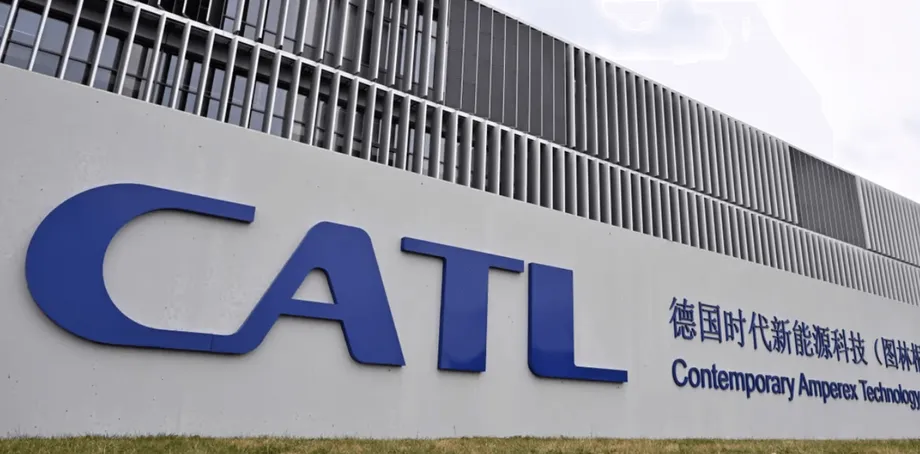
China's Contemporary Amperex Technology Co. Limited (CATL), the world's largest electric vehicle battery manufacturer, has broken ground on an integrated nickel and battery project in Indonesia valued at about $6 billion. Known as Project Dragon, the venture spans North Maluku and West Java and brings together mining, mineral processing, battery production and recycling.
Contents
- A Battery Supply Chain Stretching From Halmahera to West Java
- What Project Dragon Will Build
- Why Indonesia Is Building Around Nickel
- Jobs, Skills and the Push for Local Vehicles
- Halmahera's Forests and Indigenous Communities
- Campaigners Press Prabowo for Stronger Oversight
- Battery Technology and Trade Rules Add Risks
- The Government's Energy and Production Targets
- What the Project Could Change Beyond Indonesia
- Key Points
President Prabowo Subianto attended the groundbreaking ceremony, putting the government's support behind a project central to Indonesia's ambition to become a global hub for the electric vehicle supply chain. The investment is estimated at $5.9 billion to $6 billion, with a battery cell factory in Karawang expected to produce 15 gigawatt-hours of batteries annually.
That capacity would be enough to power between 250,000 and 300,000 electric cars a year. Indonesia's deputy minister of energy and mineral resources, Yuliot Tanjung, said production was scheduled to begin by March 2026. The venture will also produce battery storage systems for solar panels, connecting the investment to Indonesia's renewable energy goals as well as its automotive ambitions.
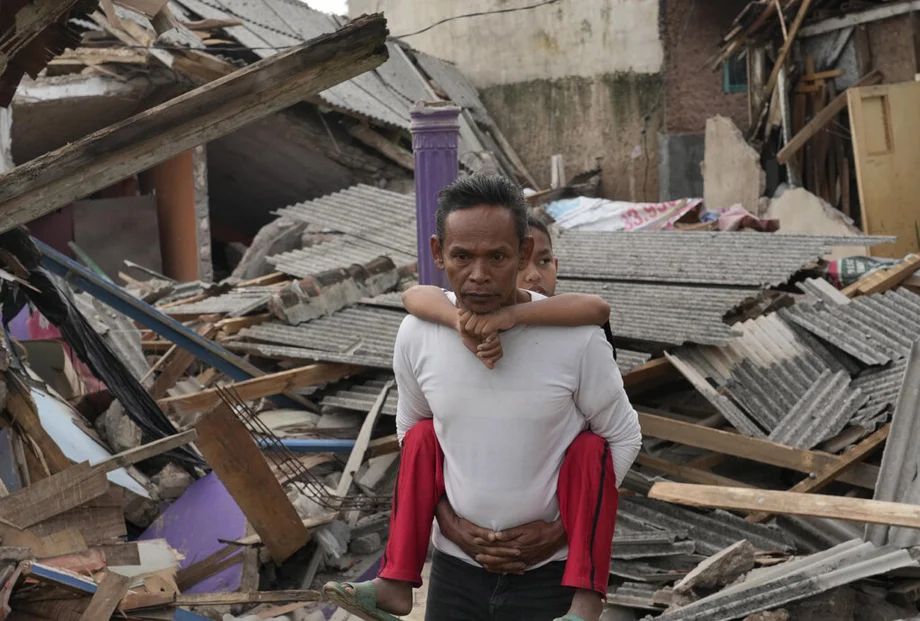
Project Dragon also brings a difficult choice into focus. Indonesia wants to earn more from its mineral wealth by making finished products at home. Environmental and Indigenous rights groups warn that nickel development on Halmahera threatens forests, local communities and the Hongana Manyawa, including people who remain uncontacted.
The project's scale and integration are unprecedented in Southeast Asia. Its importance reaches beyond a single factory: it links Indonesia's effort to build an industrial economy with the global demand for electric transport, while bringing the environmental and social costs of mineral extraction into sharper view.
What Project Dragon Will Build
CATL is developing Project Dragon with PT Aneka Tambang, known as Antam, Indonesia's state-owned mining company, and Indonesia Battery Corporation (IBC). Their joint venture is designed to cover the entire electric vehicle battery value chain, meaning the linked steps that turn minerals in the ground into batteries ready for use and, eventually, materials recovered through recycling.
Halmahera, in North Maluku, will concentrate on nickel mining, smelting and cathode production. Smelting processes mined material, while a cathode is a key battery component. Karawang, in West Java, will handle battery cell manufacturing and assembly. Together, the two locations connect the mineral supply with the manufacture of the product that stores electricity.
The planned annual capacity of 15 gigawatt-hours, or GWh, describes how much energy the batteries produced in a year could store. The estimate of 250,000 to 300,000 cars gives that technical figure a more familiar scale, although the number of vehicles served depends on the batteries they use.
Integration is central to the business plan. By bringing mining, refining, cathode production and battery assembly into the same Indonesian industrial network, CATL and its partners expect to secure a stable, cost-effective nickel supply, reduce reliance on imported materials and lower manufacturing costs. Recycling completes the chain by allowing materials to be recovered after batteries have been used.
Why Indonesia Is Building Around Nickel
Indonesia has the world's largest nickel reserves, estimated at 21 million metric tons, and accounts for more than half of global nickel output. Those resources give the country a strong position in batteries that use nickel as a major ingredient.
Nickel is especially important in lithium-ion batteries using nickel-manganese-cobalt chemistry, commonly shortened to NMC. These batteries dominate the premium electric vehicle market. Indonesia's mineral deposits therefore connect it directly to demand for batteries used in higher performance electric cars.
The government changed the terms of that trade in 2020 by banning exports of raw nickel. Companies seeking access to the mineral were pushed to invest in processing and other industries within Indonesia. The goal is to retain more of the value created between extracting ore and selling a finished battery or vehicle.
CATL, LG Energy Solution, BYD and other international companies have established operations in the country as foreign investment has expanded. Project Dragon illustrates the government's strategy: Indonesia supplies the raw material, but it also seeks the factories, technical skills and industrial activity that come after mining.
The policy is often described as moving up the value chain. In practical terms, it means Indonesia wants to sell products that have undergone more manufacturing, rather than earning mainly from the sale of unprocessed resources. CATL's integrated project is intended to make that shift more competitive by linking the stages of production closely together.
Jobs, Skills and the Push for Local Vehicles
Project Dragon is expected to create thousands of jobs, both directly in mining and manufacturing and indirectly in supporting industries and services. CATL and its partners are also expected to bring technology and expertise that can help Indonesian workers and businesses develop new capabilities.
The government's wider target is to produce 600,000 locally made electric vehicles by 2030 and establish a substantial domestic battery industry. The Karawang plant's stated capacity, enough batteries for 250,000 to 300,000 cars annually, is equivalent to roughly 42% to 50% of that vehicle production target. That comparison shows the proposed factory's scale within Indonesia's ambitions.
Indonesia is also using local content requirements for duty-free exports, following a model used by Thailand's automotive sector. Local content rules require a share of a product's value to come from domestic production. For Indonesia, the purpose is to connect foreign investment with activity inside the country.
CATL's battery supply chain, BYD's vehicle manufacturing and Jakarta's effort to retain greater control over the use of its resources are bringing several parts of the electric vehicle industry together. Southeast Asia's relatively underpenetrated electric vehicle market adds a commercial opportunity as adoption grows.
Early investment in battery factories, mining partnerships and electric vehicle component supply chains could produce substantial returns as regional demand accelerates. Those opportunities remain tied to whether companies can deliver competitive products and manage the environmental, social and policy risks surrounding production.
Halmahera's Forests and Indigenous Communities
Halmahera is both an industrial centre for nickel and a biodiversity hotspot. It is home to Weda Bay, described as the world's largest nickel mine, and to the ancestral territory of the Hongana Manyawa. The Indigenous group has about 3,500 members, approximately 500 of whom remain uncontacted.
Environmental and rights organisations, including Greenpeace Indonesia and Climate Rights International (CRI), have raised concerns about deforestation, pollution and the displacement of local communities. Survival International says nickel mining concessions already cover 40% of Hongana Manyawa territory, exposing uncontacted people to risks including disease and cultural loss.
Caroline Pearce, head of Survival International, warned that the announcement threatened the survival of the uncontacted Hongana Manyawa and challenged the seizure of their ancestral land:
This announcement is a death sentence for the uncontacted Hongana Manyawa. Their home—the land that is theirs under international law—is being brazenly seized and destroyed to cater to global industries and global consumption.
The concerns extend beyond the amount of land used for industrial activity. For communities whose lives are closely tied to the forest, mining expansion can affect their homes, health and ability to maintain their way of life. The presence of uncontacted people makes the risk of disease a particular concern in the warnings raised by Survival International.
Accounts of unchecked environmental damage around the Weda Bay mine and industrial estate have intensified demands for stricter oversight and meaningful engagement with affected communities. Project Dragon's economic promise is therefore being weighed against the effects of nickel development in the places supplying its raw materials.
Campaigners Press Prabowo for Stronger Oversight
Climate Rights International has urged the government to respond to the problems associated with Indonesia's expanding nickel industry. Brad Adams, the organisation's executive director, called on Prabowo's administration to address repression, forest clearance and pollution:
Communities are repressed, forests are cleared, and pollution goes unaddressed with impunity. This is a chance for the Prabowo government to show that it has learned from those failures.
Greenpeace Indonesia's Arie Rompas also warned about the consequences of failing to protect the environment and vulnerable communities:
If the environment and the rights of our most vulnerable people are not prioritized now... we will all pay a high price through worsening biodiversity and climate crises.
The Indonesian government has cancelled some mining permits in other sensitive areas, including Raja Ampat. Campaigners want similar protections for Halmahera, where nickel extraction is expanding alongside industrial development.
Their demands centre on stronger environmental enforcement and meaningful participation by affected communities. For the project and its partners, the ability to operate with public acceptance is a practical business concern as well as a rights issue. Failure to address environmental damage or Indigenous rights could bring protests, reputational damage and delays.
Battery Technology and Trade Rules Add Risks
Indonesia's nickel strategy depends partly on which batteries manufacturers choose. Lithium-iron-phosphate batteries, known as LFP, do not require nickel. If that chemistry becomes dominant, the advantage Indonesia gains from its nickel reserves could diminish.
The difference matters because demand for electric vehicles and demand for nickel are connected through battery design. NMC batteries use nickel; LFP batteries do not. Indonesia's industrial plans therefore face a technology risk even as the country builds factories to serve the wider electric vehicle market.
Environmental regulation presents another challenge. The European Union's Critical Raw Materials Act and growing international scrutiny of deforestation and pollution could require stricter compliance, raising costs and complicating project schedules.
Trade tensions could also affect investment and supply chains. The EU's legal challenge to Indonesia's export bans, together with China's resource nationalism, forms part of the geopolitical uncertainty surrounding access to minerals and the industries that process them.
Companies must also manage the local acceptance of their operations, sometimes called a social licence to operate. In this case, that means addressing the concerns of people affected by mines and industrial facilities. Environmental damage and unresolved Indigenous rights issues could become obstacles to production as well as sources of lasting harm to communities.
The Government's Energy and Production Targets
Prabowo has pledged to accelerate projects that process Indonesia's resources into more valuable products and to ensure the country's mineral wealth benefits its economy and people. At the groundbreaking, the president described Project Dragon as a "colossal breakthrough" and linked similar initiatives to energy self-sufficiency for Southeast Asia's largest economy.
Energy Minister Bahlil Lahadalia has expressed confidence that the integrated system will substantially reduce electric vehicle battery production costs and help Indonesia achieve energy self-sufficiency within five to six years. Battery storage systems for solar panels give the venture a role in renewable energy alongside its planned contribution to transport.
The policy and project milestones span several years:
- 2020: Indonesia banned raw nickel exports, pushing investment towards domestic processing and manufacturing.
- June 30, 2025: Project Dragon had broken ground, with mining and processing planned in North Maluku and battery manufacturing in West Java.
- By March 2026: Battery production is scheduled to begin, according to Deputy Minister Yuliot Tanjung.
- 2030: Indonesia aims to produce 600,000 locally made electric vehicles annually.
The March 2026 production schedule is the next stated project milestone. The government's wider ambitions combine cheaper batteries, more domestic manufacturing and a greater role for locally produced energy.
What the Project Could Change Beyond Indonesia
CATL's investment reflects a wider shift in electric vehicle supply chains as manufacturers seek secure access to critical minerals and try to reduce geopolitical risks. Indonesia's combination of abundant resources and active industrial policies is drawing a larger share of mining, processing and manufacturing investment.
A successful Project Dragon could provide a model for other countries rich in natural resources that want to capture more value through manufacturing. Instead of stopping at extraction, they could seek to connect mines with processing plants and factories producing finished goods.
For the global electric vehicle industry, Indonesia's growth as a battery and vehicle manufacturing hub could ease supply bottlenecks, lower costs and support wider adoption of electric transport. CATL's ability to connect several stages of production is central to that prospect.
The environmental and human rights concerns in Halmahera remain equally concrete. Forest loss, pollution and risks to Indigenous communities place pressure on an industry promoted as part of the transition to cleaner energy. Project Dragon brings those economic, environmental and social choices into the same investment, with consequences for Indonesia's communities and for the companies buying its battery materials.
Key Points
- CATL, Antam and Indonesia Battery Corporation have broken ground on Project Dragon, an integrated nickel and battery investment valued at $5.9 billion to $6 billion.
- Halmahera will focus on mining, smelting and cathodes, while Karawang will manufacture and assemble battery cells.
- The planned battery capacity is 15 GWh annually, enough for 250,000 to 300,000 electric cars, with production scheduled to begin by March 2026.
- Indonesia's nickel export ban and target of 600,000 locally made electric vehicles by 2030 underpin its push for more domestic manufacturing.
- Environmental and rights groups warn of deforestation, pollution and threats to the Hongana Manyawa, including approximately 500 uncontacted people.
- Battery technology changes, trade disputes, environmental requirements and community opposition could affect the project's costs and progress.