A 5.8 yuan fare after hours of waiting
Wang Lei, a ride booking driver in Jinan, Shandong province, spent 3.5 hours online approaching the evening rush and received just one order worth 5.8 yuan after switching off discounted rides. Accepting those trips brought more work, he said, but at prices that made earning a living harder.
Contents
- A 5.8 yuan fare after hours of waiting
- Drivers describe falling earnings per kilometer
- More cars compete for each passenger
- Comparison apps put cheap fares at the center
- Commissions and reward conditions narrow the margin
- Longer shifts affect drivers and passengers
- What the pricing rules actually require
- From consultation to enforcement
- Automation adds another pressure
- Key Points
Wang, whose name is a pseudonym, described a squeeze reaching drivers across several Chinese cities: fares per kilometer are falling, while refusing special price orders can mean long periods without passengers. Drivers also face commissions, vehicle payments and rewards that require long hours before any extra money becomes available.
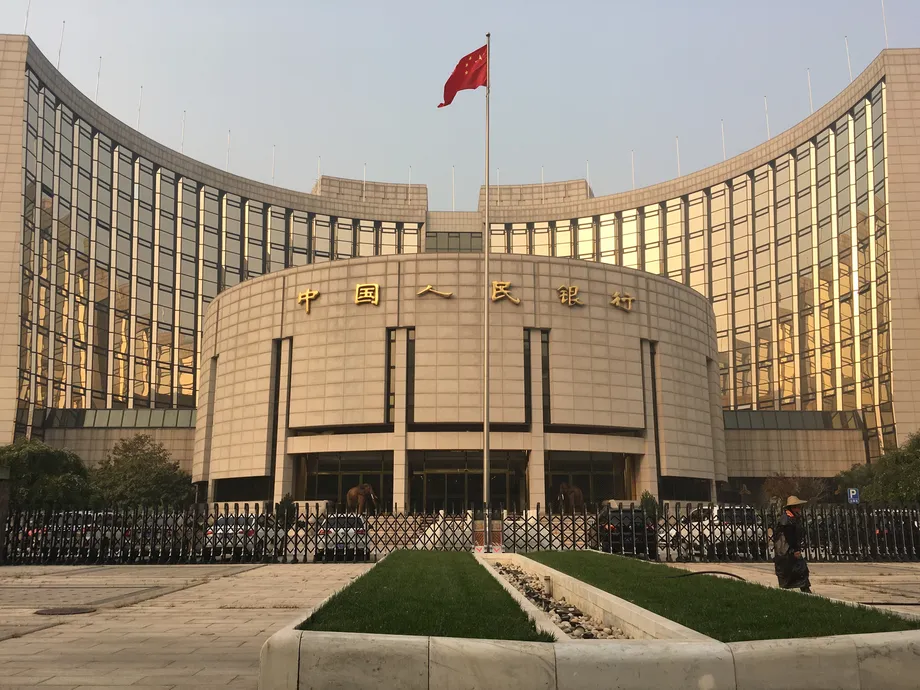
China's response now includes the Internet Platform Pricing Conduct Rules, issued by three national regulators on December 9, 2025, and effective from April 10, 2026. The rules address pressure to cut prices through restrictions on customer traffic or changes in algorithmic ranking, alongside forced services priced below cost.
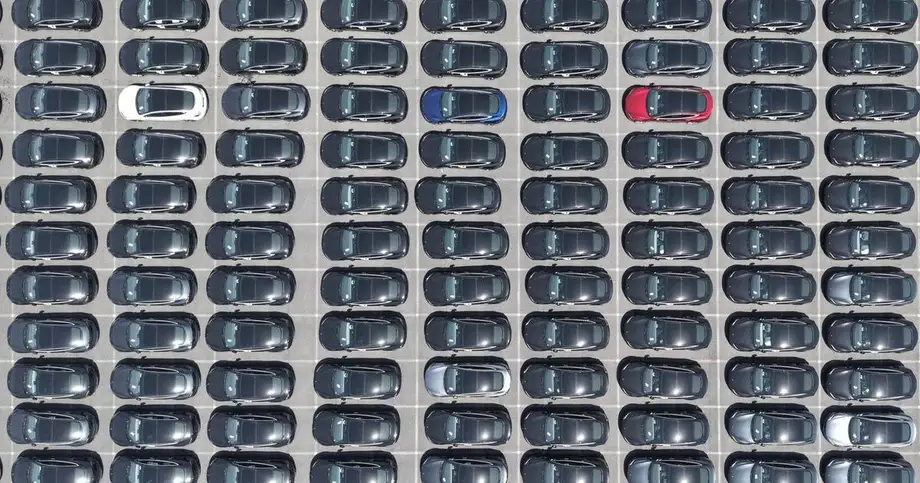
The struggle began well before those rules. Between October 2020 and October 2023, China's number of ride booking drivers more than doubled to 6.3 million, while trips increased by only 34%. More people were competing for work that was growing much more slowly.
Passengers can compare cheap rides almost instantly through apps that bring several operators together. Drivers describe a much narrower choice: take the cheaper fare or risk earning nothing while the car, insurance and rental bills still need paying.
The central issue is who pays for the discount. Lower prices can come from better routing and less time wasted between trips. They can also come from reducing what drivers receive for the same distance and effort.
Drivers describe falling earnings per kilometer
Wang said his average receipts had fallen from about 1.8 yuan per kilometer when he started three years earlier to about 1.3 yuan. That is a decline of roughly 28%, calculated from his figures. His best rates had also fallen, from around 2 yuan to 1.5 or 1.6 yuan.
A driver who spent eight years working in Hangzhou described a similar change. Express service orders paid about 1.8 yuan per kilometer, compared with an average of 2.3 yuan six years earlier. Fixed fare orders brought about 1.4 yuan per kilometer, with the cheapest paying less than 1 yuan.
In Beijing, a driver identified as Bai recalled the industry's earlier subsidy battles, when platform payments could lift his earnings far above the amount paid by a passenger. He said his receipts had gradually dropped from 2 to 3 yuan per kilometer to about 1.2 or 1.3 yuan.
Hefei driver Qiao Zhe described five reductions in prices per kilometer in just over two years. The accounts cover different cities and services, but share a concrete problem: drivers need more paid kilometers to earn the same amount.
Income from trips also has to cover the cost of doing the work. Shanghai driver Han Cheng described monthly expenses including 6,000 yuan for his electric car and 1,500 yuan for charging, alongside 3,000 yuan in living expenses. Insurance and traffic fines added further pressure.
More cars compete for each passenger
Guangzhou's figures show how quickly the balance can change. Licensed vehicles for app bookings increased from 97,400 in September 2023 to 121,200 in May 2024, a rise of about 24%. Registered drivers increased from 129,100 to 138,500 over the same period.
Average daily driver revenue fell from 343 yuan in December 2023 to 311 yuan in May 2024, about 9%. A driver receiving 311 yuan every day for 30 days would bring in 9,330 yuan before operating expenses.
Earlier Guangzhou figures showed the same pressure from another angle. Average daily driving distance rose from 121.26 kilometers in the second half of 2021 to 129.5 kilometers in the first half of 2023, while daily revenue fell from 419.42 yuan to 395.6 yuan. Drivers were covering more distance for less money.
National driver permits rose from 3.95 million in 2021 to about 6.57 million by the end of 2023. Cities including Jinan, Wenzhou, Dongguan, Shenzhen and Chongqing warned potential entrants about market saturation. Shanghai and Changsha also restricted new licensing.
For workers losing jobs elsewhere, driving still offered a possible source of income. Beijing driver Ling Zhijun entered the industry after steel mill closures in his home region were followed by the shutdown of the coking plants where he worked. He later found that low passenger prices and high commissions left little per trip.
Comparison apps put cheap fares at the center
Aggregation platforms gather services from several ride operators into one booking screen. A passenger can compare offers without opening each operator's app. Smaller operators gain access to customers, while the aggregator becomes an important route to their business.
Caocao's share of gross transaction value coming through third party aggregators rose from 43.8% in 2021 to 73.2% in 2023, according to its prospectus. Gross transaction value, or GTV, measures the value of transactions passing through a service rather than the profit it keeps.
Xiangdao's prospectus described even greater reliance: aggregators generated more than 90% of its GTV in each year from 2023 through 2025, with the share increasing annually. For those operators, pricing on a comparison screen can affect access to most of their business.
Guo Quanzhong, a professor at Minzu University of China and director of its research center on platform development and governance, described the competitive pressure this creates. If a small provider keeps offering prices near its break even point, rivals face pressure to follow because passengers can quickly switch to the cheaper channel.
Drivers said discounted services had consequently moved from filling quiet periods to providing a large part of their work. Several described fewer orders after disabling special price or fixed fare options, with the remaining requests often involving short journeys or inconvenient destinations.
Commissions and reward conditions narrow the margin
A driver in Yibin, Sichuan province, described a journey of more than 20 kilometers for which a passenger paid 32 yuan under a fixed fare promotion. He received 25 yuan after the platform's deduction, compared with what he considered a normal passenger price above 40 yuan.
Other drivers described deductions that varied substantially. One using a smaller operator said the commission was 27%. Qiao alleged that charges through operators working under aggregators could sometimes reach 50%. Those figures were driver accounts of particular arrangements.
Platforms including Didi and Caocao sell cards that waive commissions within specified times, areas or service categories. Wang and other drivers said higher value or longer trips could arrive through categories outside the card's coverage, leaving those journeys subject to commission.
Drivers also described reward conditions that were difficult to meet together. A T3 offer shown by a driver promised a revenue floor of 260 yuan, provided the driver completed at least 20 orders, stayed online for at least eight hours and generated trip revenue equal to at least 85% of that floor.
The last condition requires 221 yuan in completed trip revenue. At that exact threshold, the difference up to 260 yuan is 39 yuan. Drivers said pursuing all three requirements could mean accepting more cheap rides and extending their working day, yet still missing the reward.
Didi, Amap, Caocao and T3 had not responded by publication to questions about falling driver receipts and pressure to accept discounted orders in the November 13 investigation describing Wang's experience.
Longer shifts affect drivers and passengers
A 2023 Xiangdao survey found that about 75% of drivers worked more than 10 hours a day, and more than half reported chronic fatigue. Long waits for orders can stretch the working day even when paid driving time remains limited.
Wuhan taxi driver Xiao Weiguo described the pressure on traditional taxis, whose regulated fares competed with app promotions. After starting at 5 a.m., he had carried just eight customers by the time he had spent 9.5 hours working one Friday.
Xiao said his former daily earnings of 600 to 700 yuan had fallen to roughly half, despite shifts lasting 15 hours. He described the competition facing taxi drivers:
"Rideshare apps charge too little. For taxis, our prices are set by the government. Meantime, online booking apps keep rolling out promotions and offering cheaper prices. There is very little space for taxis to survive," he said.
Passengers encounter some of the pressure directly. The Yibin driver said he asked a passenger to cancel a discounted platform booking and pay him privately after the journey. Other passengers described concern about being asked to move outside platform supervision.
Sun Jin, a Wuhan University law professor who directs its competition law and policy research center, warned that sustained pressure on driver income and spending on safety could weaken service. He identified deteriorating vehicles, reluctance to use air conditioning and private payment requests among the problems passengers could face.
What the pricing rules actually require
The National Development and Reform Commission, State Administration for Market Regulation and Cyberspace Administration of China jointly issued the platform pricing rules, numbered 2025 No. 1607. They apply to pricing activities for goods and services provided through internet platforms in China and remain valid for five years from April 10, 2026.
Article 5 prohibits unreasonable restrictions on businesses' pricing choices through measures including reduced traffic, lower search placement, algorithmic demotion, reduced subsidies or additional charges. Prohibited pressure includes forcing businesses to lower prices, fund promotions or activate automatic price matching.
The same article includes an exception for business models in which the platform sets unified prices. How ride operators structure their contracts, pricing and relationships with drivers therefore matters when applying this provision.
Article 14 separately prohibits platforms from forcing businesses to provide goods or services below cost under platform pricing rules in ways that disrupt market competition. It also addresses sales below cost intended to exclude competitors or monopolize a market.
Other provisions deal directly with familiar booking practices. Article 6 requires reasonable, publicly disclosed fees and at least seven days of consultation when platform charges or charging rules change. Article 8 requires clear explanations of dynamic pricing, while Articles 10 and 11 require visible promotion and subsidy conditions.
For a driver considering a commission waiver or revenue guarantee, the practical information includes which trips qualify, what conditions must be met and which charges still apply. For passengers, the rules require visible prices and prohibit undisclosed charges and misleading promotions.
From consultation to enforcement
The regulators developed the rules after public consultation in 2025. The sequence separates the drafting period, formal issuance, public release and start of enforcement:
- August 23 to September 22, 2025: public consultation on the proposed rules.
- December 9, 2025: the three agencies formally issued the rules.
- December 20, 2025: the rules were publicly released.
- April 10, 2026: the rules took effect for a five year period.
In an April 10 statement, authorities said the three agencies had recently held a platform pricing compliance meeting. Officials identified pricing compliance problems at some platforms and demanded immediate corrections and stronger internal controls.
The statement told platforms not to exaggerate subsidies, interfere with independent pricing or force businesses to join promotions and bear the expense. It also repeated the prohibition on hidden charges and deceptive promotions. It named no ride booking company and gave no deadline for a specific case.
Automation adds another pressure
Wuhan was already testing more robotaxis on public roads as human drivers described falling earnings. Some ride operators were also seeking new investment and pursuing automated services while facing losses and intense fare competition.
Ruqi Mobility, also known as On Time, planned to allocate 40% of capital from its Hong Kong share offering to robotaxi research and development. A Frost & Sullivan forecast projected robotaxi operating costs could fall to 1 yuan per kilometer by 2030.
That forecast concerns a future operating cost, while the amounts drivers describe are receipts from trips. The immediate competition for human drivers combines growing vehicle supply, cheap fares and the expenses they must cover each month.
Sun's argument centers on how savings are achieved. Better technology and more efficient dispatch can reduce costs while benefiting passengers. Sustaining discounts by squeezing driver income and safety spending instead risks losing experienced drivers and weakening service.
The new rules give regulators specific provisions on forced promotions, pricing pressure and transparency. Drivers' daily experience will depend on how those provisions are applied to the fares, commissions and allocation systems that determine whether a long shift produces a workable income.
Key Points
- Drivers across several Chinese cities describe lower receipts per kilometer and fewer orders when they refuse discounted rides.
- China's driver count more than doubled between October 2020 and October 2023, while trips grew 34%.
- Guangzhou's licensed vehicle count rose about 24% from September 2023 to May 2024, while daily driver revenue declined.
- Aggregators account for a growing share of business at operators including Caocao and Xiangdao.
- National platform pricing rules took effect on April 10, 2026, addressing forced discounts, services priced below cost and unclear charges.
- Regulators have demanded corrections to platform pricing practices, while drivers continue to face vehicle costs, commissions and long working days.