Working GPS Is a Condition of Port Access
Malaysia's container haulage industry says its direct connection to port terminal systems makes dummy GPS devices incompatible with daily operations: trucks need functioning tracking equipment to enter and leave the terminals that handle the country's imports and exports.
Contents
- Working GPS Is a Condition of Port Access
- Tracking Is Built Into the Work
- Bus Operators Describe Their Own Oversight
- Digital Platforms Connect More of the Journey
- Government Policy Supports Modernisation
- Timeliness Remains an Area for Improvement
- Digital Adoption Is Uneven Across Freight
- Road Conditions Remain Part of Safety
- Cleaner Transport and Reliable Trade
- Key Points
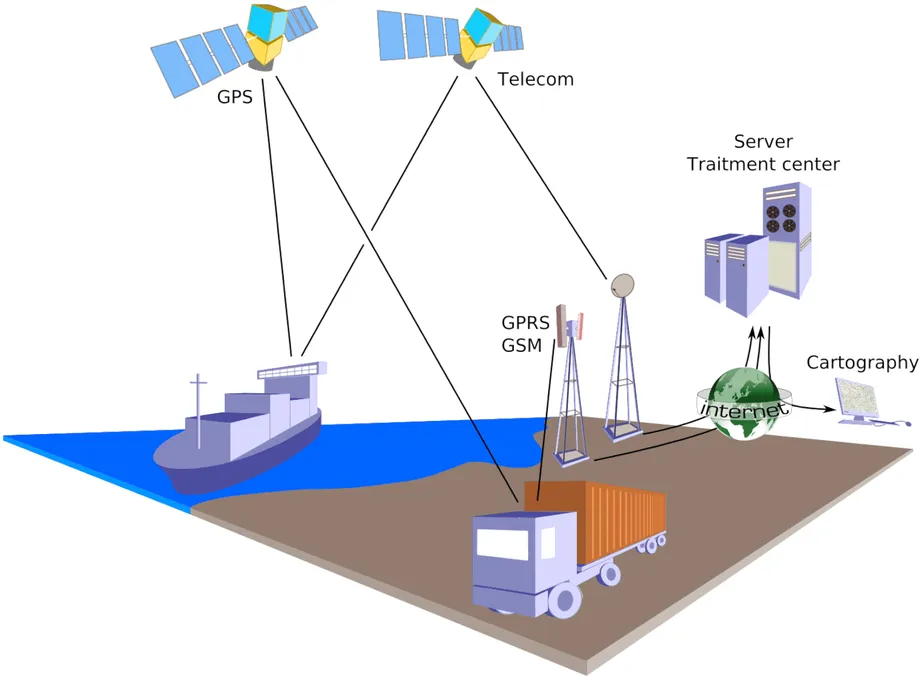
Mohamad Azuan Masud, secretary of the Association of Malaysian Hauliers, said prime movers, the specialised trucks that pull shipping containers, operate in a closely integrated system. Their Global Positioning System (GPS) devices must work and connect directly with port terminal systems. Without that connection, a truck cannot complete the terminal movements on which its work depends.
As of June 30, 2025, concerns about fake or nonfunctional GPS equipment in heavy commercial vehicles have prompted debate about road safety and compliance in Malaysia. Industry leaders and regulatory authorities have said those practices do not affect container haulage, which is among the most technologically advanced and tightly regulated parts of the country's commercial transport industry.
The practical reason is straightforward. For container hauliers, GPS is more than equipment installed to satisfy an inspection. It is part of the operating system that allows a vehicle to move through a port. A device that merely looks genuine cannot provide the active connection described by the association.
The sector's position also rests on its use of driver monitoring and its cooperation with transport regulators. Those arrangements connect the discussion about fake devices to a wider issue: how technology, enforcement and the condition of roads work together to keep heavy vehicles moving safely.
Tracking Is Built Into the Work
Container terminals are essential meeting points between sea transport and road transport. The requirement for functioning GPS connects the movement of a prime mover with the systems used to manage access to those terminals. According to the haulage association, that makes operation without a legitimate, active device virtually impossible.
Mohamad Azuan said the industry had already adopted regional best practices and was preparing to introduce further safety technology. Describing the systems used by hauliers and the next planned step, he said:
We have long adopted best practices in the region, including GPS tracking, driver behaviour monitoring systems and soon, the advanced driver-assistance system to improve operational efficiency and safety.
Driver behaviour monitoring adds information about how a vehicle is being driven to information about where it is. Advanced driver assistance refers to technology designed to help a driver operate a vehicle more safely. Mohamad Azuan described that assistance system as an upcoming addition, while GPS tracking and driver monitoring were already part of established practice.
Hauliers also work closely with the Road Transport Department (JPJ) and the Land Public Transport Agency (Apad). That cooperation is intended to make the introduction of new technology smooth and secure while supporting safety, operating efficiency and transparency throughout the logistics chain.
Bus Operators Describe Their Own Oversight
The Pan Malaysian Bus Operators Association, which oversees express and stage buses, has also said all its vehicles have serviceable GPS devices. Apad constantly monitors their movements, and operators must notify the agency when a bus is expected to remain out of service for an extended period.
Datuk Ashfar Ali, president of the association, said the reporting requirement also applies when a bus breaks down. Explaining why he rejected suggestions that association buses could operate with deceptive tracking equipment, he said:
There is no question of our buses operating without a GPS or having a ghost GPS installed to deceive the authorities. Even when a bus breaks down and is expected not to be in use for an extended period, we would have to notify Apad. Hence, it is not possible to operate without the device.
Container haulage and express bus operations have particularly strong oversight because of the critical nature of their work and the safety risks involved. The same level of monitoring is not universal across every category of commercial vehicle. The association statements describe how their respective sectors operate within those controls.
Digital Platforms Connect More of the Journey
Malaysia's logistics industry has undergone substantial digital change in recent years. Digital platforms, artificial intelligence (AI) and the Internet of Things (IoT) are changing how shipping and haulage companies organise shipments, handle documents and share information about cargo movements.
IoT refers to connected devices that collect and exchange information. In logistics, connecting equipment and operating systems helps companies follow shipments as they move. AI and machine learning use data to identify patterns that can support decisions about routes, risks and expected demand.
Digital logistics platforms now provide several services that previously required more separate steps:
- Rate comparisons as prices become available and the ability to book immediately.
- Automated customs clearance and documentation.
- Shipment tracking and visibility throughout the journey.
- Connections with eCommerce platforms.
Automated documentation helps information move with the shipment, while tracking gives participants a clearer view of its progress. Together, these tools improve efficiency and transparency and make practices such as using fake GPS devices harder to leave undetected.
AI and machine learning also support predictive analysis, which means using existing information to estimate what may happen next. Applications include choosing more suitable routes, assessing risks and forecasting demand. These uses contribute to a safer and more reliable logistics network while raising expectations for compliance and customer service.
Government Policy Supports Modernisation
The National Transport Policy 2019-2030 and the Logistics and Trade Facilitation Masterplan place logistics modernisation among Malaysia's government priorities. Both frameworks seek to strengthen the country's competitiveness as a regional logistics hub and encourage businesses to adopt best practices in technology and safety.
The Digital Free Trade Zone is another part of that effort. It positions Malaysia as a key transhipment hub for global eCommerce giants. Transhipment means moving goods through an intermediate hub on their way to another destination, making reliable connections between transport services central to the process.
Government incentives for companies undertaking integrated logistics services also encourage investment in digital solutions and smart logistics infrastructure. Integrated services bring different parts of the movement and handling of goods together, supporting closer coordination across the supply chain.
These policies link technology investment with Malaysia's ambitions in international trade. For businesses moving goods through the country, efficient transport, dependable information and consistent safety practices are all parts of the same service.
Timeliness Remains an Area for Improvement
The World Bank's Logistics Performance Index 2018 ranked Malaysia 41st out of 160 countries. Timeliness was identified as a key area needing improvement, placing the reliability of deliveries alongside the industry's progress in tracking and digital systems.
The 2018 ranking is a historical measure of logistics performance. It provides context for the government's and industry's work on infrastructure upgrades, digitalisation and stronger regulatory oversight, all intended to address weaknesses in the movement of goods.
Port access systems are one part of that work. The wider logistics network also depends on the infrastructure and services that connect shipments before and after a terminal visit. Malaysia's efforts therefore extend beyond installing devices on individual vehicles to improving how different stages of transport work together.
Digital Adoption Is Uneven Across Freight
Container haulage is a leader in technology adoption, but the broader freight and logistics industry remains at an early stage of digital transformation. Academic studies identify practical barriers involving people, information systems and the organisation of services.
The challenges include:
- A lack of skilled manpower and information technology systems.
- The absence of a unified data gateway.
- A shortage of industry players and weaknesses in service efficiency.
- Unclear alignment between digital strategies and business transformation.
A unified data gateway would give participants a common point through which to exchange information. Its absence makes the task of connecting separate systems more difficult. The concern about business transformation is similarly practical: a digital strategy needs to fit how a company organises and carries out its work.
Interest is growing in IoT, cloud computing, big data analytics and blockchain technology. Cloud computing provides computing services over a network, while big data analytics examines large volumes of information for useful patterns. Blockchain is a way of maintaining a shared record of transactions.
These tools are expected to support productivity, transparency and customer service. Their adoption across the wider industry sits alongside the more established tracking and monitoring arrangements described by container hauliers.
Road Conditions Remain Part of Safety
The Association of Malaysian Hauliers has called for more road maintenance near port areas, where heavy cargo traffic is concentrated. Its request connects the condition of the roads directly with the places where container trucks make frequent journeys.
The association has also called for a review of the Weight Restriction Order to support the sector's long term sustainability as cargo volumes rise. Weight restrictions concern how much vehicles may carry, making them part of the relationship between freight operations and the roads used by heavy trucks.
Hauliers have pledged full support for government measures intended to raise safety standards and reduce accidents involving commercial vehicles. Their requests cover both vehicle operations and public infrastructure: tracking can support oversight, while road maintenance addresses the surfaces on which those vehicles travel.
Cleaner Transport and Reliable Trade
Shipping and logistics companies are also investing in vehicles that use fuel more efficiently, packaging designed to reduce environmental harm and carbon neutral shipping options. These efforts reflect global trends and customer expectations for more environmentally responsible business practices.
Malaysia's role as a regional logistics hub is important to its economic growth and its place in global supply chains. Container haulage connects ports with the businesses that send and receive goods, so dependable operations matter to both domestic commerce and international trade.
The sector's commitment to technology and regulatory compliance supports the integrity of those operations and Malaysia's reputation as a reliable trading partner. Continued digitalisation, government support and cooperation across the industry are expected to improve efficiency, safety and sustainability.
Malaysia's growing internet economy and the increasing importance of eCommerce add to the demand for logistics services. The industry's task is to support businesses and consumers while extending improvements beyond the most closely connected parts of the transport network.
Key Points
- Container hauliers say functioning GPS linked to terminal systems is required to enter and leave Malaysian ports.
- The haulage association says fake devices are not an issue in its sector because active tracking is built into operations.
- Bus operators say their vehicles have working GPS, with movements monitored by Apad and extended periods out of service reported.
- Hauliers already use GPS and driver monitoring, with advanced driver assistance identified as an upcoming step.
- Government policies, incentives and digital platforms support logistics modernisation, while skills and data connections remain challenges.
- Malaysia ranked 41st of 160 countries in the World Bank's 2018 logistics index, with timeliness needing improvement.
- Hauliers want better roads near ports and a review of weight restrictions as cargo volumes grow.